


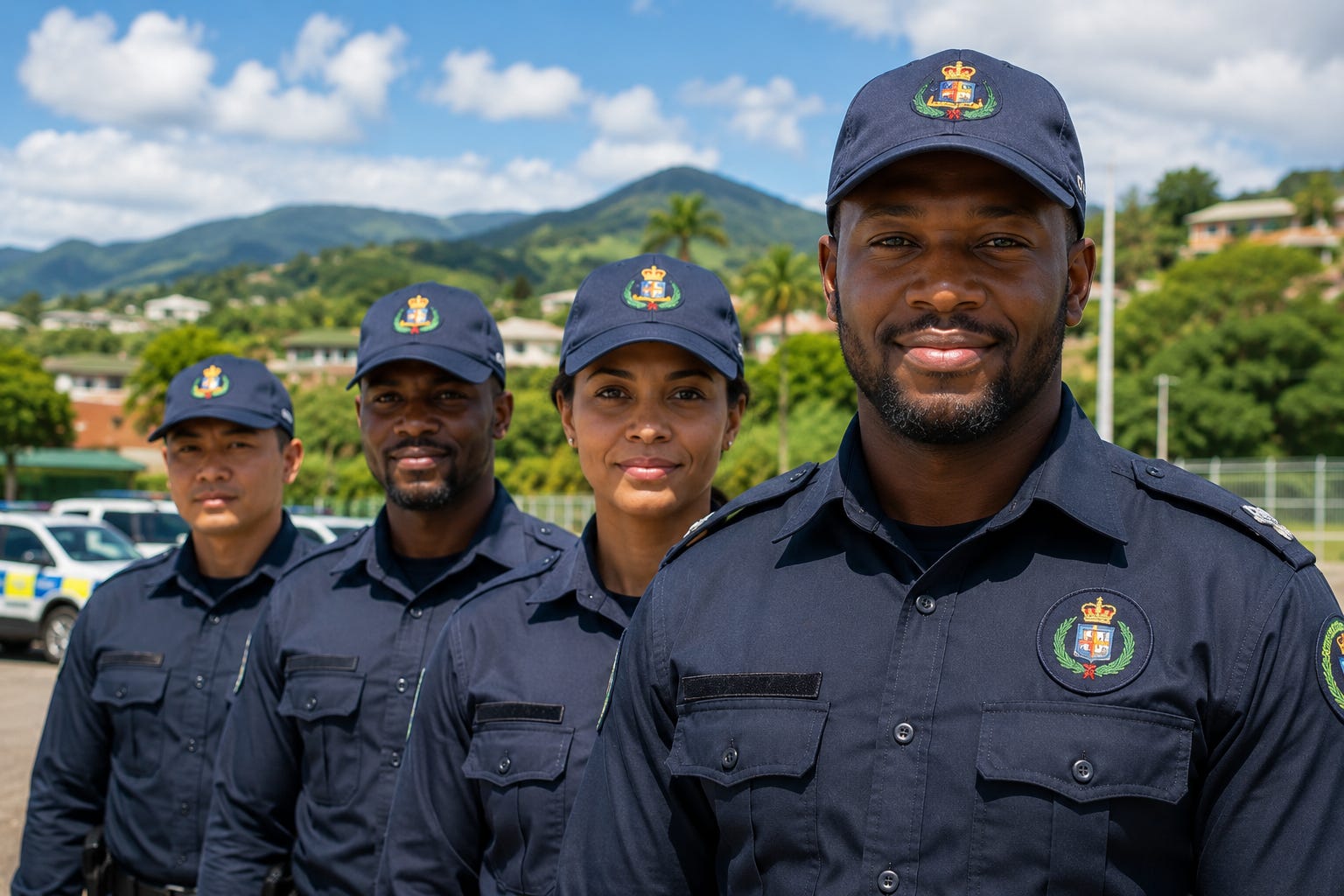
The Prime Minister has urged members of the Jamaica Constabulary Force to place professionalism, discipline and respect for human life at the centre of policing, following renewed public concern over a fatal police involved shooting in St. James.
Speaking at the graduation of the 91st Cohort of the Staff and Junior Command Course at the National Police College of Jamaica in St. Catherine, the Prime Minister said the force must remain rooted in its core duty to serve, preserve and protect life.
The remarks come after the death of St. James resident Latoya Bulgin, an incident that has drawn public attention to police conduct, accountability and the difficult balance between crime fighting and civilian protection.
Leadership closest to the front line
The Prime Minister told graduating officers that middle managers and junior commanders carry a particular responsibility because they are closest to daily operations. They are the officers expected to translate policy into practice, shape behaviour on the ground and ensure that police responses remain lawful, disciplined and proportionate.
He acknowledged that officers operate in dangerous environments, including communities affected by gangs, illegal firearms and organised crime. But he said those pressures make professional standards more important, not less.
For Jamaica, this is not only a policing issue. Public safety shapes how people live, where families choose to settle, how communities are perceived and how confidence is built or lost in neighbourhoods across the island.
Security and the meaning of place
Real estate is not only about buildings, titles and prices. It is also about whether people feel safe in the places they call home.
Communities affected by violence, mistrust or heavy handed policing often carry a deeper burden. Property values may suffer, investment may slow and residents may feel trapped between fear of crime and fear of those sent to protect them.
At the same time, effective policing is essential to stable neighbourhoods. Families, homeowners, renters, developers and small businesses all depend on public order. Without safety, housing policy and community development remain fragile.
The challenge for Jamaica is therefore not choosing between firm policing and humane policing. The country needs both.
Accountability as part of national development
The Prime Minister welcomed the swift action by the police high command, including the interdiction of the officer involved while investigations continue. He also pointed to Jamaica’s independent investigative mechanisms as evidence of the country’s commitment to accountability.
That accountability matters beyond the immediate case. A society that wants stronger communities, greater investment and more resilient towns must also build trust in public institutions.
Where trust is weak, people withdraw. They avoid certain areas. They move when they can. They hesitate to invest. They warn relatives abroad against returning. Over time, that affects not only policing, but the wider confidence that underpins housing, land use and local economic life.
A test for the next generation of officers
The graduates addressed by the Prime Minister are expected to rise through the ranks of the JCF. Their leadership will help determine whether the force becomes more disciplined, more trusted and more capable of distinguishing genuine threats from civilians who are frightened, confused or vulnerable.
That distinction is not a small matter. It is the line between authority and abuse. It is also the line between a community that cooperates with the police and one that retreats from them.
Jamaica has asked much of its police force. Officers are expected to confront armed gangs, respond to domestic disputes, maintain public order and serve communities under pressure. But the power given to the police must always be matched by restraint.
What this means for Jamaica
The Prime Minister’s message places policing within a broader national question: how Jamaica protects life while building safer, more stable communities.
For housing and real estate, the implications are indirect but important. Safe communities attract residents, investment and long term confidence. Communities that feel unsafe, whether because of crime or distrust, struggle to grow in a healthy way.
The test now is whether the message delivered to graduating officers becomes visible in daily policing. For Jamaica’s neighbourhoods, families and future development, public safety must mean more than control. It must also mean confidence, dignity and trust.