


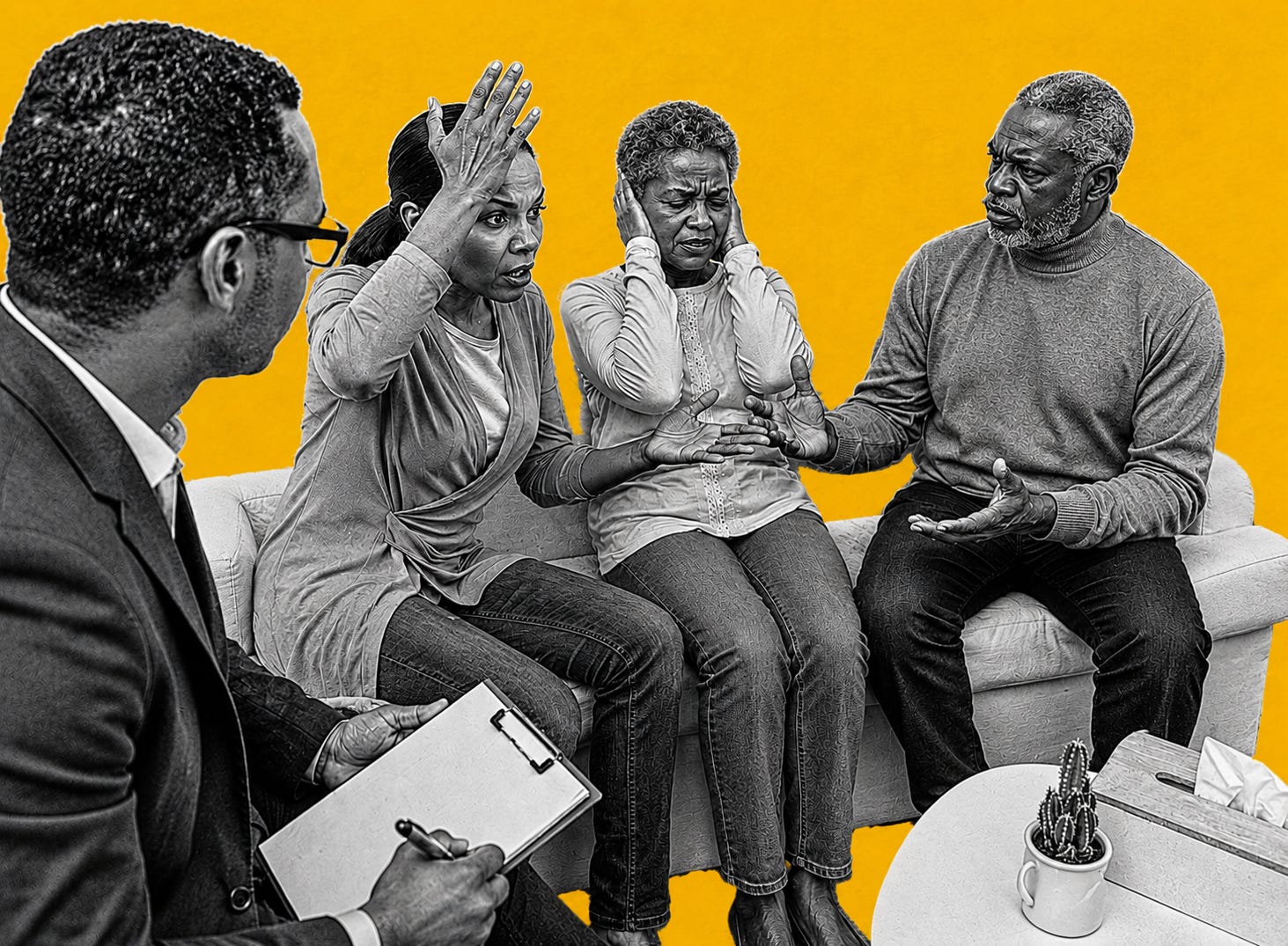
For many families, a house is more than bricks, mortar and a roof. It is the place where children were raised, family traditions were formed and decades of hard work were invested. Yet when the owner dies, that same property can quickly become the source of bitter disputes that divide families for years.
A recent report examining inheritance disputes highlighted a growing concern facing families around the world. Even where a will exists, disappointed relatives are increasingly challenging estates in court, sometimes successfully. The lesson is not simply about legal documents. It is about what happens when wealth, property and family relationships collide.
The issue may seem distant, but it carries important implications for Jamaica, where property ownership remains one of the most significant forms of wealth held by ordinary families.
The Family Home as Wealth
Unlike some countries where wealth is often held in stocks, bonds or large investment portfolios, many Jamaican families hold most of their wealth in land and housing. A family home may represent decades of savings, sacrifice and planning.
This means inheritance disputes are rarely just financial disagreements. They are often disputes about identity, belonging and fairness.
Questions that seem simple on the surface can become deeply contentious. Should one child inherit the family home because they cared for an elderly parent? Should property be divided equally among siblings? What happens when a parent wishes to leave assets to grandchildren instead?
Without clear planning, these questions can lead to prolonged disagreements that consume both time and money.
Why Wills Are Not Always Enough
Many people assume that once a will is written, their wishes are guaranteed to be respected. In reality, wills can be challenged.
Claims may arise over mental capacity, undue influence, family dependency or alleged drafting errors. Even unsuccessful challenges can delay the administration of an estate and increase legal costs.
For property owners, this creates an uncomfortable reality. The process of building wealth may take decades, yet uncertainty after death can undermine much of that effort.
The problem becomes even more pronounced where property has been passed informally through generations without clear documentation, a situation that remains familiar in parts of Jamaica.
The Rise of Estate Planning
Around the world, wealth advisers are increasingly encouraging families to think beyond the traditional will.
Trusts, family agreements and structured estate plans are becoming more common tools for protecting assets and reducing future disputes. Their purpose is not simply tax efficiency or wealth preservation. They are often designed to provide clarity.
Clarity can be one of the most valuable gifts a property owner leaves behind.
When intentions are clearly documented, beneficiaries are less likely to argue about what the deceased would have wanted. When intentions are vague, conflict often fills the gap.
For Jamaica, this conversation may become increasingly relevant as property values continue to rise in many parts of the island. A home that was once viewed as an ordinary family asset can suddenly become a highly valuable inheritance.
A Challenge for the Next Generation
The inheritance debate also raises broader questions about housing and generational wealth.
For younger Jamaicans facing rising housing costs, inherited property may represent one of the few realistic pathways to homeownership. At the same time, disputes over estates can delay transfers, leave properties vacant and prevent assets from being used productively.
The consequences extend beyond individual families. When property becomes trapped in unresolved legal disputes, communities can suffer from neglected buildings, stalled development and uncertainty over ownership.
Land and housing perform their greatest economic function when ownership is clear and secure.
Looking Ahead
The recent discussion about inheritance challenges serves as a reminder that estate planning is not only for the wealthy.
Anyone who owns land, a house or other significant assets should consider how those assets will be managed and transferred in the future. The goal is not simply to decide who receives what. It is to minimise confusion, reduce conflict and preserve family stability.
As Jamaica continues to build wealth through homeownership and property investment, the conversation about inheritance may become just as important as the conversation about acquiring property in the first place.
After all, owning a home is only part of the story. Ensuring that it passes smoothly to the next generation may ultimately prove just as important.