

55 Bridges, But Jamaica’s Bigger Infrastructure Problems Remain
Government approves a major bridge replacement programme, but Dean Jones says dangerous routes like Flat Bridge still require bigger long term solutions.

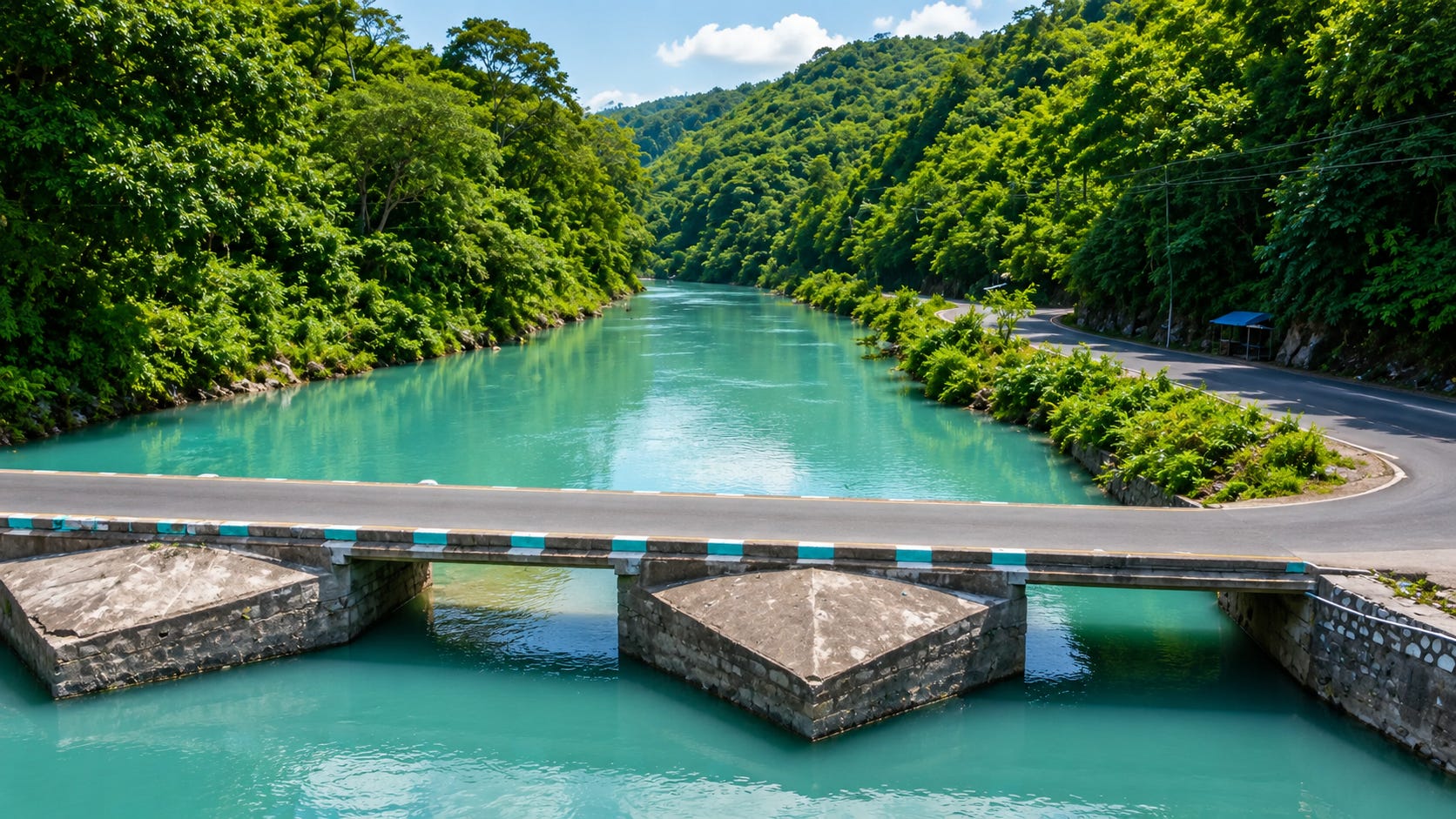
The Government’s approval of an Accelerated Bridge Programme to replace 55 bridges across Jamaica over the next 12 to 18 months has been welcomed as one of the most ambitious infrastructure undertakings attempted in recent years. The initiative, which received approval through the Public Investment Appraisal Branch process under the Public Investment Management System, is expected to prioritise bridges in disaster-prone sections of western Jamaica, including St. Elizabeth, Hanover, Westmoreland, St. James and Trelawny.
The programme forms part of a wider push to strengthen Jamaica’s infrastructure resilience at a time when climate pressures, ageing road networks, and recurring flooding continue to expose weaknesses across the island’s transportation system.
But while the announcement has been broadly praised, Dean Jones, founder of Jamaica Homes, said the programme also highlights a deeper national conversation about Jamaica’s long term infrastructure priorities and some of the country’s most dangerous and vulnerable transport corridors.
“This is good news and the scale of the programme is significant,” Mr. Jones said. “But when Jamaicans think about dangerous bridges and flood-prone crossings, many people immediately think about Flat Bridge. Although Flat Bridge has not been officially named among the bridges identified under the current programme, it has long been associated with many of the same concerns the Government is now attempting to address through this wider infrastructure push.”
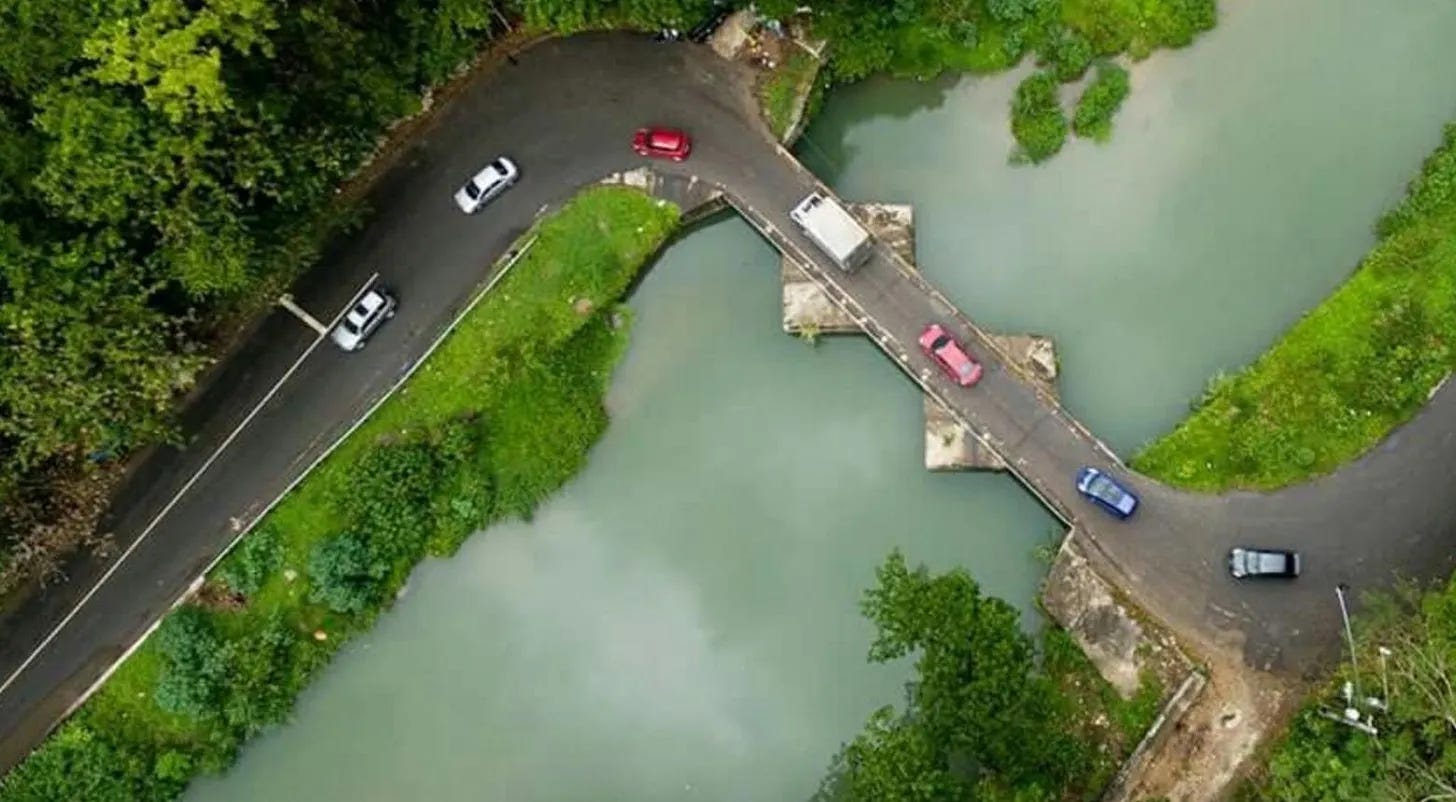
Mr. Jones argued that while some people have accepted the crossing as impossible or too expensive to significantly improve, modern engineering and international expertise make long term solutions achievable if the political and financial will exists.
“We live in an age where countries are constructing extraordinary infrastructure in some of the most difficult environments in the world,” he said. “To suggest that major safety improvements cannot be made to Flat Bridge or surrounding road networks simply cannot be accepted anymore. The engineering exists. The technology exists. The expertise exists. Jamaica does not lack intelligence or capability.”
He added that Jamaica should think beyond replacement works alone and begin considering transformative upgrades to key national routes that shape economic activity, housing growth, tourism access, and emergency response capacity.
“The routes between Kingston, Stony Hill and Flat Bridge are critically important corridors,” Mr. Jones said. “Yes, widening roads, redesigning dangerous crossings, or diverting traffic during major construction would be expensive and disruptive. But these are the kinds of investments that shape a country’s future for generations.”
Across Jamaica, roads and bridges remain closely tied to development patterns, property values, housing access, and long term investment confidence. Communities cut off by flooding or deteriorating infrastructure often face slower economic activity, reduced investor confidence, and greater vulnerability during natural disasters.
The National Works Agency currently manages approximately 800 bridges islandwide and carries out annual structural assessments as part of its bridge management programme. According to the Government, the 55 bridges identified under the Accelerated Bridge Programme emerged from those reviews and represent the first major phase of replacements, though additional infrastructure priorities could emerge in later phases as climate resilience planning evolves.
For Jamaica’s wider property and construction sectors, the initiative also reflects growing recognition that infrastructure resilience can no longer be separated from national development planning. Roads, drainage systems, bridges, and retaining structures increasingly influence where people build, invest, insure property, and raise families.
Mr. Jones said the wider issue facing Jamaica is whether the country is prepared to move beyond short term fixes and confront the larger structural weaknesses that continue to affect mobility and safety across the island.
“Replacing 55 bridges is important and deserves recognition,” he said. “But in many ways this is still small compared to some of the larger infrastructure challenges Jamaica will eventually have to confront. The country cannot afford to wait until disaster forces action every single time.”
Climate experts and engineers across the Caribbean have repeatedly warned that ageing infrastructure systems are becoming increasingly vulnerable as storms intensify and rainfall patterns become more unpredictable. For island nations like Jamaica, transport resilience is no longer viewed simply as a public works issue, but as part of economic survival, disaster preparedness, and national security.
The Government’s latest programme therefore represents both progress and pressure, progress because long overdue investments are finally moving ahead, and pressure because Jamaicans are increasingly expecting infrastructure planning to match the realities of a modern and climate-vulnerable nation.
For many motorists who continue to navigate narrow roads, unstable hillsides, flood-prone crossings, and deteriorating transport links daily, the real measure of success may ultimately depend not only on how many bridges are replaced, but on whether Jamaica begins tackling the bigger infrastructure problems that have shaped public frustration for generations.