

A Architectural Review of Lancewood Meadow, Ocho Rios: A Subtle Harmony Between Design and Landscape

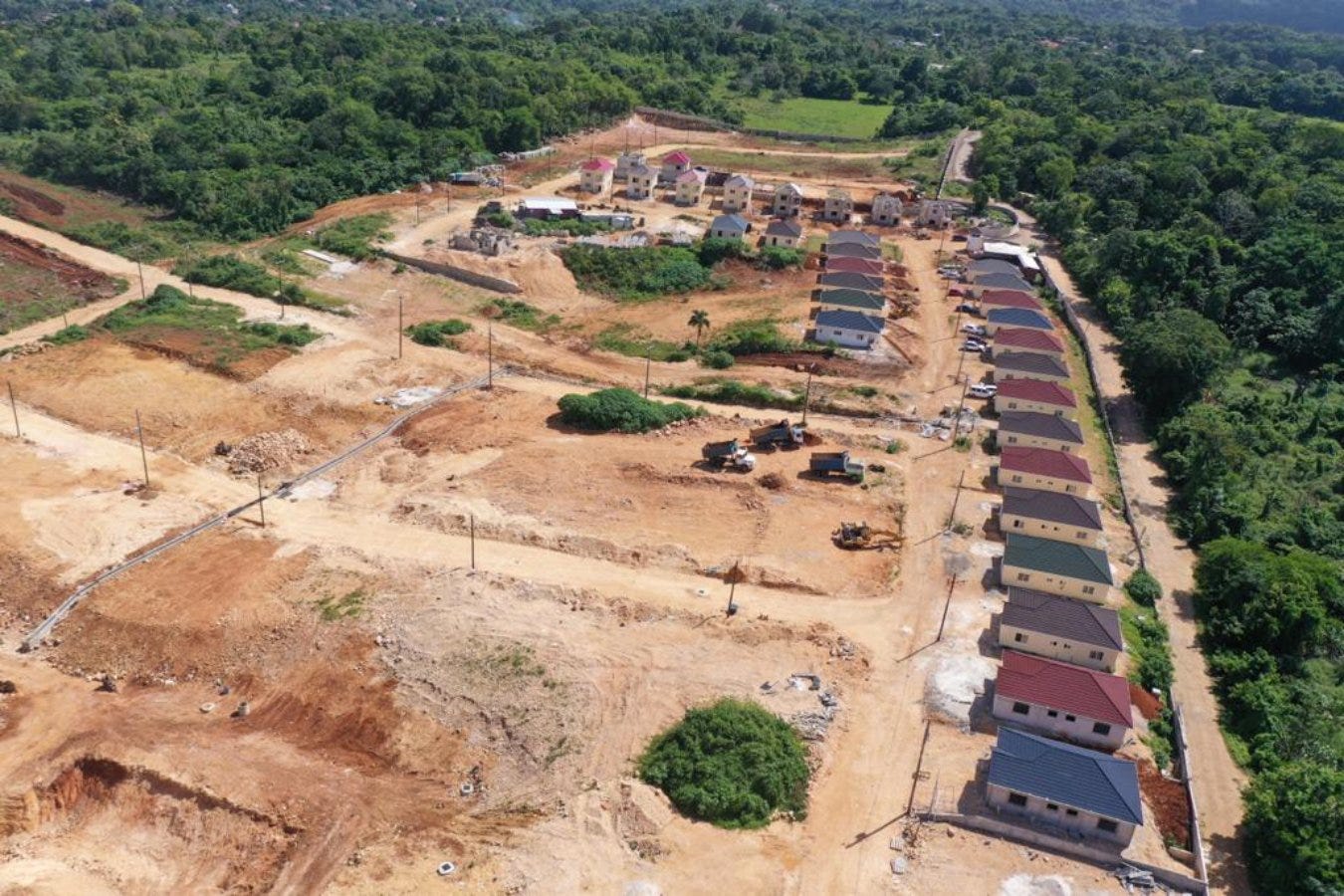
Set against the balmy backdrop of Jamaica’s northern coast, just minutes from the sun-soaked town of Ocho Rios, lies Lancewood Meadow—a development that, while modest in its architectural ambition, achieves something quietly powerful. It offers homes that are grounded in practicality, comfort, and community, yet speak to a deeper dialogue between modern Caribbean living and timeless design sensibilities. Here, beneath the reach of swaying palms and within view of misted mountains and sapphire seas, architecture is not shouting to be noticed. Instead, it’s inviting you in.
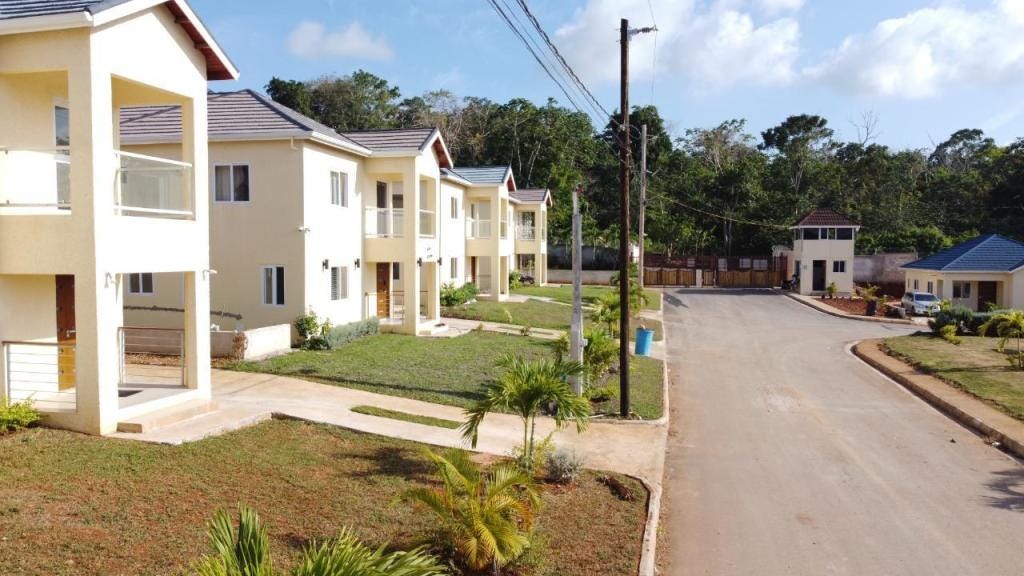
This is a scheme defined by contrast—not of dissonance, but of deliberate complementarity. Two distinct home types shape the neighborhood’s silhouette: the stately, two-storey villas that crown the central avenue, and the humbler, single-level bungalows that unfurl gently across the land. Together, they speak to a diversity of needs, family sizes, and aspirations, yet remain tethered by a cohesive design language.
The Two-Storey Home: Elevated Living with Grounded Intentions
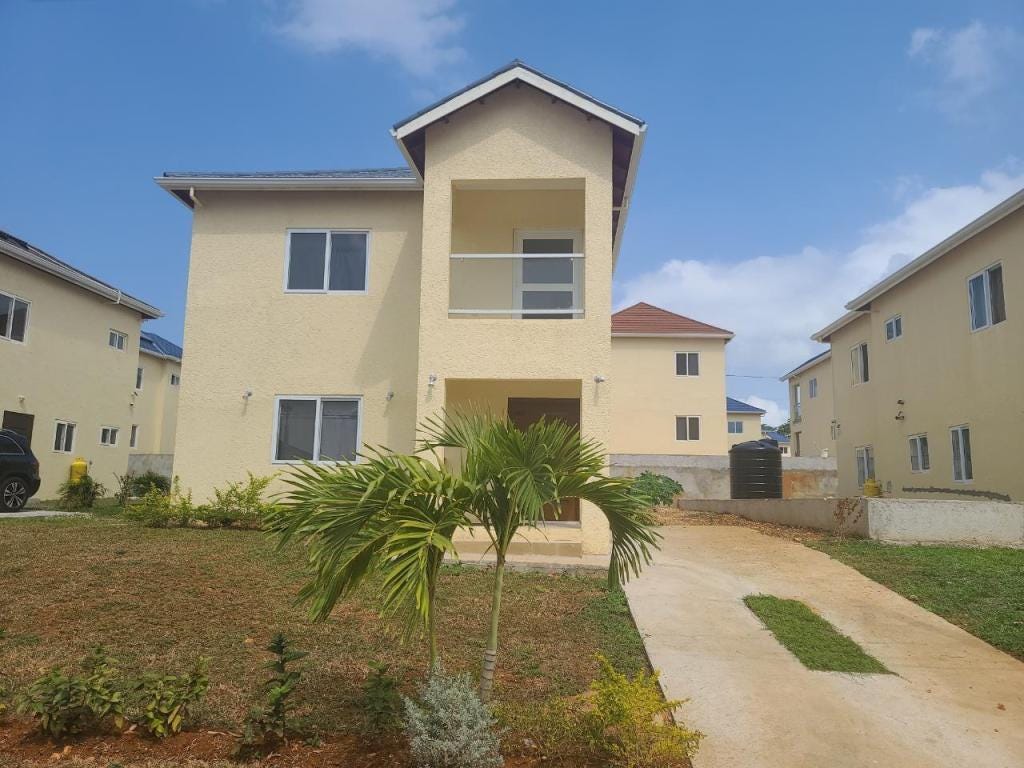
The larger of the two property types—a three-bedroom, three-and-a-half-bathroom house measuring approximately 2,068 square feet on a 4,000-square-foot lot—is a masterclass in measured ambition. Its vertical design allows it to command its space without overwhelming it. The form is clean and geometric, with gabled roofs that nod to traditional Jamaican architecture while remaining firmly in the present.
A narrow balcony peeks from the upper floor, offering framed glimpses of the ocean or mountain depending on orientation—a reminder that these homes were not dropped here thoughtlessly. Rather, they were placed with purpose. There is a subtle choreography in how light meets wall, in how shadow drapes the front steps as evening draws in.
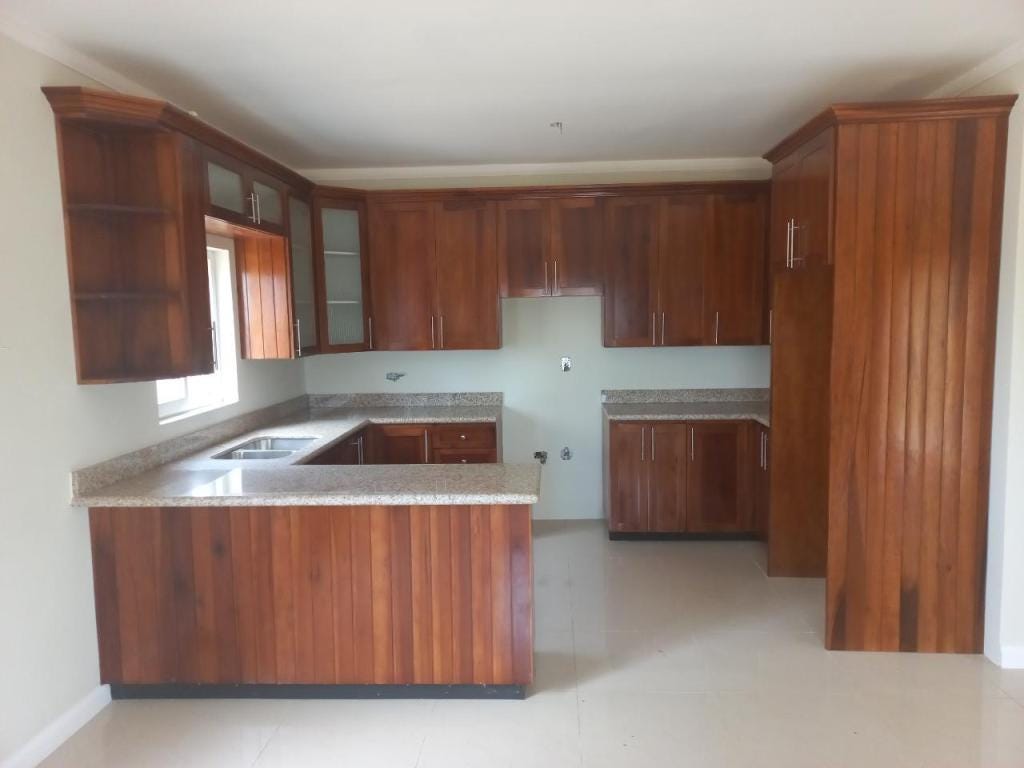
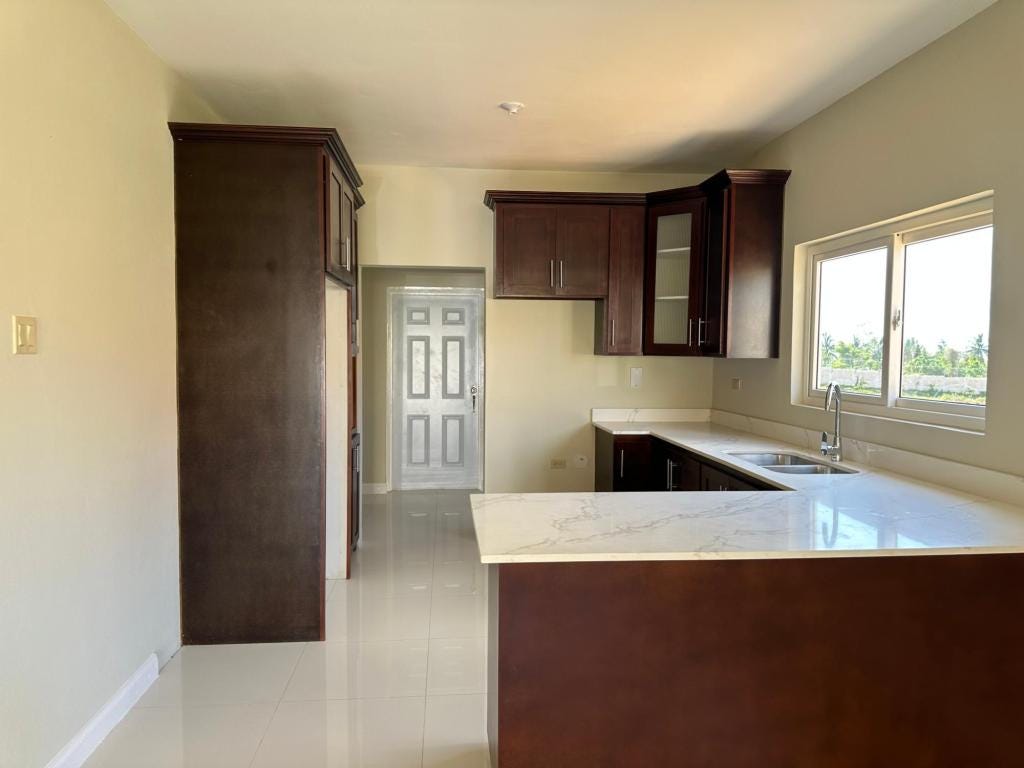
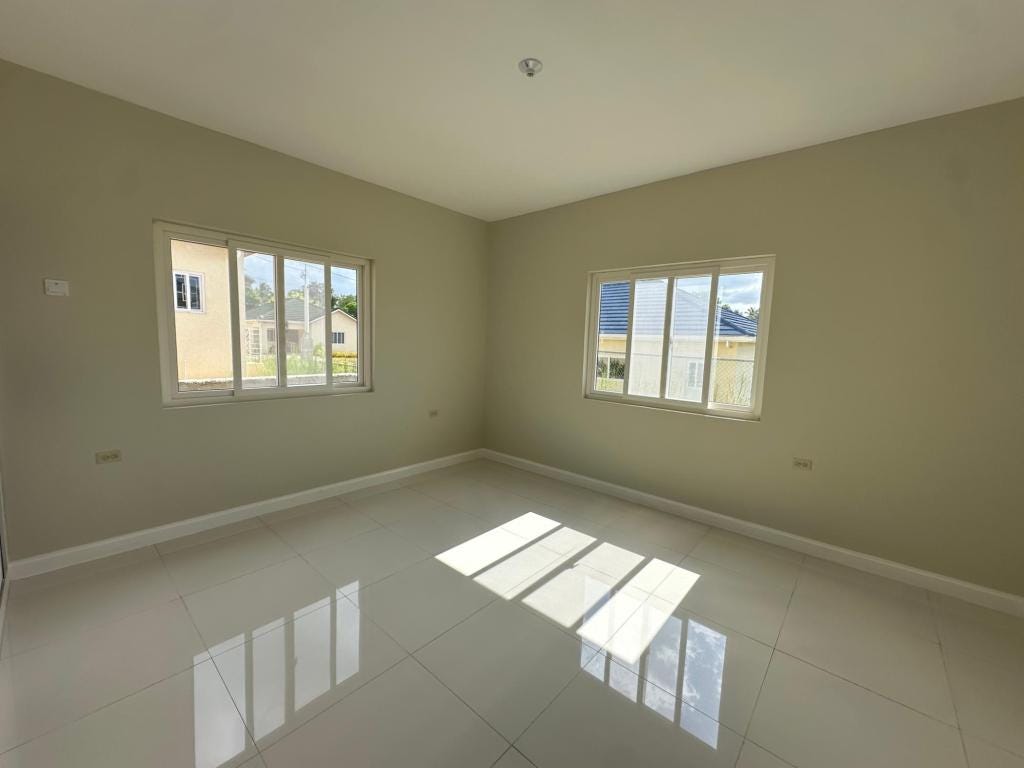
Inside, the space opens generously. Ceramic tile flooring underfoot keeps things cool and cohesive, while large, open-plan living areas anchor the interior around the needs of a modern family. The main level entry offers not just physical accessibility but a symbolic invitation: these are homes for everyone. They are intergenerational, adaptable, and inclusive.
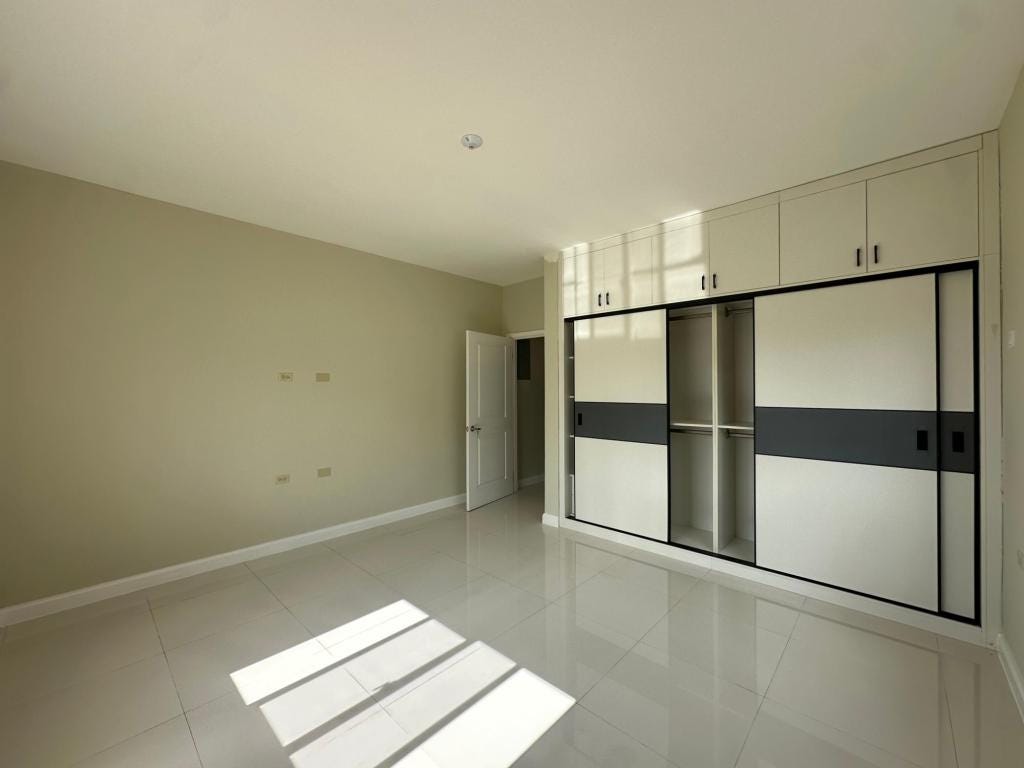
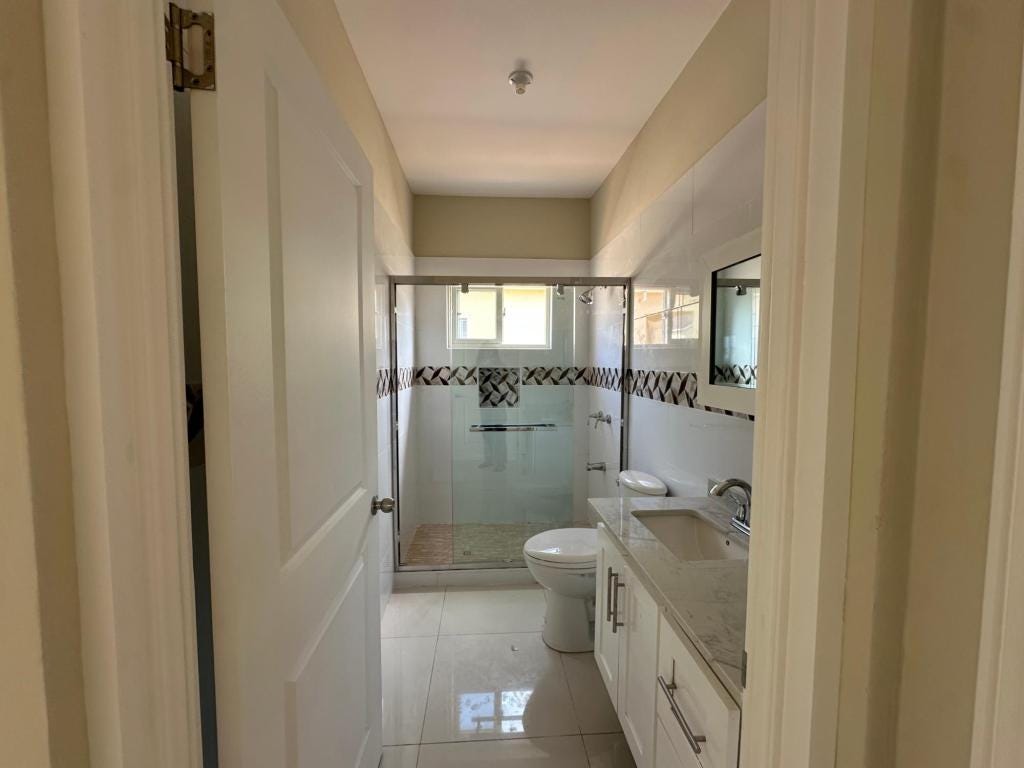
Bedrooms are tucked thoughtfully into corners, maximizing privacy while still allowing a sense of connection. Bathrooms are plentiful—each finished to a practical yet elegant standard—and the presence of a half-bath means guests can be welcomed without intruding into personal spaces.
This house is not ostentatious. There is no attempt to impress through scale or flourish. Instead, it impresses through discipline. Everything is where it should be. Every space makes sense. It’s a building that understands its occupants might grow within it—might laugh, argue, celebrate, grieve—and accommodates all those human moments with grace.
The Single-Storey Home: Simplicity as Sanctuary
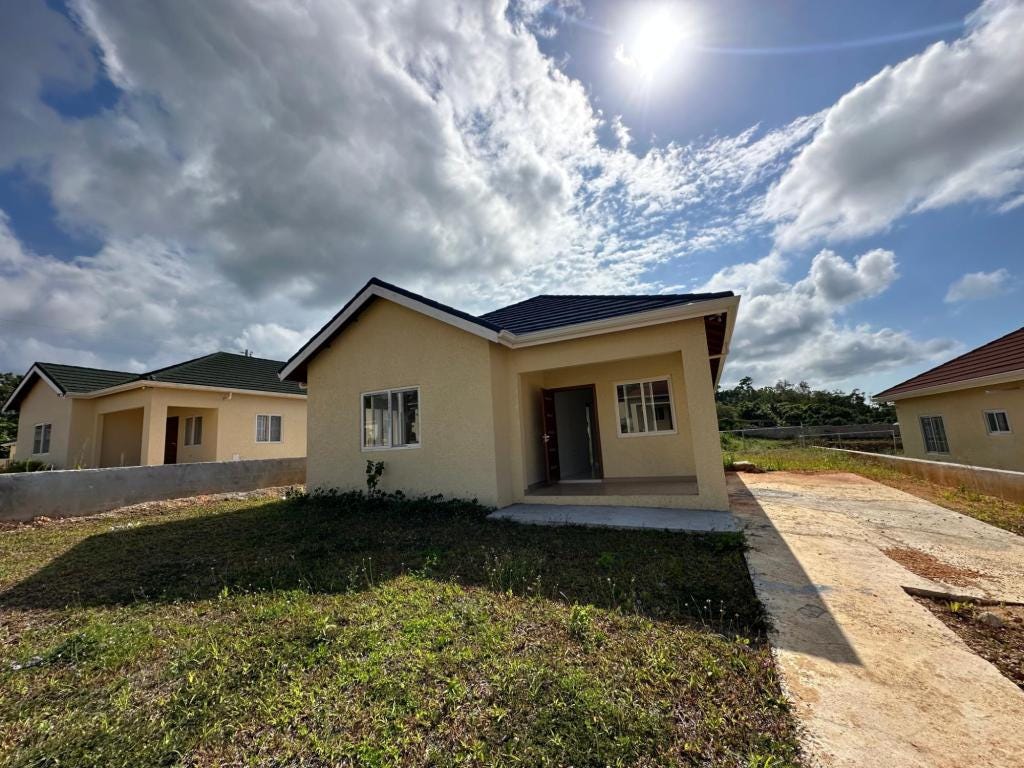
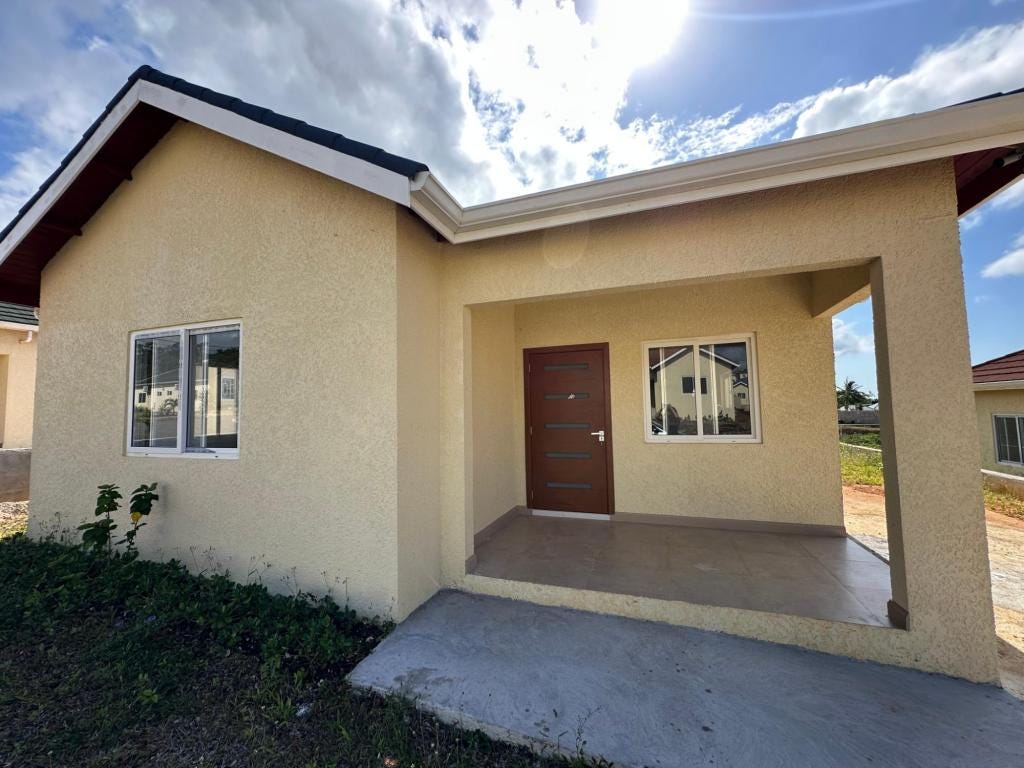
Flanking the wider development are the more numerous single-storey homes: two-bedroom, two-bathroom units designed to be as serene as the landscape they rest upon. Measuring smaller in footprint but no less rich in possibility, these homes are a subtle celebration of efficiency and clarity.
From the outside, their low-slung profiles nestle into the land rather than rising above it. They are humble but not forgettable—defined by clean stucco facades in soft, sun-reflecting yellow, wide eaves that shelter entryways from tropical rains, and robust tiled roofs that carry the whisper of the colonial Caribbean without its baggage.
The layouts are smartly arranged. An open living-dining space becomes the heart of the home, flanked by sleeping quarters that are neither too close nor too removed. Natural light filters gently through generously sized windows, bouncing off the ceramic tile floors and casting soft patterns across the walls.
For young families, retirees, or those downsizing into ease, these homes offer the gift of enough. Enough room to move, to rest, to gather. Enough privacy to feel at peace. Enough design intention to trust that someone thought about how you’d live here—not just how it would look.
And beyond the walls, each of these homes enjoys the benefits of a broader community ethos. Shared green spaces. Secure perimeters. The quiet presence of 24-hour security. It is a setting that respects the need for both connection and seclusion.
Design Meets Lifestyle
What stands out most about Lancewood Meadow isn’t any single house, but the way the entire development fits together. This is not a gated community of faceless repetition. Rather, it is a place where architectural decisions seem to echo the land’s natural topography and respond to the lifestyle of its inhabitants.
The views—of mountains, sea, and city—are not accidental. They are curated by the shape and placement of buildings. The flatness of the terrain allows for accessible living, particularly for seniors, without losing drama or interest. Driveways stretch confidently towards open parking spaces, while landscaped gardens weave succulents, stones, and native flora into an aesthetic that is low-maintenance yet expressive.
A community swimming pool hints at leisurely weekends and casual conversations. A garden area suggests a rhythm of life that values fresh air and gentle toil. These are homes where the noise of the world quiets, and the human voice—the laughter, the conversations over meals, the silence of shared moments—takes precedence.
Architecture with a Conscience
There is something deeply honest about Lancewood Meadow. These homes do not pretend to be what they are not. They are not extravagant, but they are elegant. They are not revolutionary, but they are thoughtful. They don’t chase trends—they prioritize lives.
This is architecture that understands restraint is not the absence of design, but the mastery of it. That being affordable does not mean being forgettable. That the Caribbean climate, culture, and context deserve more than cookie-cutter designs borrowed from elsewhere.
Each house is a quiet manifesto: that people matter. That comfort, safety, and beauty can coexist without bloated budgets or over-engineered statements. And in a country where housing often becomes a struggle between need and aspiration, Lancewood Meadow offers a third way: homes that are aspirational because they meet real needs—gracefully, sustainably, and with care.
Disclaimer:
This is an independent architectural review intended for creative and educational purposes. The properties featured are part of the Lancewood Meadow residential scheme in Ocho Rios, St. Ann. This article does not constitute a sales offer, real estate listing, or promotional endorsement. It is a reflective analysis of design, layout, and context, inspired by the built environment.