

A House Begins Long Before the First Block Is Laid: A Jamaican Journey Into First-Time Ownership


There is something deeply compelling about the idea of building—or buying—your very first home. Not just the structure itself, but what it represents. A quiet declaration of intent. A step into permanence. A decision to root yourself in something tangible in a world that often feels anything but.
In Jamaica, that decision carries even more weight. Here, a home is not simply shelter. It is identity, inheritance, protection, and sometimes, quiet defiance against uncertainty. It is where stories gather, where families expand, and where futures are imagined long before they are realised.
And yet, for all its romance, the journey into homeownership can feel daunting. Not because it is beyond reach—but because it is unfamiliar territory. A process layered with decisions, expectations, and, at times, unspoken complexities.
But perhaps the most reassuring truth is this: you do not need to have all the answers at the beginning. What you need is a thoughtful approach, a willingness to understand the landscape, and the patience to move through it deliberately.
As Dean Jones, Founder of Jamaica Homes, reflects:
“Homeownership in Jamaica isn’t just about owning a structure—it’s about securing your place in a future you can shape, brick by brick.”
And that future begins, quite simply, with how you choose to begin.
The Cast of Characters: Why No One Builds Alone

Every meaningful build—whether literal or metaphorical—relies on people. Not just any people, but the right people. Those who understand the terrain, who can anticipate the unseen, and who can steady the process when it begins to feel uncertain.
In Jamaica, this is especially true.
A real estate agent is not merely a facilitator of viewings. At their best, they are interpreters of the landscape—both physical and procedural. They understand the difference between a property that looks appealing and one that will stand the test of time. They can read between the lines of a listing, spot potential issues, and guide you through nuances that are rarely written down.
Alongside them stands your financial guide. Whether through a commercial bank, a building society, or institutions like the NHT, this is the person who helps translate your ambitions into something measurable and achievable. They do not just tell you what you can borrow—they help you understand what that borrowing truly means over time.
Because here is the quiet truth: in Jamaica, processes are rarely just processes. They are conversations. They are relationships. They are moments where clarity is negotiated, not simply delivered.
To attempt this journey alone is to miss the richness—and the necessity—of that human element.
The Financial Foundations: More Than Numbers on Paper

Before a single key is turned, before a single offer is made, there is a quieter phase. One that happens largely out of sight. A phase where the dream begins to take shape in numbers, in habits, in discipline.
And this is where many first-time buyers must pause—not out of hesitation, but out of respect for what lies ahead.
Money, in this context, is not just about affordability. It is about sustainability.
Yes, your credit profile matters. Yes, your savings will determine your starting point. But beyond that lies a deeper question: can you carry this commitment, not just today, but over the years to come?
Because owning a home in Jamaica is not a static experience. It is dynamic. It demands attention. It asks for upkeep, for foresight, for an understanding that the environment itself—beautiful as it is—can be both nurturing and unforgiving.
There will be costs that do not appear in the early calculations. Maintenance that cannot be postponed. Decisions that require both financial and emotional resilience.
As Dean Jones puts it:
“A house can be bought with money, but a home is sustained by discipline, foresight, and resilience—three things every Jamaican buyer must carry into the process.”
It is not a warning. It is an invitation—to prepare not just your finances, but your mindset.
The Quiet Importance of Paperwork
If there is one element of the process that lacks glamour yet holds immense power, it is documentation.
It is easy to underestimate it. To see it as a bureaucratic necessity rather than a central pillar of the journey. But in Jamaica, paperwork is not simply administrative—it is evidential. It tells your story in a language that institutions understand.
Your income must be demonstrated, not assumed. Your financial behaviour must be visible, not implied. Your identity must be consistent across documents, not approximate.
For those who are employed, this may mean payslips, job letters, and records of stability. For those who are self-employed, the narrative becomes more intricate—financial statements, tax compliance, and clear patterns of income.
Bank statements, too, take on a different significance. They are not just records of transactions—they are reflections of habits. They reveal how money flows, how it is managed, how it is preserved.
And in this process, clarity is everything.
When your documentation is in order, the journey moves with a certain elegance. When it is not, even the most promising opportunities can become tangled in delay.
A Landscape That Is Uniquely Jamaican

There is a temptation, in the age of global information, to assume that processes are universal. That what applies elsewhere can be seamlessly adopted here.
But Jamaica has its own rhythm. Its own systems. Its own realities.
Here, a pre-approval is valuable—but it is not the final word. Here, assistance programmes exist—but they require understanding, patience, and sometimes persistence. Here, land titles, valuation reports, and historical ownership can carry complexities that demand careful navigation.
And then there are the subtleties—the unspoken knowledge that only experience reveals. The understanding of communities, of infrastructure, of how certain areas evolve over time.
This is not to complicate the process. It is to honour it. To recognise that buying a home in Jamaica is not a formula to be followed, but a landscape to be understood.
The Long View: Beyond the Moment of Purchase
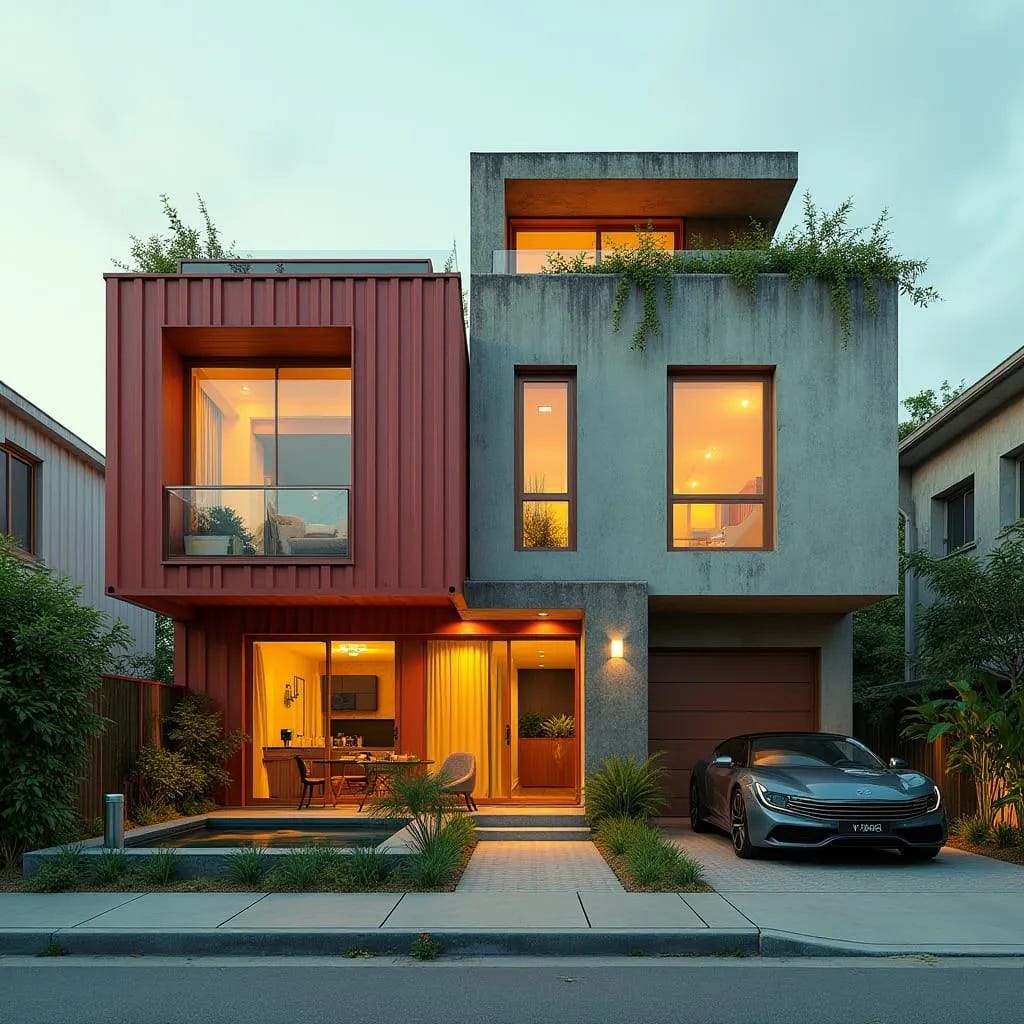
It is easy to focus on the immediacy of buying a home—the search, the negotiation, the acquisition.
But the true significance of homeownership reveals itself over time.
A home can change. It can adapt. It can grow with you. It can become more than what it was at the moment of purchase.
It might become a source of income. A place of retreat. A foundation for future generations.
But only if you allow yourself to think beyond the present moment.
As Dean Jones observes:
“The smartest Jamaican buyers don’t just ask, ‘Can I afford this home?’—they ask, ‘What can this home become for me and my family over time?’”
It is a subtle shift, but a powerful one. It transforms the act of buying into the act of building—building a future, not just acquiring a space.
A Gentle Closing Thought
There is no perfect path into homeownership. No moment where everything aligns flawlessly. There will always be unknowns, always be decisions that require a degree of courage.
But perhaps that is part of the beauty of it.
To choose to own a home in Jamaica is to choose to believe in continuity. In stability. In the quiet strength of something that endures.
So take your time. Move thoughtfully. Surround yourself with people who understand the journey. Prepare not just your finances, but your expectations.
And when the moment comes—when the keys are finally in your hand—recognise it for what it truly is.
Not just an ending.
But a beginning.