

A Language Returns Home
Jamaican Patwa, once suppressed, is being reclaimed across generations shaped by migration, memory, and identity

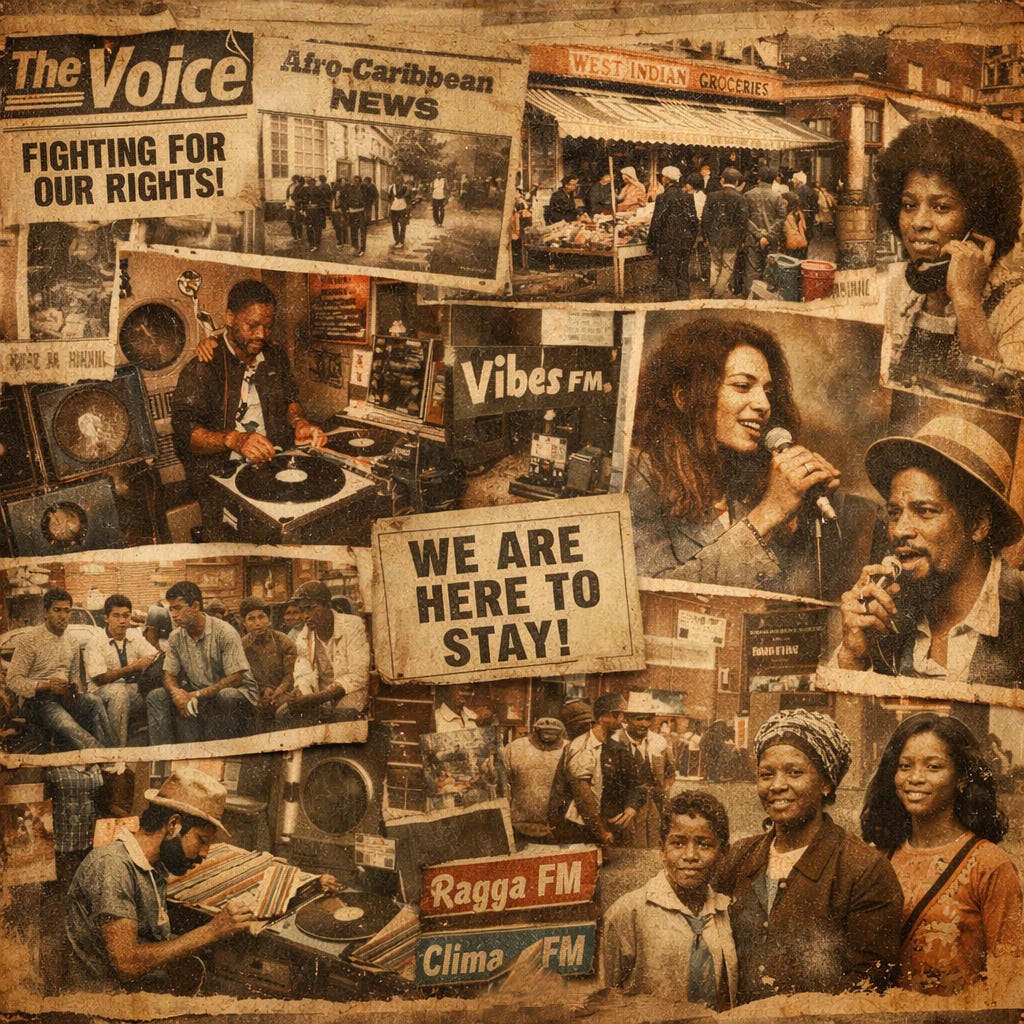
A quiet shift is taking place across Jamaica and its diaspora. It is not led by policy or announcement, but by people. By memory. By sound.
Jamaican Patwa, long dismissed as informal or inferior, is being reclaimed by a new generation that is beginning to understand what earlier generations were often forced to forget.
A recent feature by the BBC highlights this reawakening, tracing how people of Jamaican heritage are reconnecting with the language and, in doing so, with themselves.
The story is familiar, but the moment feels different.
For decades, Patwa existed in a contradiction. It was the language of home, of music, of laughter, of rice and peas on a Sunday, yet it was also the language many were told to leave behind. Speak properly. Speak English. If you want to get ahead, leave that part of you at the door.
That instruction did not emerge in isolation. It was shaped by history.
Patwa was born out of necessity during the era of enslavement, when Africans from different regions were forced together under British colonial rule, creating a new system of communication. Over time, that system became a fully developed language, carrying within it African structure, English vocabulary, and the lived experience of a people navigating survival and identity.
Yet for generations, it was framed as something less.
“Jamaica imports language in the same way it imports structure, but it adds its own meaning on top,” says Dean Jones, founder of Jamaica Homes. “Patwa was never broken English. It was a complete system. What was broken was how it was perceived.”
That perception travelled.
In the post-war years, particularly during the era of the Windrush generation, thousands of Jamaicans moved to the United Kingdom, bringing with them not just labour, but language, culture, and rhythm. They settled in places like Brixton, Peckham, Tottenham, and Stoke Newington, building communities that felt, in many ways, like extensions of home.
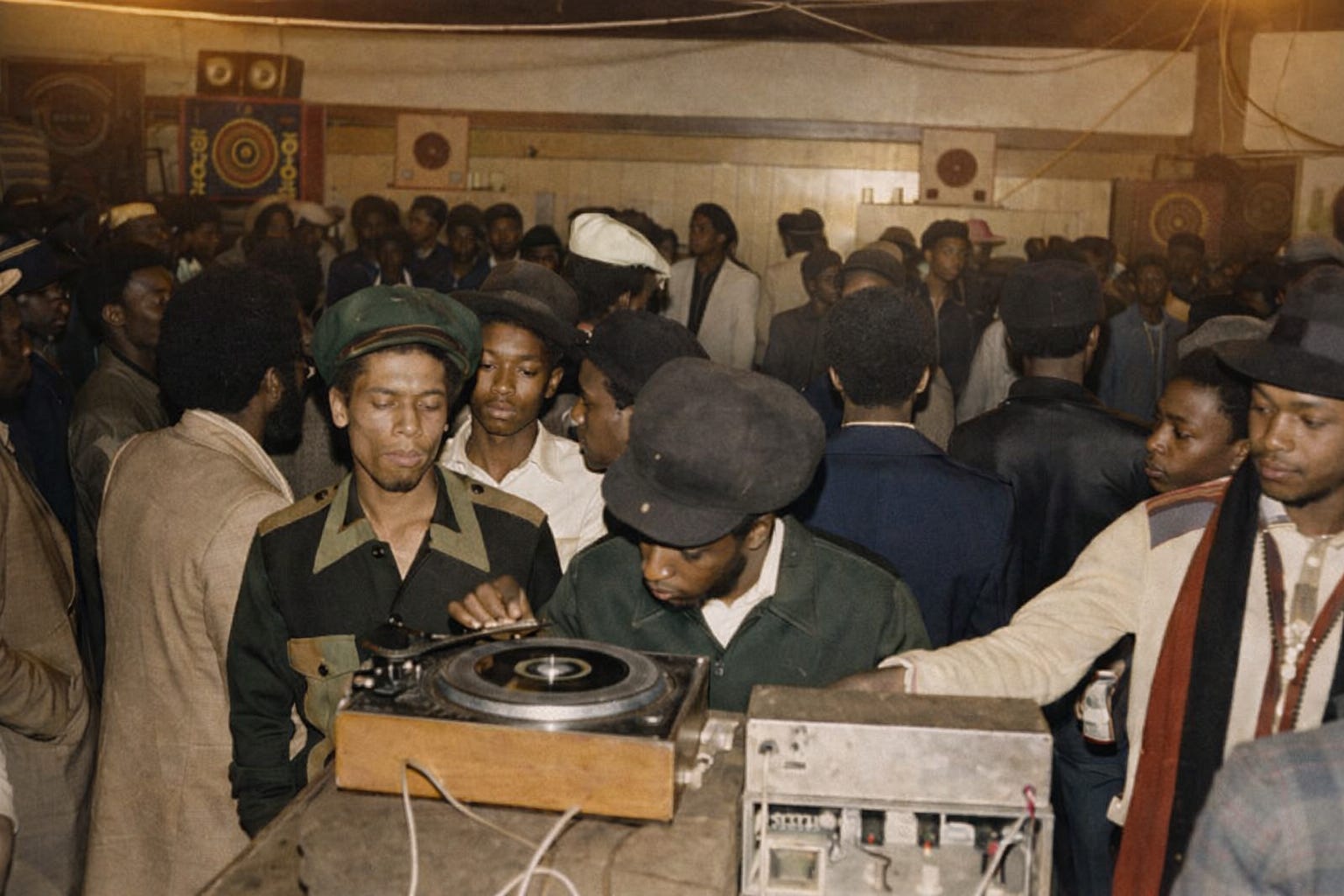
Inside those communities, Patwa lived freely.
It was heard in community centres, at christenings, at weekend gatherings, and through the sound systems that defined entire neighbourhoods. Radio stations such as Vibes FM, alongside pirate and local stations remembered by many, including Ragga FM and Climax FM, carried bursts of the language across the airwaves. On Sundays, reggae selections filled homes, with voices like Jimmy Cliff, Dennis Brown, and Gregory Isaacs becoming part of the rhythm of daily life.
And always, somewhere in the background, Bob Marley.
“The language was never lost,” Jones says. “It was just contained. It lived in kitchens, in music, in moments. It just wasn’t allowed into formal spaces.”
That duality shaped a generation.
Children of Jamaican heritage in the UK often grew up hearing Patwa but were discouraged from speaking it. In schools, English was the pathway to opportunity. Patwa, many were told, could hold them back.
Research cited in the BBC feature reflects this tension. Linguists note that while Patwa fosters identity and connection, it has also been associated with fears around education, employment, and social mobility.
Those fears were not imagined. They were inherited.
But something has changed.
Across cities like London and Toronto, and increasingly back in Jamaica itself, younger generations are no longer simply inheriting the language. They are reshaping it.
In London, this evolution contributed to what is now known as Multicultural London English, a hybrid form of speech influenced by Jamaican Patwa, African languages, and local dialects.
What was once dismissed as slang is now recognised as linguistic development.
What was once suppressed is now being performed, recorded, and shared globally.
“You can hear it in how people speak today,” Jones says. “Even those who were told not to use it are now leaning back into it. Not aggressively, but deliberately. A word here, a phrase there. It’s a return, but it’s also a negotiation.”
That negotiation is not always simple.
For many returning members of the diaspora, the experience of reconnecting with Jamaica can be complex. There is belonging, but also distance. Familiarity, but also friction.
“People come back expecting one thing and find another,” Jones says. “There’s pride, but there can also be resistance. There’s a phrase we use, bad mind. And there’s also the idea of the crab in a barrel. These are real social dynamics. They don’t cancel the beauty, but they are part of the reality.”
This tension reflects a deeper divide between those who left and those who stayed, and a new generation navigating both.
At the same time, there is growing recognition of Patwa’s value beyond identity.
Academics and policymakers are increasingly discussing bilingual education, with English and Jamaican language taught side by side. Research suggests strong public support for this approach, particularly as it could improve outcomes for children who grow up speaking Jamaican as their first language.
There are also calls for formal recognition.
If Jamaica moves toward recognising Patwa as an official language, it would mark a significant shift, not just symbolically, but structurally, affecting education, policy, and national identity.
“This is not just about culture,” Jones says. “It’s about systems. If you recognise the language, you change how people are taught, how they are assessed, how they see themselves. That has real consequences.”
The global influence of Jamaican language continues to expand through music, media, and digital culture. Artists like Sean Paul and Spice, among others, have carried elements of Patwa to international audiences, while social platforms have accelerated its reach.
Yet with that visibility comes a new question: ownership.
Some speakers express concern that elements of the language are being adopted without an understanding of its history or weight. Others see this spread as part of its natural evolution.
“Language moves,” Jones says. “It always has. The question is whether we understand what we’re carrying when we use it.”
For many, the answer is becoming clearer.
The reclaiming of Patwa is not just linguistic. It is personal.
It is tied to memory. To childhood. To migration. To the sound of voices that once filled rooms and travelled oceans.
It is tied to moments that cannot easily be translated.
“Patwa carries something English doesn’t always hold,” Jones says. “It carries feeling. It carries emphasis. It carries history in a single word.”
And now, increasingly, it carries forward.