


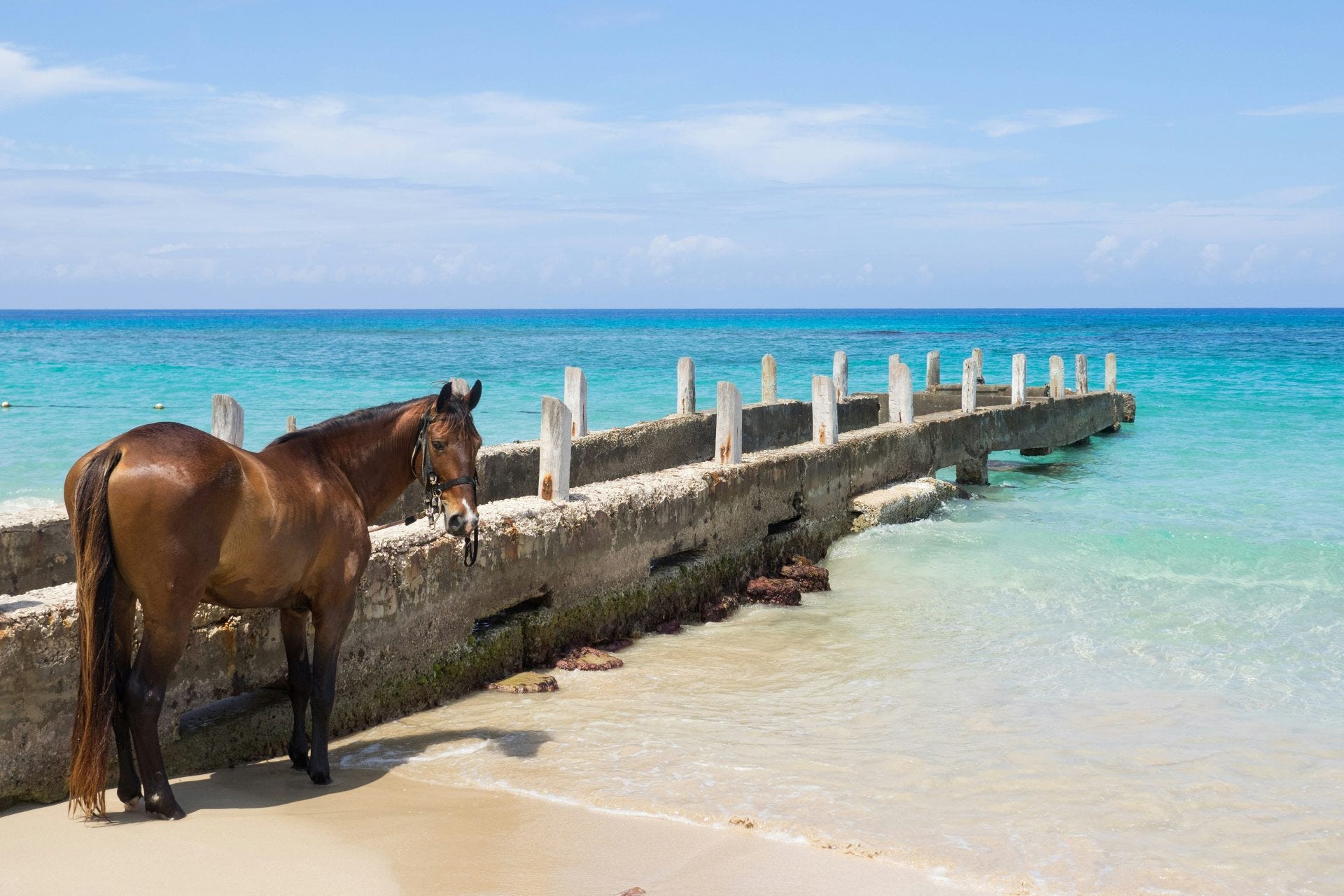
Jamaica, an island nation brimming with natural beauty, vibrant culture, and a warm, welcoming population, offers an enticing lifestyle for those considering a move. This practical guide provides an in-depth look at what life is like in Jamaica, from its sunny climate and rich history to its dynamic culture and practical considerations for expats.
Life in Jamaica
Hurricanes and Sunshine
Jamaica’s tropical climate is one of the main draws for those dreaming of visiting or living on the island. The consistent warmth and sunshine create an inviting environment, with temperatures rarely dipping below 20°C. This pleasant climate supports a diverse array of ecosystems, from lush rainforests to arid savannas, making Jamaica a nature lover’s paradise.
While the abundant sunshine is ideal for vacations, those planning to live in Jamaica should prepare for the high humidity, which can be quite intense, especially during the summer months. Adjusting to this level of humidity might take some time, but most residents find ways to cope, such as using air conditioning and staying hydrated.
Jamaica is situated in the Atlantic hurricane belt, meaning it is susceptible to hurricanes from June to November, with the peak season being August to October. However, the island is only directly hit by a hurricane roughly once every eleven years. The most recent significant hurricane was Hurricane Sandy in 2012, which caused considerable damage. Despite this, Jamaica often escapes the worst of the hurricane season, and residents are well-prepared for any potential storms.
The Jamaican Population
With a population of just under three million, Jamaica offers a close-knit community feel while still providing the amenities of modern living. Kingston, the capital city, is the largest urban area, home to over 200,000 residents. Other significant towns include Montego Bay, Ocho Rios, and Negril, each offering unique lifestyles and attractions.
The majority of Jamaica’s population is of African descent, reflecting the island’s history and cultural heritage. There are also smaller communities of Indian and Chinese Jamaicans, contributing to the rich tapestry of Jamaican society. In recent years, there has been an increase in expatriates from the United States, Canada, and the United Kingdom, drawn by Jamaica’s appealing lifestyle and opportunities.
A Brief History of “Xaymaca”
Jamaica’s history is both fascinating and complex. Originally inhabited by the Arawak and Taíno peoples, the island was first colonized by Spain in 1509 before being taken over by Britain in 1655. The island’s colonial history is marked by the extensive use of enslaved labor on sugar plantations, making Jamaica a leading exporter of sugar in the 17th and 18th centuries.
The abolition of the slave trade in 1807 and the emancipation of slaves in 1834 were significant turning points. Following emancipation, laborers from India and China were brought to Jamaica, adding to the island’s cultural diversity. Jamaica gained independence from the UK in 1962, becoming a member of the Commonwealth with Queen Elizabeth II as the head of state.
A Culture of Music and Good Food
Jamaica is internationally renowned for its contributions to music, particularly reggae, dub, and dancehall. Icons like Bob Marley have brought Jamaican music to global prominence, and the island continues to produce influential artists. The Rastafari movement, characterized by its distinctive dreadlocks and green, gold, and red colors, also originates from Jamaica, though it represents only a small percentage of the population.
Jamaican cuisine is another cultural highlight, known for its bold flavors and use of local ingredients. Jerk chicken, perhaps the most famous Jamaican dish, is enjoyed worldwide. Other popular dishes include ackee and saltfish, curried goat, and a variety of seafood. The culinary traditions reflect the island’s diverse cultural influences, blending African, Indian, Chinese, and European elements.
Crime and Safety in Jamaica
The Crime Rate
Like many countries, Jamaica faces challenges with crime, particularly in urban areas. However, the perception of crime often overshadows the reality experienced by residents and expats. While there are areas with higher crime rates, much of the island remains safe and welcoming.
Expats Shouldn’t Worry Too Much
For expats, the key to staying safe in Jamaica is similar to that in any other country: being aware of your surroundings, avoiding risky areas, and taking sensible precautions. In the larger cities like Montego Bay, Ocho Rios, Negril, and Kingston, it is advisable to stay in well-populated areas and avoid isolated places, especially at night.
Petty crime, such as pickpocketing and ATM fraud, can occur, so it’s important to take standard safety measures. Limiting the amount of cash you carry, using ATMs in secure locations, and staying vigilant can help minimize risks. Many expats live comfortably in Jamaica, enjoying the island’s beauty and lifestyle without significant issues.
Additionally, while marijuana use is culturally associated with Jamaica, it is important to note that it is not fully legal. Possession of small amounts has been decriminalized, but larger quantities remain illegal. Understanding and respecting local laws will help avoid any legal troubles.
The LGBT Community
Jamaica has made strides in recent years regarding the rights and acceptance of the LGBT community, though challenges remain. Same-sex sexual activity between men is still technically illegal, a remnant of colonial-era laws. However, there is growing advocacy and support for LGBT rights, and attitudes are slowly changing.
Transportation in Jamaica
Driving with Caution
In Jamaica, motorists drive on the left-hand side of the road, a practice inherited from its British colonial past. The road infrastructure has improved over the years, but there are still challenges, such as potholes, poorly marked construction sites, and aggressive local driving habits. Newcomers should drive cautiously until they become accustomed to local conditions.
Expats can drive using their home country’s license for a limited time, typically six months. After this period, obtaining a Jamaican driver’s license is required. An International Driving Permit (IDP) can be helpful for the initial transition. The process for acquiring a Jamaican license involves a written test and a practical driving exam, and the cost is around JMD 5,400 (approximately USD 35).
Jamaica’s major cities are connected by a network of highways, but secondary roads can be narrow and winding. Flash floods during heavy rains can make roads impassable, so it’s essential to check weather and road conditions before traveling.
Transport Alternatives
Public transportation in Jamaica includes buses, minibuses, and route taxis. Buses are affordable and cover most of the island, but they can be crowded and lack a fixed schedule. Minibuses and route taxis are popular alternatives, offering more flexible routes and the ability to travel to smaller villages.
Jamaica does not have an extensive railway system or local ferry services, but domestic flights are available between major cities, providing a quick and convenient option for longer distances.
Healthcare in Jamaica
The Limited Health Infrastructure
Jamaica’s healthcare system has both public and private institutions. While every parish has at least one hospital, comprehensive emergency care is primarily available in Kingston and Montego Bay. Rural areas may have limited access to advanced medical services.
Public healthcare is free for residents, but the quality and availability of services can vary. Public hospitals often face challenges such as overcrowding and limited resources. Private healthcare, though more expensive, offers higher standards of care and is preferred by those who can afford it.
Healthcare Standards and Insurance
Expats may find that healthcare in Jamaica is not always up to the standards they are used to in their home countries. Some serious health conditions cannot be treated on the island, necessitating evacuation to facilities in other countries. To mitigate this, it’s advisable to secure comprehensive health insurance that covers private medical care and emergency evacuations.
International health insurance plans are available and can provide peace of mind for expats. These plans typically offer access to private hospitals and clinics, which can be crucial for receiving timely and high-quality medical care.
Look After Yourself in Jamaica
Before moving to Jamaica, ensure that your vaccinations are up to date, including Hepatitis A and B, MMR (measles, mumps, and rubella), diphtheria, and tetanus. Protecting yourself against mosquito-borne illnesses like Zika and dengue fever is also essential. Using insect repellent, wearing long sleeves, and sleeping under mosquito nets can help reduce the risk of bites.
Jamaica has a relatively high rate of HIV/AIDS, so taking necessary precautions is important. Safe practices and regular health check-ups will help maintain your well-being.
Education in Jamaica
The Education System
Jamaica’s education system is based on the British model and includes primary, secondary, and tertiary levels. Education is compulsory for children between the ages of 6 and 16. Primary education lasts for six years, followed by five years of secondary education, which culminates in the Caribbean Secondary Education Certificate (CSEC) exams.
Primary and Secondary Education
Primary education in Jamaica is free and accessible to all children. The curriculum includes core subjects such as English, mathematics, science, social studies, and physical education. Secondary education is divided into lower and upper levels, with students specializing in subjects of their choice in the final two years.
Tertiary Education
Jamaica boasts several reputable tertiary institutions, including the University of the West Indies (UWI) and the University of Technology, Jamaica (UTech). These institutions offer a wide range of undergraduate and postgraduate programs. Scholarships and financial aid are available to assist students in pursuing higher education.
International Schools
For expatriate families, Jamaica has several international schools that offer curricula based on the American, British, or International Baccalaureate (IB) systems. These schools provide a high standard of education and cater to the needs of expatriate children. Notable international schools include Hillel Academy, the American International School of Kingston (AISK), and the British International School of Kingston (BISK).
Homeschooling
Homeschooling is another option for expatriate families in Jamaica. Parents choosing to homeschool must register with the Ministry of Education and follow the provided guidelines. Homeschooling offers flexibility and a personalized education experience, with various resources and support networks available.
Living Costs in Jamaica
Housing Costs
Housing costs in Jamaica can vary significantly based on location and accommodation type. In Kingston, a one-bedroom apartment in the city center can range from JMD 80,000 to JMD 120,000 per month. Outside the city center, prices are slightly lower, ranging from JMD 50,000 to JMD 80,000. Larger apartments or houses can be more expensive. In rural areas, housing costs tend to be lower, but amenities and services may be limited.
Utilities and Groceries
Utility costs in Jamaica include electricity, water, and internet services. The average monthly cost for utilities in a one-bedroom apartment is around JMD 15,000 to JMD 20,000. Internet services can cost between JMD 3,000 and JMD 7,000 per month, depending on the speed and provider.
Grocery prices in Jamaica are relatively high compared to other countries in the region. Basic food items such as bread, milk, eggs, and rice can be expensive, and imported goods can be even more costly. Fresh fruits and vegetables are more affordable when purchased at local markets.
Transportation Costs
Public transportation in Jamaica is relatively cheap, with bus fares ranging from JMD 100 to JMD 200 per ride. Route taxis and minibusses are also affordable options for getting around the island. If you plan to drive, the cost of fuel is around JMD 150 to JMD 170 per liter, and vehicle maintenance can be expensive due to the condition of the roads.
Healthcare Costs
Healthcare costs in Jamaica can vary depending on whether you use public or private services. Public healthcare is free for residents, but the quality and availability of services can be limited. Private healthcare offers a higher standard of care but comes at a cost. Health insurance is recommended to cover medical expenses, and premiums can range from JMD 20,000 to JMD 60,000 per year, depending on the coverage.
Education Costs
Education costs for expat families can be significant, especially if you choose to enroll your children in international schools. Tuition fees for international schools can range from JMD 800,000 to JMD 2,000,000 per year, depending on the school and grade level. Additional costs for uniforms, books, and extracurricular activities should also be considered.
Conclusion
Living in Jamaica offers a unique and vibrant experience, with its rich cultural heritage, beautiful landscapes, and warm climate. While there are challenges such as the high cost of living, healthcare limitations, and safety concerns, many expats find the benefits far outweigh the drawbacks. By understanding the way of life in Jamaica and preparing accordingly, you can enjoy a fulfilling and rewarding experience on this beautiful island.
Jamaica is a place where you can immerse yourself in a dynamic culture, enjoy breathtaking natural beauty, and embrace a slower, more relaxed pace of life. Whether you’re drawn to the bustling city life of Kingston or the serene beaches of Negril, Jamaica has something to offer everyone. By approaching your move with an open mind and a spirit of adventure, you’ll find that life in Jamaica can be both enriching and unforgettable.