

After the Storm Tells the Truth: Land, Power, and the Real Cost of Climate in Jamaica

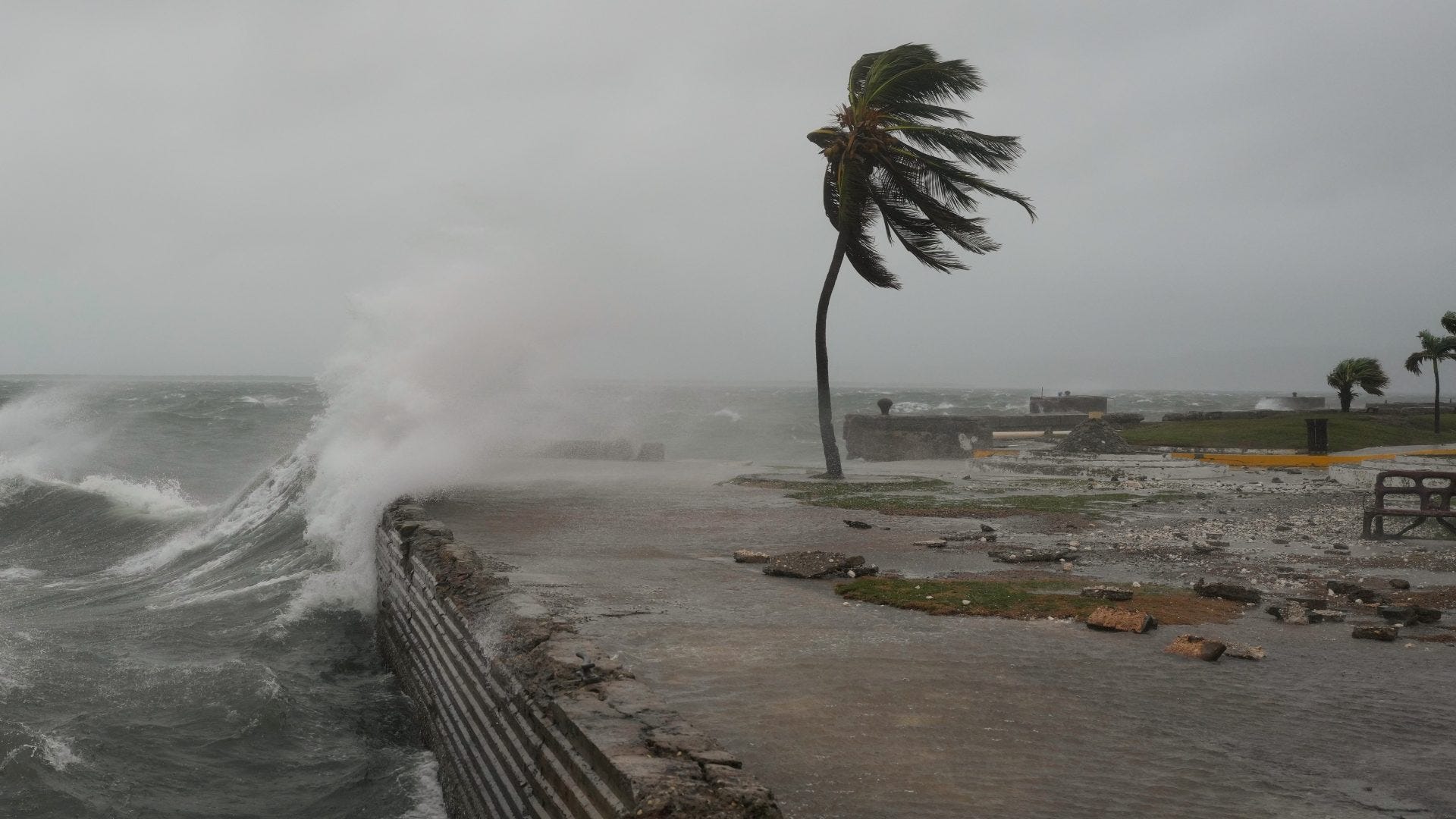
There are moments in a country’s life when everything stops pretending.
No press release.
No politics.
No polite language.
Just truth standing in the open.
That’s what happened when Hurricane Melissa crossed Jamaica.
Not just roofs gone.
Not just roads ripped open.
Not just farms flattened and coastlines chewed away.
What disappeared was the old comfort that Jamaica could rebuild forever without asking harder questions.
Because this time, the damage wasn’t random.
And it wasn’t distant.
And it wasn’t theoretical.
It landed on land titles, mortgages, hotels, farms, fishing beaches, townhouses, family yards, and unfinished developments.
And that’s where the real conversation begins.
This Wasn’t “Bad Weather” — It Was a System Failure
Jamaicans understand storms.
We’ve lived with them long before satellite images and weather apps.
But Melissa wasn’t just another bad season.
It was faster.
Stronger.
Hotter.
And more destructive than what the land itself was designed to absorb.
That didn’t happen by accident.
The seas feeding the storm were hotter than normal.
The energy available to it was abnormal.
And the speed at which it intensified caught everyone off guard.
This is what happens when global warming stops being a headline and starts being infrastructure stress.
Roads fail faster.
Buildings designed for yesterday collapse.
Insurance maths breaks down.
And property values start behaving unpredictably.
Climate change doesn’t arrive waving a flag.
It shows up as repair costs.
Land Never Lies — It Remembers Everything
Here’s what storms expose that brochures never will:
Which developments were rushed
Which coastlines were overbuilt
Which drainage plans existed only on paper
Which communities were already living on the edge
Land keeps score.
Floodplains remind us why they were floodplains.
Hillsides remind us why roots matter.
And reclaimed coastline reminds us that the sea never forgets what used to be hers.
Real estate is no longer just about location, location, location.
It’s about resilience, resilience, resilience.
“Land doesn’t argue with us — it responds to what we do. Every choice shows up eventually.”
— Dean Jones, Founder, Jamaica Homes
Rebuilding Isn’t the Hard Part — Paying for It Is
After the debris clears, one question always follows:
Who pays?
Not emotionally.
Financially.
Rebuilding stronger costs more than rebuilding fast.
Building for tomorrow costs more than repeating yesterday.
And when storms like Melissa become more common, the numbers stop being temporary.
Insurance premiums rise.
Coverage shrinks.
Banks tighten lending.
And entire areas quietly fall out of favour.
For homeowners, this isn’t abstract.
It’s mortgage renewals.
It’s valuation reports.
It’s the gap between what a property is worth on paper and what it costs to keep it standing.
Climate risk is now a financial variable — whether the spreadsheet admits it or not.
Jamaica Is Being Asked to Carry a Global Bill
Here’s the uncomfortable truth:
Jamaica didn’t create the problem that powered Melissa alone.
Yet Jamaica is expected to rebuild — quietly, responsibly, and repeatedly — as if this were normal wear and tear.
That’s the imbalance small countries face.
The same global system that benefited from decades of pollution now expects climate-exposed nations to absorb the consequences through loans, taxes, and austerity.
And if we accept that arrangement without question, it becomes permanent.
“If we only rebuild without demanding fairness, we teach the world that we’re willing to pay forever.”
— Dean Jones, Founder, Jamaica Homes
Property Is Where Climate Meets Power
This is no longer just an environmental issue.
It’s a property issue.
A development issue.
A financing issue.
A justice issue.
Who can afford to rebuild stronger?
Who gets insurance?
Which areas attract investment — and which are quietly written off?
Climate change doesn’t affect everyone equally.
It widens the gap between:
formal and informal housing
coastal wealth and inland vulnerability
insured assets and uninsured lives
Real estate sits right at the centre of that divide.
The Opportunity Hidden Inside the Damage
There is a way forward — but it requires honesty.
Jamaica can rebuild smarter:
climate-ready construction standards
better land-use decisions
development that respects natural buffers
financing models that reward resilience
But it also requires courage.
Courage to say this damage isn’t solely our burden.
Courage to challenge systems that profit without accountability.
Courage to connect climate reality to land, law, and money — not just sympathy.
The storm has already passed.
What matters now is what we choose to normalise.
After the Wind, We Decide Who We Become
Hurricane Melissa didn’t just change landscapes.
It tested values.
Whether Jamaica accepts rebuilding as a silent obligation — or reframes it as a moment to demand smarter development, fairer finance, and global responsibility — will shape the future of property on this island for generations.
Storms don’t define countries.
The decisions made after them do.
And this time, Jamaica is wide awake.