

Age is Nothing but a Number: Reflections on Life, History, and Home in Jamaica

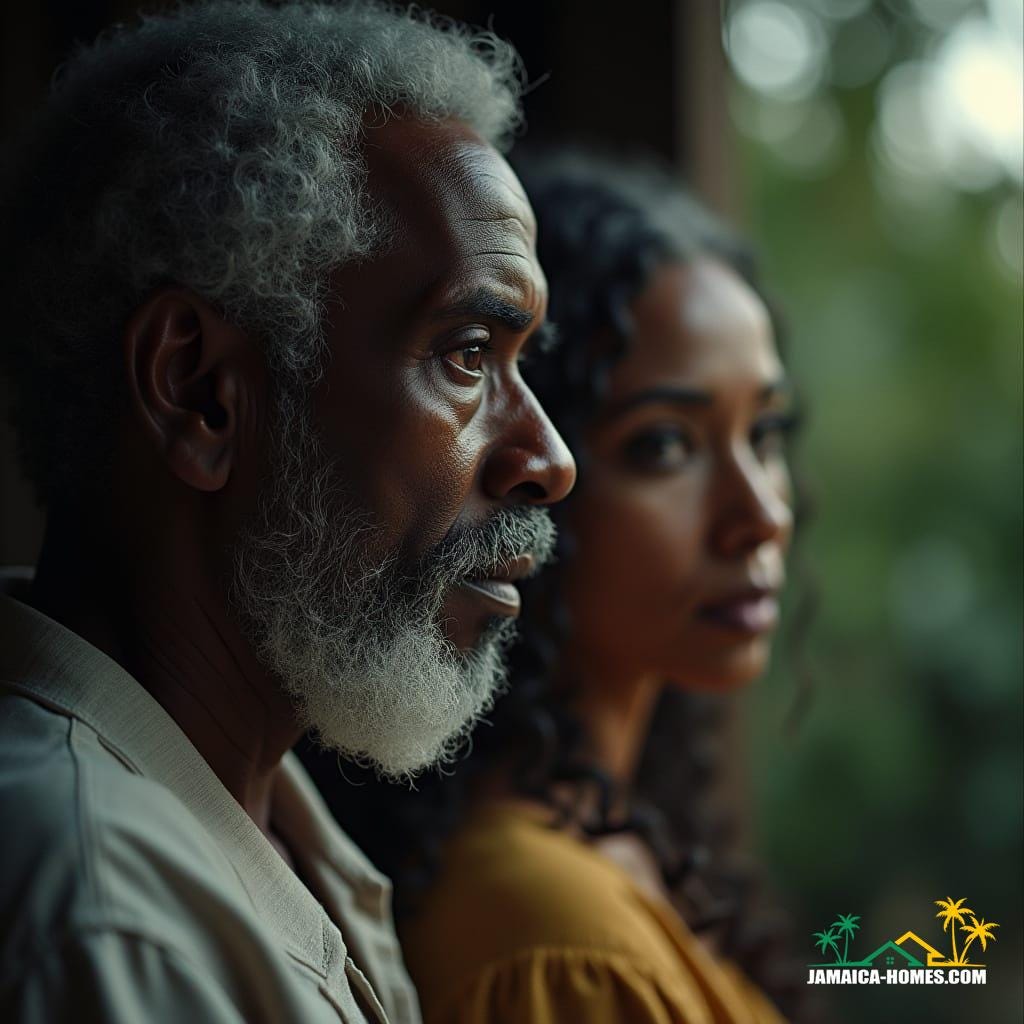
In Jamaica, the saying “age is nothing but a number” is often tossed around casually, sometimes with a wink, sometimes in jest—but it carries a deeper truth about the flexibility of life, ambition, and relationships. Whether in social dynamics, business, or personal choices, the phrase reminds us that chronological age does not define capability, desire, or relevance. And if we examine history and real estate, this idea takes on even more layers of meaning.
Youth and Wisdom Across Generations
Walk through any neighborhood in Kingston, Montego Bay, or rural parishes like St. Elizabeth or Portland, and you’ll notice a social phenomenon that mirrors this saying. Young women with older men, older women with younger partners—these arrangements are common enough to be part of the social fabric. There is no scandal in such pairings; rather, there’s recognition that energy, passion, wisdom, and stability can exist independently of age. In these partnerships, age is often secondary to what each person brings to the table: vision, mentorship, care, or even financial security.
This dynamic resonates beyond personal relationships. Jamaica’s history is full of examples where age, experience, and youthful innovation coalesce to create something meaningful. Consider historic estates, colonial houses, and plantations. Many were established centuries ago, yet they are inhabited, renovated, and repurposed today. The same land can host generations of owners, each bringing their own energy and perspective, demonstrating that history is alive and adaptable, not static.
Real Estate as a Bridge Between Past and Present
Real estate in Jamaica carries the weight of history. Properties are more than mere structures; they are repositories of culture, family legacy, and social memory. The large, multi-generational estates of old may have been built by predecessors with a very different lifestyle, yet today, younger generations often inhabit them, renovate them, and make them relevant to contemporary life.
In many ways, owning property in Jamaica is like stepping into a conversation across generations. The age of a house does not diminish its value—it can enhance it, offering character, architectural depth, and a sense of continuity. This mirrors the social maxim: just as a relationship or partnership does not need to conform to societal expectations around age, neither does a home lose relevance simply because it has history.
“Age is nothing but a number—not in love, not in life, and certainly not in real estate. What matters is how you live with what you have and make it work for you.”
This idea also extends to newer homeowners. Young Jamaicans today are buying into neighborhoods and properties that may have decades of history. They bring modern ideas, technology, and design concepts, layering them on top of historical foundations. Conversely, older homeowners are downsizing into contemporary developments with amenities they never imagined—proving that age is flexible, and relevance is maintained through adaptation and purpose.
Learning from the Past to Shape the Future
History teaches us that longevity, whether in relationships, careers, or property ownership, requires flexibility and adaptation. Jamaica’s historical homes, once estates of the wealthy or colonial landmarks, now serve multiple functions: family residences, boutique hotels, offices, and creative hubs. They survive because successive generations respect the past while integrating modern needs.
Similarly, in social relationships, age differences are navigated with mutual respect and understanding. Just as a historic house can be revitalized for modern use, partnerships across age groups can thrive when the focus is on shared values, energy, and vision rather than the number of birthdays celebrated.
The Market of Intergenerational Opportunity
Real estate in Jamaica offers unique opportunities for intergenerational collaboration. Younger buyers often purchase homes with the guidance or financial support of older family members, blending experience with ambition. Older homeowners sometimes sell or lease property to younger tenants or buyers, allowing the legacy of a home to continue while enabling them to pursue a more manageable lifestyle.
In both cases, the principle is the same: age is an instrument, not a limitation. The house, the land, or the relationship is the canvas, and those involved, regardless of age, paint it with vision and intention.
Reflections on Life, Love, and Property
The parallels between social life and real estate in Jamaica are striking. Consider a young woman partnering with an older man—not because of money alone, but because of guidance, stability, or shared ambitions. Similarly, a young family buying a home once owned by elders gains both shelter and the wisdom embedded in the property. Each scenario demonstrates that value is not strictly tied to age but to experience, intention, and engagement.
“History, like age, is only a number until we choose to live fully within it. Whether a home is 50 years old or five, its value comes from how we inhabit it, respect it, and adapt it to our lives.”
Ultimately, the saying “age is nothing but a number” invites us to reconsider rigidity in all areas of life. It challenges assumptions about who can lead, who can love, who can invest, and what is meaningful. In Jamaica, where land and homes carry legacies, and relationships span generations, the concept resonates profoundly.
It reminds us that the past is a foundation, not a cage. That energy, vision, and relevance are not dictated by the calendar. And that both homes and hearts can thrive across generations when treated with intention, respect, and creativity.
Concluding Thought
In every corner of Jamaica, from historic Kingston townhouses to rural St. Elizabeth estates, age is simply a measure, not a limitation. Young women with older men, older women with younger partners, and multigenerational homeowners all reflect the same truth: life, love, and property flourish when approached with curiosity, respect, and adaptability.
In the end, whether it’s a relationship or a home, it is not the number of years that matters—but the life you build within those years.