


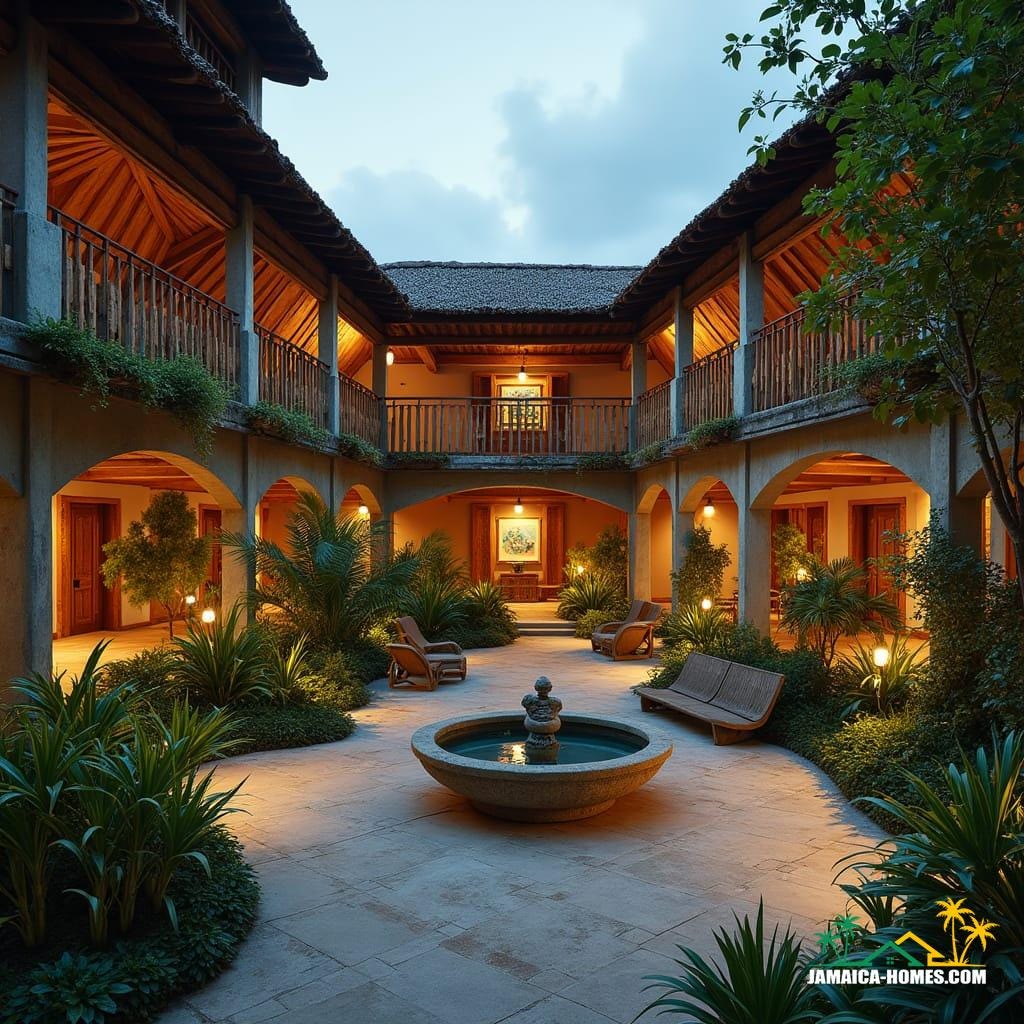
In property, we often talk about location. But in Jamaica, the real magic is how art and architecture intertwine with the island’s very soul — shaping not just where people live, but how they feel when they step inside.
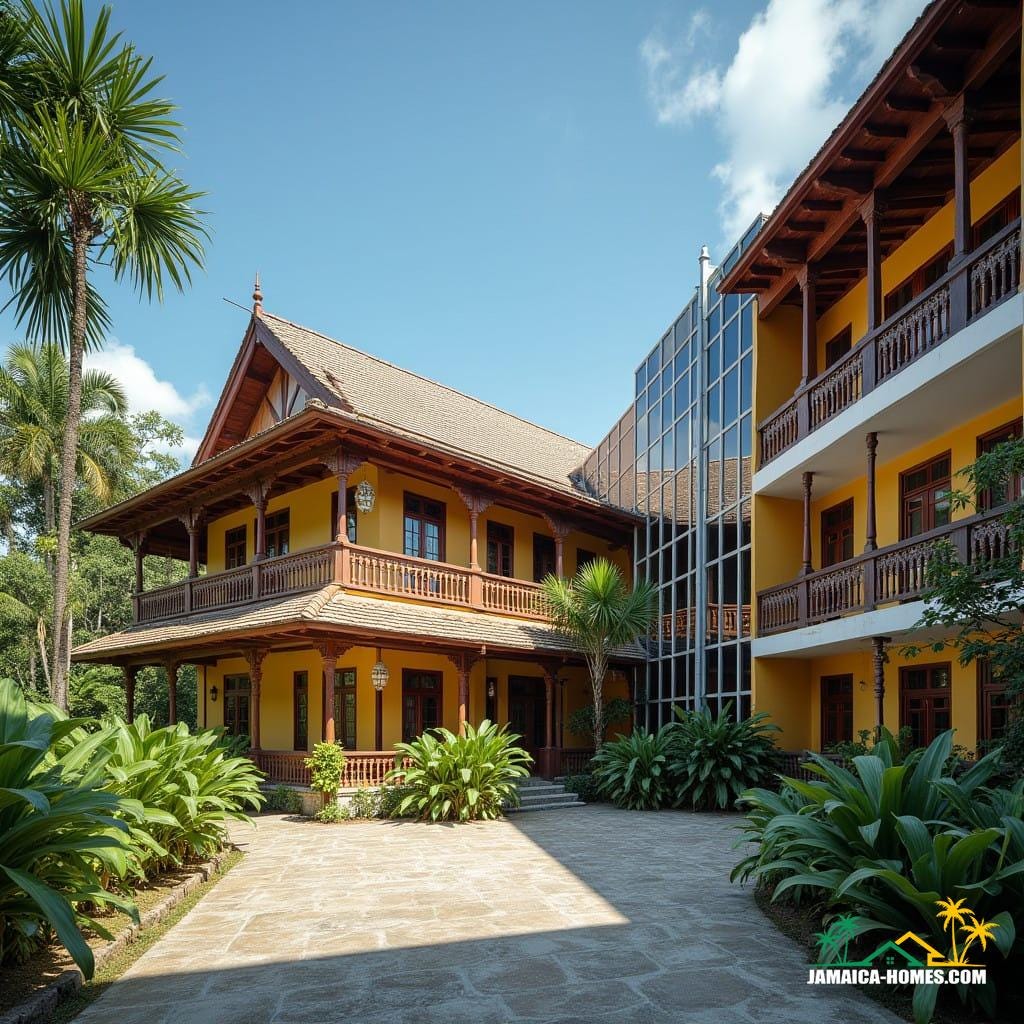
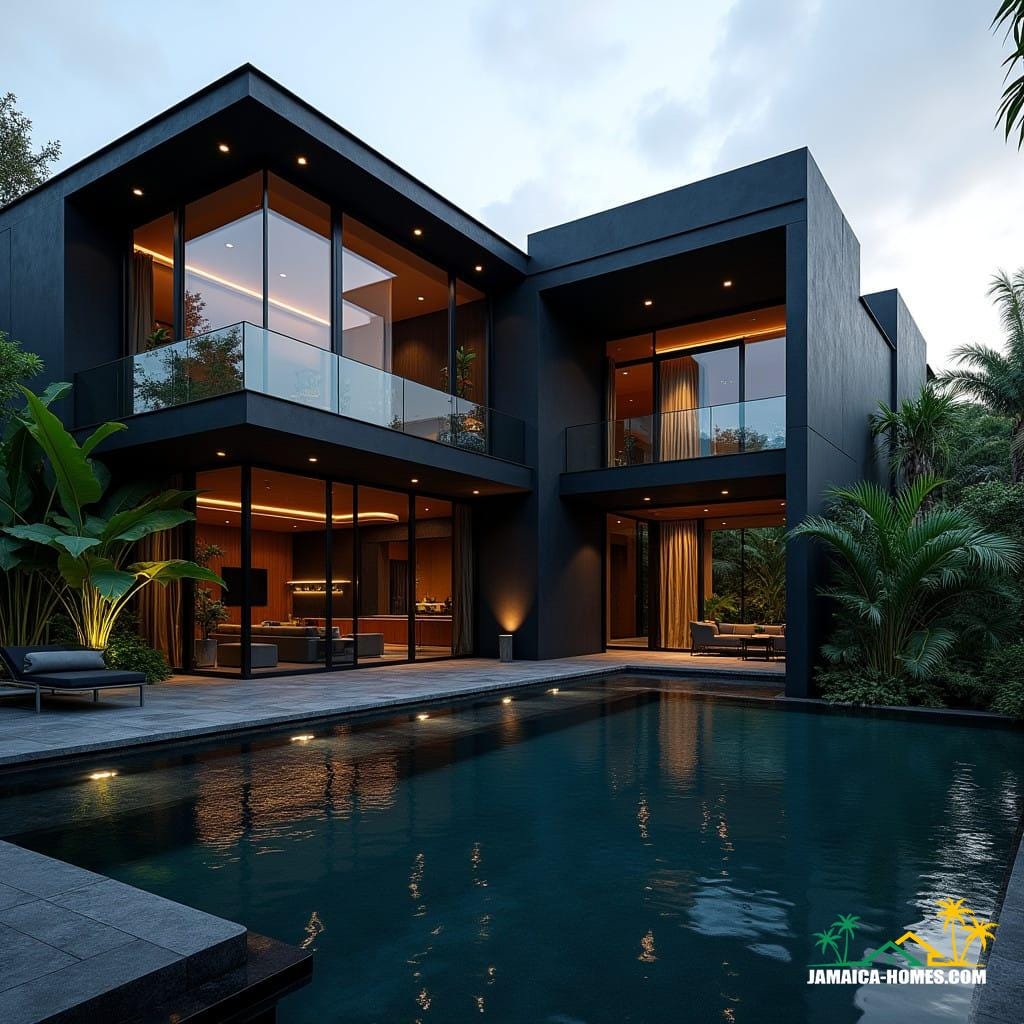
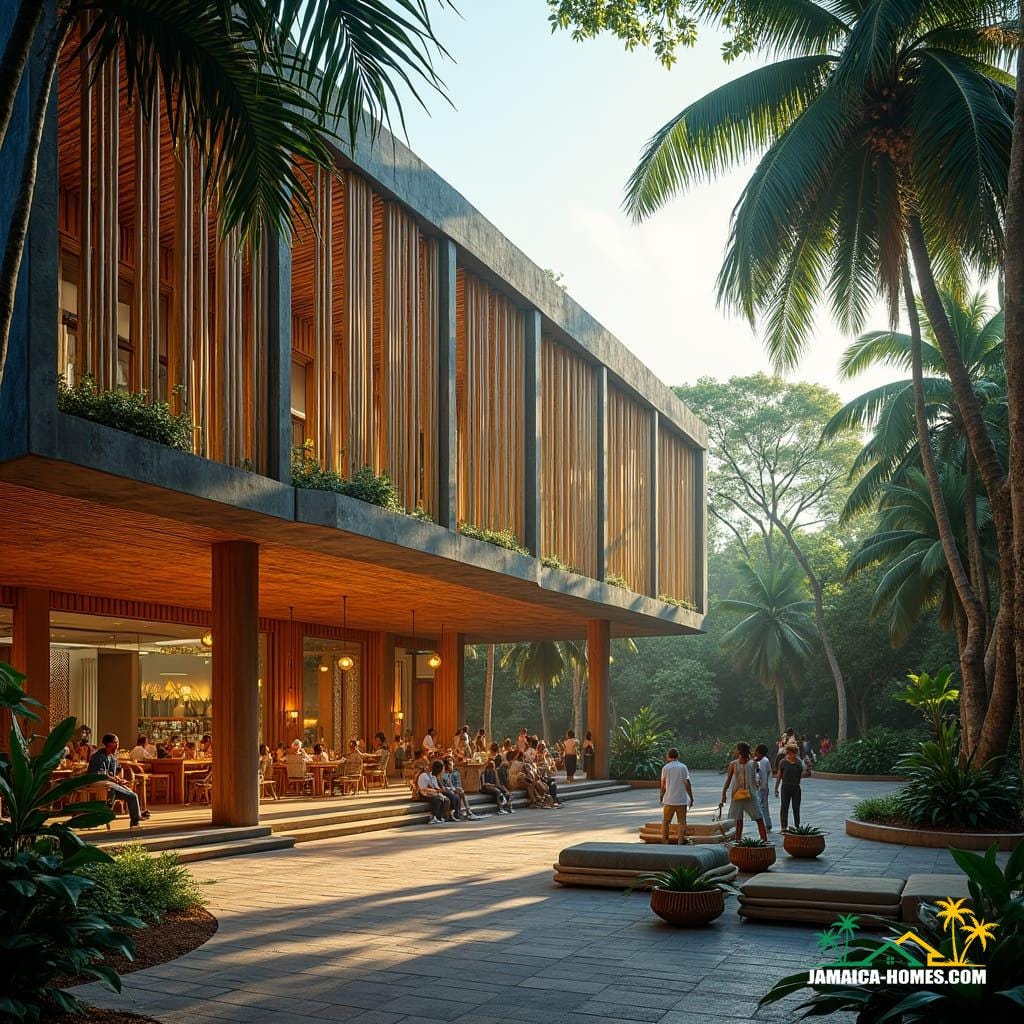
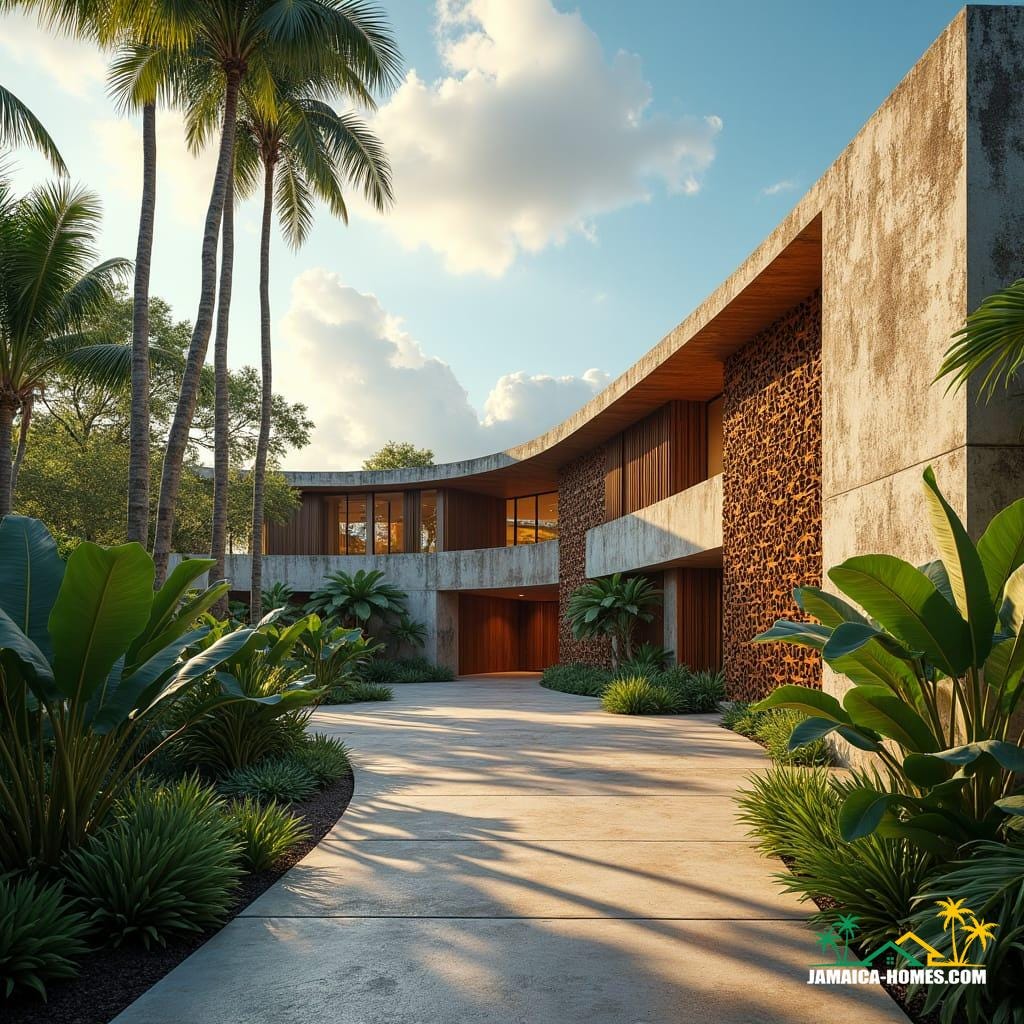
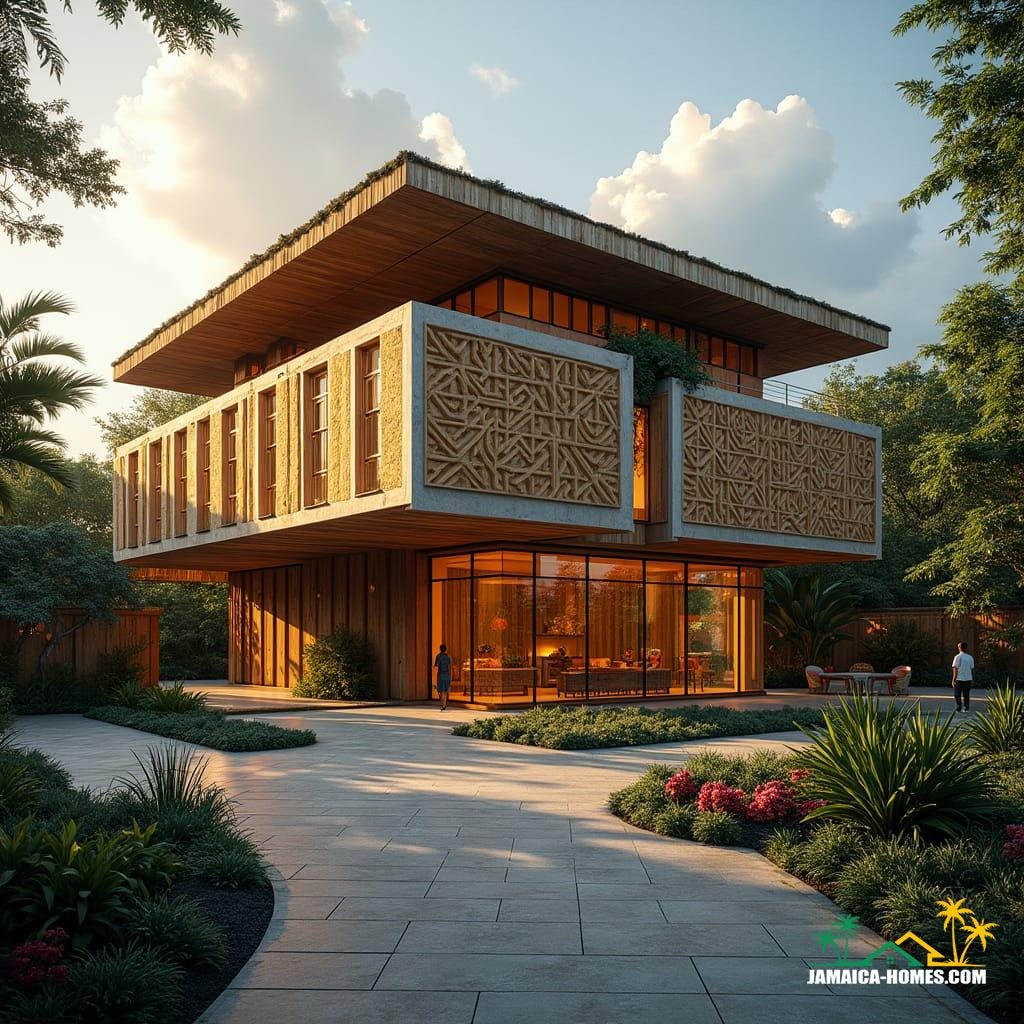
From the earliest cave etchings by the Arawak, to the bold murals splashed across Kingston’s streets today, Jamaica has always been in the business of building beauty — whether in stone, wood, or colour. And like any great home, its artistic and architectural expressions aren’t simply decoration; they’re identity, history, and ambition rendered tangible.
Art: The Island’s Painted Blueprint
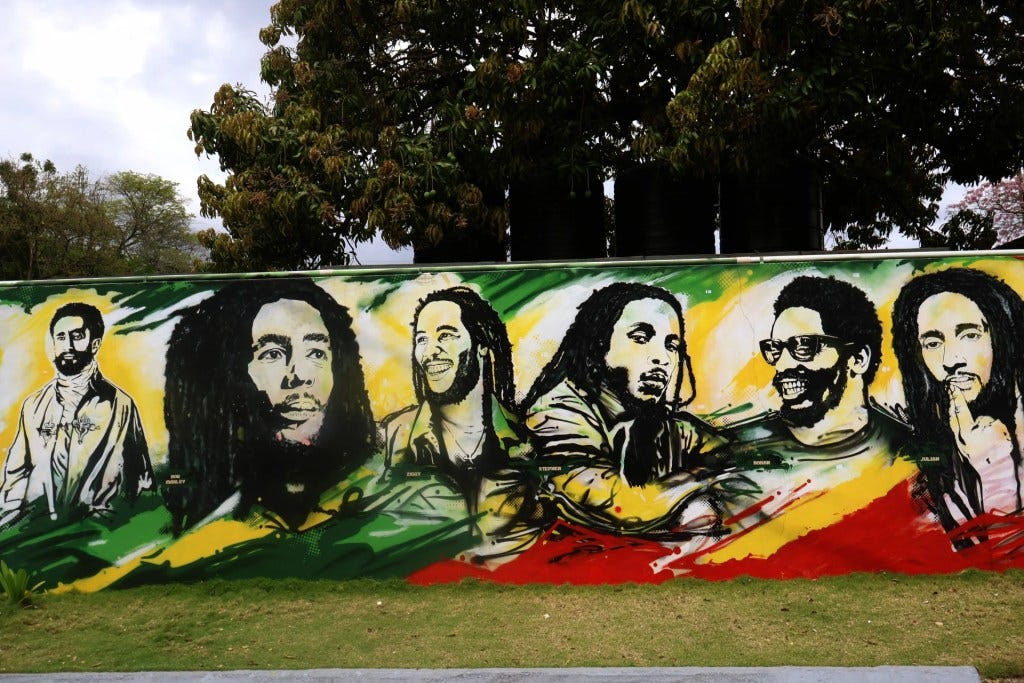
Walk through a Jamaican city and you’ll find yourself surrounded by “yard art” — street murals in vibrant blocks of colour, punctuated by political satire, family portraits, and dreamscapes of hills, beaches, and celestial visions. These aren’t the sterile canvases you’d find in some pristine gallery; they’re the open-plan living rooms of the people, exposed to sun, wind, and passerby commentary.
The roots of this creativity run deep. In the 19th and early 20th centuries, self-taught “intuitive” artists like John Dunkley — a barber who transformed every inch of his shop into a blooming, vine-covered wonderland — proved that great design doesn’t require formal training, just vision and persistence. Dunkley’s work, once dismissed, is now among the most sought-after art in the Caribbean, proof that a good foundation, however humble, can support something timeless.
From there, came a generation of trailblazers: Mallica Reynolds, Gaston Tabois, Sydney McLaren — all helping shape a national aesthetic as bold as the island’s sunsets. But it was Edna Manley — sculptor, activist, and, in property terms, the developer of Jamaica’s art scene — who truly built the framework. Her work at the Institute of Jamaica in the 1940s helped local artists claim their own creative square footage, free from colonial “European-only” design codes.
Today, Jamaica’s art world spans from high-value canvases in London and New York galleries to the spray-painted walls of Trench Town — a reminder that the country’s cultural portfolio is diverse, resilient, and constantly adding value.
Architecture: The Grand Designs of the Caribbean
If Jamaica’s art reflects its personality, its architecture reveals its structure. And my word, what a portfolio it has.
Colonial planters once used architecture as a statement piece — Georgian mansions with broad verandas, fretwork as delicate as a handcrafted balustrade, and pineapple finials crowning the rooflines. But this wasn’t style for style’s sake. The tropics demand adaptation: high ceilings to cool the rooms, wide overhangs to shade verandas, and houses lifted on stone or wooden pilings to deter floods, pests, and the occasional snake.
The great houses were, quite literally, the penthouses of the sugar empire — imposing, elevated, and designed to impress visiting dignitaries. Yet beyond these showpieces, there was also a quieter vernacular style: modest timber cottages angled to catch the trade winds, with kitchens placed strategically to avoid filling the living spaces with smoke. They may not have had marble staircases or imported chandeliers, but their proportions, airflow, and placement were masterful.
And here’s the clever bit: even in hurricane-prone areas, seasoned Jamaican carpenters knew to design porch roofs as detachable. Rather than compromise the main structure, these were loosely connected — sacrificial elements that could be replaced without losing the home itself. A lesson in resilience any modern developer should note.
From Tradition to Modern Towers
Post–World War II, Jamaica’s architecture split into two distinct design movements. Commercial and civic buildings leaned on the thick walls and narrow windows of historic forts — a nod to strength and permanence. Hotels and private homes, meanwhile, drew on the grace of great houses or the simplicity of traditional cottages, blending heritage with comfort.
By the mid-20th century, a new generation of Jamaican architects, many trained in North America, began reimagining the skyline. Vayden McMorris gave Kingston the PanJam Building and Victoria Mutual’s headquarters — modernist icons with a Caribbean sensibility. Wilson Chong, master of sweeping shell-shaped concrete, delivered the National Stadium — a structure as dramatic as any cathedral I’ve ever walked into.
Then there was H. Denny Repol, the hospitality architect of the north coast, designing hotels that balanced open-air luxury with functional resilience. His Jamaica Tourist Board headquarters in Kingston is a masterclass in workspaces that breathe — a concrete frame embracing a sunlit atrium filled with greenery.
What This Means for Real Estate
Here’s the truth: art and architecture aren’t just cultural extras — they’re capital. A home with authentic Jamaican design isn’t simply a building; it’s a piece of the island’s living history. A neighbourhood with strong creative identity isn’t just attractive — it’s magnetic to buyers.
The same way a perfectly proportioned Georgian great house draws the eye from a mile away, a well-placed mural or historically sensitive renovation can turn an ordinary property into a landmark. In Jamaica, good design doesn’t just increase property values — it deepens belonging.
Closing Reflection
If there’s one lesson to take from Jamaica’s art and architecture, it’s that great design is never just about appearances. It’s about creating spaces — on canvas and in concrete — that endure, inspire, and connect.
The island’s best buildings and artworks share a common blueprint: they work with their environment, tell a story, and leave a lasting impression long after the first viewing.
And perhaps that’s the greatest Grand Design of all — a home, a street, a skyline that feels not only beautiful, but undeniably Jamaican.