

Avoid the Pitfalls: Smart Moves for Selling Your Jamaican Home Without Regret

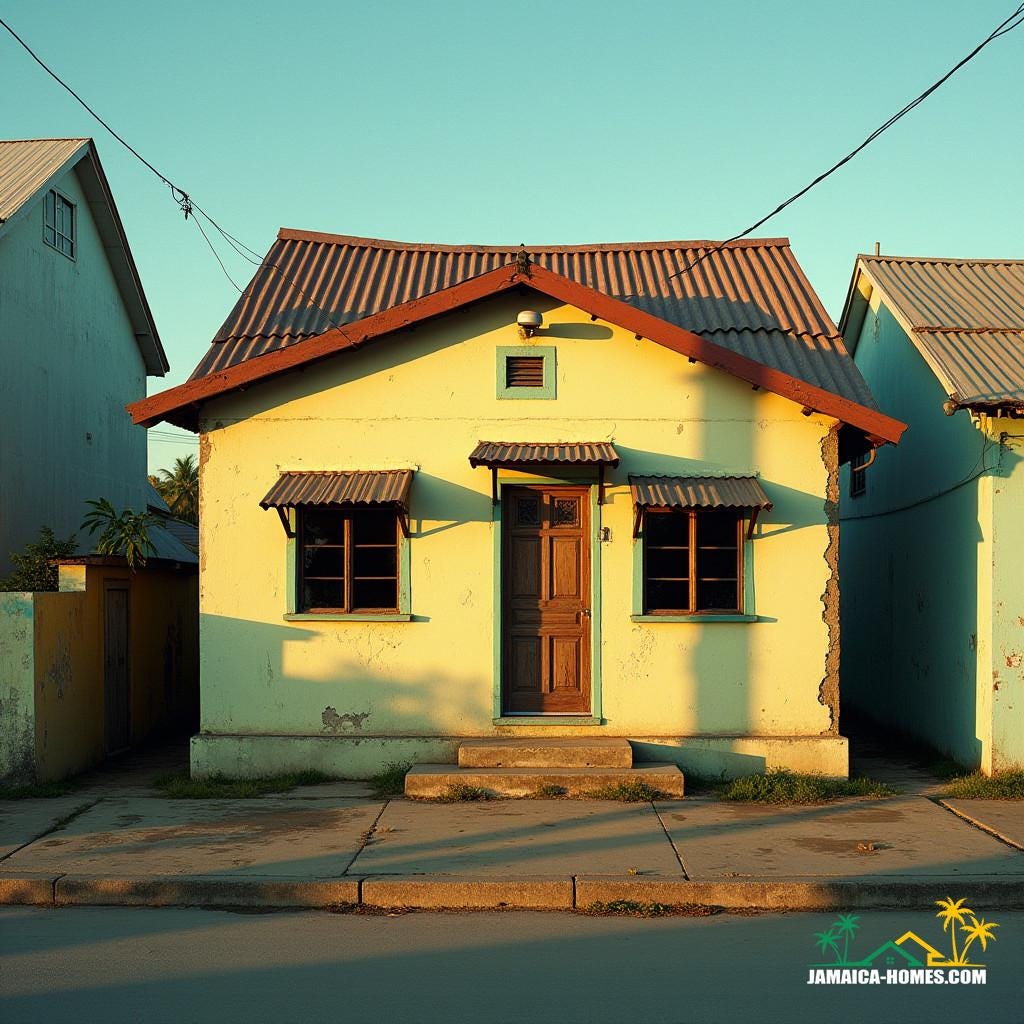
Selling your home in Jamaica can be one of the most empowering and financially rewarding steps you’ll take in your lifetime—if you do it right. Whether you’re moving abroad, upgrading, downsizing, or simply cashing in on your investment, the process is far from simple. Many homeowners unknowingly walk into the real estate market armed with good intentions but poor information. The result? Stress, delays, and lost money.
Let’s rewrite that script.
This comprehensive guide breaks down the most common mistakes Jamaican homeowners make when selling their properties—and how to avoid them with wisdom, strategy, and the help of a trusted real estate professional.
“Real estate is not just about property, it’s about people—and making smart, informed decisions that serve their legacy.”
— Dean Jones, Founder of Jamaica Homes
1. Overpricing Your Property: Don’t Let Pride Price You Out
It’s only natural to want a high return on your home—especially if you’ve spent years personalizing every inch. In Jamaica, where property values vary significantly between parishes, and even between neighbouring communities, this desire often leads to one of the biggest missteps: overpricing.
You may think, “Mi house well nice, mi nuh tek nuttin less than 60 million.” But beauty is subjective. Buyers are looking at hard data, market comparisons, and resale value. If your property is overpriced, it may linger on the market, sending the wrong message to potential buyers.
International insights, such as those from Investopedia, note:
“Setting a list price too high could mean your home struggles to attract buyers and stays on the market for longer.”
In Jamaica’s fast-evolving real estate market—where competition is increasing and savvy buyers are doing their homework—pricing correctly from the start is crucial.
How an Agent Helps:
A seasoned Jamaican realtor uses data from comparable listings, buyer behaviour patterns, and even foreign interest trends to set the right price. With the right price tag, you can attract multiple offers and even spark bidding wars.
“The house you live in has memories. The house you sell must have strategy.”
— Dean Jones
2. Wasting Money on the Wrong Upgrades: Think Before You Paint That Gate Gold
Many Jamaican sellers, eager to “spruce up” the place, pour money into renovations that don’t increase the home’s value. Whether it’s retiling the kitchen or installing chandeliers from the overseas barrel, you could end up over-investing.
Redfin estimates show a growing imbalance between sellers and buyers. Translation? More competition. But don’t let that push you into spending wildly.
Buyers in Jamaica today are practical. They want modern plumbing, sound roofing, and good drainage more than a flashy fountain or a driveway paved with broken tiles.
How an Agent Helps:
A good agent will walk through your property with a buyer’s eye. They’ll identify high-ROI updates—like fixing a leaky roof, painting faded walls, or upgrading energy efficiency—that will make your home more appealing and competitive in listings.
Witty Connotation Alert:
Sure, that red and green zinc fence might be giving “holiday vibes,” but it’s not the kind of curb appeal that seals a deal.
3. Refusing to Negotiate: Pride Before Profit
A familiar Jamaican trait is standing firm. “Mi nah drop a dollar!” While we admire confidence, the real estate market requires flexibility. Today’s buyers, especially those coming in from abroad or with mortgage-backed offers, expect a bit of give and take.
According to U.S. News:
“If you’ve received an offer that isn’t quite what you hoped for, expect to negotiate.”
Negotiation isn’t a loss; it’s a tool. Sometimes a small concession, like covering part of the closing costs or including appliances, can sweeten the deal and push the sale forward.
How an Agent Helps:
Your agent will serve as your buffer, handling awkward conversations and offering perspective on which requests are worth accepting. With proper negotiation, what seems like a loss could turn into a win-win.
“Sometimes the key to closing isn’t in the lock—it’s in the compromise.”
— Dean Jones
4. Choosing the Wrong Agent (or None at All): Not All ‘Link’ is a Good Link
In Jamaica, it’s common to ask a cousin, co-worker, or friend who “knows somebody” to help sell your home. But treating your biggest investment like a family picnic is risky. This is your asset—protect it.
Shockingly, 81% of sellers globally go with the first agent they meet. In Jamaica, that number may be even higher. Sellers often skip the vetting process, going with someone from church or someone who “looks the part.”
Why It’s a Problem:
An underqualified or unprofessional agent can cost you time, money, and peace of mind. Worse, some so-called “agents” in Jamaica aren’t licensed at all.
How to Vet an Agent in Jamaica:
Check for a Real Estate Board License (REDDA compliance is non-negotiable).
Ask for Sales History: What have they sold in the last year?
Read Reviews: Check for online testimonials and past client feedback.
Interview at Least Two: Don’t just go with the first handshake and a smile.
“Selling your house is a business decision—don’t let friendship cloud your judgement.”
— Dean Jones
5. Failing to Market the Property Properly: If They Don’t See It, They Won’t Buy It
Even the best-priced, beautifully staged home in Jamaica can sit unsold if nobody knows it’s on the market.
Too many sellers rely on “word of mouth” or a “For Sale” sign stuck in the gate. That may have worked in 1985. In today’s market, your buyer could be in Miami, Manchester, or Montego Bay, scrolling listings on their phone.
Your Home Needs:
Professional Photos & Drone Footage
Listings on Local and International Platforms
Social Media Campaigns
WhatsApp Blasts
Targeted Email Marketing
How an Agent Helps:
A qualified realtor knows how to get your property seen—online, offline, and overseas. Especially in Jamaica, where diaspora buyers drive a big part of the market, visibility is everything.
6. Not Understanding the Legal and Regulatory Steps: Miss a Stamp, Miss the Sale
From land titles and tax certificates to Letters of Possession and encumbrance checks—Jamaican real estate law has many moving parts. Overlooking any of them can delay, derail, or devalue your sale.
If your property isn’t properly registered, or if there are unresolved probate or family land issues, a cash buyer could walk away. Fast.
How an Agent Helps:
A knowledgeable agent works closely with lawyers, surveyors, and title offices. They ensure your documents are in order and guide you through every legal checkpoint.
7. Letting Emotions Get in the Way: It’s Business, Not Sentiment
Your house may hold decades of memories—but to a buyer, it’s just a structure with potential.
Sellers in Jamaica often take offence at comments like, “This kitchen is too small,” or “The tiles are outdated.” But reacting emotionally can sabotage a sale.
Keep your cool. Remember: feedback is gold. It helps you adjust and improve your offering.
How an Agent Helps:
They act as a buffer between your emotions and the buyer’s opinions. You don’t need to hear every critique—just the ones that matter.
8. Selling at the Wrong Time: Timing Is (Almost) Everything
Selling during a slump, or when there’s political uncertainty or major infrastructure work nearby, might lower your price.
While the Jamaican real estate market is relatively stable, certain months and even election seasons can impact buyer enthusiasm. Also, watch for hurricane season—many buyers hesitate to buy properties they can’t physically inspect.
A Good Agent Will Help You:
Time your listing right
Target active buyer groups (local vs diaspora)
Set a strategy that matches the market climate
Final Thoughts: Don’t Just Sell—Succeed
Selling your home in Jamaica is a bold, beautiful step forward. Don’t let simple mistakes become expensive regrets. Work with a licensed, experienced, and ethical agent who understands the market, the people, and the process.
Whether your house is in Kingston, Mandeville, St. Mary, or Negril—your real estate journey deserves professional guidance and strategic foresight.
“Selling a home is more than a transaction. It’s a transformation—from one chapter of your life to the next.”
— Dean Jones
Bottom Line
Avoiding the common seller mistakes in Jamaica means doing your homework, trusting the experts, and staying open to advice. From pricing to paperwork, negotiation to marketing—every detail matters.
Ready to sell smart? Link with a local agent who knows the terrain and has the track record to prove it. Let your home speak for itself—and let the right hands guide it to the right buyer.