

Barbados Puts Caribbean Finance in the Spotlight
IDB Invest’s Sustainability Week arrives in the region for the first time, placing private capital, climate resilience and long term development at the centre of a wider Caribbean investment conversat
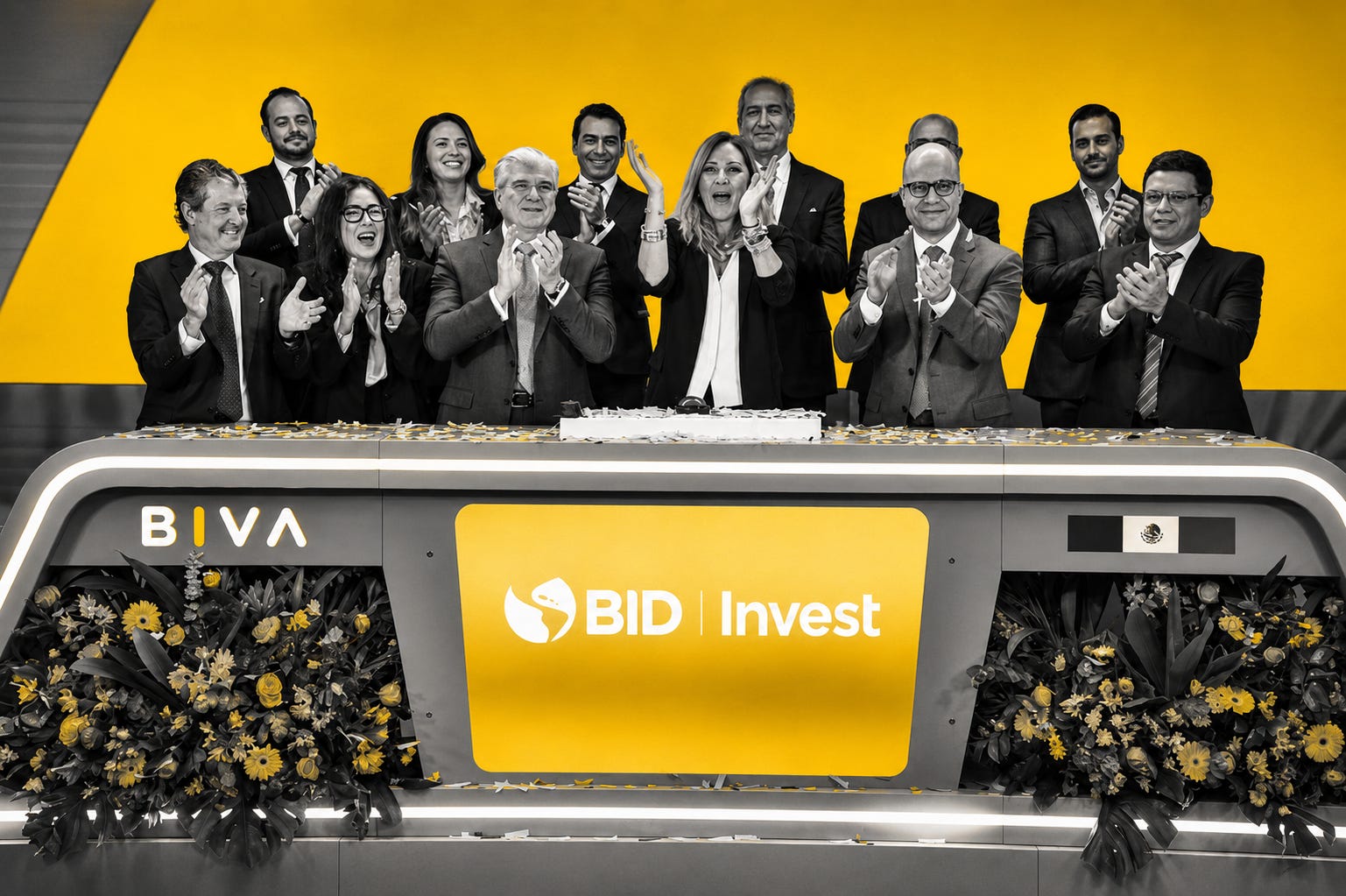
IDB Invest will open Sustainability Week 2026 in Barbados on Tuesday, bringing its flagship private sector investment forum to the Caribbean for the first time and placing the region at the centre of a wider debate over sustainable finance, climate resilience and long term growth.
The event is expected to convene senior government officials, investors, financial institutions and corporate leaders from across Latin America and the Caribbean, with discussions focused on how private capital can help strengthen markets and support development priorities across the region.
The Barbados staging carries particular significance for the Caribbean, where governments continue to face the combined pressures of climate vulnerability, infrastructure needs, tourism dependency, food security concerns and limited fiscal space. For small island economies, the question is not only how to attract investment, but how to shape that investment so it produces durable economic and social benefits.
Sustainability Week is IDB Invest’s main platform for engaging the private sector on capital mobilisation, market development and investment flows. This year’s agenda is expected to cover financial markets, critical minerals, agribusiness, tourism, infrastructure and climate related investment, with emphasis on risk management, innovation and bankable project development.
The opening day will feature Prime Minister Mia Mottley of Barbados, IDB Invest Chief Executive James Scriven and Caribbean Development Bank President Daniel Best, alongside executives from regional and international firms active in banking, insurance, tourism, consumer goods, agribusiness and other sectors.
For Barbados, the forum builds on the country’s growing profile in global climate finance. The island has become closely associated with efforts to rethink how vulnerable economies access capital, including through debt and resilience financing models designed to fund adaptation without deepening fiscal strain. Reuters reported in 2024 that Barbados had completed a debt for climate resilience swap intended to support water infrastructure, food security and environmental protection.
The wider regional question is whether events of this kind can move beyond dialogue and help convert investor interest into practical projects. Caribbean economies need capital for resilient housing, ports, water systems, renewable energy, agriculture, tourism upgrades and insurance solutions. Many of those needs are clear. The harder task is preparing projects that are investable, transparent and capable of attracting long term financing.
Organisers say the Barbados forum is intended to deepen public and private sector dialogue and connect investors with concrete opportunities across the region. Sustainability Week will continue with sessions on financing mechanisms, climate resilience and emerging investment sectors.