


Parish: St. Thomas
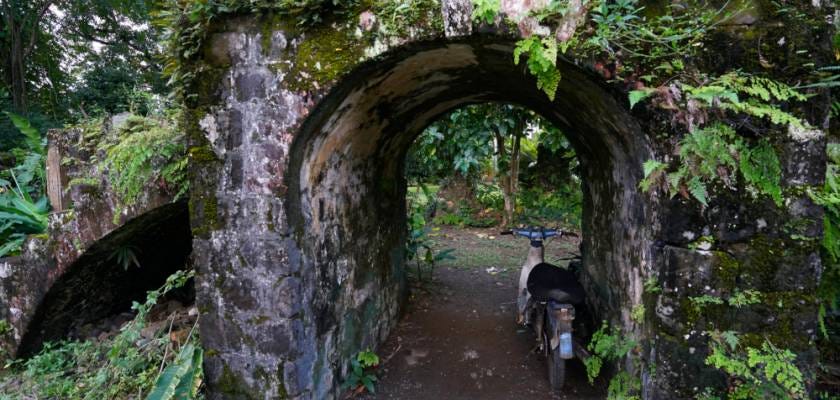
Bath Botanic Garden, located in the parish of St. Thomas, holds an important place in Jamaica’s history as one of the oldest botanical gardens in the Western Hemisphere. Established in 1779 by an act of the Jamaica House of Assembly, it is believed to be the second oldest garden of its kind in the region, just behind the botanical garden in St. Vincent, which was founded in 1755. The creation of Bath Botanic Garden came shortly after the establishment of the town of Bath, and the land for the garden was set aside for both recreational and economic purposes, with a focus on growing plants that were useful to both the local community and the island as a whole.
The garden was not just a beautiful place for visitors to relax—it also played an essential role in Jamaica’s economy. Medicinal plants were planted for their healing properties, and the garden became an important destination for those visiting the nearby Bath Mineral Spa, which was well known for its therapeutic waters. At first, the garden was managed by Dr. Thomas Clarke, who was also a physician at the Bath Hospital. Later, Dr. Thomas Dancer, the island’s botanist, took over the management, continuing the work of cultivating and expanding the garden.
Over the years, Bath Botanic Garden became a vital center for plant introduction to Jamaica. Many plants from around the world were brought to the garden and, from there, spread to other parts of the island. Notable introductions included crops like cinnamon, jackfruit, croton, jacaranda, and bougainvillea, which contributed to the island’s rich variety of flora. Among the most significant plants introduced was the breadfruit, brought to Jamaica by Captain William Bligh aboard the HMS Providence in 1793. Breadfruit, now a staple food in Jamaican cuisine, was just one of many plants that found a home in the fertile soil of Bath.
In addition to the plants brought by Captain Bligh, the garden also benefited from plants acquired in 1782 when a French ship was captured by Admiral Rodney. The cargo, which contained a range of economic plants, was brought to Bath Botanic Garden and contributed to the diversity of the species grown there.
However, despite its early success, Bath Botanic Garden began to experience decline in the mid-1800s. Repeated flooding by the nearby Sulphur River, combined with the opening of the Castleton Botanic Garden in St. Mary in 1860, led to a decrease in the garden’s prominence and maintenance.
Today, Bath Botanic Garden remains a testament to Jamaica’s botanical heritage, though it faces challenges from the passage of time and environmental factors. Still, it stands as a reminder of the early days of plant cultivation and the role of gardens in shaping Jamaica’s agricultural history. Whether for its medicinal plants, its role in bringing new crops to the island, or simply as a peaceful place to enjoy nature, Bath Botanic Garden holds a special place in the heart of Jamaica’s botanical legacy.