


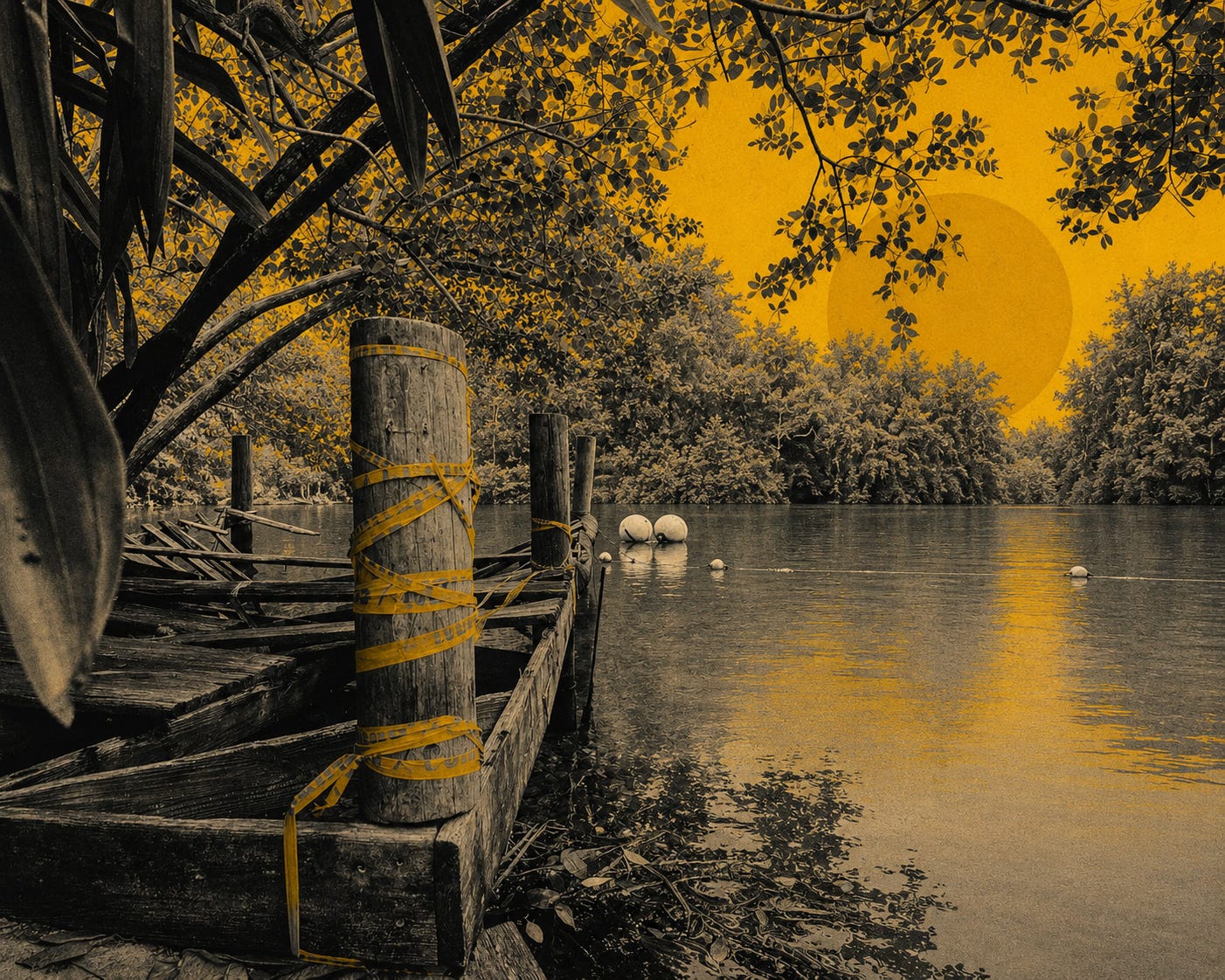
A growing legal battle over access to some of Jamaica’s most well-known beaches is drawing attention to a broader national debate about land use, development and who ultimately benefits from the country’s coastal assets.
Several court cases involving beaches in St Ann, Portland, St Andrew and St James have brought long-standing tensions into sharper focus. Community groups argue that public access routes have been restricted or lost over time, while developers and policymakers contend that tourism investment remains essential to economic growth.
Although the dispute centres on beaches, the issues extend far beyond recreation. At its heart is a question that increasingly shapes real estate and development discussions across Jamaica: how should the country balance private investment with public access to land and natural resources?
More Than a Tourism Debate
For decades, tourism has been one of Jamaica’s most important economic sectors, generating employment, foreign exchange earnings and infrastructure investment.
Many of the country’s largest tourism developments are located along prime stretches of coastline, creating significant demand for beachfront land. As hotel construction, luxury villa projects and tourism-related investment continue to expand, pressure on coastal communities has increased in some areas.
Campaigners involved in the current court actions argue that access routes traditionally used by residents, fishers and vendors have gradually disappeared or become restricted. Government officials maintain that efforts are being made to improve public access while still facilitating investment and development.
Regardless of where individual Jamaicans stand on the issue, the dispute highlights a reality often overlooked in property discussions: land is not simply an economic asset. It is also connected to culture, community identity and long-established patterns of use.
Why This Matters for Real Estate
The beach access debate may appear separate from the housing market, but the underlying questions are closely linked to real estate.
Coastal land remains among the most valuable property in Jamaica. Tourism growth, overseas investment and demand for vacation homes have contributed to rising land values in several resort parishes over the past two decades.
As values increase, competing interests inevitably emerge.
Developers seek opportunities to create projects that generate economic returns. Communities often seek to preserve access to spaces they have used for generations. Governments must balance investment, environmental protection and public benefit.
These tensions are not unique to Jamaica. Similar debates have emerged across the Caribbean as tourism-driven development expands into areas traditionally used by local residents.
For Jamaica, however, the issue is particularly significant because so much of the country’s economic activity is concentrated along the coast.
The Legacy of Land Ownership
The current disputes also reflect deeper historical questions surrounding land ownership and access.
Many of Jamaica’s modern land administration systems evolved from legal frameworks inherited during the colonial period. While significant reforms have taken place since Independence, debates continue regarding public access, Crown lands, customary use and long-established pathways.
The court cases now emerging could help clarify how some of these principles should be interpreted in a modern Jamaica where tourism, development and environmental protection increasingly intersect.
The outcome may have implications beyond beaches alone.
Questions about access rights, public use and development pressures can also arise around rivers, wetlands, community open spaces and other environmentally sensitive areas.
Development Pressures Continue
The timing of the debate is notable.
Jamaica is simultaneously pursuing ambitious development objectives. New tourism projects, housing developments, infrastructure works and resilience initiatives continue to reshape parts of the country.
Following Hurricane Melissa, national attention has increasingly focused on reconstruction, economic recovery and climate resilience. Policymakers argue that investment remains essential if Jamaica is to strengthen infrastructure and create opportunities for future growth.
Yet growth itself often raises difficult questions about who benefits and how development should be managed.
In some communities, residents see new investment as a source of jobs and economic opportunity. In others, concerns emerge about affordability, displacement and access to spaces that were previously shared.
The challenge for policymakers is not whether development should occur, but how it can occur in a manner that balances private investment with public interest.
A Wider Conversation About Place
Behind the legal arguments lies a broader national conversation about place, belonging and ownership.
For many Jamaicans, beaches are not viewed solely as tourism assets. They are places associated with family gatherings, fishing traditions, recreation and cultural identity.
As land values rise and coastal development intensifies, those emotional and social connections can come into conflict with commercial pressures.
This helps explain why beach access debates often generate strong public reactions. The discussion is rarely just about a pathway or a fence. It frequently reflects wider concerns about who has access to Jamaica’s most valuable spaces and how those spaces should be shared.
Looking Ahead
The courts will ultimately determine the legal questions at the centre of the current disputes. However, the wider issues are unlikely to disappear.
As Jamaica continues to attract tourism investment and pursue economic growth, similar conversations are likely to emerge around land use, environmental stewardship and public access.
For the real estate sector, the lesson is clear. Successful development increasingly depends not only on financial viability but also on community confidence and public trust.
The beaches at the centre of today’s legal challenges may represent only a small portion of Jamaica’s coastline. Yet the questions they raise reach much further, touching on the future of development, ownership and how Jamaicans experience the places they call their own.
As the country continues to build, invest and grow, finding that balance may become one of the most important land-use challenges of the coming decade.