


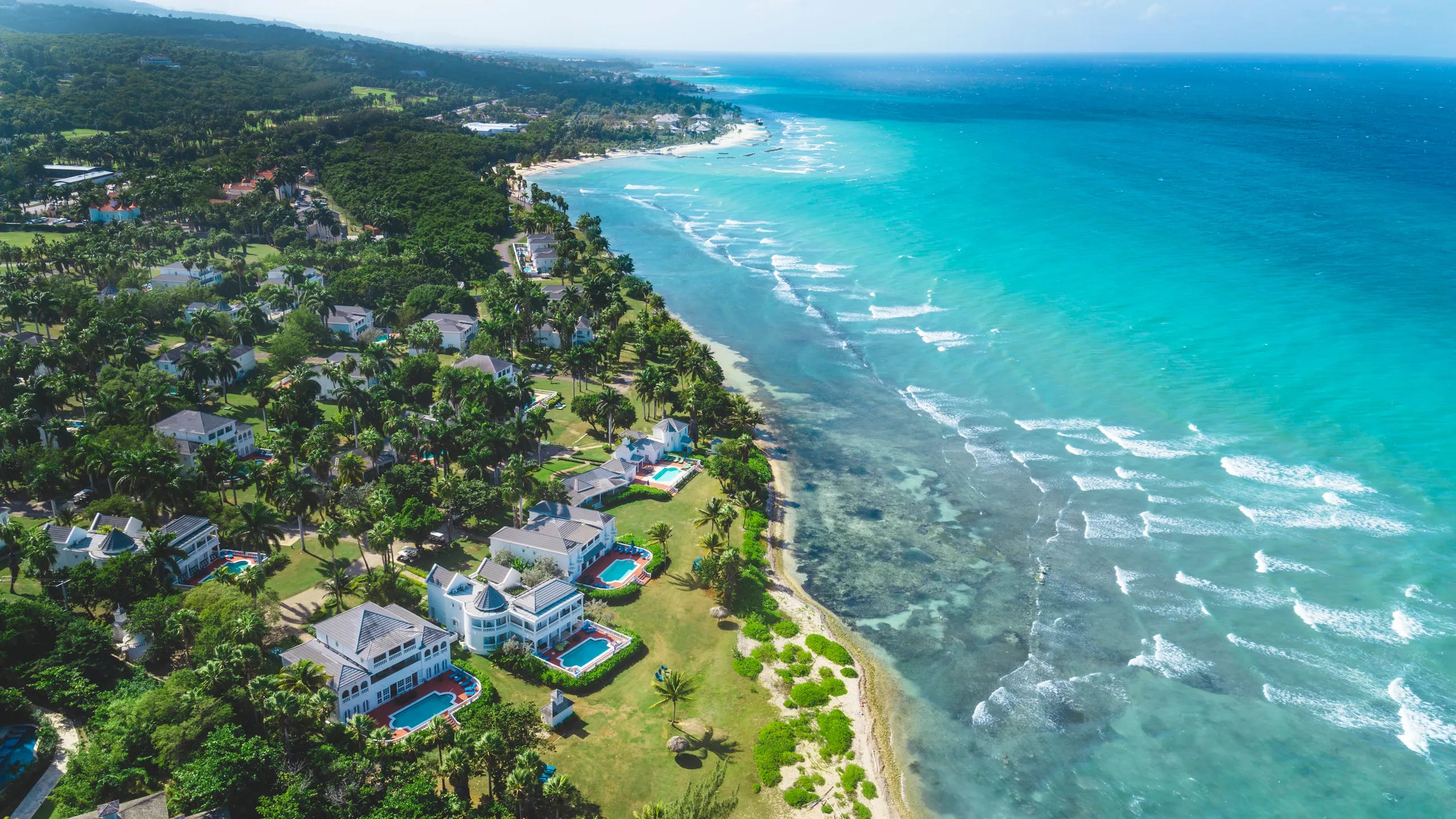
Black River, St. Elizabeth – July 2025
In a bold and transformative move, Jamaica has named Black River—the coastal capital of St. Elizabeth—as its third city, following in the footsteps of Kingston and Montego Bay. This announcement comes as part of a broader national strategy to decentralize development, boost regional economies, and create new growth opportunities outside the island’s traditional urban centers.
While the designation may come as a surprise to some, for those familiar with Black River’s storied past, the decision feels like a homecoming. Once hailed as one of the most progressive towns in the Western Hemisphere, Black River’s elevation to city status signals both a nod to its rich legacy and a commitment to its promising future.
A Historic Beacon of Innovation
Founded in the late 17th century and gaining prominence during the 18th and 19th centuries, Black River was once the crown jewel of Jamaica’s south coast. By the early 1900s, it had etched its name into Caribbean history for achievements far beyond its size. It was the first town in Jamaica to receive electricity in 1893 and one of the first in the Caribbean to have a telephone system. Notably, Black River’s iconic Waterloo House was the first in the island to be electrified, years before other major towns.
During the height of the logwood and sugar trades, Black River was one of the busiest ports on the island, serving as a key export hub for St. Elizabeth’s agricultural wealth. Merchants, mariners, and missionaries from Europe and North America once passed through its shores, making it a cosmopolitan town ahead of its time. Steamships from Europe anchored in its deep natural harbor, delivering goods and ideas that helped shape Jamaica’s early modern era.
As a seat of affluence and innovation, the town also became known for its stately Georgian architecture, quaint charm, and, above all, its spirited people—fishermen, educators, artisans, and farmers who formed the backbone of what was once Jamaica’s most advanced municipality.
A New Era of Strategic Development
Fast forward to 2025, and Black River is once again being positioned as a keystone in the nation’s development narrative. The designation of city status is not merely symbolic; it represents a concrete shift in policy direction. The government has committed to a multi-tiered urban expansion plan that includes infrastructure upgrades, housing development, digital integration, and targeted investment in healthcare, education, and commerce.
According to national development sources, Black River’s elevation is the cornerstone of a long-term vision to “unlock the productive capacity” of Jamaica’s southwest region. It forms part of a three-city development model aimed at balancing the economic focus that has long centered on the capital Kingston and the tourist mecca Montego Bay.
Planned initiatives include expanded public transportation routes, improved water and sewage systems, and zoning adjustments to allow for higher-density housing and commercial activity. There is also a strong push for tech-enabled services, including e-governance platforms and broadband expansion, in keeping with Jamaica’s digital transformation goals.
A new municipal campus is expected to house government offices, including satellite branches of national agencies, thereby reducing the need for St. Elizabeth residents to travel to Mandeville or Kingston for services. A waterfront redevelopment plan is also on the table, potentially transforming the picturesque Black River Bay into a commercial and recreational attraction with eco-conscious design.
Challenges and Community Voices
Despite the fanfare, residents and stakeholders are cautiously optimistic. Some fear that rapid urbanization could erode the small-town charm that defines Black River, while others are concerned about the affordability of future development.
“We welcome investment, but we don’t want to become just another place with big buildings and no soul,” says a local school principal who has lived in Black River for over 30 years. “We want development that respects the environment, our culture, and our people.”
Indeed, Black River sits at the mouth of the Great Morass—an expansive wetland that is home to rare birds, crocodiles, and plant species. Environmental advocates are urging that the city’s growth be sustainable and ecologically responsible, especially given the town’s historical relationship with the Black River, one of Jamaica’s longest and most scenic rivers.
“We cannot ignore the ecological significance of this area,” says one local conservationist. “As the third city, Black River must also lead in showing how Jamaica can develop without destroying what makes it unique.”
Economic Potential and Housing Market Watch
With city status, Black River is expected to see an influx of investment, including in the real estate and hospitality sectors. Already, property agents have reported a renewed interest in land sales and rentals in the wider St. Elizabeth parish. However, market analysts warn that expectations should be tempered.
“The market is still catching up to the news,” said one independent real estate consultant. “There’s excitement, yes—but Black River is not yet Montego Bay or Kingston. Local wages, purchasing power, and rental affordability will shape what’s realistic.”
The city’s designation could also become a boost for small businesses and the informal economy. Craft vendors, restaurateurs, tour operators, and farmers could benefit from increased traffic and services, especially if development plans prioritize community participation and rural-urban linkages.
Reclaiming a Storied Identity
In many ways, the naming of Black River as Jamaica’s third city is less about turning it into something new and more about helping it reclaim what it once was: a place of progress, dignity, and pride. Unlike modern boom towns built from scratch, Black River’s bones are historic. Its elevation is not a beginning—it’s a return.
Local historians have long championed Black River’s status as one of the most advanced towns in the British West Indies during the 19th century. With new investment, that narrative might finally catch up to the present, giving residents a reason to believe not just in the promise of Black River, but in the promise of a Jamaica where every region has its place to shine.
“This town was once the future,” said one elder resident. “Maybe it can be again.”
Disclaimer:
The information provided in this article is for general informational purposes only. While every effort has been made to ensure accuracy, details may be subject to change based on official government updates or policy decisions. This article does not constitute professional advice, and readers are encouraged to consult official sources or relevant authorities for the most current information.