

Breaking Ground in Jamaica: Why New Builds Could Be the Smartest Move You’ll Ever Make

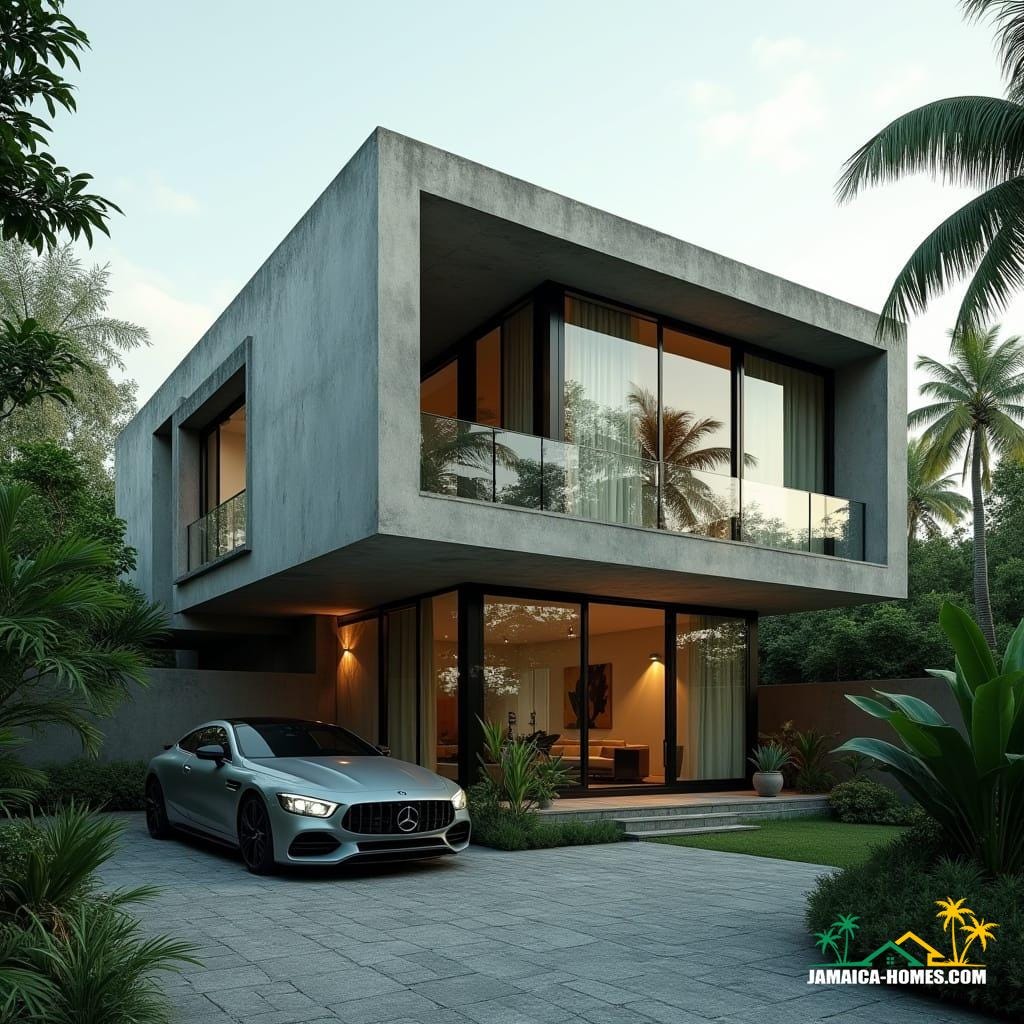
The Jamaican real estate market is a fascinating blend of tradition and transformation. On one hand, we have grand colonial homes and charming wooden structures with wide verandas whispering stories of another time. On the other, sleek, modern apartments and gated communities are rapidly changing our urban and suburban landscapes.
Yet, despite this visible growth, many Jamaicans — and returning residents from the diaspora — continue to say the same thing: “Mi just cyaa find a house that feels right.” Sometimes the issue is layout. Sometimes it’s the outdated finishes that scream 1980s more than 2020s. Other times, the problem is simply that too many homes on the market look exactly the same, leaving buyers uninspired.
That’s why a growing number of buyers are shifting their attention to new construction — homes built fresh from the ground up, and increasingly, with incentives designed to make them more accessible.
As Dean Jones, founder of Jamaica Homes, reminds us:
“In Jamaica, we’re not just building houses. We’re building legacies. A home should reflect your story, your future, and your aspirations.”
Why New Builds Are Gaining Attention in Jamaica
Unlike in the United States, where large-scale builders often flood the market with unsold homes, Jamaica’s construction pace is different. Here, supply rarely keeps up with demand — particularly in desirable areas like Kingston, Montego Bay, St. Ann, and Portland. Developers know this, and that’s why you’ll notice new construction prices generally carry a premium.
But here’s where it gets interesting: developers in Jamaica have also realized the importance of adding value beyond bricks and mortar. More and more, we’re seeing new homes that are energy-efficient, thoughtfully designed for modern families, and infused with features that appeal to younger buyers and returning Jamaicans who want quality comparable to overseas standards.
Builders, though fewer in number compared to the U.S., are still motivated by the same thing: not sitting on inventory. If they build five townhouses in Manor Park or ten villas in Montego Bay, they don’t want them sitting unsold. Time is money, and in Jamaica, carrying costs — from land loans to maintenance — are no small matter.
This opens up opportunities for negotiation, whether through subtle price adjustments, financing incentives, or added perks such as appliances, security systems, or landscaping packages.
Incentives, Jamaican Style
In the U.S., builders are cutting prices or offering “rate buy-downs.” But let’s be honest — Jamaica’s mortgage market works differently. Interest rate buydowns aren’t common here. Instead, incentives often come in more tangible, lifestyle-focused forms. For instance:
Closing Cost Assistance: Covering part of the stamp duty, transfer tax, or attorney fees.
Appliance Packages: Think stainless steel refrigerators, stoves, or even inverter AC units.
Security Features: Gated entry systems, smart cameras, or solar-powered lighting.
Upgrades at No Extra Cost: Granite countertops instead of basic tiles, higher ceilings, or extra parking spaces.
Dean Jones puts it well:
“The smartest incentive is not always cash. In Jamaica, it’s about peace of mind. Give a buyer a home that feels ready from day one, and you’ve already won them over.”
Why This Matters for Buyers
When you’re buying in Jamaica, you’re not just investing in four walls. You’re investing in:
Bigger kitchens and open layouts – designed for entertaining family and friends.
Energy efficiency – solar water heaters, LED lighting, inverter ACs.
Smart-home readiness – increasingly attractive to younger buyers and diaspora investors.
Fewer repair headaches – new homes often mean no need for a mason, plumber, or carpenter on speed dial.
And here’s the witty connotation promised: Unlike that “fixer-upper” in Stony Hill that drains your pockets faster than a goat finding its way into your yam field, new builds offer the priceless gift of starting fresh without the never-ending patchwork.
The Reality Check
Now, before we start thinking every new build is a dream waiting to happen, let’s be clear: not all developments are equal. Some are rushed, poorly designed, or priced far above market value. That’s why having a savvy real estate advisor is crucial.
Builder sales reps, whether here or abroad, are paid to represent the developer’s best interests — not yours. Their job is to close the deal. Your job is to protect your investment.
An experienced agent will:
Analyze whether the “incentive” really adds value.
Spot hidden pitfalls in the contract.
Negotiate upgrades and terms you may not even know are on the table.
Keep the focus on your bottom line, not the builder’s.
As Dean Jones emphasizes:
“In real estate, the numbers don’t lie — but they don’t always tell the full story either. That’s where good guidance comes in.”
How the Diaspora Is Shaping the Market
One of the most powerful forces in Jamaican real estate today is the diaspora buyer. Jamaicans living in the U.S., UK, and Canada often return with not just purchasing power, but also expectations of quality. They’re used to modern conveniences, thoughtful layouts, and communities that feel safe and connected.
This is reshaping how builders design and price homes. Developments in St. Ann or St. James, for example, are increasingly geared toward returnees and investors, offering amenities like gyms, clubhouses, and proximity to beaches or airports.
But diaspora buyers are also savvy. They don’t want to be taken advantage of. They want homes that balance value with vision.
Inspiration for the Future
The Jamaican housing landscape is evolving in exciting ways. Gated communities, eco-friendly builds, and urban renewal projects are all part of a broader transformation. But perhaps the biggest shift is psychological: Jamaicans are beginning to see homeownership not just as shelter, but as an expression of identity, stability, and ambition.
Dean Jones captures it best:
“A house in Jamaica is more than property. It’s where the laughter of generations will echo, where the scent of Sunday dinner lingers, and where dreams are quietly stitched into reality.”
Bottom Line
If you’ve been struggling to find the “perfect” home in Jamaica, don’t overlook the opportunities that new construction provides. Yes, the market is different from the U.S. Yes, prices can be high. But with the right strategy — and the right representation — a new build could be the smartest investment you’ll ever make.
At the end of the day, you’re not just buying concrete and steel. You’re buying a vision of your future. And as Jones wisely puts it:
“In Jamaica, every foundation laid is more than cement and stone — it’s the groundwork for a lifetime.”