

Building a Brighter Future: What Jamaica Can Learn from Finland’s Education System to Retain Talent and Achieve National Growth

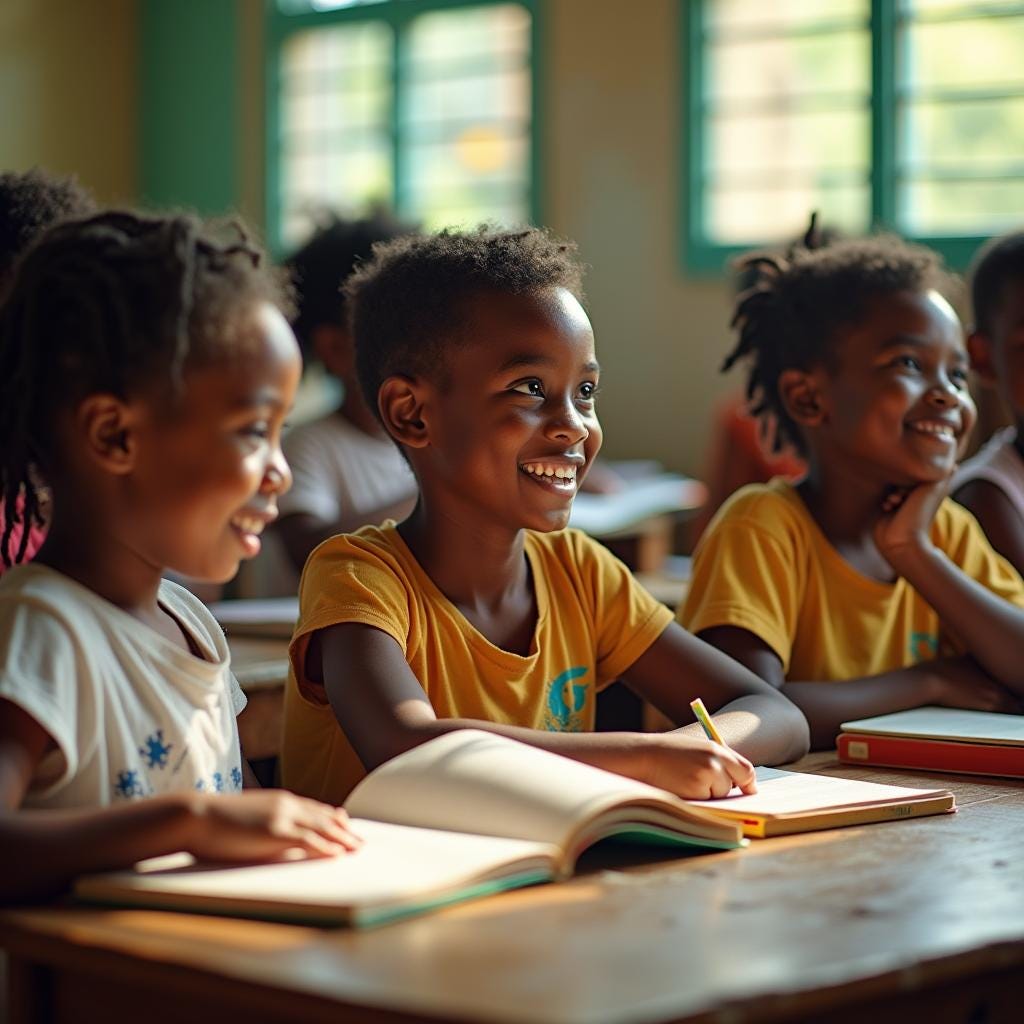
The education system in Finland is often regarded as the gold standard, admired across the globe for its ability to produce consistently high-performing students in areas like math, science, and reading. Despite being a small country of just over 5 million people, Finland’s students rank among the best in the world. The success of Finland’s education system has led many to wonder how such a model could be replicated in other countries, including Jamaica, which has long struggled with educational inequality and the reality of brain drain.
Brain drain, which refers to the emigration of highly skilled and educated individuals to other countries, is particularly acute in Jamaica. In fact, Jamaica is the second-highest brain drain country in the world, with many of its brightest minds seeking opportunities abroad. This speaks volumes about the talent and capability of Jamaicans, but it also raises questions: Is this outflow of talent rooted in the legacy of slavery and colonial systems? And, more importantly, how can Jamaica break free from this cycle, retain its talent, and create an education system that supports a national vision of growth, equity, and homeownership for all Jamaicans?
Lessons from Finland’s Success
To understand what Jamaica can learn from Finland, we first need to examine the fundamental principles that underpin Finland’s education system. Finland’s approach is based on equity, trust, and respect for educators, which contrasts sharply with many education systems that focus on standardized testing and rigid structures. In Finland, students are not forced into rigorous academic environments at an early age. Instead, formal schooling begins at age 7, and there is an emphasis on holistic development, including social skills, creativity, and emotional intelligence.
In Jamaica, students start formal education much earlier, but the system often struggles with overcrowded classrooms, underfunded schools, and unequal access to quality education. While Finland’s model of free, accessible education for all seems like a distant dream, it holds valuable lessons. Finland’s education system is built on the belief that every child, regardless of their socioeconomic background, deserves the same opportunities. This commitment to equality is reflected in how schools are funded—there are no “rich” or “poor” schools. Each child receives the same resources, whether they attend a school in the city or in a rural area.
For Jamaica, this raises important questions about resource allocation. The country has a history rooted in inequality, with significant gaps in wealth, education, and access to opportunities. The legacy of colonialism and slavery created a stratified society where resources were concentrated in the hands of a few. Today, this manifests in a divided education system, where private schools often provide far better outcomes than many public institutions. The challenge for Jamaica is how to level the playing field and create an education system that serves all its citizens equally.
The Role of Teachers: A National Asset
In Finland, teaching is one of the most respected professions. All teachers are required to hold a master’s degree, and they are given significant autonomy in how they run their classrooms. This respect for educators translates into better outcomes for students. Teachers in Finland are trusted to know what’s best for their students, and they are not burdened with the bureaucracy of standardized tests. Instead, the focus is on creating engaging, personalized learning experiences.
In Jamaica, however, teachers are often overworked, underpaid, and undervalued. The result is high turnover rates and burnout, which impacts the quality of education. If Jamaica is to build an education system that rivals Finland’s, it must start by valuing and investing in its teachers. Offering better training, higher pay, and more autonomy in the classroom could dramatically improve the quality of education.
Breaking Free from Colonial Legacy
The education system in Jamaica, like much of its institutional structure, has its roots in the colonial period. The system was originally designed to serve the needs of the colonizers, not the local population. It emphasized rote learning, obedience, and the maintenance of social hierarchies. While Jamaica has made significant strides in reforming its education system since gaining independence in 1962, the remnants of this colonial legacy still linger.
To break free from these constraints, Jamaica must reimagine its education system as one that empowers its citizens, rather than one that simply trains them for low-wage labor or encourages them to seek opportunities abroad. One way to do this is by incorporating more Afrocentric and culturally relevant curricula that celebrate Jamaica’s history and contributions to the world. A sense of pride and belonging could help reduce the brain drain, as more Jamaicans would feel connected to their homeland and motivated to contribute to its development.
The Brain Drain Dilemma: Why Do Jamaicans Leave?
Jamaica’s status as the second-highest brain drain country is both a testament to the talent of its people and a reflection of the systemic challenges that force them to leave. Many educated Jamaicans seek opportunities in countries like the United States, Canada, and the UK, where they can earn higher wages and have access to better career advancement prospects. This exodus of talent weakens Jamaica’s capacity to grow its economy, innovate, and build a robust middle class that can drive national development.
However, the brain drain also highlights that Jamaica is doing something right: its people are highly prized around the world. But the question is, can Jamaica harness this talent at home? Part of the solution lies in creating more opportunities for Jamaicans to thrive within their own country. This includes improving the education system, but it also extends to creating pathways for economic growth, homeownership, and entrepreneurship.
The Finnish Example: Education as a Pillar for National Development
Finland’s education system is not just about producing smart students; it is about building a cohesive society where everyone has an equal opportunity to succeed. This sense of social responsibility extends beyond the classroom and into all aspects of Finnish life. For example, Finland offers free university education, ensuring that higher learning is accessible to all. In Jamaica, access to higher education is limited by cost, and many students take on significant debt or are unable to attend university at all.
One way Jamaica could address this is by expanding scholarships and financial aid programs to make university education more accessible to all. Additionally, offering more vocational and technical training programs, like Finland’s polytechnics, could help bridge the gap for students who do not wish to pursue traditional academic pathways. These programs would equip young Jamaicans with the skills they need to succeed in the local job market, reducing the incentive to emigrate.
Creating the Jamaican Dream: Education, Talent, and Homeownership
Education is the foundation of national development, but it must be supported by broader economic policies that encourage growth and opportunity. In Jamaica, one of the key aspirations for many citizens is homeownership. However, the path to owning a home is often out of reach for the average Jamaican, especially given the high cost of real estate and limited access to affordable financing.
By improving the education system, Jamaica can create a more skilled and capable workforce, which in turn can drive economic growth and raise living standards. A better-educated population can also contribute to a more robust housing market, as more Jamaicans will have the financial means to buy property. Additionally, government policies that promote affordable housing and provide access to credit can help make the dream of homeownership a reality for more citizens.
Moving Forward: A Vision for Jamaica’s Future
As Jamaica looks to the future, there are many lessons it can learn from Finland’s education system. By prioritizing equity, investing in teachers, and creating a system that values creativity and critical thinking, Jamaica can build an education model that not only retains its talent but also helps the country thrive. However, this requires more than just educational reform. It demands a national commitment to breaking free from the legacies of colonialism, addressing the root causes of brain drain, and creating opportunities for all Jamaicans to succeed at home.
Education is the key to unlocking Jamaica’s potential, but it must be part of a broader vision that includes economic growth, social equity, and national pride. By embracing these values, Jamaica can create a society where talent is not only recognized but also nurtured and retained, ensuring that the country’s brightest minds contribute to its development rather than seek opportunities abroad. Only then can Jamaica truly break free from its past and build a future where every citizen has the chance to achieve their dreams, whether it’s owning a home, starting a business, or making a lasting impact on the world.