


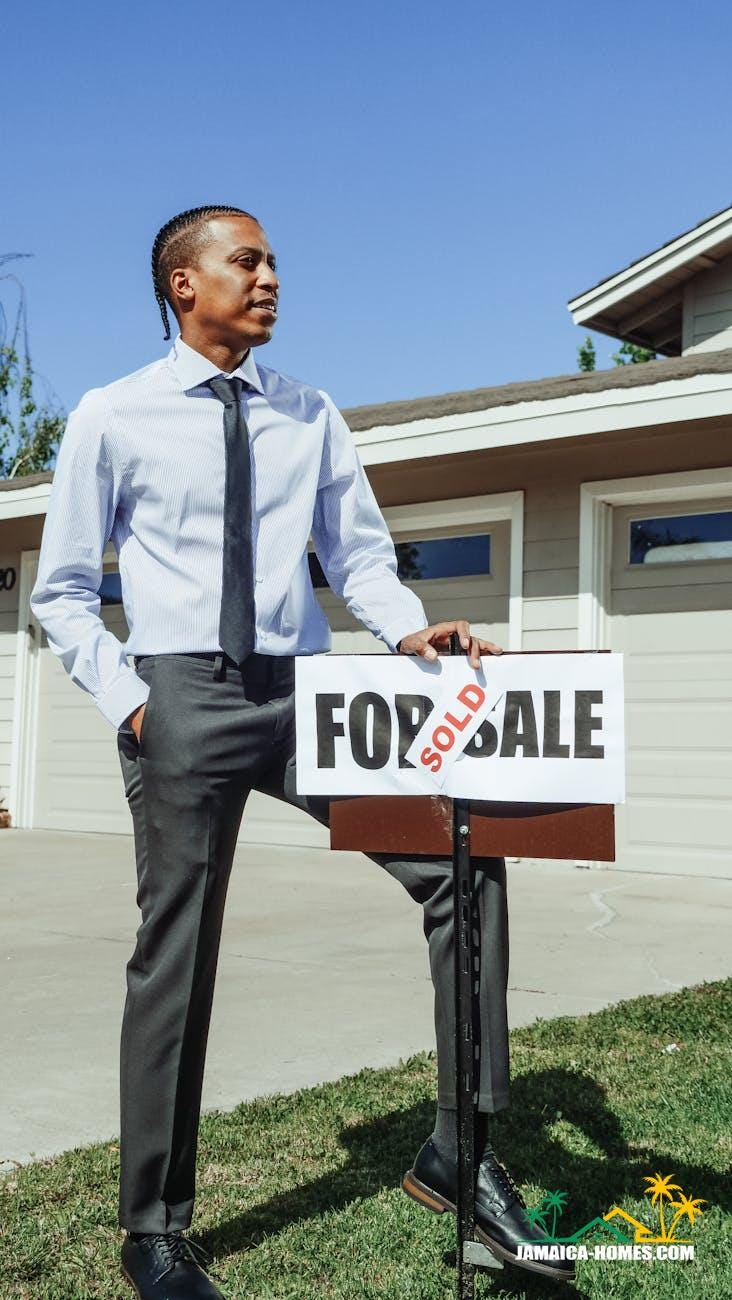
Real estate in Jamaica is not for the faint-hearted. It is relationship-driven, emotionally demanding, logistically complex, and deeply human. Behind every sale is a family decision, a life transition, a risk taken, or a dream deferred or realised. And behind every successful real estate business is not just a sharp agent or a good brand — but a team that feels grounded, respected, and genuinely invested in one another.
Too often, conversations about building strong real estate teams are imported wholesale from other markets. They sound impressive, but when applied without care, they miss the Jamaican context entirely. Our industry operates differently here. We navigate informal systems alongside formal ones. Trust matters as much as paperwork. Reputation travels faster than marketing. And people remember how you treated them long after the deal is done.
Nurturing a strong real estate team in Jamaica is therefore not about copying playbooks from abroad. It is about leadership that understands people, pressure, place, and purpose — and responds with intention.
What follows are five grounded, Jamaica-aware ways to build and sustain a real estate team that doesn’t just survive the market, but grows through it.
1. Build belonging before branding
In Jamaica, belonging is not a corporate buzzword. It is cultural. People want to know where they stand, who has their back, and whether they are seen as disposable or dependable.
Team events matter — but not in the glossy, forced way they are sometimes portrayed overseas. Here, connection is built through authenticity. A shared meal. A simple check-in. A space where people can talk freely without feeling evaluated or ranked.
Belonging grows when team members feel safe enough to be human, not just productive.
That might mean occasional team gatherings that feel more like community than strategy. It might mean informal moments that allow people to relate beyond listings and leads. And yes, it might mean adjusting expectations when life happens — because in Jamaica, life often arrives loudly and without notice.
“A real estate team doesn’t become strong when everyone thinks the same — it becomes strong when people feel secure enough to show up as themselves.”
— Dean Jones, Founder, Jamaica Homes
When people feel they belong, loyalty follows. And in a small market like ours, loyalty is not a soft asset — it is a competitive advantage.
2. Make communication regular, not reactive
Many teams only communicate deeply when something has gone wrong. That is a mistake — especially in an industry where silence often masks stress.
Regular check-ins are essential, but they must be approached with cultural intelligence. Jamaicans are not always quick to speak openly in formal settings, particularly where hierarchy exists. Leaders must therefore create conditions where honesty is invited, not extracted.
This means:
One-on-one conversations that are consistent, not crisis-driven
Listening without immediately correcting or defending
Making it clear that raising concerns is a strength, not a threat
Open communication also means clarity. Unspoken expectations are the fastest way to resentment. Be clear about roles, boundaries, decision-making, and support structures. When people know what is expected — and what support looks like — pressure becomes manageable.
And when feedback is given, it must travel somewhere. Nothing demotivates a team faster than speaking up repeatedly and seeing nothing change.
Strong teams are not built on constant agreement, but on trusted dialogue.
3. Invest in development that actually fits the Jamaican market
Professional development matters — but not all training is relevant.
Jamaica’s real estate environment operates within a unique blend of law, custom, financing realities, land history, and informal knowledge systems. Supporting your team’s growth means helping them understand this terrain, not just generic sales techniques.
That might include:
Practical training in Jamaican conveyancing processes
Exposure to local planning realities and land use issues
Understanding how culture, family dynamics, and diaspora relationships shape transactions
Mentorship that reflects lived local experience
Supporting development also signals belief. When leaders invest in people beyond immediate output, it tells the team: you matter here long-term.
“When you invest in people’s growth, you’re not just sharpening skills — you’re telling them they have a future with you.”
— Dean Jones
Development does not always require large budgets. Sometimes it is about access, encouragement, and intentional knowledge-sharing within the team itself.
4. Recognition must feel sincere, not performative
Recognition in Jamaica works best when it is genuine and well-timed. Loud praise without substance can feel hollow. Quiet acknowledgment, given sincerely, often lands deeper.
Some team members appreciate public recognition. Others prefer a private word, a message, or a simple expression of trust. Leaders should take the time to understand how each person feels valued.
Celebration should not only focus on high sales numbers. It should also recognise:
Consistency
Ethical conduct
Team support
Professional growth
Calm handling of difficult situations
These are the behaviours that sustain a business — even when the market shifts.
And sometimes recognition doesn’t need a stage. Sometimes it’s just letting someone know their effort didn’t go unnoticed — which, in real estate, can feel rarer than beachfront listings priced realistically.
5. Protect balance, because burnout is expensive
Real estate rewards hustle, but it punishes exhaustion.
In Jamaica, many agents carry layered responsibilities — family, community obligations, and personal challenges alongside work. Leaders who ignore this reality risk building teams that perform well briefly and then quietly fall apart.
Encouraging balance does not mean lowering standards. It means acknowledging that sustainable performance requires rest, perspective, and space to reset.
This might look like:
Encouraging time off without guilt
Respecting personal boundaries
Normalising breaks and recovery
Introducing simple wellness practices without turning them into obligations
When leaders model balance themselves, it gives permission for others to do the same.
“Burnout doesn’t announce itself — it shows up later as disengagement, mistakes, and people quietly checking out.”
— Dean Jones
A team that is rested thinks better, serves clients better, and stays longer.
The quiet truth about strong teams
Strong real estate teams in Jamaica are not built by force. They are built by trust, patience, and leadership that understands people before profit.
In a country where resilience is part of the national character, teams thrive when leaders recognise that success is not just measured in closings, but in continuity — who stays, who grows, and who still believes in the work when things get hard.
Happy teams do not happen by accident. They are nurtured deliberately, especially in environments that demand adaptability and care.
When you invest in your people properly, the results show up not just in your numbers, but in your reputation — and in Jamaica, reputation is everything.