


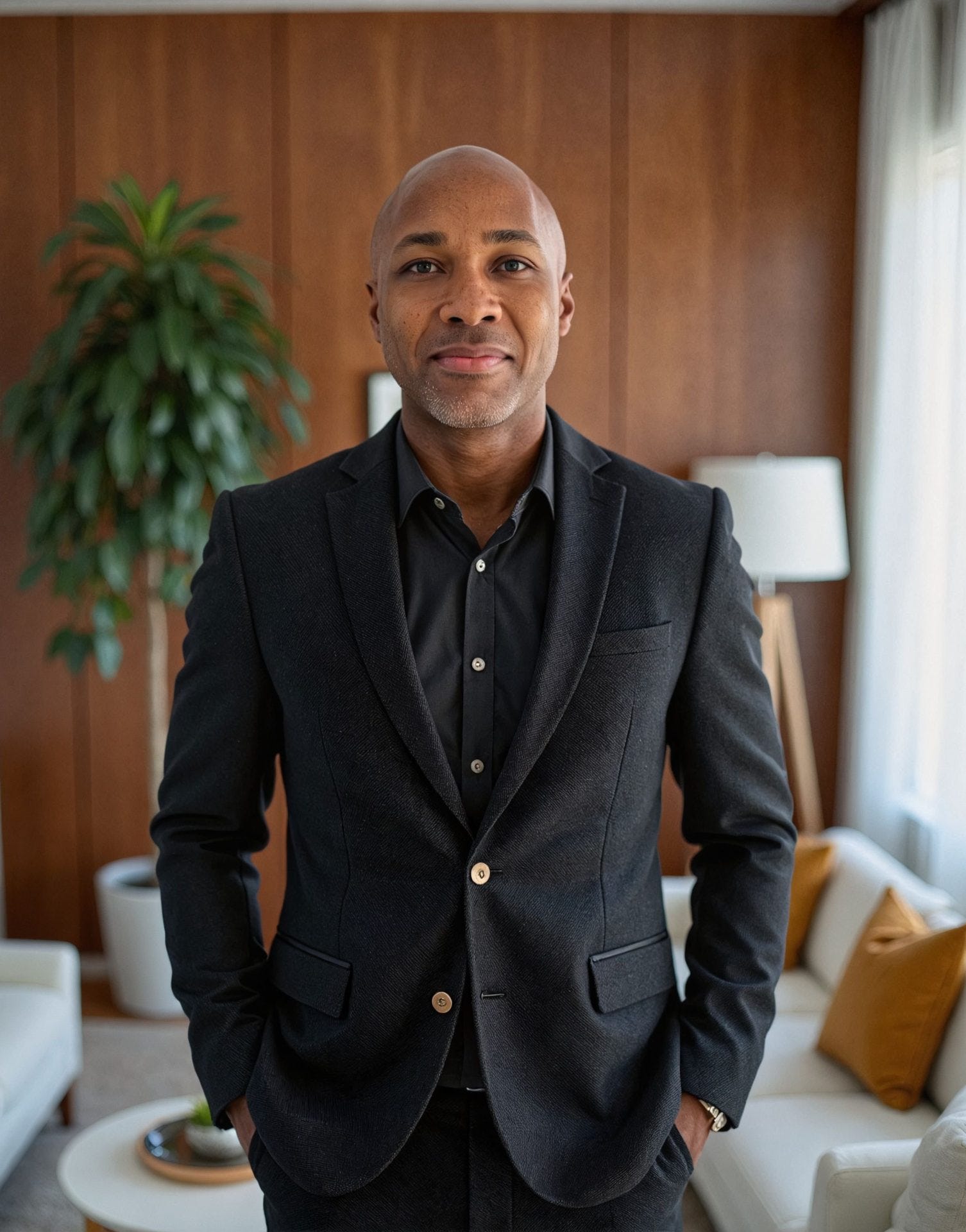
Dean Jones, Realtor Associate at Coldwell Banker Jamaica Realty & Founder of Jamaica Homes
When I bought my first home, no one wanted it. It was a write-off—one of those properties an agent keeps in a drawer, embarrassed to show anyone. The house had been repossessed. The floorboards were rotten, some broken straight through. Rats scurried in the darkness. Damp and mold crept up the Victorian walls, which desperately needed repointing. The upstairs floors were bowing. The kitchen was in ruins. The boiler was dead. Heating? Nonexistent. To most, this house was a nightmare. But to me, in 2005, it was an opportunity.
It was five minutes from a main train station, within the M25, with restaurants, shopping malls, and all the conveniences of city life nearby. Most importantly, it was one of only two houses on the road with a private driveway. And it was a Victorian house—full of history and potential. I stripped back the floors, replaced joists and boards, and polished the floors upstairs and downstairs until they gleamed. I treated the damp walls and replastered the entire house. I ripped out the dilapidated kitchen and installed a new one, replaced windows, and unblocked the outside drains. I installed a new heating system and updated both the ground-floor WC and the upstairs bathroom. I even replaced the driveway gate and installed an automatic opener. In the end, the house became the envy of the street.
And here’s the thing—I didn’t even use my own money to buy it. I covered the legal fees with a credit card and secured a 100% mortgage. Looking back, it was a blessed move. “Real estate isn’t just about bricks and mortar; it’s about seeing value where others see waste.” – Dean Jones
2005: A Year of Opportunity
To put things into context, 2005 was a significant year. In the UK, Tony Blair secured a third term as Prime Minister. The property market was booming, and 100% mortgages were widely available. Banks, eager to lend, made it possible for first-time buyers to step onto the property ladder with little or no deposit. House prices were rising steadily, making property a smart investment.
Meanwhile, in Jamaica, the government launched initiatives to increase homeownership, and real estate was becoming a serious conversation for young professionals. Investing in property was a proven way to build wealth. Yet, many people hesitated, scared off by the work involved in renovations or the fear of debt. But as I learned early on, “The greatest investment you’ll ever make isn’t in property; it’s in believing in yourself.” – Dean Jones
Lessons from the Windrush Generation
My family’s journey into homeownership didn’t start with me. My grandparents migrated to the UK on the Windrush and bought their first home for about £500. They paid it off in under 10 years. The Windrush Generation—named after the Empire Windrush ship that brought Caribbean immigrants to Britain in 1948—came with hope but faced hardship. Many found work in factories, hospitals, and transport services, contributing immensely to Britain’s post-war recovery. Yet, they were met with discrimination, housing segregation, and unfair treatment. Many landlords refused to rent to Black tenants, forcing them to buy homes through informal arrangements or partner with friends to pool resources.
Despite the odds, they built communities. They didn’t just survive; they thrived. “Generational wealth isn’t just about money; it’s about resilience, wisdom, and the courage to claim your space in the world.” – Dean Jones
The Power of Partnership and Vision
My grandparents understood the power of partnership. They knew that buying property wasn’t just about individual success—it was about community upliftment. They stuck together, shared resources, and supported one another. I carried that lesson with me when I bought my first home. I saw potential where others saw problems, just as they had decades before.
Two years after purchasing that run-down Victorian house, I had spent around £10,000 on renovations. And when I sold it, I made a £100,000 profit. Even with a high-paying job, saving that much money would have been nearly impossible. But real estate, when done right, pays off. “Success isn’t about where you start—it’s about how you leverage every opportunity to create the future you want.” – Dean Jones
Your First Home: Tips for Success
Look Beyond the Surface
Don’t be discouraged by a fixer-upper. If the location is solid, the rest can be changed.Research Market Trends
What are banks offering? Are interest rates low? Are house prices climbing? Stay informed.Leverage Financial Tools
Explore mortgage options, grants, and tax incentives. Sometimes, using a credit card smartly can open doors.Think Long-Term
Don’t just buy a house—buy an investment. Choose a property that will appreciate in value.Be Willing to Work
Sweat equity can significantly increase your return. The more effort you put in, the more value you create.
Buying your first home isn’t just a financial decision—it’s a statement. It says, “I see a future for myself. I believe in my ability to create wealth. I am willing to take risks.”
So, when you find that property everyone else overlooks, when the floorboards are broken and the walls are damp, remember: that’s where the opportunity is. See what others don’t. Have the courage to take the leap. And when you succeed, don’t forget to share your knowledge and uplift those coming after you—just as the Windrush Generation did.
Because at the end of the day, wealth isn’t just what you gain; it’s what you pass on.
Disclaimer: The information provided in this blog post is for informational purposes only and reflects personal experiences and general real estate insights. It does not constitute financial, legal, or professional advice. Real estate markets, mortgage availability, and investment strategies vary. Always consult with a qualified financial advisor, mortgage broker, or legal professional before making any property investment decisions.