


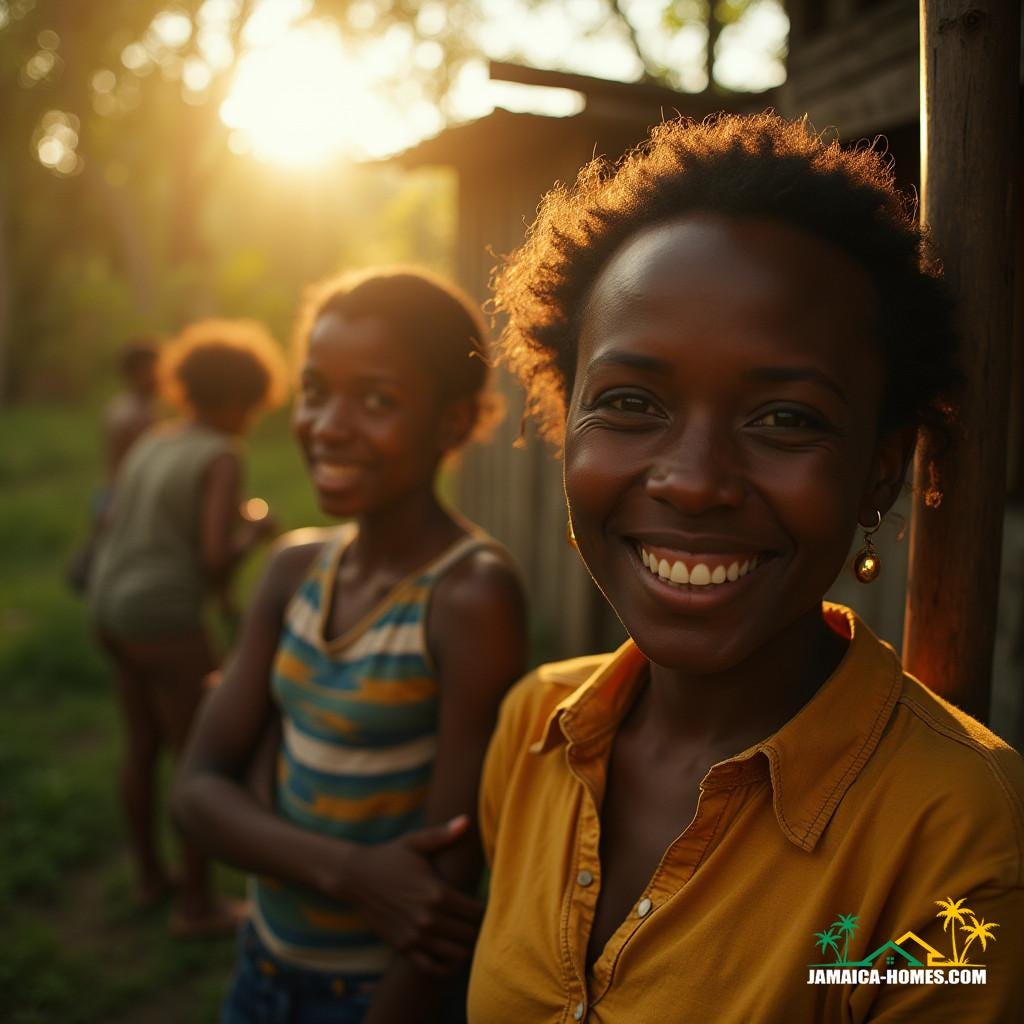
Emancipation was meant to be the beginning. A dawn for freedom, dignity, and ownership for all Jamaicans—especially for the descendants of those who toiled under bondage without ever touching the soil they worked so hard to build. Yet nearly two centuries later, the idea of “owning a piece of the rock” remains out of reach for too many hard-working Jamaicans, both at home and abroad.
This blog is a reflection—part history, part protest, part vision. It is about Jamaica’s real estate market, yes, but it is also about our collective right to belong, to build, and to benefit from the island we call home.
The Right to Land: A Legacy Still Unfulfilled
Land ownership in Jamaica has always been symbolic. It represents power, legacy, and stability. After emancipation in 1838, freed Jamaicans were promised that with hard work they could earn a better life. Some bought land, farmed it, and passed it on. But many were systematically shut out, as the plantation economy morphed into a new form of control—keeping land and capital in the hands of a few.
Today, you still see this power imbalance reflected in the real estate market. Yes, there are luxury villas in Montego Bay, beach resorts in Negril, and gated communities in Kingston. But right next door, you might find a zinc-board shack with no running water. This is the paradox of Jamaican development—an island where paradise and poverty exist side by side.
Returnees: The Unsung Builders of Modern Jamaica
One of the most overlooked forces in Jamaica’s economic and real estate development has been the returnee generation, especially those shaped by the Windrush era. These Jamaicans, or their children, left for the UK, Canada, and the U.S. in search of better lives. Many sent back remittances for decades, building homes stone by stone—often remotely and with great sacrifice.
Some returned home to retire, bringing with them pensions, savings, and an unwavering love for Jamaica. Others hoped to set up businesses or give back in tangible ways. But too often, they find themselves shut out of the system they long supported from abroad.
“They treat us like foreigners,” one returnee said. “Yet we helped build this country, literally and economically.”
They’re not wrong. Returnees contribute significantly to the GDP through property development, remittances, employment creation, and more. But when they return, especially if they’re not yet of retirement age, they encounter what many describe as a “crab in a barrel” environment. Few opportunities. Bureaucratic hurdles. Cultural clashes. Disillusionment.
Many eventually give up and return overseas, leaving behind empty homes that are later squatted in, claimed by distant relatives, or sold at a fraction of their worth. The cycle continues.
What Can Returnees Do?
First, let’s acknowledge that not all returnees are retirees. Younger returnees—those with skills, ideas, and vision—need support. As I said in a previous blog: we must build ladders out of the barrel. If the system does not welcome them, then they must help change the system.
This might mean forming cooperatives, investing in tech hubs, mentoring youth, or lobbying for land reform and diaspora voting rights. It also means pushing the government to create smoother pathways for reintegration—better access to land titles, grants for development, and a real framework for diaspora inclusion.
Poverty and Parallels: The Real Estate Contrast
In Jamaica, the wealth gap is not just economic—it’s physical. You can literally see it. A million-dollar hotel next to a zinc-fence shack. A luxury Airbnb across the road from a primary school with leaking roofs.
How must it feel to watch foreigners sipping cocktails in beachfront villas while you fetch water from a standpipe down the road? How must it feel for young Jamaicans to see these homes as untouchable?
We are all human. We all want the same things—security, shelter, dignity.
This disparity is not just unfair—it’s unsustainable. And it is a direct reflection of land and wealth hoarding that has deep colonial roots.
The Hidden Faces of Jamaican Real Estate
Behind the booming real estate headlines are powerful families, some with wealth tracing back generations—through plantations, sugar, bauxite, and trade. Some of today’s biggest hotel chains and estates are still run by these dynasties. Add to that new power brokers: politically connected developers, hotel lobbyists, and foreign investors backed by Chinese or American capital. Deals are signed, lands leased, and locals displaced—all in the name of “development.”
Meanwhile, the government praises tourism growth while everyday Jamaicans struggle to find affordable housing. A teacher earning J$100,000 a month can’t dream of a mortgage. A security guard working double shifts can’t buy a parcel of land, even in rural parishes.
And yet, there is hope.
Rising From Below: The Spirit of Jamaican Entrepreneurship
Despite everything, Jamaicans are among the most resilient, resourceful people on Earth. From the pan chicken man to the woman selling handmade crafts, we hustle. We innovate. We rise.
Some of our most successful entrepreneurs came from humble beginnings. But too often, success breeds distance, and many of the “made it” class now look down on the ones they left behind. The humility fades. The ladder is pulled up.
But what if we reimagined real estate in Jamaica not as a playground for the elite but as a foundation for national healing and empowerment?
Diversity in Unity: Reclaiming the Dream
Jamaica is a blend—Black, Chinese, Indian, White, Syrian, Maroon. The country is a mosaic of stories, struggles, and cultures. But if we do not address the growing gap between the powerful and the powerless, we risk becoming a nation of silos—rich estates hidden behind walls, while the poor look in through the window, forgotten.
It is time to reclaim the promise of emancipation.
Owning land in Jamaica should not be a privilege—it should be a right. Not just for the foreign investor. Not just for the returning retiree. But for the young Jamaican with a dream. The single mother. The farmer. The teacher. The builder. The hustler.
A Role for Technology and Policy
In this digital age, technology must play a role in restructuring the real estate market and making it more accessible. Blockchain could help secure land titles and fight fraud. AI could support urban planning. Government platforms could provide clear, accessible listings for low- to mid-income buyers. And diaspora investments could be tracked and supported via online infrastructure.
Smart solutions, driven by policy and transparency, are the only way to cut through the chaos.
Final Thoughts: A Call to Action
Let us make this clear: Jamaicans must and can do better.
We need visionary leadership. Diaspora engagement. Bold reforms. We need humility from those at the top and opportunities for those at the bottom. It cannot just serve investors—it must serve the island’s future.
It’s time we reclaimed the dream that was promised after emancipation. Let every hard-working Jamaican—whether born here or returning from abroad—have the opportunity to own a piece of the rock.
Let us not forget: we are not beggars. We are builders.
Disclaimer: This article is for informational and reflective purposes only. It does not offer legal, financial, or real estate advice, and it does not represent an endorsement of any political or commercial entity.