


On this island, where the mountains run down into the sea and the breeze can change on you just like that, we’re at a serious crossroads. Jamaica is talking loudly about housing. About dignity. About affordability. And now, about whether container homes should be part of the answer.
It’s a conversation we need to have properly.
Not just in Parliament. Not just among consultants and committees. But among ordinary Jamaicans who are trying to figure out, “Where am I going to live? Where are my children going to live?” Because when we talk about homes, we’re not just talking about concrete, steel, or metal boxes. We’re talking about identity, stability, and the basic human need to feel settled.
As I move through this debate, I’m not coming at it as a politician or a commentator. I’m coming at it as somebody who works every day with buildings, land, and people. I’m a chartered builder, project manager, surveyor, realtor, and the founder of Jamaica Homes. I’ve spent years exploring all kinds of housing options, including container homes.
For me, housing isn’t just shelter — it’s legacy. Every wall is a story, every doorway is a decision about the future.
So let me walk through this in a straightforward way.
The Rise of the Container Home Conversation
When the government started talking publicly about using container homes in the housing mix, it stirred up a lot of emotions.
Some people love the idea:
It looks modern
It sounds quick
It feels like a clever solution
Others immediately picture hot metal boxes dumped on land, with very little thought given to comfort or long-term living.
Both reactions are understandable.
What I want to stress is this: no building system is automatically good or bad. It’s not the container alone. It’s what you do with it, how you design it, and whether you respect the realities of our climate, terrain, and building standards.
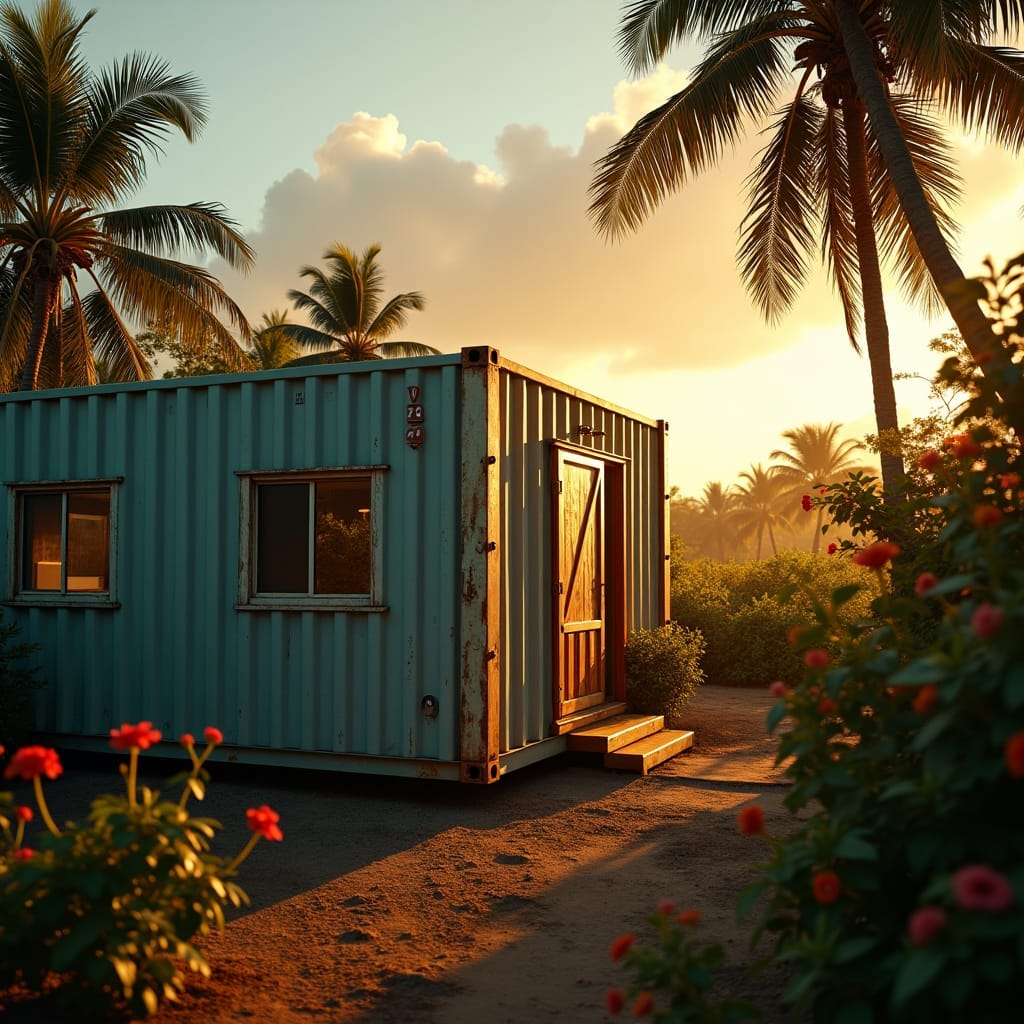
And yes—container homes can be extraordinary when done right.
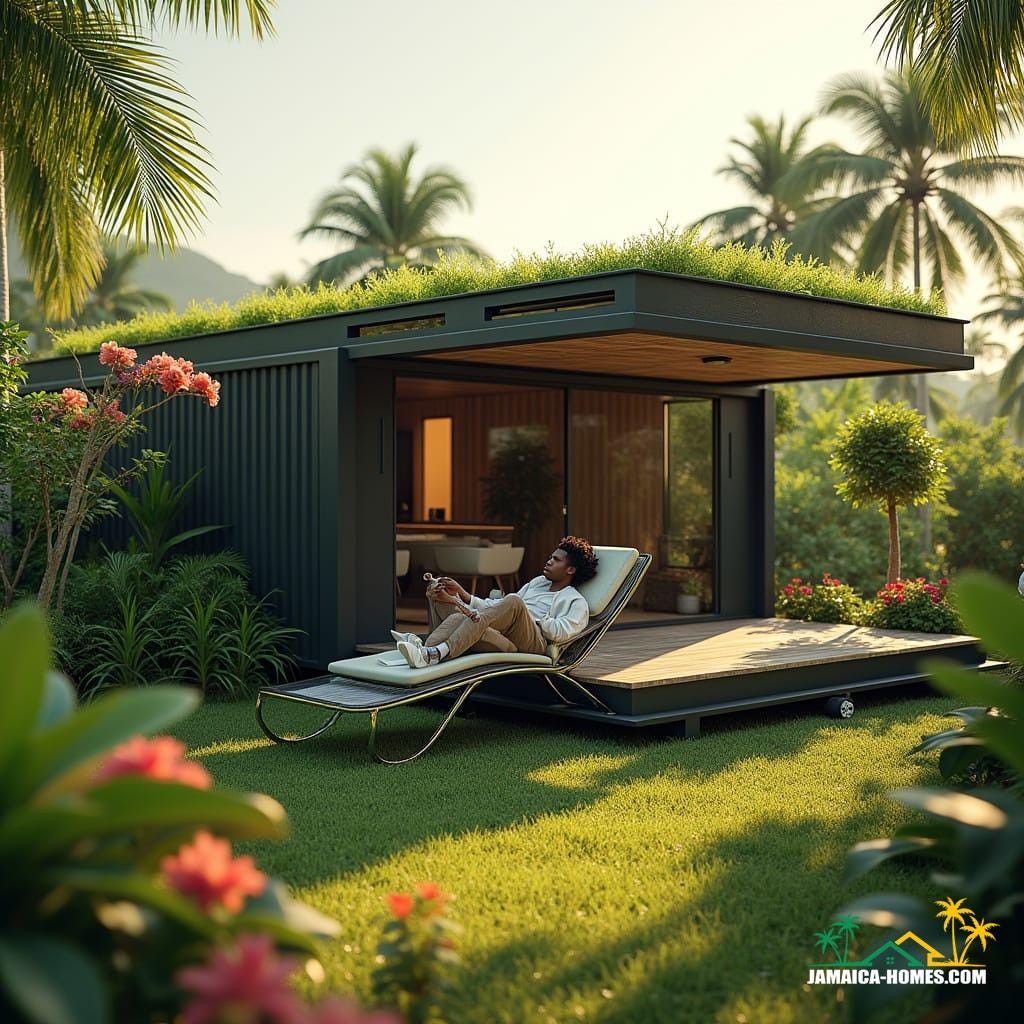
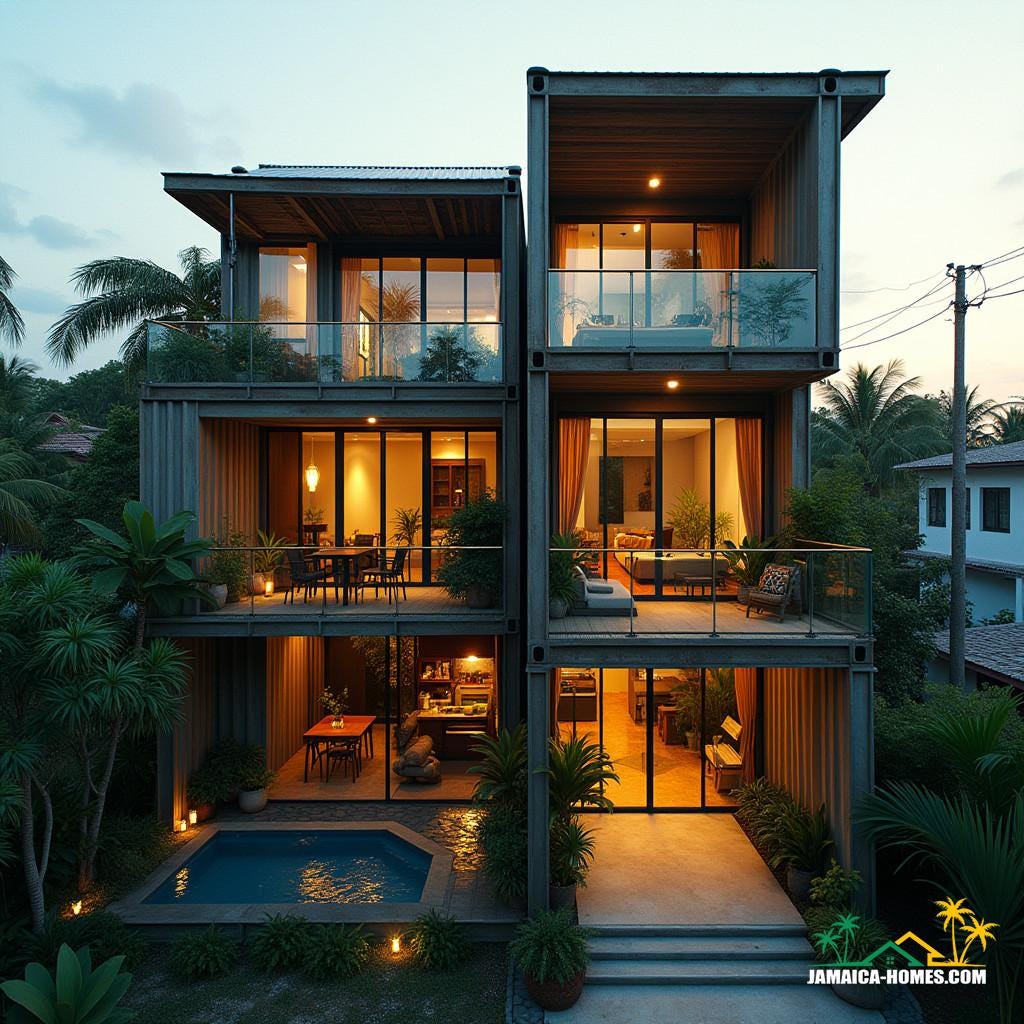
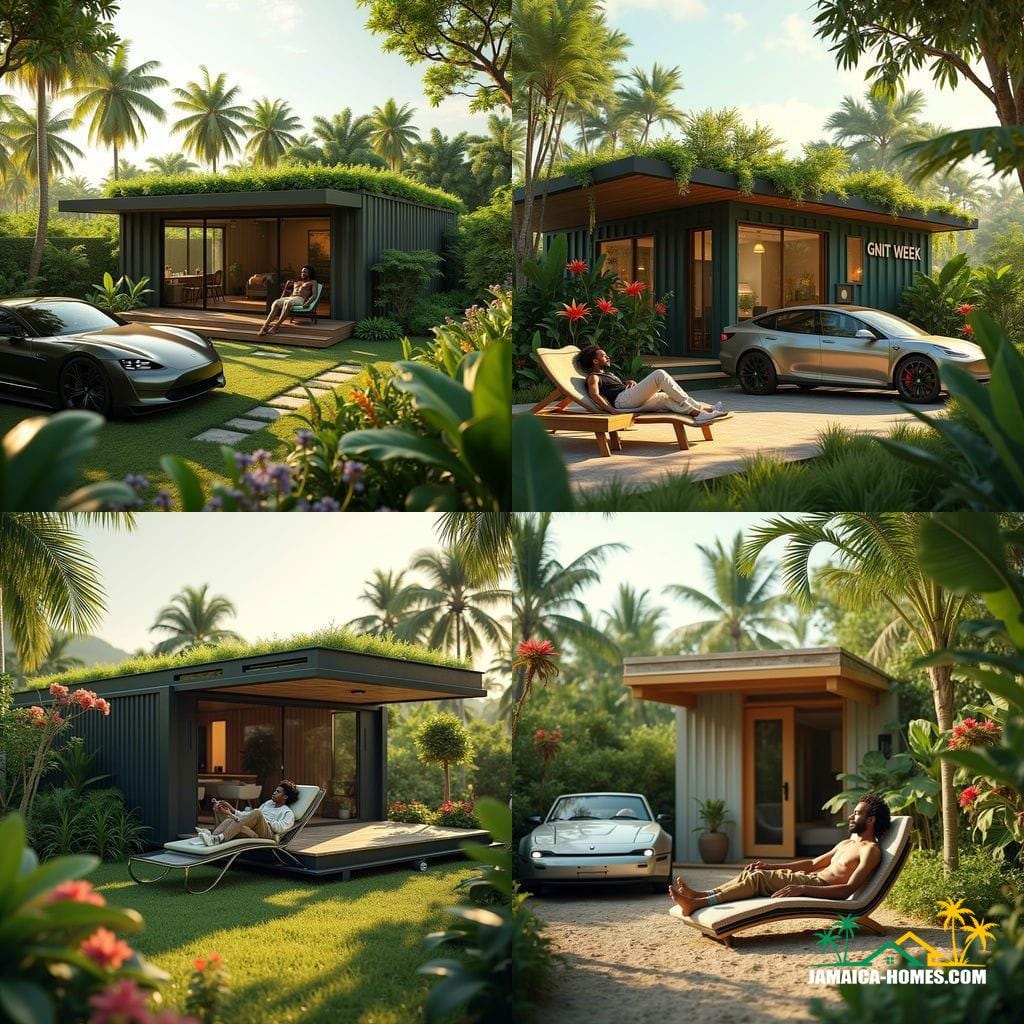
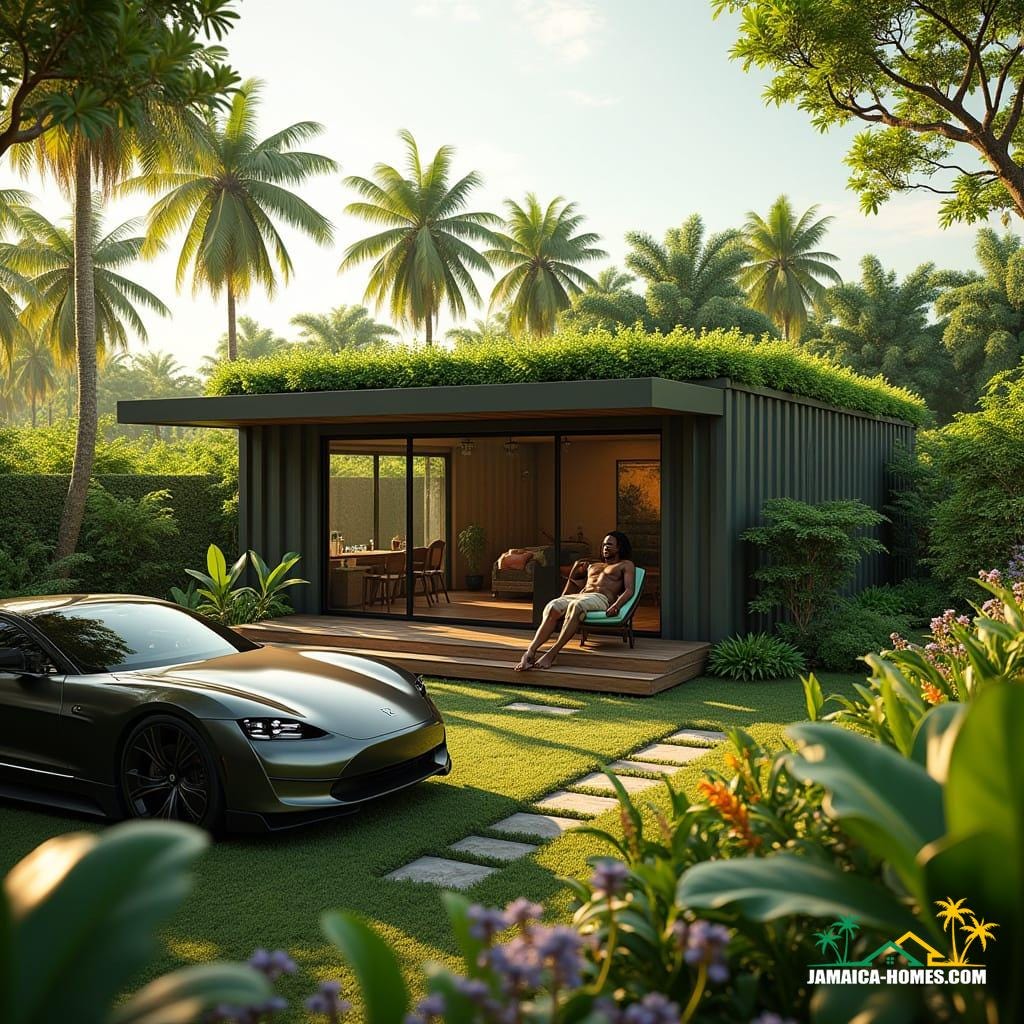
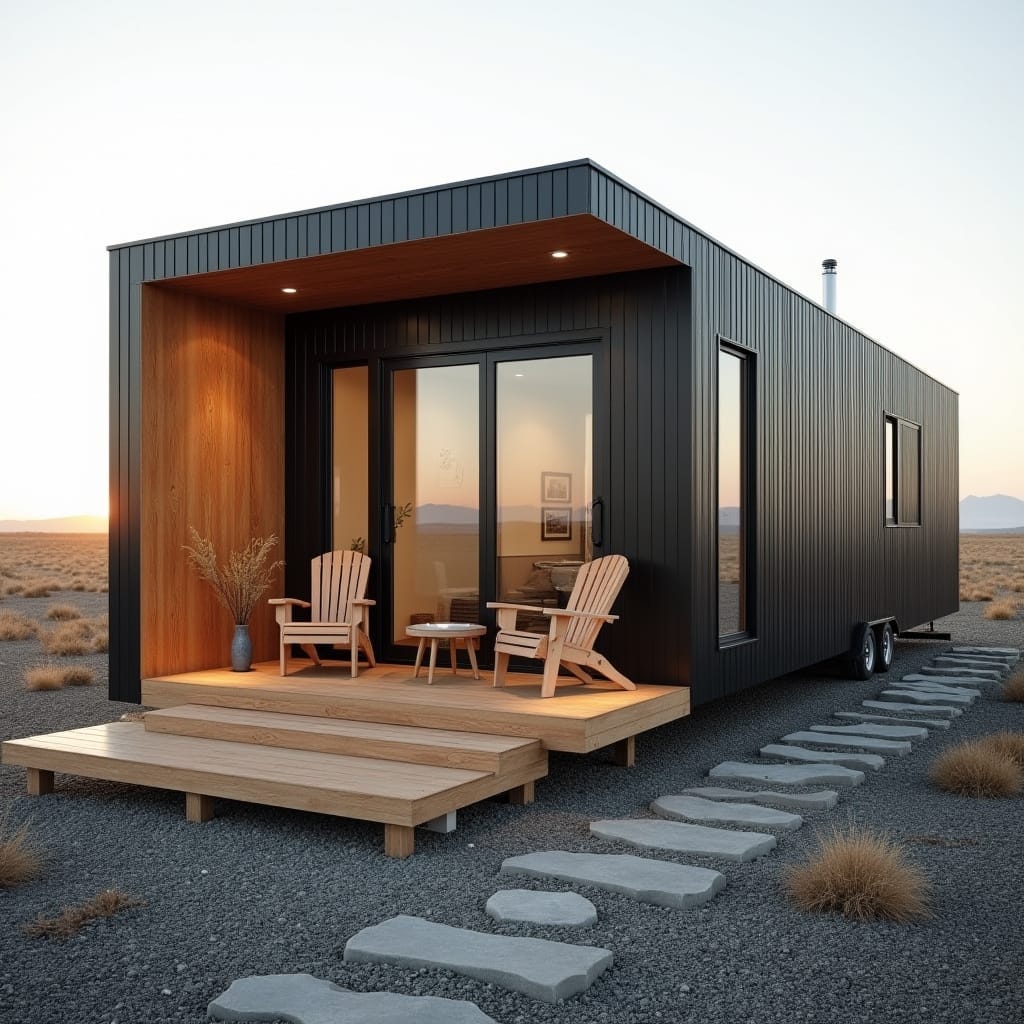
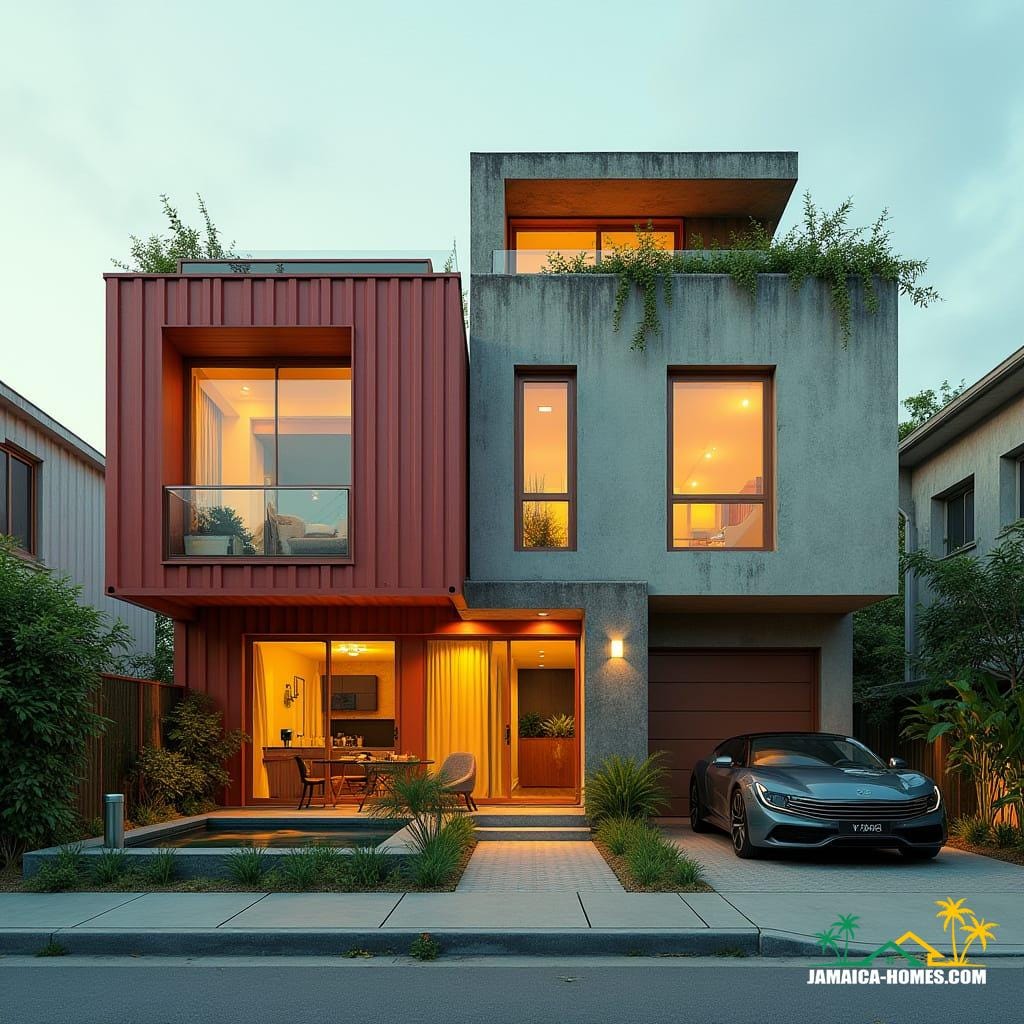
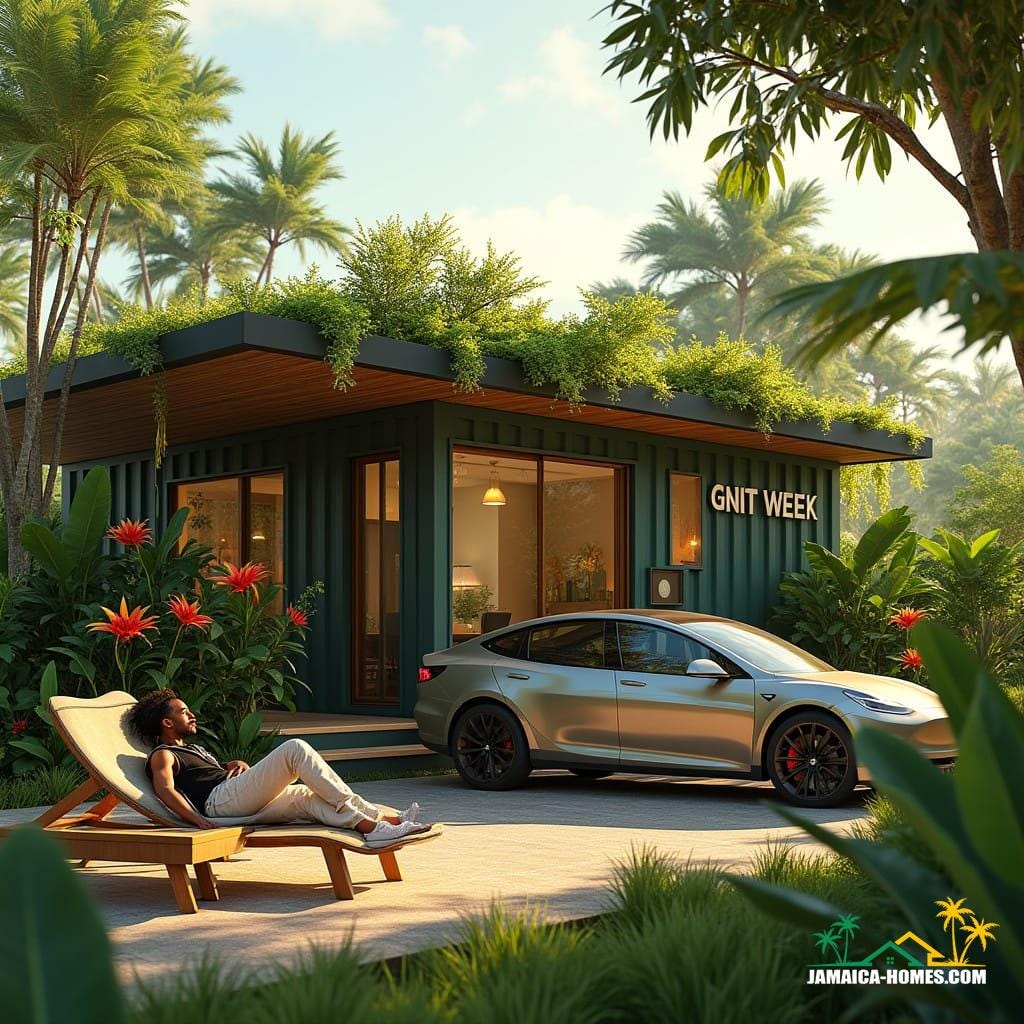
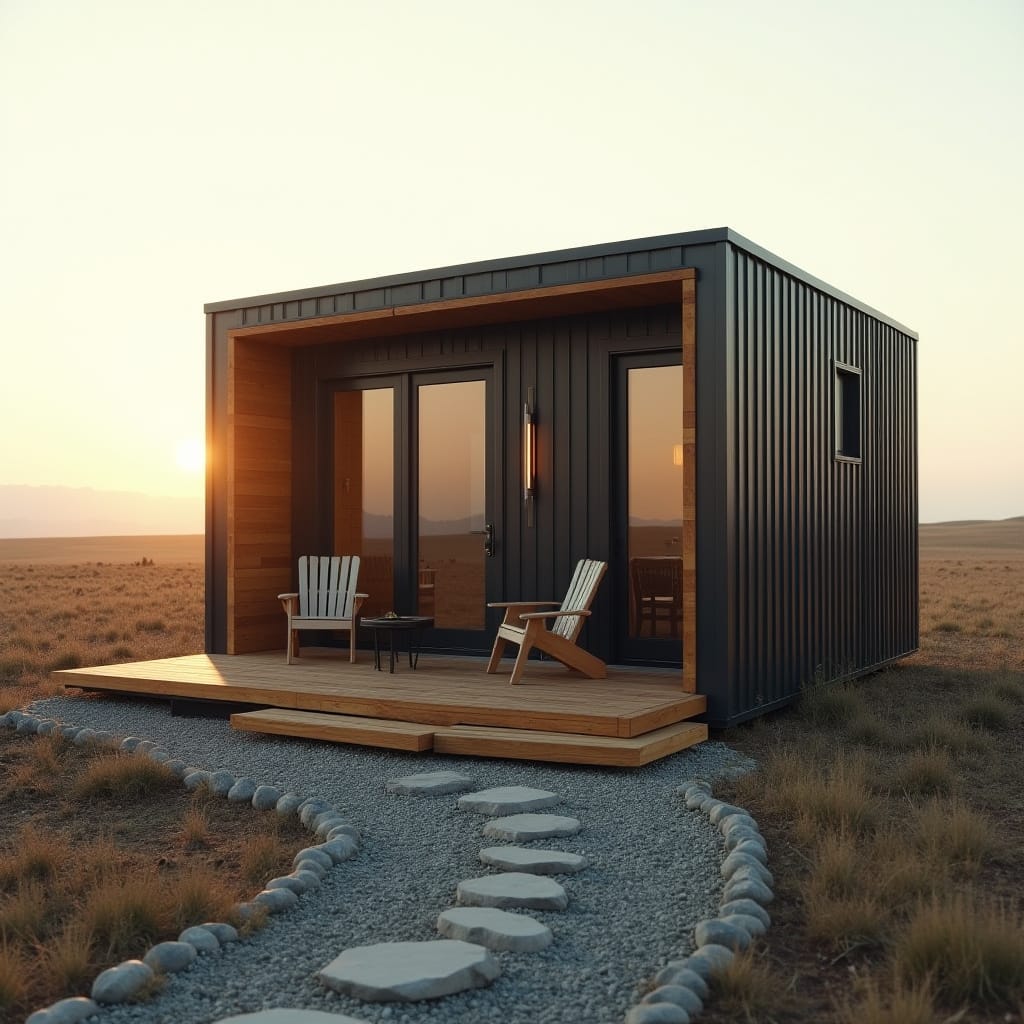
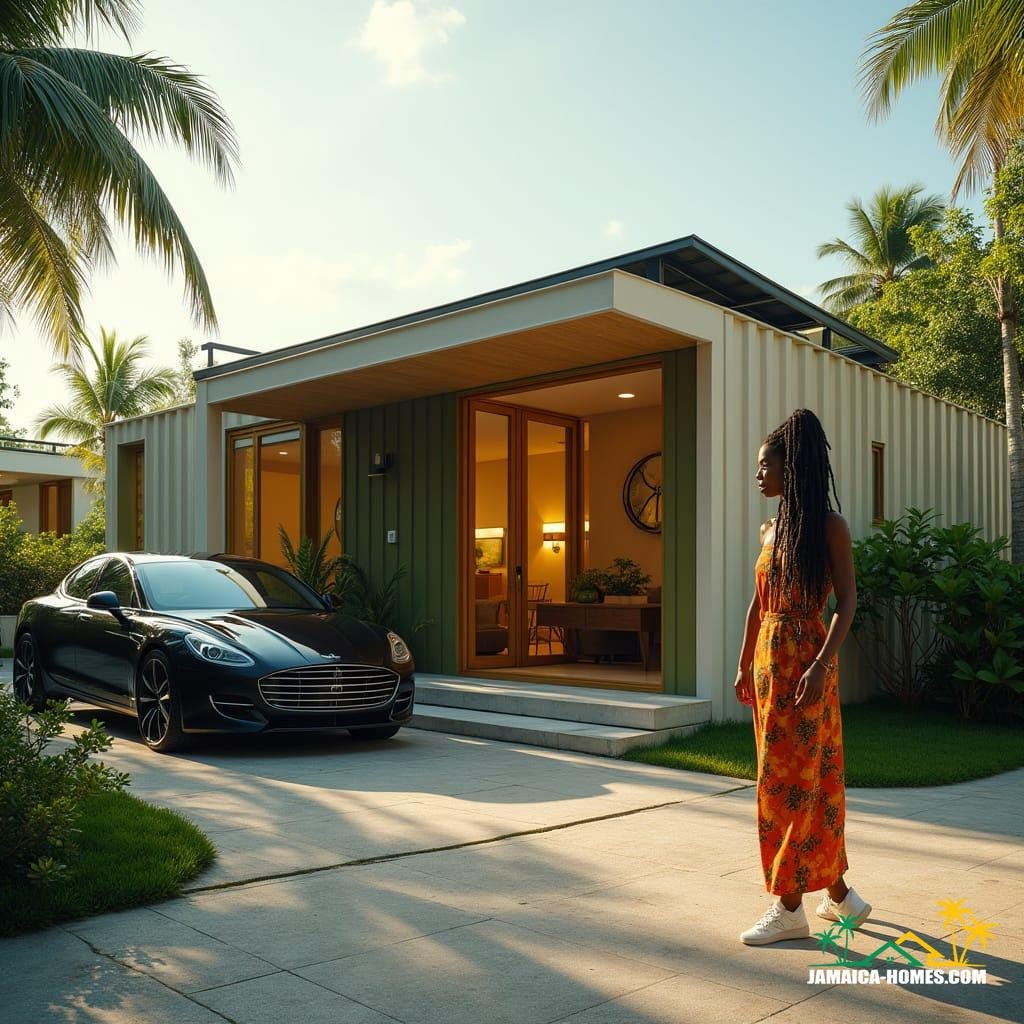
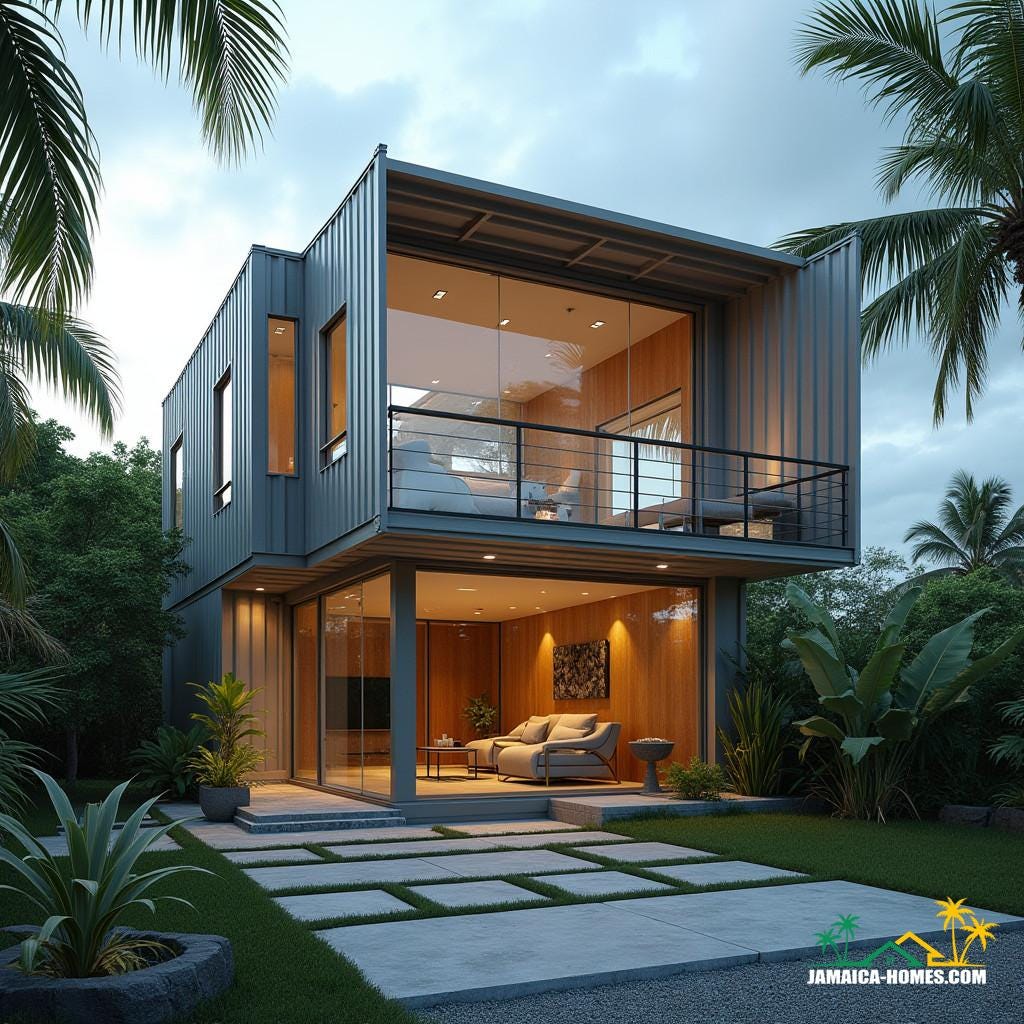
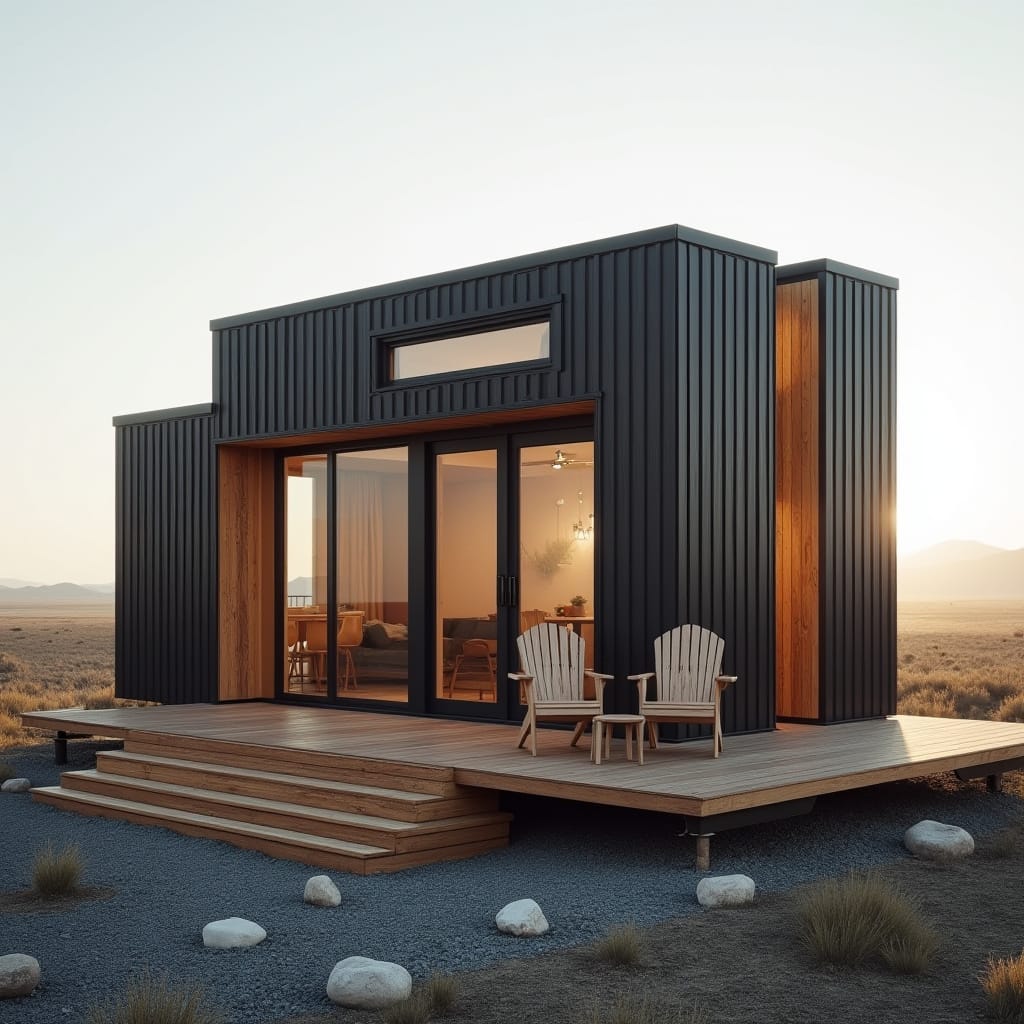
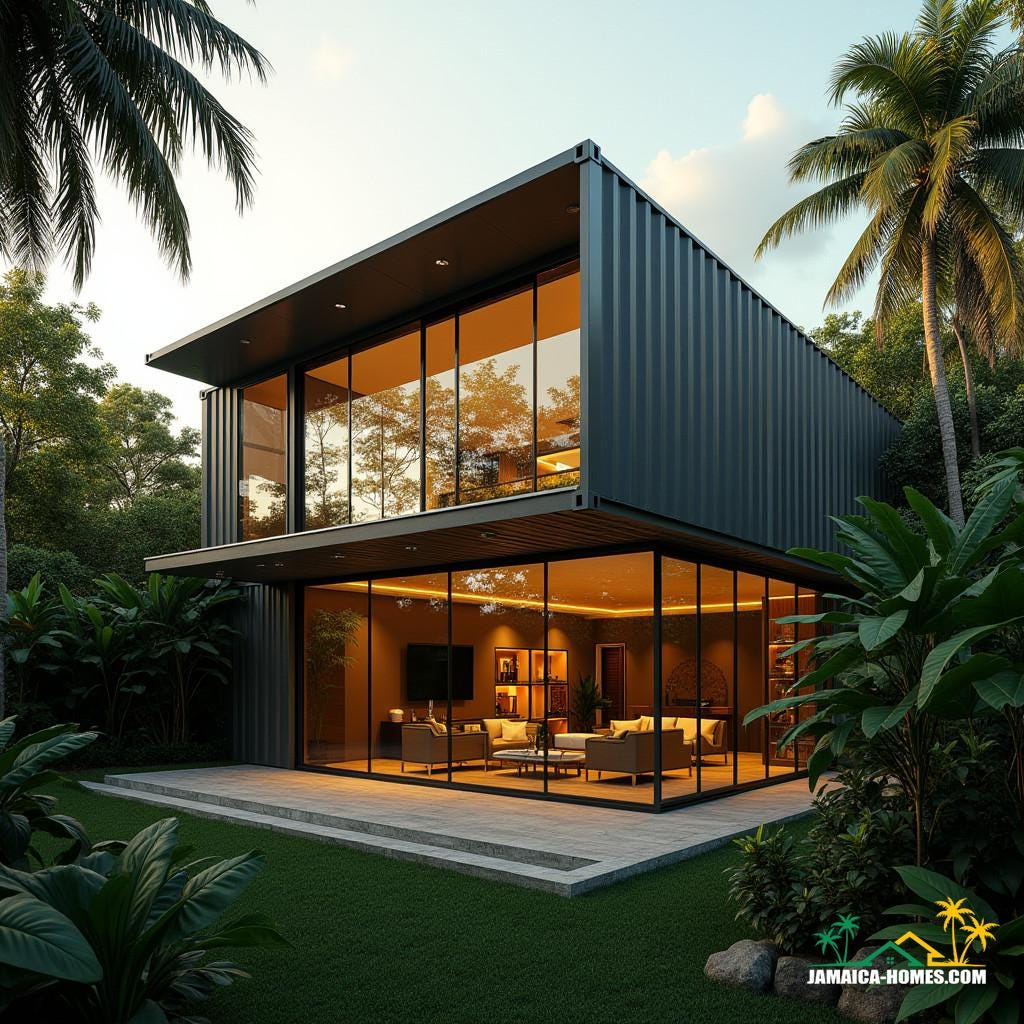
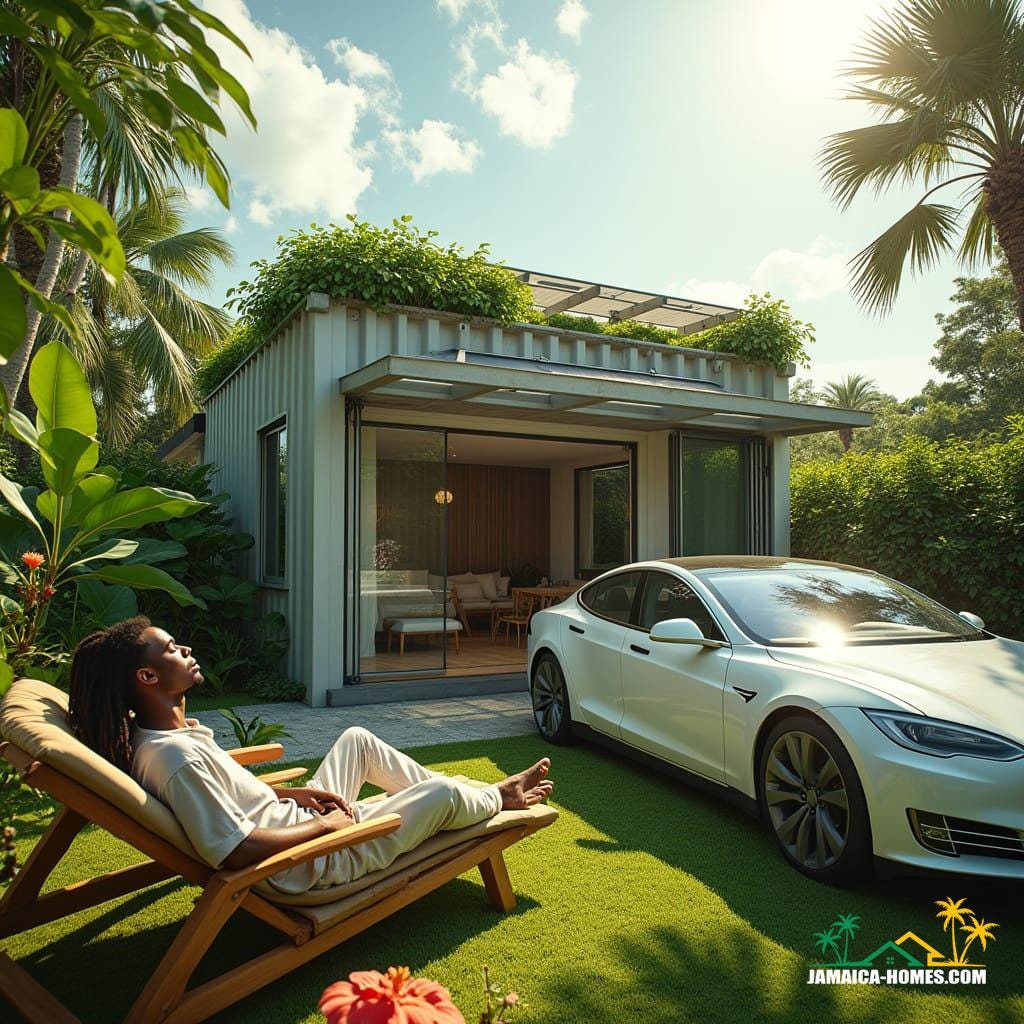
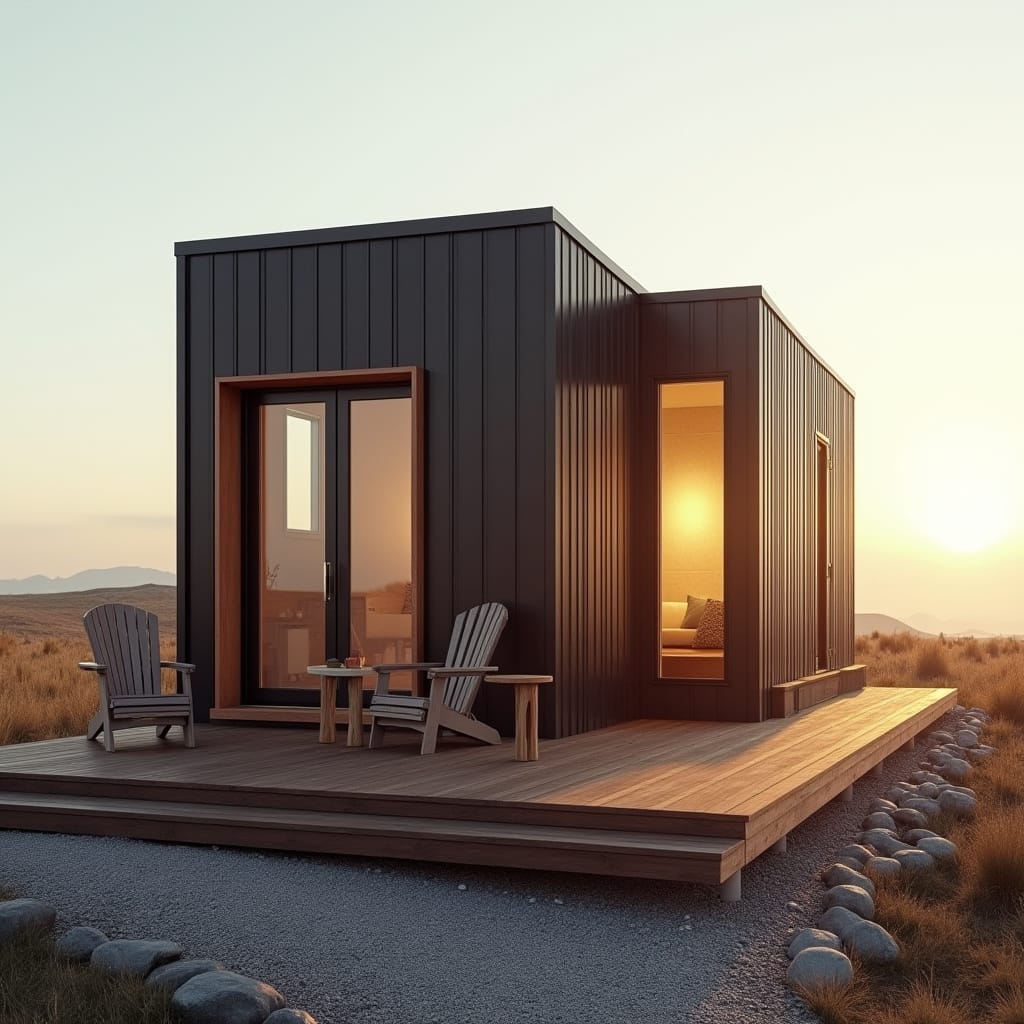
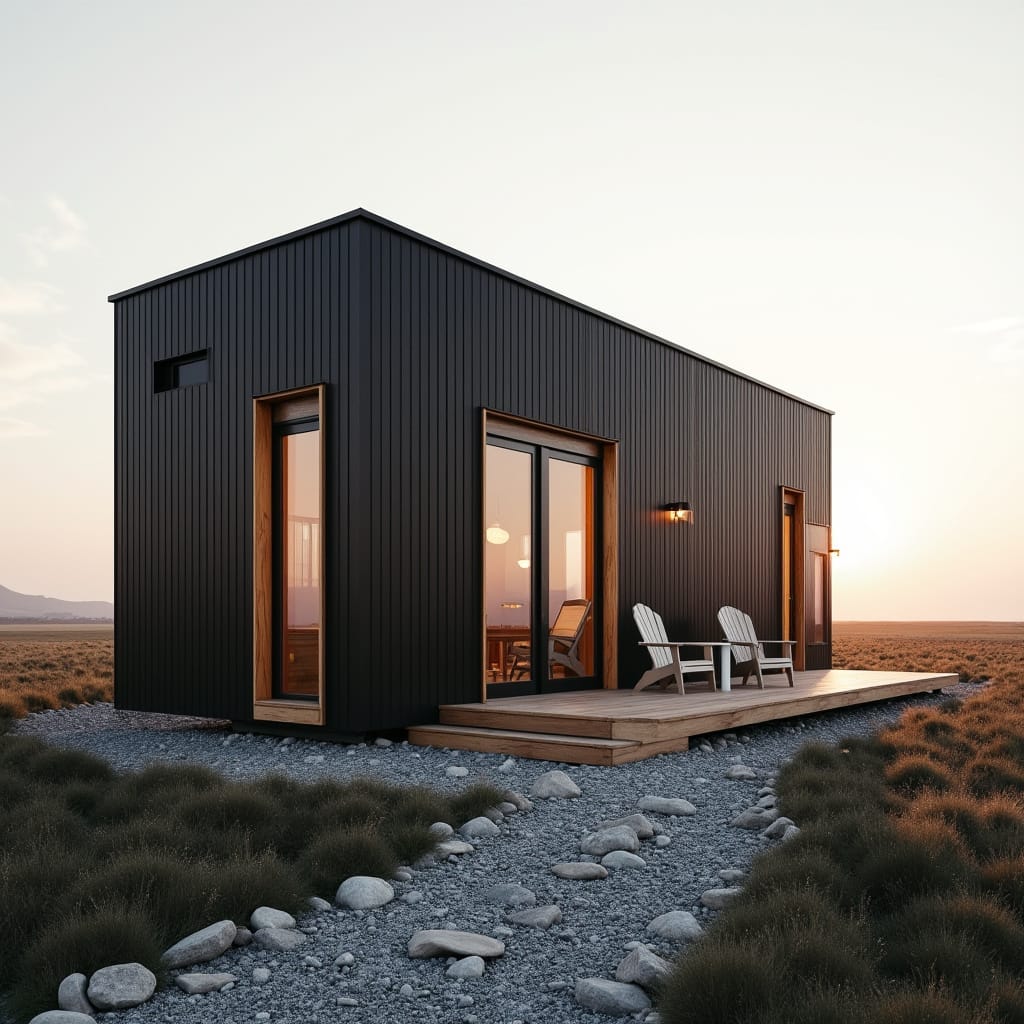
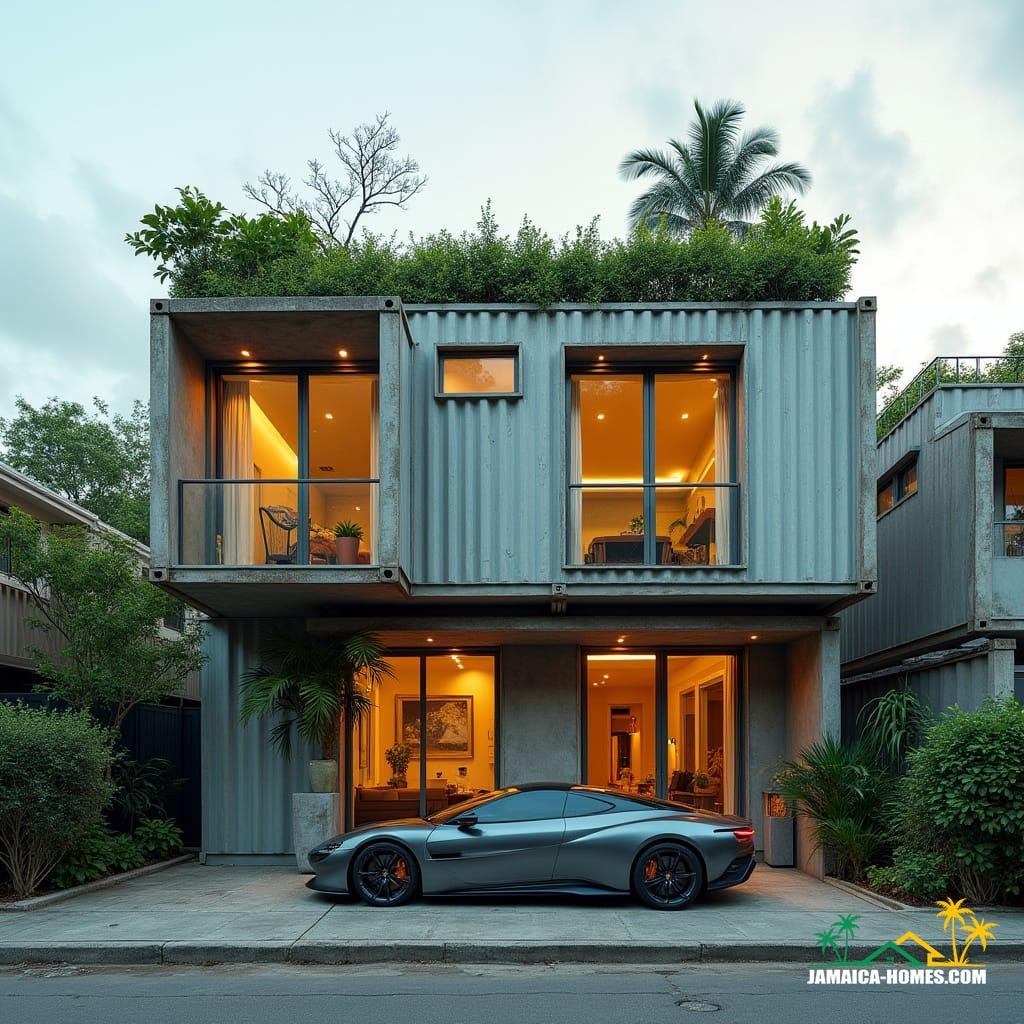
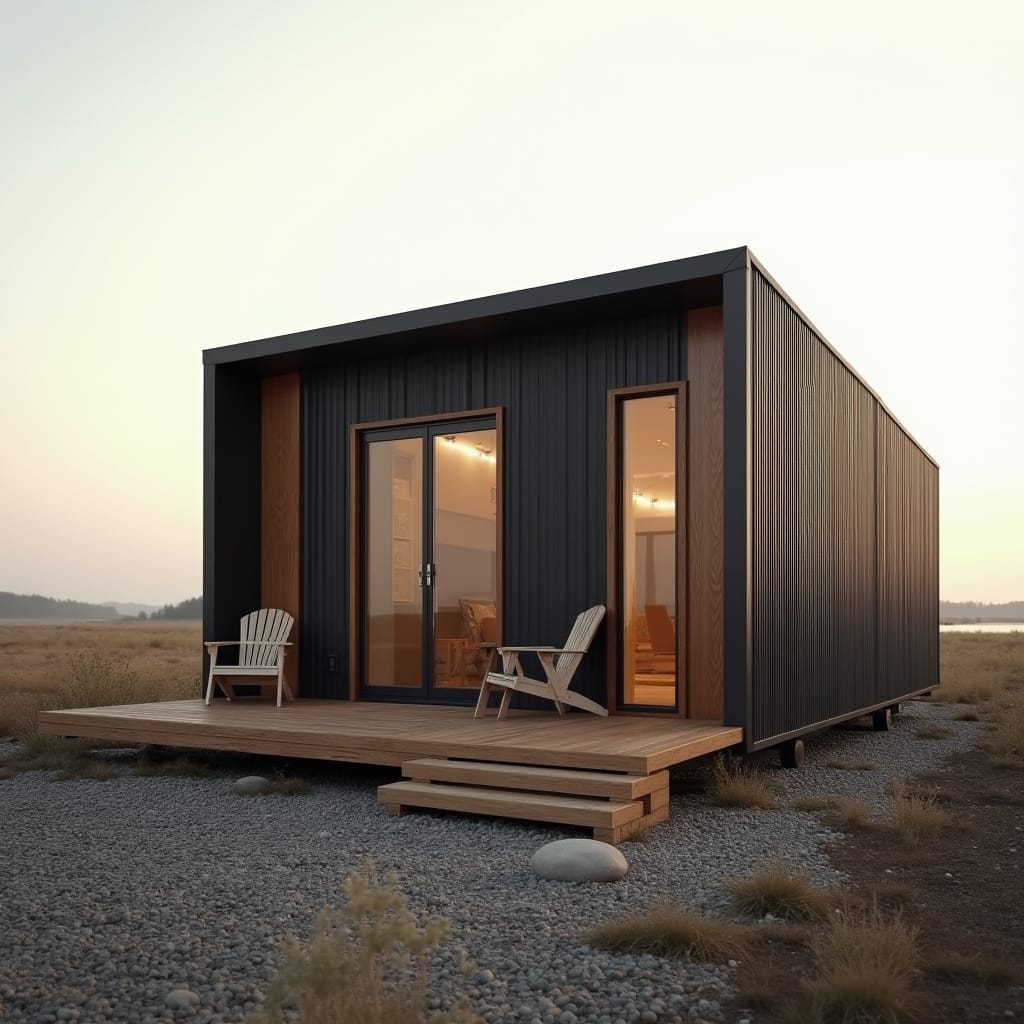
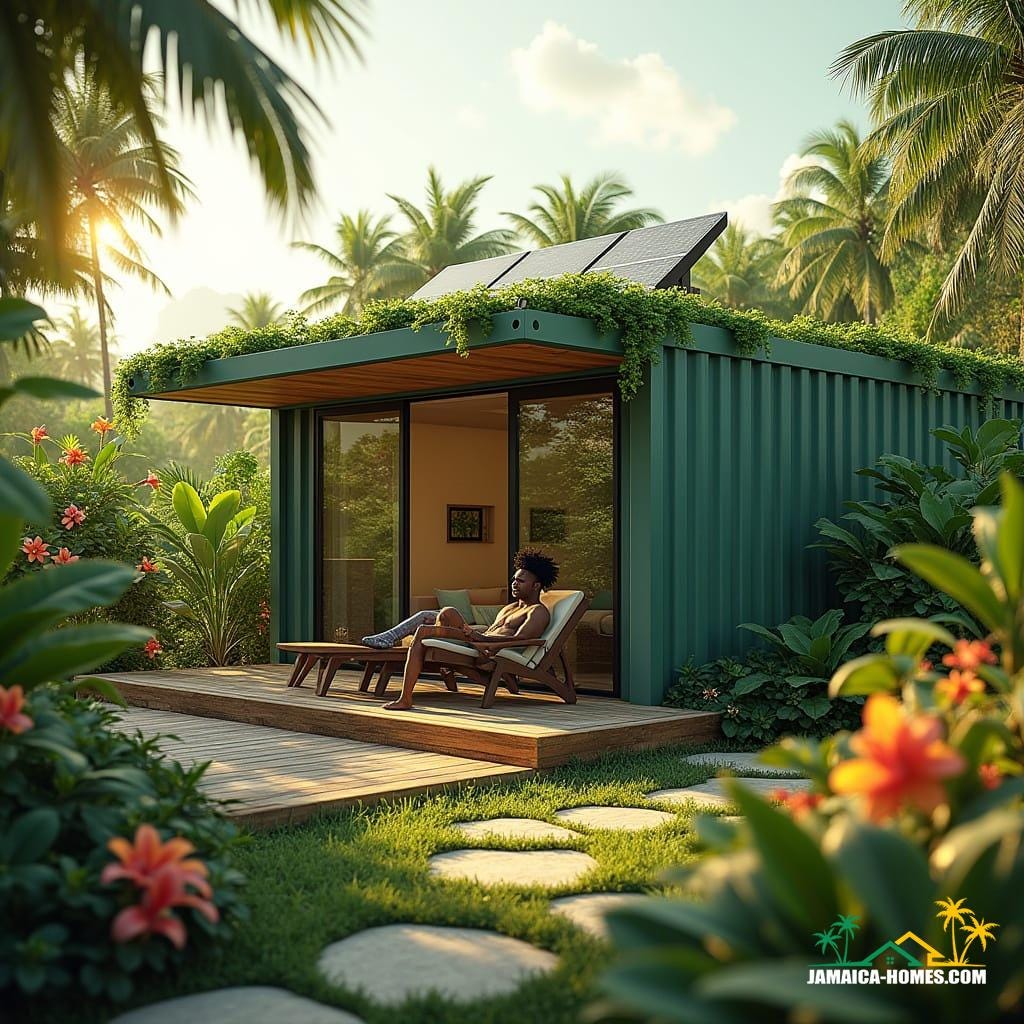
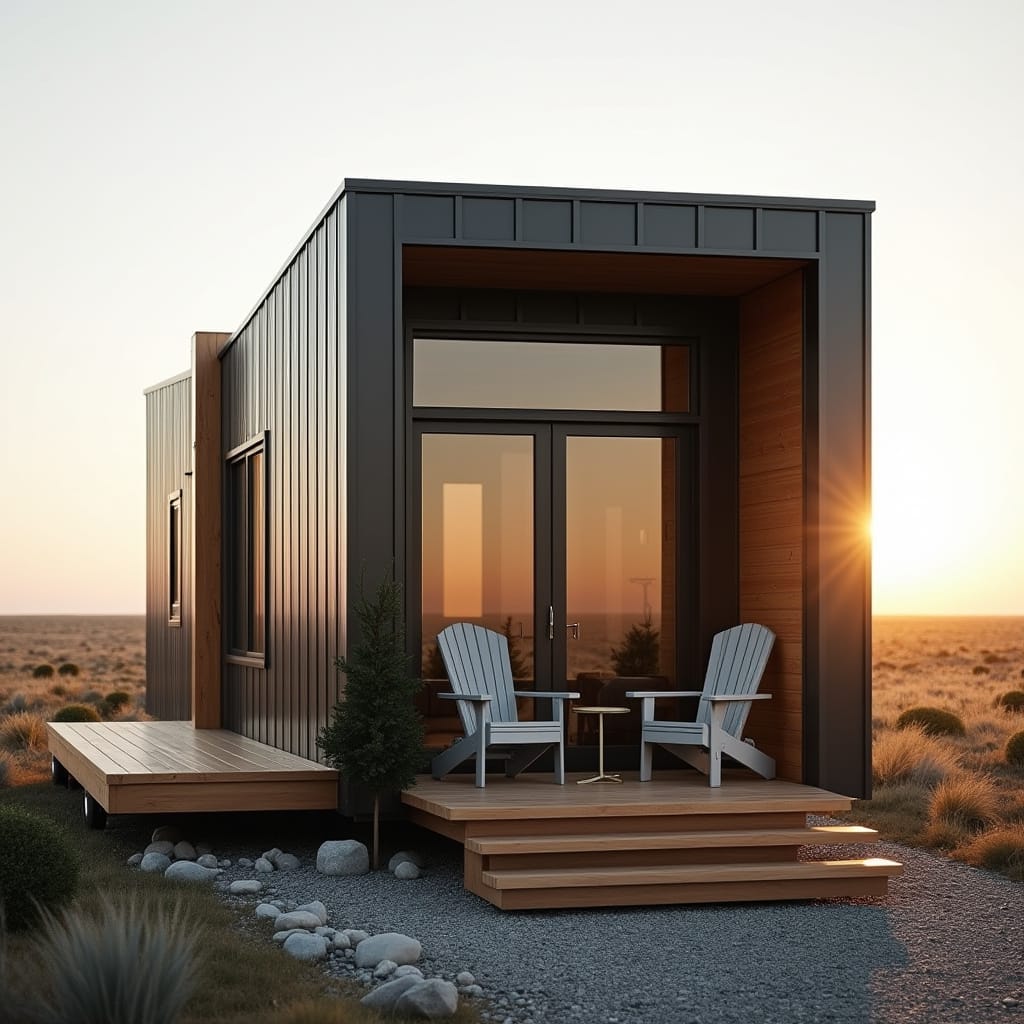
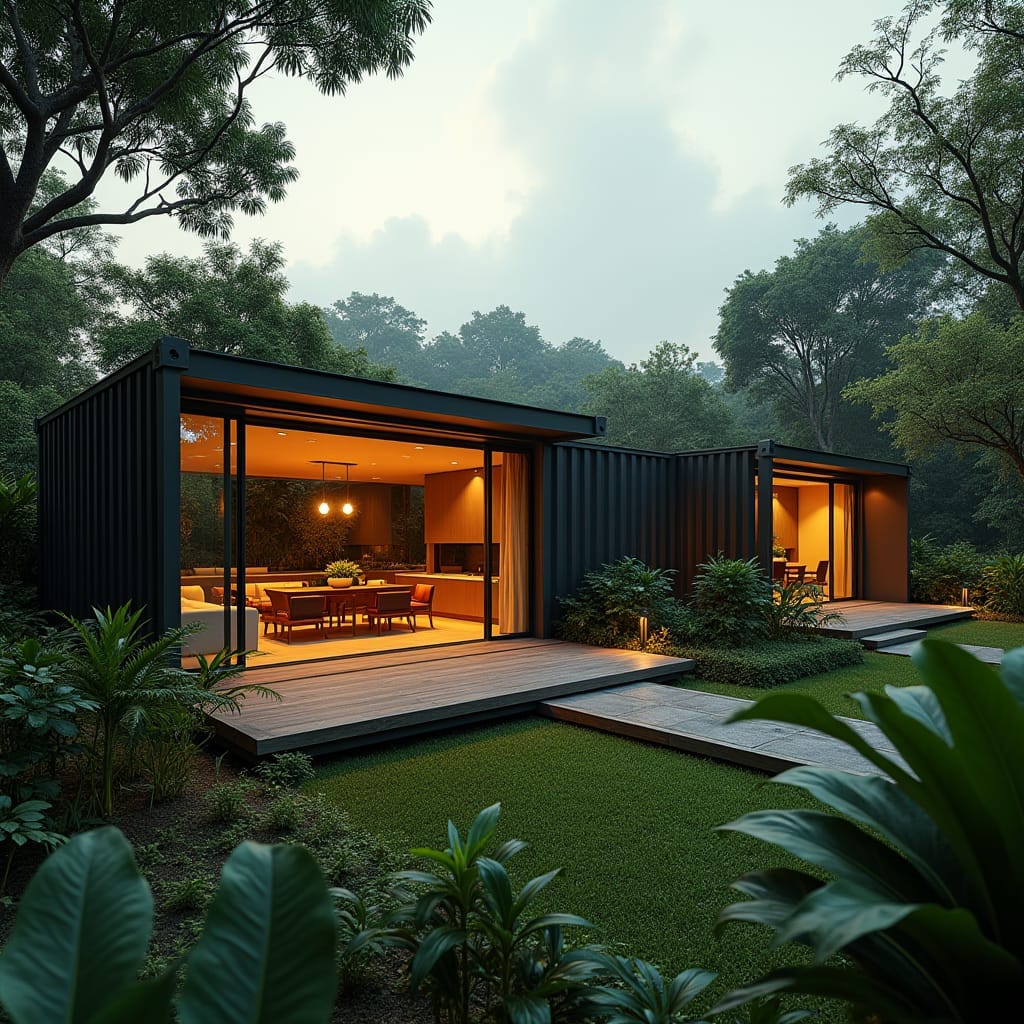
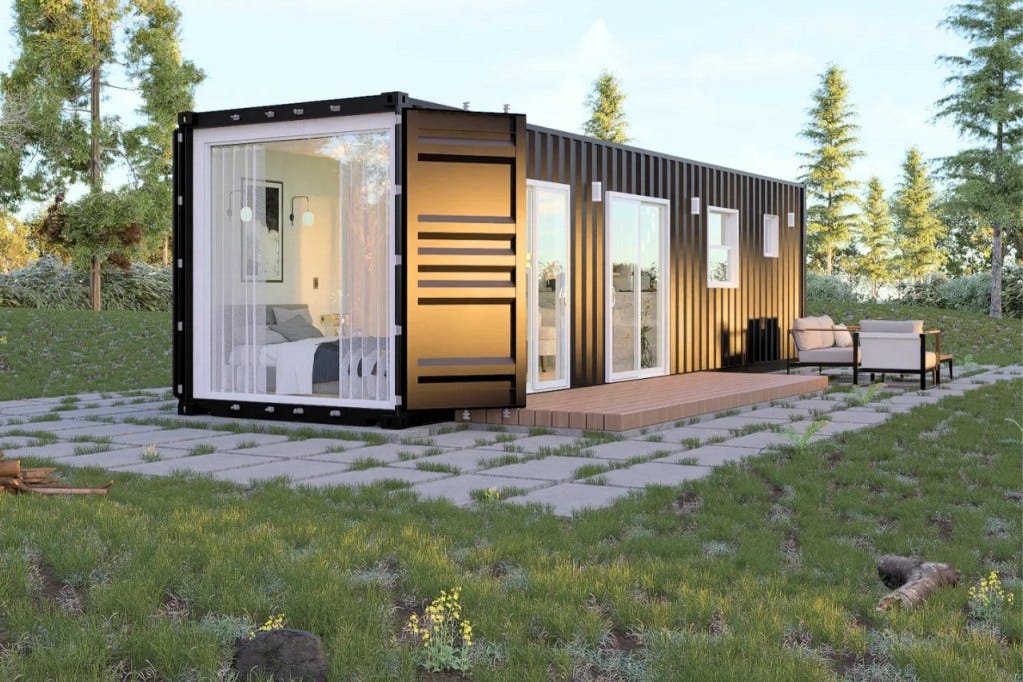
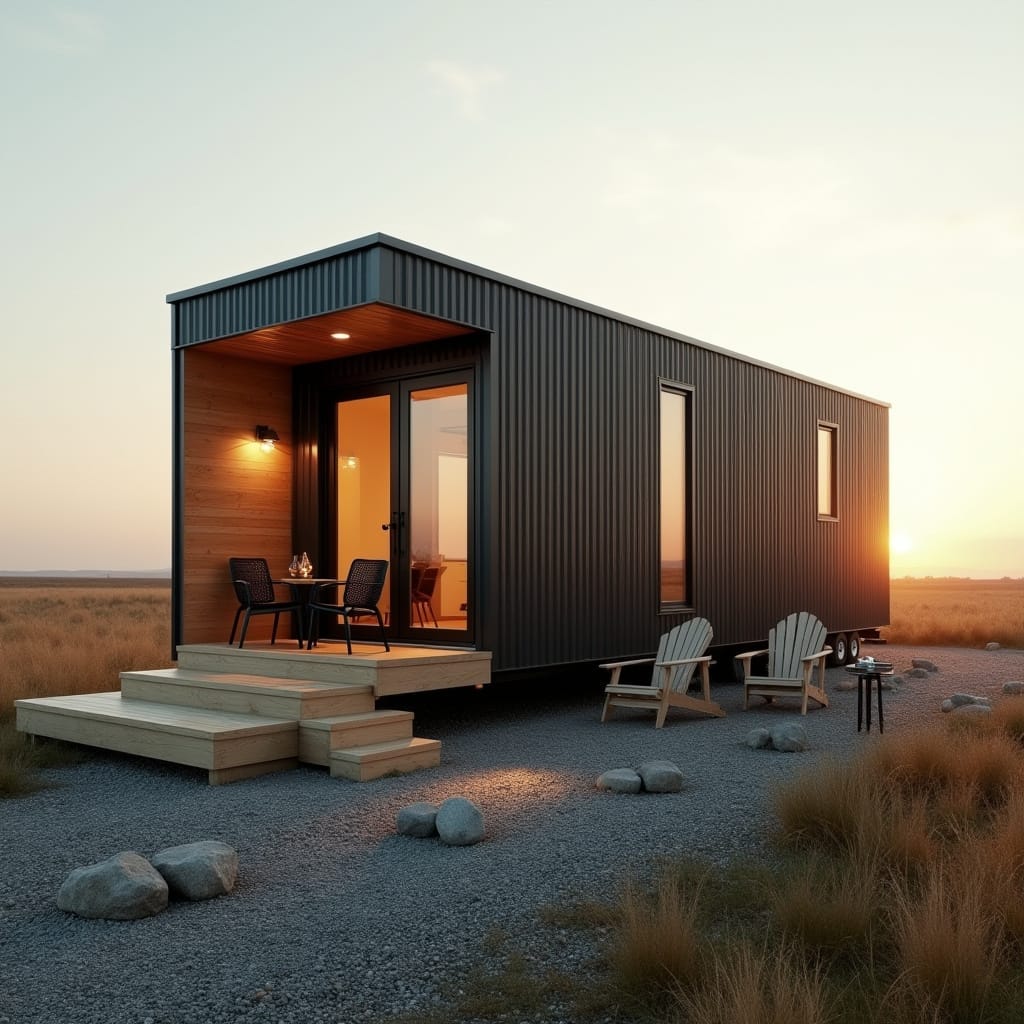
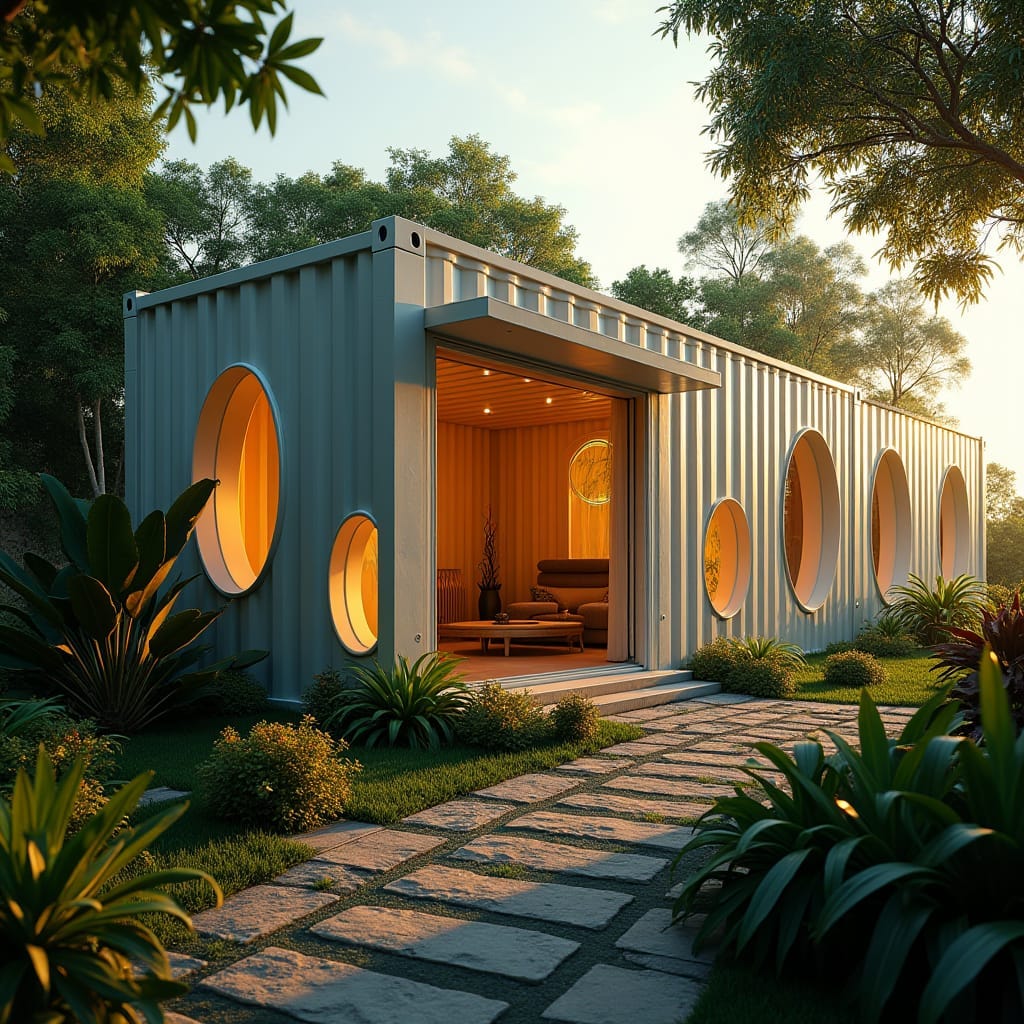
I’ve seen some stunning designs. I’ve created and shared many concepts through Jamaica Homes over the years:
Clean lines
Bold glass openings cut into the steel
Proper cladding
Clever ventilation
Timber decks
Two containers forming a courtyard
Even rooftop terraces looking out over the hills or the sea
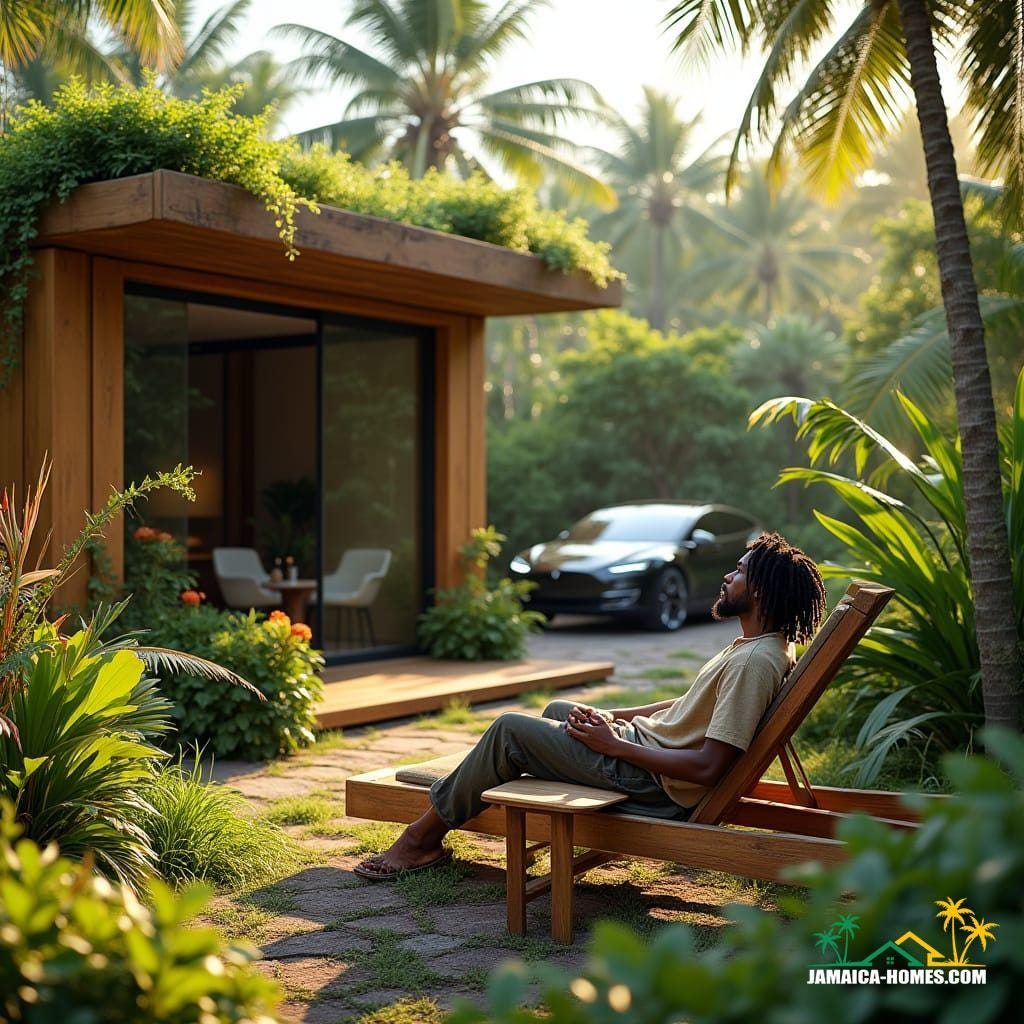
These are not “sufferation boxes”. These are homes you could be proud to invite people to.
People sometimes think containers are limiting. I actually think the opposite: limits can push creativity. When you work within a defined frame—like a 20-foot or 40-foot box—good design finds smart ways to make that space feel open, comfortable, and functional.
Over the last two to three years, I’ve spoken to at least ten prefab and container providers. I was getting calls about container homes from around four years ago. In 2021, there was even a kind of “container craze” in Jamaica, until container prices spiked and the maths stopped working for a lot of people. At that point, for me, it just wasn’t realistic to push one-container solutions any further at scale.
Now the conversation is back. And my position is simple: a container is only as good as the system around it.
Container Homes Are More Than a Metal Box
Let’s strip away the hype and the politics.
A container home is not just a metal box dropped on a piece of land. It’s a system.
When container homes are done properly, you’re looking at a carefully coordinated set of decisions about:
Foundations
Structural reinforcement
Climate and site conditions
Orientation (where it faces)
Ventilation
Insulation
Water and electrical services
Safety and engineering standards
Cladding and finishes
Internal spatial planning
This is not like knocking up a board house in a weekend. It’s not just, “put it there and we’ll see what happens.”
This is engineering. Controlled. Precise. Intentional.
For me, it’s not the container that makes it a home—it’s the decisions around it. The foundation, anchoring, airflow, insulation… that’s where safety and comfort live.
So let’s talk about some of those realities.
Foundation: Where It All Really Starts
Before you start thinking about kitchen layout or bedroom size, there’s one thing we can’t ignore: the ground.
Every container home needs a foundation that’s right for the site. Jamaica doesn’t have one type of soil or one type of land. We build on:
Coral stone
Alluvial plains
Volcanic rock
Loose coastal sands
Steep mountain slopes
Karst limestone
Each one behaves differently.
You might support a container on:
Concrete piers
Strip footings
A full concrete slab
Steel piles
But whatever you use, it must be engineered for:
Hurricanes
Earthquakes
Soil depth and bearing capacity
Good foundations aren’t exciting to look at, but they’re the quiet heroes of every home. If you get the base wrong, everything above it becomes a very expensive lesson.
In coastal areas, you then add another layer of complexity:
Salt air and corrosion
Rising water levels
Flooding risk
All of that shapes how you design the base and how high you elevate the structure.
From foundation, we move to placement.
Orientation: Sun, Wind and Common Sense
A bare container, left alone, is going to be hot. That’s the reality. It’s a steel box in a tropical country.
The question is not, “Are containers hot?” The real question is, “What are we doing about it?”
To make a container home work in Jamaica, we have to get serious about:
Where the breeze comes from
How the sun moves around the building
Whether the container is shaded or fully exposed
Whether there are mountains, buildings, or trees that block or channel wind
We should be asking things like:
Are we taking advantage of natural airflow?
Are we reducing afternoon heat gain?
Are we designing overhangs or shading?
Are we placing openings where they actually make sense for the climate?
These are not style questions. These are survival and comfort questions in tropical architecture.
For me, the wind is your free air-conditioner, and the sun is both your best friend and your worst enemy. A smart design listens to both.
Ventilation and Insulation: Non-Negotiable
Let me be very clear:
Without proper ventilation and insulation, a container home in Jamaica will not work.
Full stop.
Ventilation cannot be random. You can’t just cut a couple of windows and hope for the best. Openings have to be thought through:
What’s the climate zone?
What’s the elevation of the site?
How strong is the prevailing wind?
How does heat build up and escape?
Cross-ventilation is critical. If air cannot come in on one side and escape on another, the container will trap heat.
Insulation is just as important. That might mean:
Insulated sandwich panels
Rock wool
Spray foam
External cladding systems with an air gap
A container can be cool and comfortable, but only if we respect the physics and design for it.
Joining Containers: From a Box to a Home
A single 20-foot container works for a small studio. A 40-foot container can hold a compact bedroom, kitchen, and living space. But large families? That’s a different story.
The good thing is that containers are modular. They’re designed to be stacked and joined. That’s where creativity really opens up.
Two containers might give you:
A larger open-plan living room
A courtyard between them
Two separate bedroom wings
A shaded breezeway
Three containers? You can start thinking about:
Split-level or two-storey designs
Extended layouts with more privacy
Four containers? You’re talking about:
Full family homes
Wrap-around verandas
Patios and terraces
More interesting internal layouts
To me, one container is a room. Two containers start to feel like a home. Three or more let you tell a proper story with space.
But no matter how many containers you join, they still have to meet national building codes and standards.
Temporary vs Permanent: What Are We Really Building?
Some container solutions are designed as temporary:
Emergency shelters
Transitional housing
Short-term projects
There’s nothing wrong with temporary solutions — as long as we treat them as temporary.
The problem comes when “temporary” quietly becomes “permanent,” and people end up living in something that was never designed to last 10, 20, or 30 years.
If we’re using container homes in Jamaica:
A temporary product should not be sold to the public as a long-term housing answer.
A permanent product must have the structure, materials, and systems to hold up over decades.
Durability, flexibility, and adaptability are key.
Certifications, Cladding, and Finishes: Where Quality Shows
There’s a big difference between a cheap steel box and a properly designed, properly finished container home.
We need to be asking:
Is the structure certified?
Are the welds, cuts, and reinforcements done by professionals?
Is it well insulated?
Is there proper cladding to protect from heat and corrosion?
Are electrical and plumbing systems up to standard?
Is water drainage and waterproofing sorted?
A container can last 6 months, 10 years, or 50 years. It depends on how seriously we take the build and the quality of what we’re putting in and on it.
If Jamaica goes the container route at any scale, we cannot afford to buy cheap, unregulated products. That would fail the people. Done properly, however, it could change lives.
The Economics: Craze vs Common Sense
Around 2021, container prices shot up worldwide. Jamaica felt that. I was getting calls from people excited about container homes, but when you sat down and did the numbers, for a while it just didn’t make economic sense. One-container builds, especially, were hard to justify.
Eventually, markets stabilise. People start looking at container homes again. But this time the question needs to be bigger than:
“Can we do it?”
We need to ask:
Is it cost-effective over its lifetime?
Is it scalable?
Is it appropriate for Jamaica’s different terrains and climates?
Container homes can be part of the national strategy. But they cannot be the only strategy.
We don’t need one solution. We need a basket of solutions. Different land types, different family structures, different communities — Jamaica is too varied for a one-size-fits-all answer.
Designing With Dignity
At the heart of this, for me, is dignity.
Good architecture is not about showing off. It’s not about trendy ideas or who can announce the most innovative-sounding programme.
It’s about the people who have to live in those spaces every day:
Their comfort
Their safety
Their self-respect
A home is often the first place a child learns what safety feels like. If we get housing wrong, we get a lot of other things in society wrong too.
Container homes, if done well, can be uplifting. Done badly, they can feel like punishment.
We must choose dignity.
Where Do We Go From Here?
So what should Jamaica do?
The same thing any good designer, engineer, or builder does before committing:
step back, look carefully, ask the right questions, and move deliberately.
If we’re serious about container homes, we need to look at:
Proper certification
Climate-responsive design
Sustainable energy where possible
Serious ventilation and insulation strategies
Suitable elevation in flood-prone or coastal areas
Materials that can stand up to salt air and heat
Layouts that can work for different family types
Accessibility for people with disabilities
Fire safety and emergency access
Reliable water, power, and wastewater systems
Long-term affordability, not just short-term convenience
Not every solution works on every site.
Not every container type fits every community.
But with the right approach, container homes can sit alongside other models as part of a wider housing mix — not as a miracle fix, but as one useful tool in the toolbox.
In the end, a container is just a starting point. What really matters is the thought, care, and respect that go into turning it into a real home.
If we’re going to do this as a country, then my view is simple:
let’s not just do it fast — let’s do it right.


Disclaimer:
The views expressed in this article are my own professional opinions based on my experience in building, engineering, surveying, and real estate. I am not involved in any Government-led container home programme, and I have not reviewed their official plans, specifications, or decisions. Nothing here should be taken as legal, engineering, or construction advice. Anyone considering a container home should consult certified professionals to assess design, safety, cost, and site-specific requirements. This article is for public discussion and general information only.