

Cuba’s Waste Crisis Signals Wider Infrastructure Risks Across the Caribbean
Fuel shortages, collapsing collection systems and rising public health fears highlight how fragile urban services can quickly affect housing, sanitation and community stability

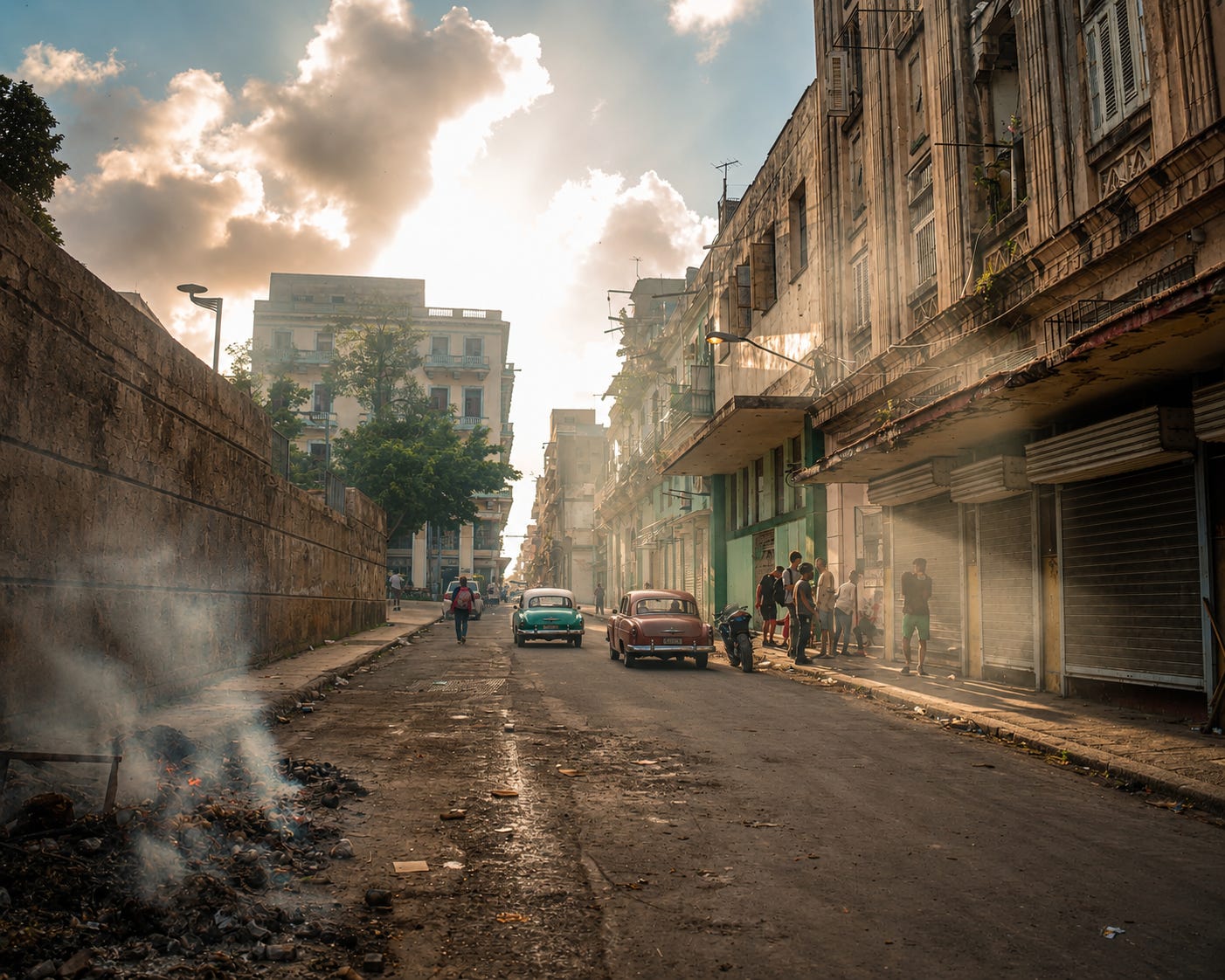
A growing waste management crisis in Cuba, driven by severe fuel shortages and deteriorating infrastructure, is raising broader questions across the Caribbean about the resilience of urban systems that support public health, housing, and everyday life.
Reports from Havana describe large piles of uncollected rubbish accumulating in residential communities as fuel shortages reduce the number of operational collection trucks. In some areas, authorities have reportedly resorted to controlled rubbish burning in an effort to manage growing waste levels, despite concerns over air pollution and health risks.
The situation has become particularly visible in densely populated districts where smoke from burning waste drifts through homes, schools, and commercial areas. Medical professionals cited in international reporting have warned of increasing hygiene-related illnesses, mosquito-borne disease risks, and deteriorating environmental conditions linked to irregular waste removal.
While the crisis is unfolding within Cuba’s unique political and economic environment, the underlying pressures are not entirely unfamiliar to Caribbean territories that remain vulnerable to fuel disruptions, infrastructure strain, climate pressures, and uneven public investment.
For Jamaica and other island nations, the story is less about geopolitics and more about what happens when critical urban systems begin to fail simultaneously.
Housing Depends on More Than Buildings
Real estate is often discussed in terms of construction, land values, mortgages, and investment. Yet the long-term value of housing also depends on systems that residents rarely think about until they begin to break down.
Waste collection, drainage, road access, electricity reliability, water supply, and public sanitation all form part of the invisible framework that allows communities to function normally. When those systems weaken, the impact is felt directly inside homes and neighbourhoods.
In Havana, residents reportedly described rubbish remaining uncollected for weeks at a time, attracting rats, flies, and mosquitoes near residential buildings. The conditions have created growing anxiety about public health, particularly as Cuba enters its rainy season, when mosquito-borne illnesses become more common.
The wider lesson for Caribbean cities is that urban resilience is not only about major development projects or new construction. It is also about the ability of governments and municipalities to maintain basic operational systems consistently during periods of stress.
That question has growing relevance across the region as climate events, inflation, supply chain disruptions, and energy costs place additional pressure on already stretched infrastructure networks.
The Hidden Link Between Sanitation and Property Stability
Poor sanitation has historically affected property values, rental demand, tourism confidence, and investment perception in cities around the world. In island economies where tourism, migration, and urban concentration shape economic activity, visible declines in sanitation can quickly affect confidence in entire districts.
For homeowners and tenants alike, prolonged waste accumulation can alter daily living conditions, increase health risks, and place additional strain on already vulnerable communities.
The Cuban case also illustrates how quickly service disruptions can spill into broader quality-of-life concerns. Reports describe residents burning rubbish independently, smoke moving through narrow urban streets, and informal dumping areas emerging near homes.
In practical terms, these conditions affect not only public health but also the liveability of urban environments.
Across Jamaica, conversations around housing shortages and development often focus on building more units. But infrastructure resilience remains equally important. New housing developments, apartment projects, and expanding urban communities all depend on reliable systems operating behind the scenes.
Without sustained investment in sanitation, drainage, roads, utilities, and local government capacity, housing pressures can evolve into broader urban management problems over time.
A Caribbean Warning About Urban Resilience
The Caribbean has long faced the challenge of balancing limited resources with growing urban demands. Fuel dependency, import costs, climate exposure, and infrastructure maintenance remain persistent pressures throughout the region.
The Cuban crisis represents an extreme example of how interconnected those systems can become.
In many Caribbean societies, the condition of public infrastructure is deeply tied to household security. A functioning city supports more than commerce. It supports dignity, stability, and confidence in everyday life.
When waste collection becomes irregular, drainage fails, or public services weaken, the effects are rarely confined to infrastructure alone. They affect schools, businesses, healthcare systems, transportation, and the broader perception of safety and order within communities.
For Jamaica, where urban growth continues in areas such as Kingston and St Andrew, Montego Bay, Portmore, and expanding town centres, long-term resilience may increasingly depend not only on building new housing, but on ensuring the systems surrounding that housing remain durable under pressure.
Looking Beyond Construction
As Caribbean governments continue discussing development, resilience, and national growth, the Cuban experience offers a stark reminder that modern cities are held together by operational systems that often receive less attention than major construction projects.
Roads can be widened, apartments can be built, and investment can increase, but urban stability ultimately depends on whether the services beneath everyday life continue functioning consistently.
The condition of a city is not measured only by skylines or new developments. It is also measured by whether rubbish is collected, drains are cleared, water flows reliably, and communities remain healthy enough to function normally.
In that sense, the events unfolding in Havana are not simply a sanitation story. They are a wider warning about how fragile urban resilience can become when economic pressure, infrastructure strain, and public service disruption collide at the same time.