



Building a home is one of life’s most significant endeavors. It’s a process that requires careful planning, thoughtful decision-making, and collaboration with experts. From conceptualizing your dream house to monitoring construction and managing costs, this guide will walk you through every step.

How to Approach Designing Your Home
The first step in building your home is to establish your vision. This involves considering your lifestyle, preferences, and future needs. Hiring a professional architect is crucial, as they bring technical expertise, creative solutions, and regulatory knowledge to the table. Architects not only produce designs but also coordinate construction teams, select materials, and ensure compliance with safety standards.
Why Hire a Professional Architect?
Building a home is often a once-in-a-lifetime investment.
Architects provide personalized designs that fit your needs, lifestyle, and site.
They can help you save time and money by minimizing errors and optimizing construction processes.
Before meeting with an architect, ask yourself:
How many people will live in the house?
What spaces are essential (e.g., bedrooms, bathrooms, kitchen)?
Do you prefer open spaces or compartmentalized layouts?
Will the design allow for future expansion?
By answering these questions, you’ll clarify your requirements and provide your architect with a strong foundation to begin the design process.
What to Do Before Engaging an Architect
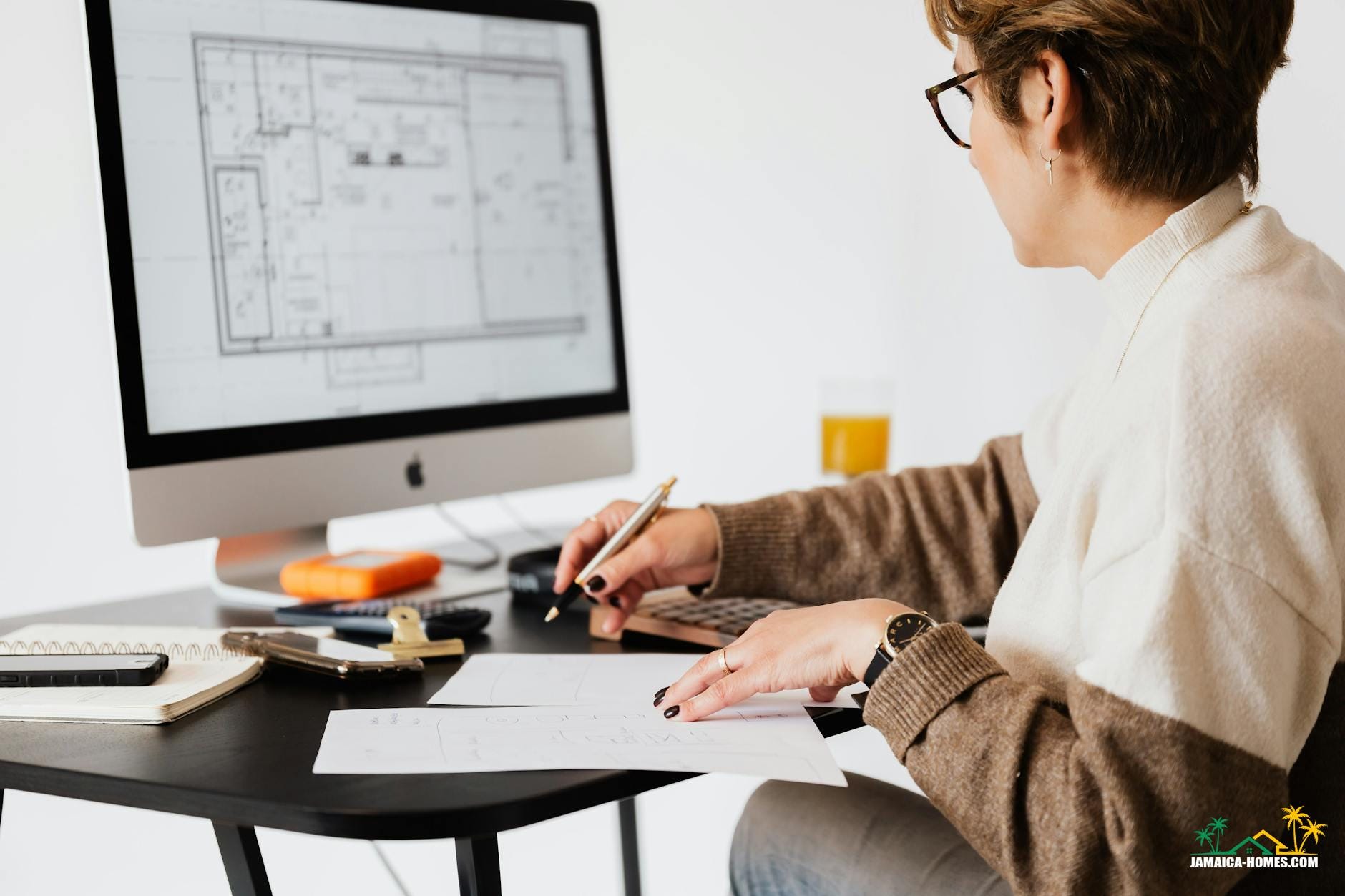
Preparation is key. Before approaching an architect, take these steps:
Identify Your Lot: Choose a plot that suits your needs and budget. Consider factors like slope, soil quality, and accessibility.
Establish a Budget: Understand your financial limitations and allocate funds for design, materials, labor, and unexpected costs.
Collect Inspiration: Gather photographs, magazine clippings, or sketches to communicate your preferences.
Understand Local Regulations: Research zoning laws, building codes, and environmental requirements in your area.
Having this information will streamline your discussions with your architect and ensure that your project starts on solid ground.
How to Select an Architect
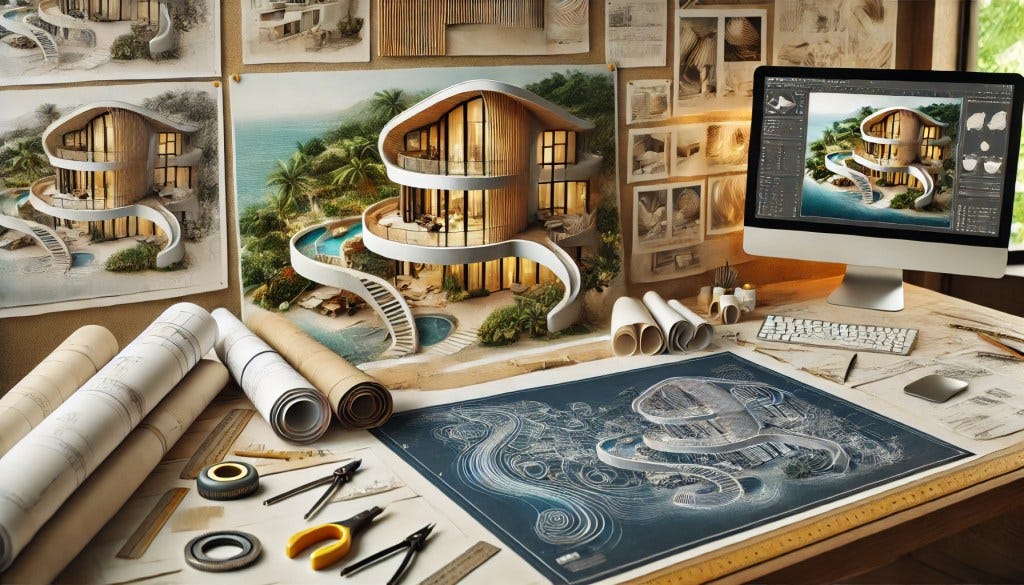
Finding the right architect is critical. Look for someone whose style and approach align with your vision. Here are some tips:
Check Credentials: Verify the architect’s certification and licensing.
Review Portfolios: Examine previous projects to assess their expertise.
Conduct Interviews: Discuss their process, timelines, and fees.
Seek Recommendations: Ask friends or neighbors who have built homes for referrals.
An architect who understands your needs and communicates effectively will make the design process smoother and more enjoyable.
Before You Build: Planning and Team Building

Before construction begins, assemble a reliable team. Key members include:
Land Surveyor: To map out your property’s boundaries and features.
Quantity Surveyor: To estimate costs and manage your budget.
Builder/Contractor: To oversee construction and ensure quality.
Structural Engineer: To design the structural components of your home.
Each team member plays a vital role in bringing your project to life, so choose professionals with proven track records.
Monitoring the Construction
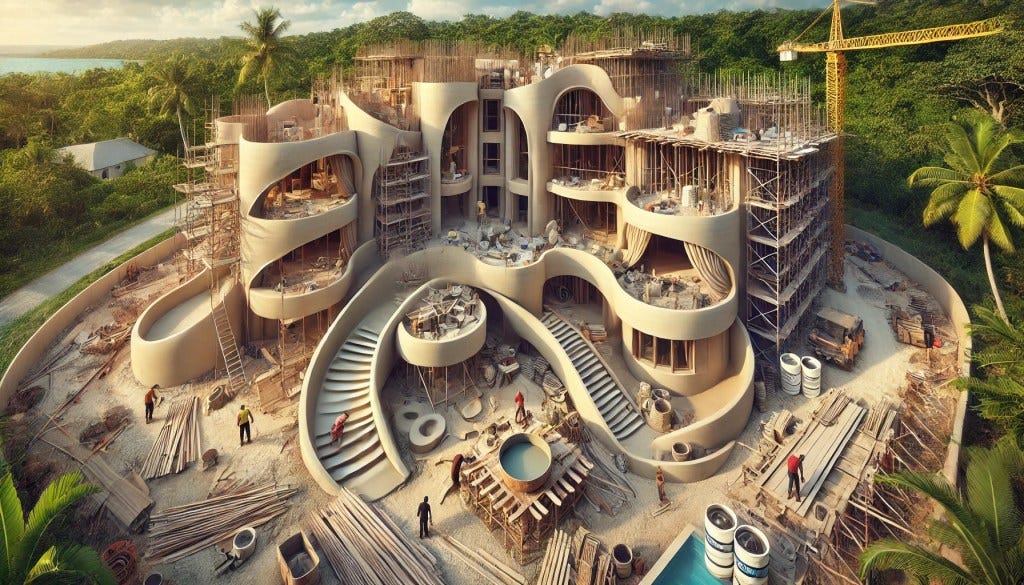
Active involvement during construction is essential. Regularly visit the site to observe progress and address issues promptly. You can also hire an architect or engineer to perform periodic checks and ensure that work adheres to the agreed-upon specifications. Maintaining clear communication with your builder and keeping detailed records of all transactions and changes will help prevent misunderstandings and delays.
Factors That Influence Your Cost
Understanding the variables that affect construction costs can help you budget effectively. Key factors include:
Size and Shape of the House: Larger and more complex designs are costlier to build.
Site Conditions: Steep slopes, rocky terrain, or poor soil quality may require additional preparation and expense.
Material Selection: High-end materials and finishes can significantly increase costs.
Design Features: Intricate details, custom elements, and energy-efficient systems may add to the budget.
Market Conditions: Inflation and fluctuating prices for labor and materials can impact overall costs.
Plan for contingencies by setting aside 5-10% of your budget to cover unforeseen expenses.
How to Reduce Your Cost
Cost-saving strategies can help you stay within budget without compromising quality:
Optimize the Design: Simplify the layout and avoid unnecessary complexities.
Choose Affordable Materials: Use cost-effective alternatives that still meet your aesthetic and functional requirements.
Minimize Wastage: Design within standard material dimensions to reduce cutting and disposal costs.
Plan for Energy Efficiency: Invest in solar panels, water catchment systems, and energy-efficient appliances to lower long-term operational expenses.
Buy in Bulk: Purchase materials in larger quantities to take advantage of discounts.
Your Toolkit Is Ready
With proper planning, a skilled team, and informed decisions, you are now equipped to embark on your home-building journey. Remember to:
Be patient and adaptable.
Maintain clear communication with all stakeholders.
Regularly review progress and financials.
Building a home is not just about constructing walls and a roof; it’s about creating a space that reflects your personality, supports your lifestyle, and accommodates your future aspirations. By following this guide, you can turn your dream home into a reality, ensuring it’s a source of pride and joy for years to come.