

Downsizing with Dignity: How Returning Residents Are Selling Up and Starting Small in Jamaica

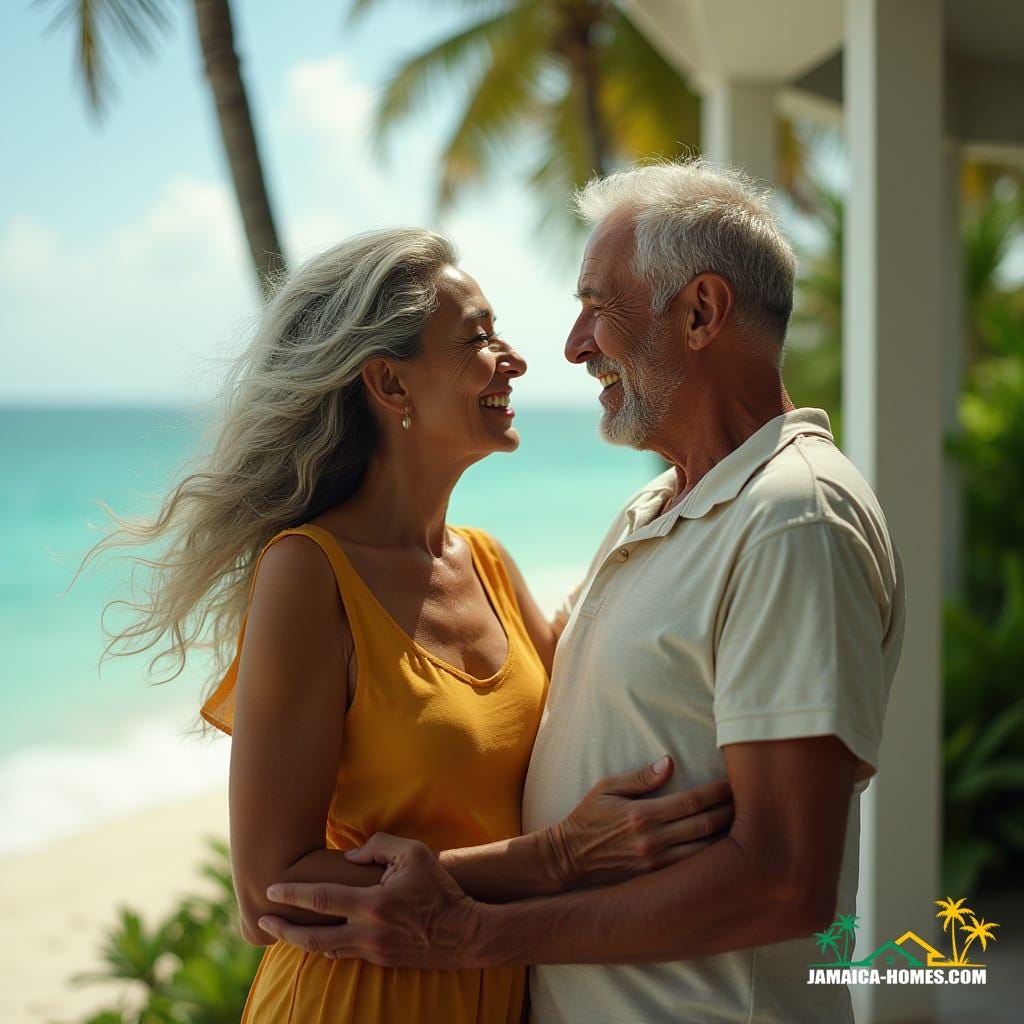
For decades, the dream of many Jamaicans living abroad has been to return to the island and build a home—often large, impressive, and symbolic of a life well lived overseas. But as time passes and realities shift, a new narrative is taking root. A growing number of returning residents who once invested in sprawling houses are now choosing to sell their properties and embrace a more modest lifestyle.
This is the era of downsizing with dignity.
According to Dean Jones, Realtor Associate at Coldwell Banker Jamaica Realty and founder of Jamaica Homes, this trend reflects both practical wisdom and personal growth:
“For many returnees, their big dream home served its purpose. Now, it’s about peace, not prestige. Health, not hassle. And freedom, not floor space.”
A Brief History: How the Big Homes Came to Be
The roots of the returnee housing boom trace back to the late 1970s and 1980s. Jamaicans who had migrated to the UK, Canada, and the United States began returning with pensions, savings, and a powerful desire to make their mark. Many of them built large, multi-bedroom houses—often with extra rooms for family visits, hosting friends, or simply showing success.
In some cases, these homes were built over time—one floor at a time, sometimes taking decades. But the intention was always clear: to live out their golden years in comfort, surrounded by familiarity.
Fast forward to today, and many of these same homes sit half-used or in disrepair, occupied by just one or two aging individuals struggling to manage stairs, maintenance, and empty rooms.
The Motivations for Selling Up
Several key factors are now encouraging returnees to sell their large homes and consider smaller options:
Health Concerns: Older adults are realizing that multi-storey homes are not friendly to aging joints. Stairs become a hazard, and maintenance of large homes becomes physically taxing.
Loneliness and Underutilization: Children and grandchildren who once visited often now live far away. Extra rooms go unused, gardens overgrow, and large kitchens cook for one.
Security and Peace of Mind: Large, isolated homes can attract unwanted attention. Downsizing to a gated or tight-knit community offers more peace of mind.
Financial Flexibility: Selling a large property can free up capital for travel, healthcare, or investing in a simpler, more functional home in a safer or more scenic area.
Rising Property Values: Especially in areas like St. Ann, St. Mary, and parts of Manchester, real estate values have appreciated significantly. Many homeowners are sitting on goldmines.
“A lot of these homes could fetch serious money today,” Dean explains. “So I often ask my clients—do you want to live in your asset, or live off it?”
Where Are They Moving To?
Instead of building anew, many returnees are looking for already-built homes or new developments with smaller footprints. Popular destinations include:
Gated communities in St. Catherine and St. Elizabeth
Eco-friendly developments in Trelawny and St. Mary
Townhouses and apartments in Montego Bay and Ocho Rios
Quaint bungalows in rural villages with access to healthcare and transport
Dean notes a particular spike in interest around the White River area of St. Mary:
“White River is thriving. New businesses, river access, health clinics nearby. It’s a perfect blend of nature and convenience for the retiree who still wants a little buzz.”
How to Downsize Gracefully: Tips for Returnees
Start Early: Downsizing isn’t something to rush. Begin the conversation with your family and trusted realtor at least a year before you’re ready to sell.
Get a Property Valuation: Know your home’s worth. Market conditions vary by parish, and some upgrades can significantly increase resale value.
Declutter and Document: Go through your belongings, prioritize what matters, and photograph treasured items. Offer keepsakes to family or create a memory book.
Consider Renting Before Selling: Some returnees choose to rent a smaller place first before committing to selling their big home. This trial run can provide insight into what they truly need.
Work With a Specialized Realtor: Not all agents understand the needs of older sellers or returning residents. Work with someone who respects your history and your future.
“This isn’t just real estate; it’s a life transition,” Dean says. “You need someone who listens, not just someone who lists.”
Embracing Community and Simplicity
Many downsizers report increased satisfaction once they’ve made the move. Smaller homes are easier to clean, more energy-efficient, and often located closer to health facilities and social hubs.
Some returning residents also find joy in joining community associations, volunteering at local churches, or starting small backyard gardens that provide peace and purpose.
“You don’t stop living when you downsize,” Dean shares. “In fact, you often start living better.”
Challenges Along the Way
Downsizing isn’t without its emotional hurdles. Letting go of a home filled with decades of memories can be painful. There’s also the fear of making a wrong move or losing a part of one’s identity.
Dean recommends a balanced approach:
“I always tell my clients, hold the memories, not the mortgage. Your home was part of your journey, not the whole story. Let the next chapter be easier on your back and your budget.”
Real Estate Trends Favor Sellers
In today’s market, returnees with large homes in prime locations are in an excellent position. With the current demand for family-sized housing and land, especially in tourist-adjacent regions, properties often fetch top dollar if staged and marketed properly.
“It’s a seller’s market in many parts of Jamaica right now,” says Dean. “So if you’ve been thinking about it, this may be the best window of opportunity you’ll see for years.”
The Future of Returnee Housing
As Jamaica continues to urbanize and develop, the returnee housing trend is expected to shift further toward compact, secure, and community-oriented living. Developers are already responding with smaller home models and smarter layouts, and Dean believes the best is yet to come:
“We’re seeing a movement toward minimalist luxury. Quality over quantity. Homes that nourish the spirit and respect the earth.”
Final Thoughts: More Than a Move, It’s a Mission
Downsizing doesn’t mean giving up on dreams. For many, it means fulfilling them in a new way—with wisdom, clarity, and peace.
“Coming home is one journey. Knowing when to adjust your home to fit your life is another. Both require courage,” Dean concludes. “But trust me, the view gets better when the load gets lighter.”
CALL TO ACTION: Thinking of Downsizing in Jamaica?
Whether you’re already back in Jamaica or planning your return, it might be time to consider if your current home still fits your needs. If not, downsizing could be the smartest, healthiest, and most freeing decision you make.
Contact Dean Jones at Jamaica Homes for a confidential consultation and let him help you navigate your next move with grace, dignity, and trusted local expertise.
Visit www.jamaica-homes.com or email dean@jamaica-homes.com to get started.
Smaller can be smarter. Let Jamaica feel like home again.
Here are 20 Frequently Asked Questions (FAQs) tailored for returning residents in Jamaica who are considering selling their homes and downsizing:
1. Why are many returning residents in Jamaica choosing to downsize?
Many returning residents are downsizing for health, safety, financial flexibility, and ease of maintenance. Large homes often no longer suit their current lifestyle or physical needs.
2. What are the benefits of selling a larger home in Jamaica?
Benefits include financial freedom, reduced maintenance costs, lower utility bills, improved security, and the ability to relocate to more convenient or safer areas.
3. What are the best locations in Jamaica for retirees looking to downsize?
Popular locations include St. Mary (especially White River), St. Elizabeth, parts of Manchester, gated communities in St. Catherine, and eco-developments in Trelawny.
4. Is now a good time to sell property in Jamaica?
Yes, according to real estate experts, Jamaica is currently experiencing high demand for residential properties, especially in scenic or well-connected areas.
5. How can I determine the value of my home before selling?
Hire a certified property valuator or consult with a reputable realtor who understands the market for returning residents.
6. What documents do I need to sell my home in Jamaica?
Key documents include the registered title, tax certificate, government ID, valuation report, and, if applicable, probate documents if the property was inherited.
7. How long does it usually take to sell a home in Jamaica?
It can take anywhere from 3 to 12 months depending on location, price, market demand, and how well the property is marketed.
8. What should I do before listing my home for sale?
Clean and declutter, complete minor repairs, gather legal documents, and get a professional valuation.
9. What options are available if I want to stay in Jamaica but move into a smaller home?
You can purchase a bungalow, townhouse, or apartment, or relocate to a retirement-friendly community.
10. Are there age-restricted or retirement communities in Jamaica?
While not as common as in some countries, several gated communities cater to older adults with features like single-level homes, security, and proximity to clinics.
11. Can I rent out my large home instead of selling it?
Yes, renting is a viable option. Some returnees rent their properties to tourists, students, or families to generate income while living in smaller accommodations.
12. What costs should I expect when selling a property in Jamaica?
Expect to pay legal fees, stamp duty, realtor commissions (typically 3–5%), and any costs for title updates or lien clearances.
13. How can I avoid being overcharged or scammed by contractors when downsizing?
Work only with licensed professionals, seek referrals, use written contracts, and consult with experienced realtors like Dean Jones.
14. Are there emotional challenges in selling a longtime family home?
Yes. Many returnees struggle with letting go of homes full of memories. Support from family, community, and trusted professionals can ease the transition.
15. What are the best housing types for retirees in Jamaica?
Single-storey bungalows with reinforced concrete roofs, small yards, and close access to essential services are ideal for aging in place.
16. Can I buy a smaller home and use the extra cash for my retirement?
Absolutely. Many downsizers use the proceeds from selling a larger home to bolster retirement savings, invest, or fund medical and travel needs.
17. What should I know about the Jamaican real estate market as a returning resident?
The market is competitive, especially in scenic or tourism-adjacent areas. Working with a realtor familiar with returnee needs is crucial.
18. Are there tax implications for selling property in Jamaica?
Yes, you may be subject to transfer taxes and capital gains implications. It’s important to consult with a tax advisor or real estate attorney.
19. Can a realtor help me both sell my large home and find a smaller one?
Yes. Realtors like Dean Jones at Coldwell Banker Jamaica Realty specialize in this full-service transition for returning residents.
20. Where can I get reliable help and guidance for this transition?
Connect with Jamaica Homes, the Returning Residents Group of Jamaica, and reputable real estate professionals for support throughout the process.
Disclaimer: This article is for informational purposes only and does not constitute legal or financial advice. Please note: Jamaica Homes is not authorized to offer financial advice. The information provided is not financial advice and should not be relied upon for financial decisions. Consult a regulated mortgage adviser for guidance.