


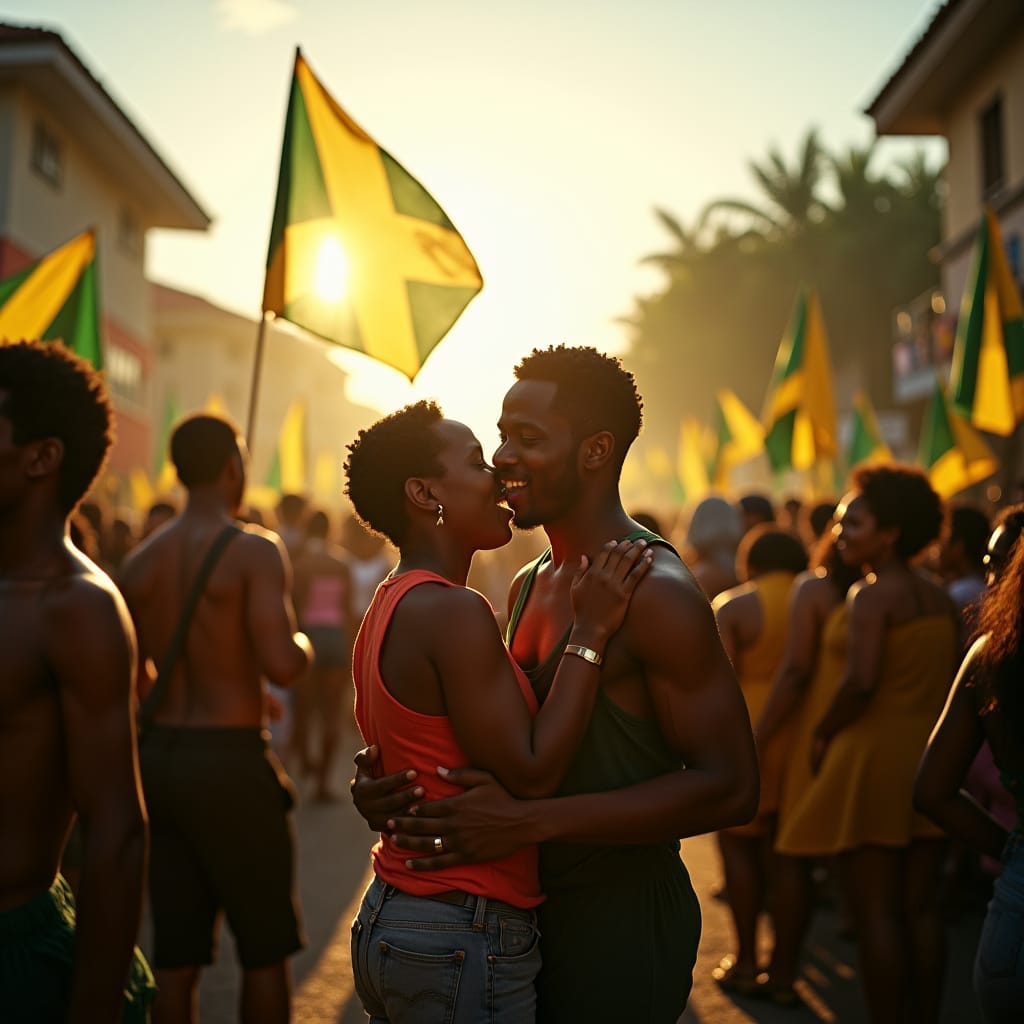
Set against the lush hills and windswept coastlines of Jamaica, Emancipation Day is not just a date—it’s a design decision. A defining line in the architecture of history where form finally began to meet function, and where the enslaved made their first real step towards autonomy—not just in spirit, but, eventually, in space.
To understand its magnitude, we must consider Jamaica as more than a place. It is a living, breathing structure—built through blood, faith, rebellion, and resolve. And if you study it closely, you’ll see a striking through-line: the tireless pursuit of ownership, of self-determination, of land—the most fundamental expression of freedom.
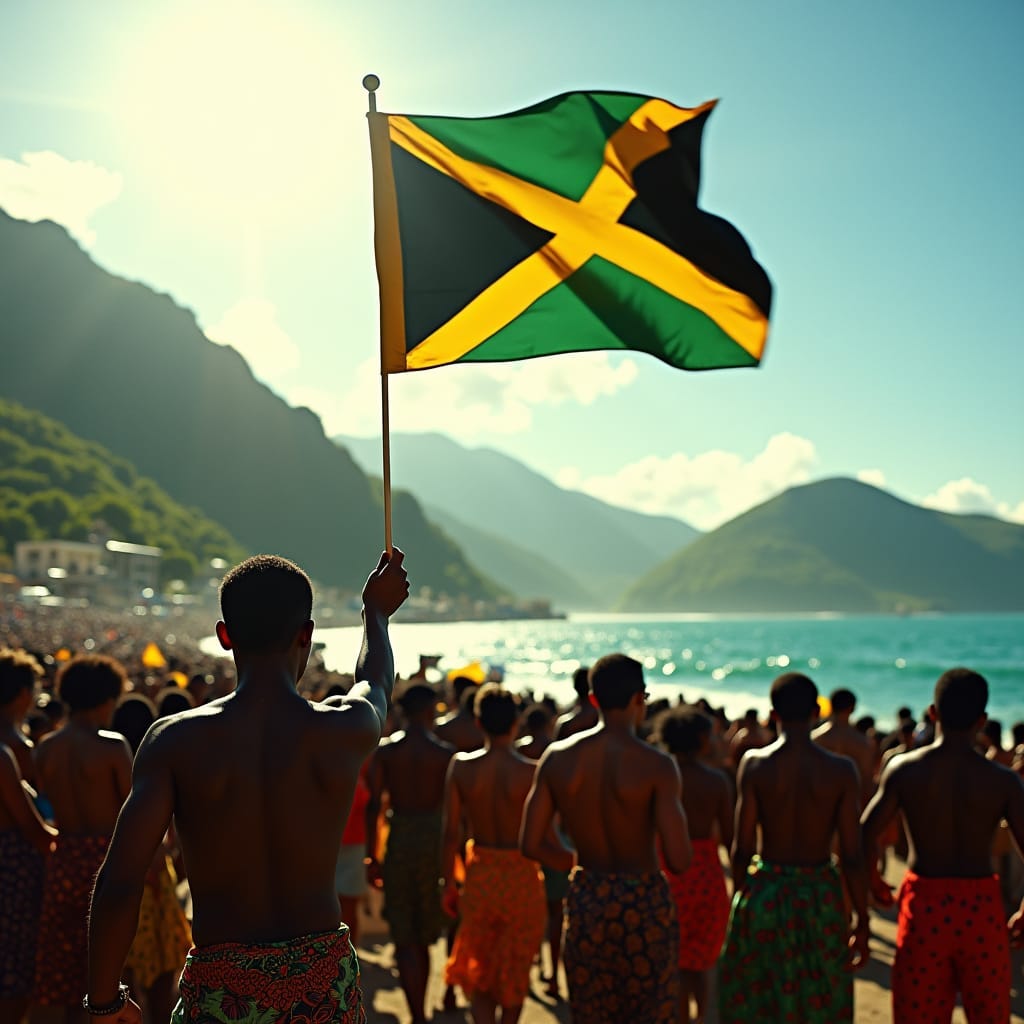
An Unforgiving Foundation
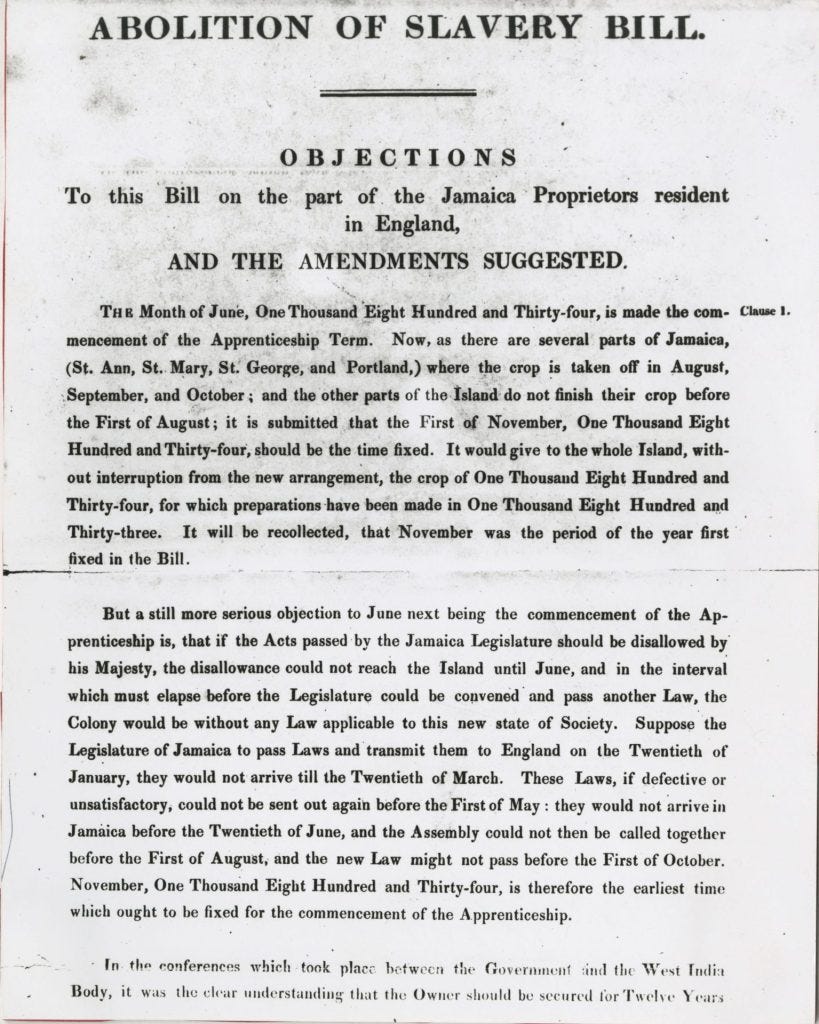
In the early 19th century, the British Empire—then in the midst of its imperial sprawl—found itself morally cornered. The Slavery Abolition Act of 1833 became law, taking effect on 1 August 1834, abolishing slavery throughout the British West Indies.
Or so the blueprints claimed.
What was delivered, however, was a transitional framework—a kind of awkward halfway house. Those who had endured the unimaginable were now declared “free,” but shackled to a new form of servitude called apprenticeship. They worked 40 hours a week for their former masters, unpaid, under the promise of rations and meagre accommodation.
The plan was flawed, to say the least. A compromise, a concession—not liberation, but limbo.
But as with any great structure, Jamaica’s people adapted. They looked beyond the scaffolding of colonial control and began carving out Free Villages—communities funded and developed by ex-slaves and abolitionist missionaries alike. For the first time, the idea of owning land, of putting down roots on your own terms, became reality.
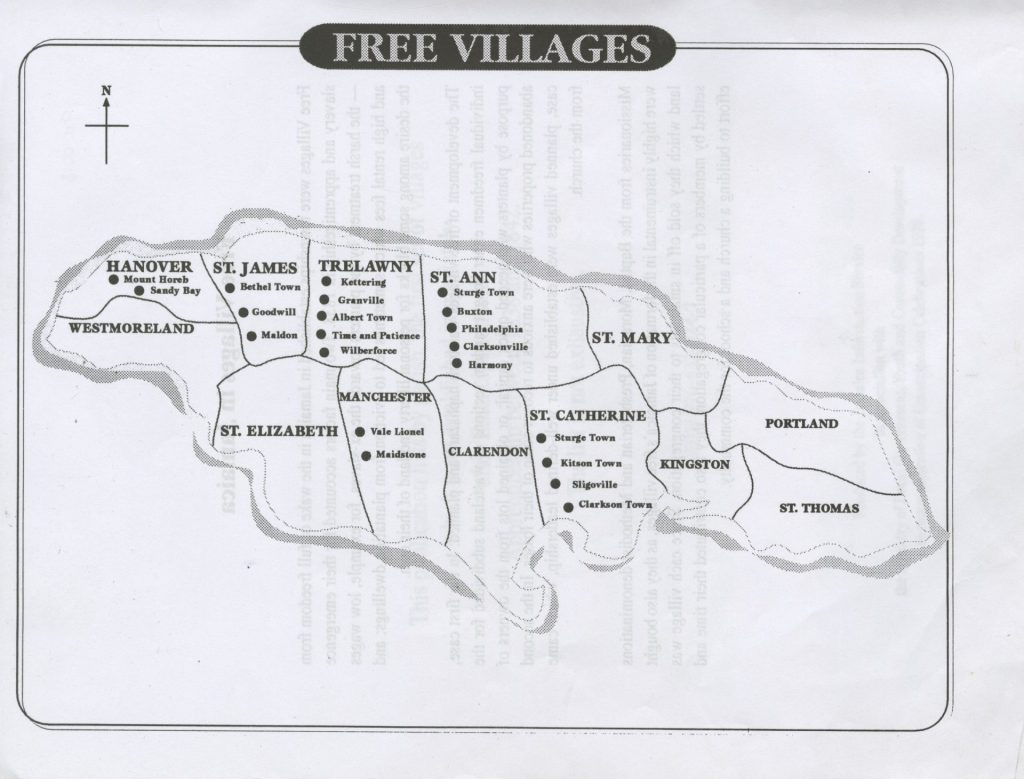
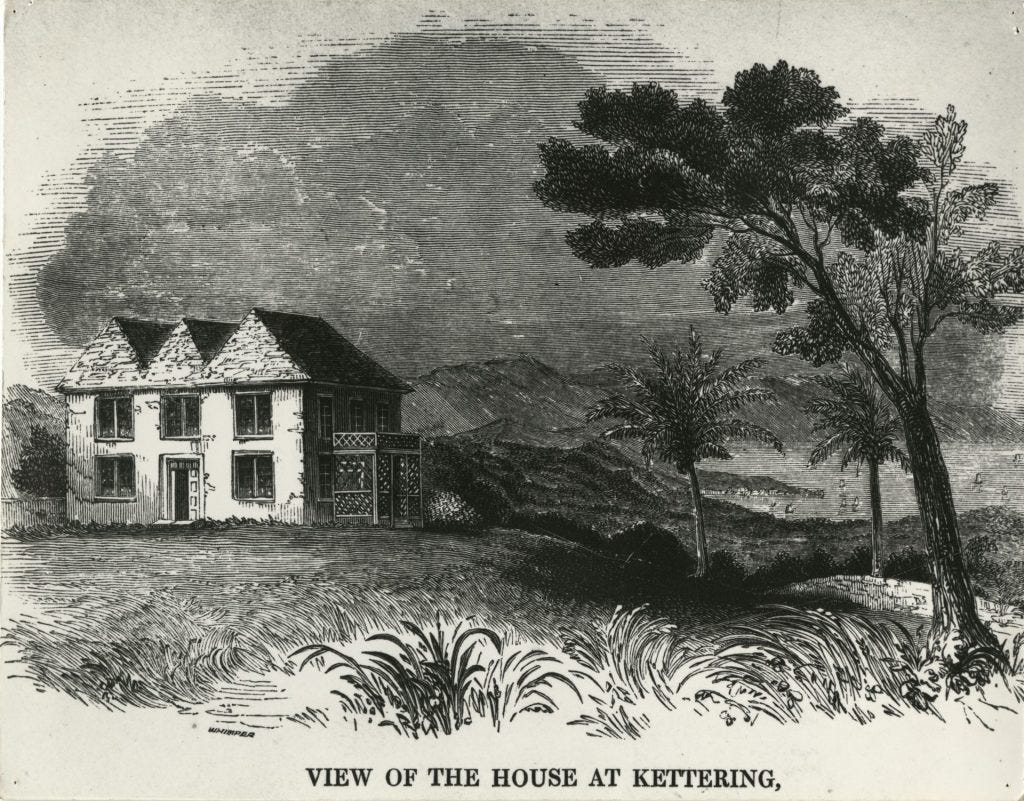
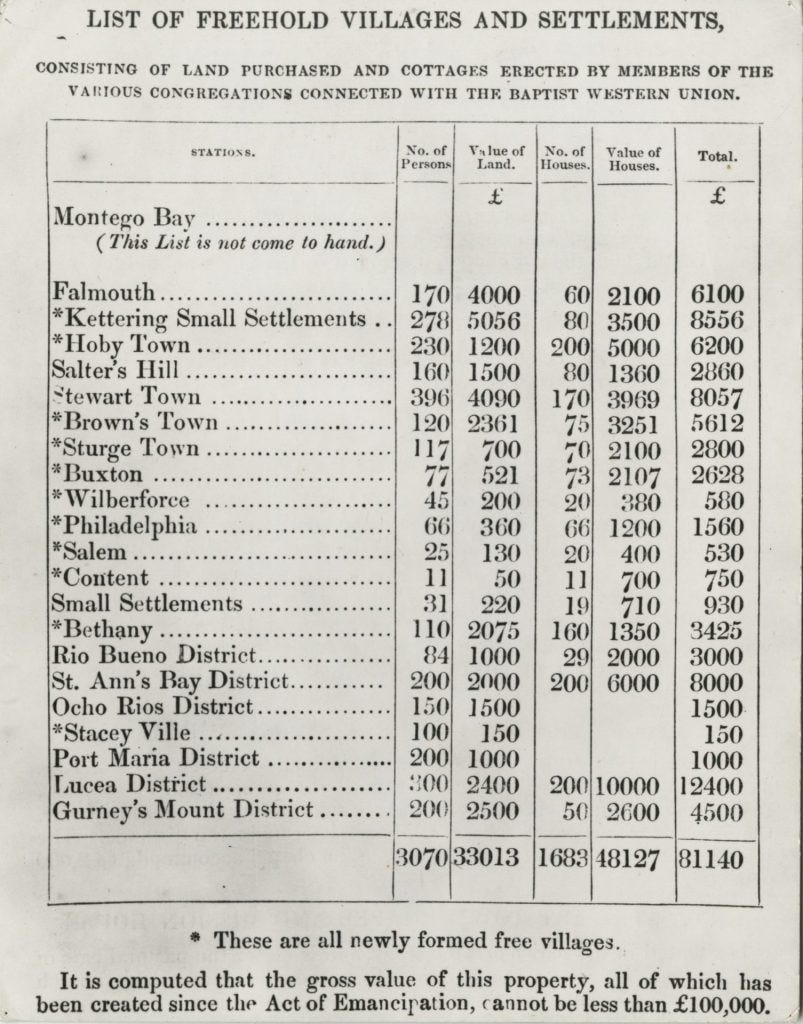
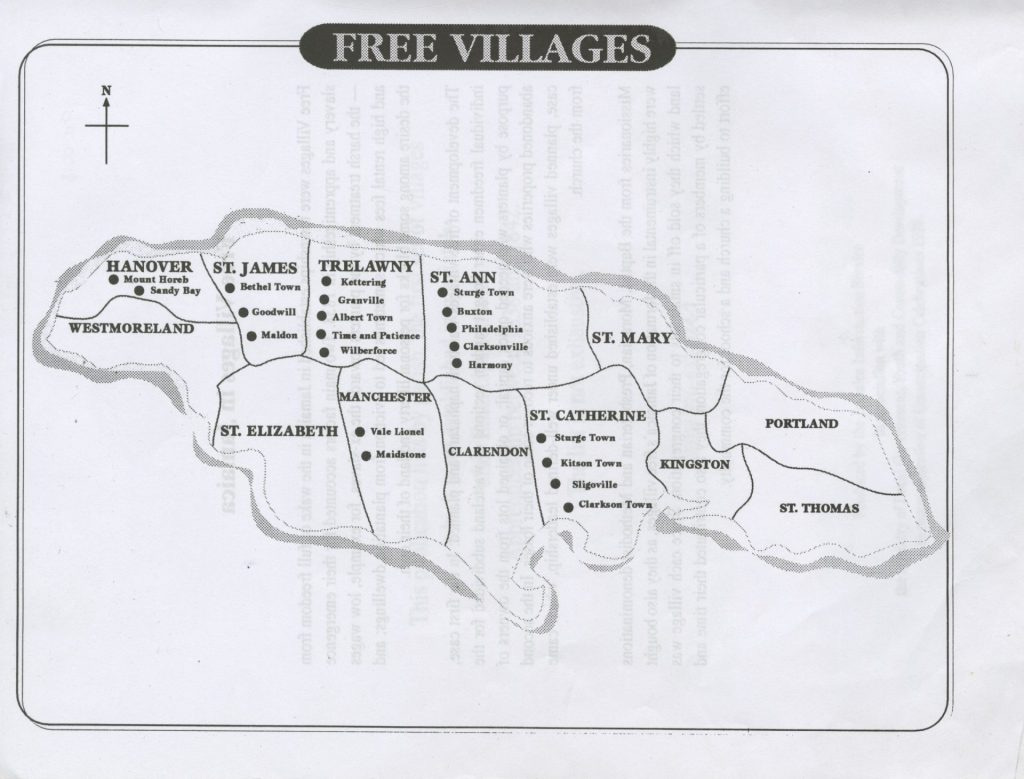
That, perhaps, was the most profound form of independence. For in a world that had long treated them as property, to own property themselves was nothing short of revolutionary.
Structural Integrity: The Warriors Who Held the Line
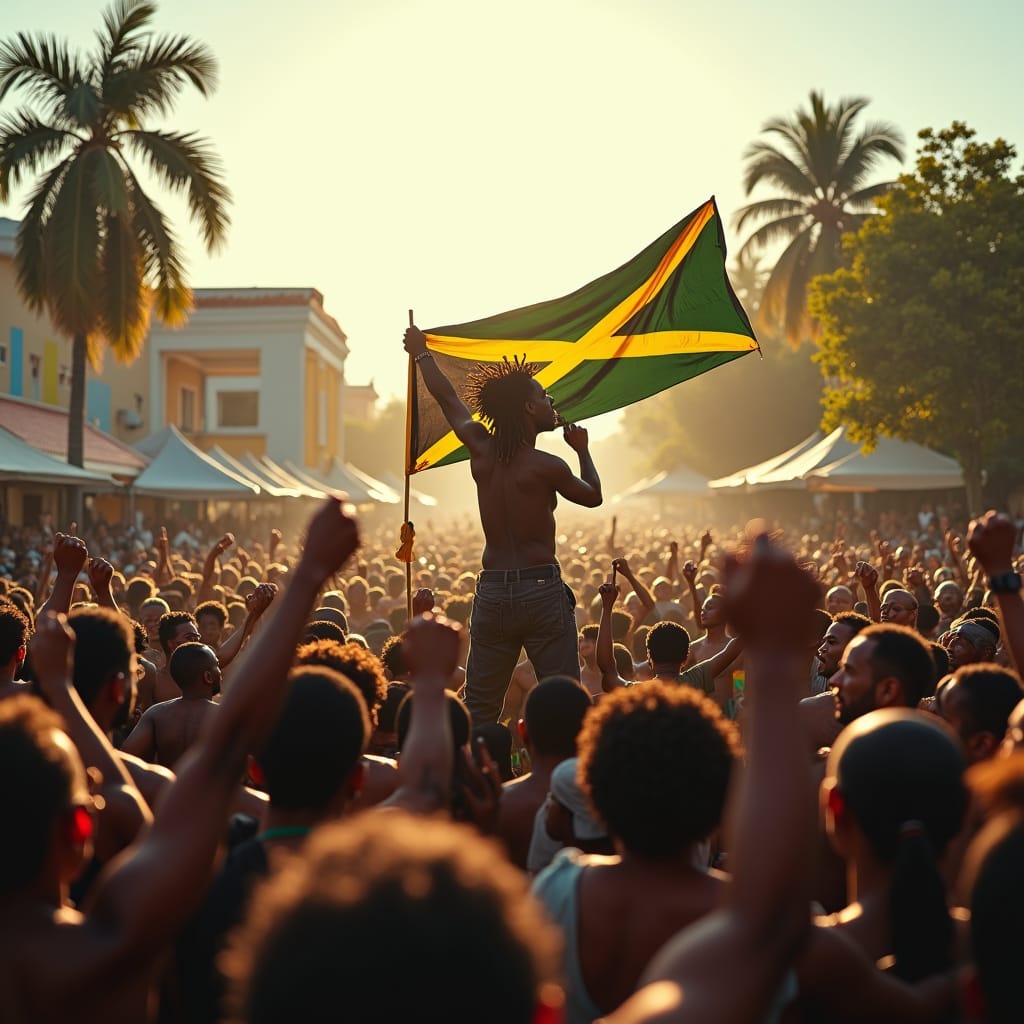
Before the legal framework of freedom was ever drafted in London’s parlours, it was forged in the heat of Jamaica’s interior. The island’s first architects of resistance were not diplomats but rebels. Not elected officials, but runaways, prophets, and warriors.
Queen Nanny of the Maroons, brilliant in strategy and unstoppable in spirit, designed a resistance in the wild Cockpit Country that outlasted British battalions. A tactician of the highest order, she did not wait for freedom to be granted—she built it herself.
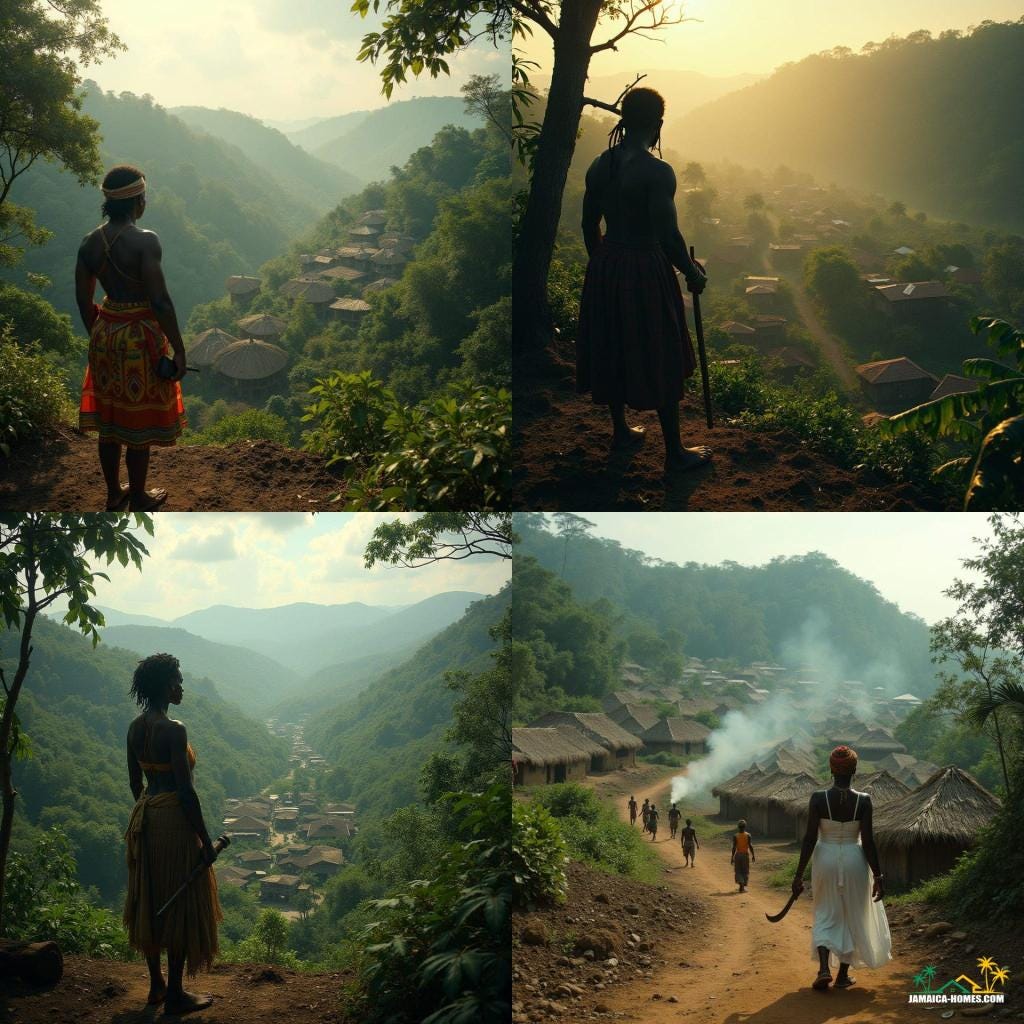
Samuel Sharpe, the Baptist preacher who sparked the 1831 uprising, saw freedom as something that required more than patience—it required planning, sacrifice, and moral clarity. His execution was meant to end a movement. Instead, it inspired a nation.
They, and countless unnamed others, were not only fighting for freedom. They were laying the conceptual foundations for a self-governing people, whose dignity would no longer be determined by the Crown but by their own covenant with the land.
The Extension: From Emancipation to Migration

As the decades rolled on, Jamaica’s newly freed population faced another set of constraints. Post-emancipation Jamaica was no promised land; it was a fledgling site, often poorly resourced, yet heavy with potential.
So, like any group with vision, Jamaicans expanded the design.
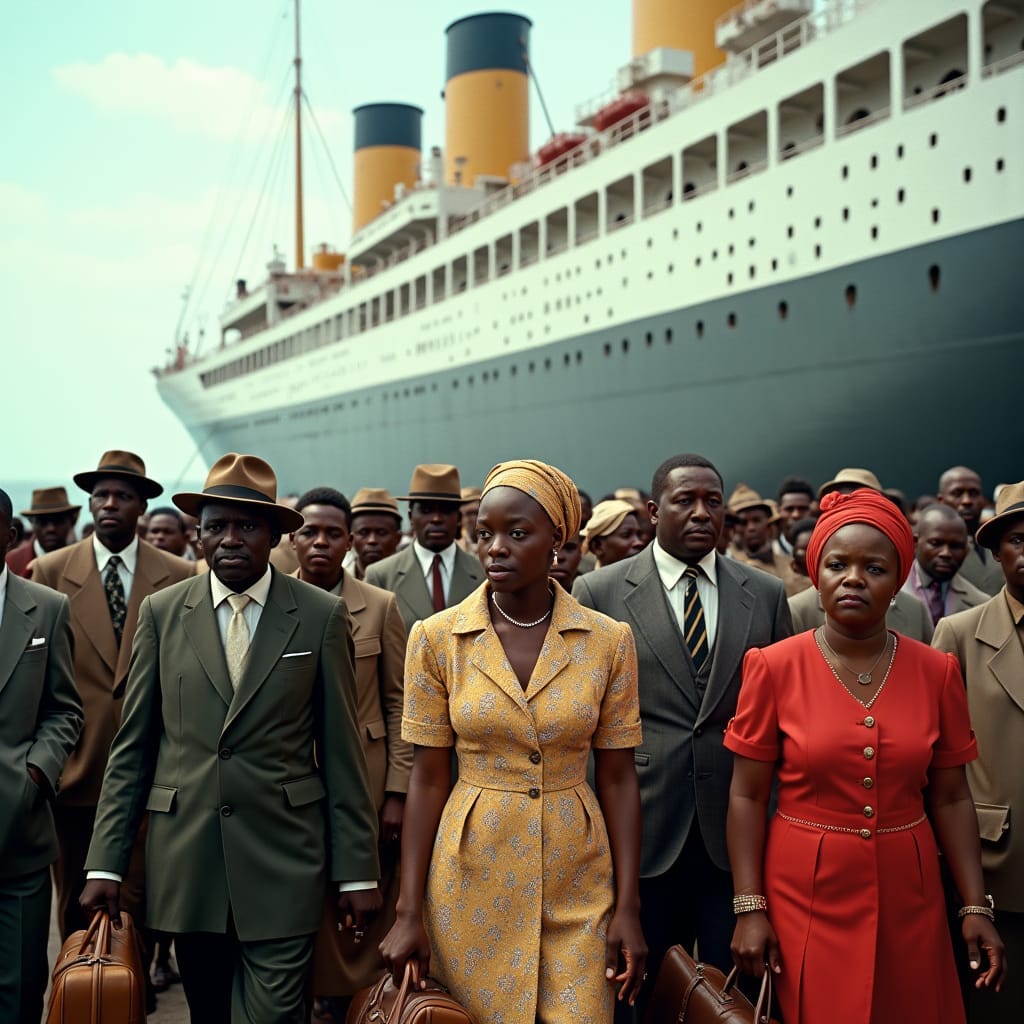
The Windrush Generation, setting sail for Britain in 1948 and beyond, became the human extension of that emancipation story. They brought their talents, work ethic, and cultural scaffolding to rebuild a bombed-out Britain. Often working in environments far removed from the warmth of the Caribbean, they raised families, laid bricks, drove buses—and faced another kind of cold.
Prejudice.
Displacement.
Alienation.
And yet, again, they adapted. They re-rooted. The diaspora became a vast extension of Jamaica’s original foundation—a worldwide annex, if you will, through which its people continued to live, grow, and dream.
Internal Design: Faith, Rhythm, and Resistance
What truly sets the Jamaican people apart is not merely their history, but the interior architecture of their identity. Their faith, expressed both through the pews of Christianity and the drums of Rastafari, acts as a kind of inner scaffolding.
It is in the psalms of the church and the chants of the Nyabinghi where the enslaved once found their only sanctuary. These sacred frameworks offered structure to lives fragmented by violence.
And then came reggae—that most elegant, understated innovation. Minimal in beat but monumental in message. Reggae didn’t just entertain—it explained. It told the story of pain, pride, and purpose.
Bob Marley, that most magnetic of messengers, channelled the soul of a nation into sound. His music—especially anthems like “Redemption Song”—acted as open-plan sermons to a global audience. Where empires once silenced Jamaica, reggae made it deafeningly heard.
The Female Form: Often Overlooked, Always Central
Too often in the story of freedom, women are treated as decorative details rather than load-bearing columns.
Not so in Jamaica.
From Mary Seacole, who defied colonial prejudice to nurse soldiers in the Crimean War, to Una Marson, the feminist poet and broadcaster, Jamaica’s women have never merely occupied space—they’ve shaped it.
Even today, Jamaican women continue to lead, innovate, and nurture—defining the contours of their communities and carving out new spaces for the generations to come.
The Present Structure: Where We Stand

Emancipation Day was once discontinued after Independence in 1962, replaced by a focus on political sovereignty. But it was wisely restored in 1997, acknowledging that a nation cannot truly be independent until it has reckoned with its past.
And today, the conversation has evolved.
Ownership is still the battleground.
Not just of one’s history or culture—but of land, of opportunity, of narrative.
Many Jamaicans continue to strive for generational security through land ownership—through building, through investing, through returning. What was once stolen is now slowly, painstakingly being reclaimed, plot by plot, deed by deed.
For a people who were once owned, the ability to now own—to build a home, a business, a future—is perhaps the most enduring architectural metaphor of all.
The Grand Design Is Ongoing
Emancipation was never a completed project. It was the laying of a foundation—uneven, hard-won, and weathered by time.
But from that base has risen something remarkable: a people who have become their own architects.
Jamaica today is more than a destination. It is a living design project—forever evolving, globally connected, deeply rooted.
So on August 1st, wherever you are—on a hillside in Portland, in a flat in London, or beneath a mango tree in Clarendon—take a moment to honour the craftsmanship of those who came before. The rebels, the dreamers, the builders.
Because they didn’t just seek freedom.
They designed it.
Disclaimer:
The images presented are artistic recreations and are intended for illustrative purposes only. While efforts have been made to reflect historical or cultural accuracy, these visuals may not represent actual events, people, or locations precisely. Any resemblance to real individuals, living or deceased, or actual places is purely coincidental unless otherwise stated.