


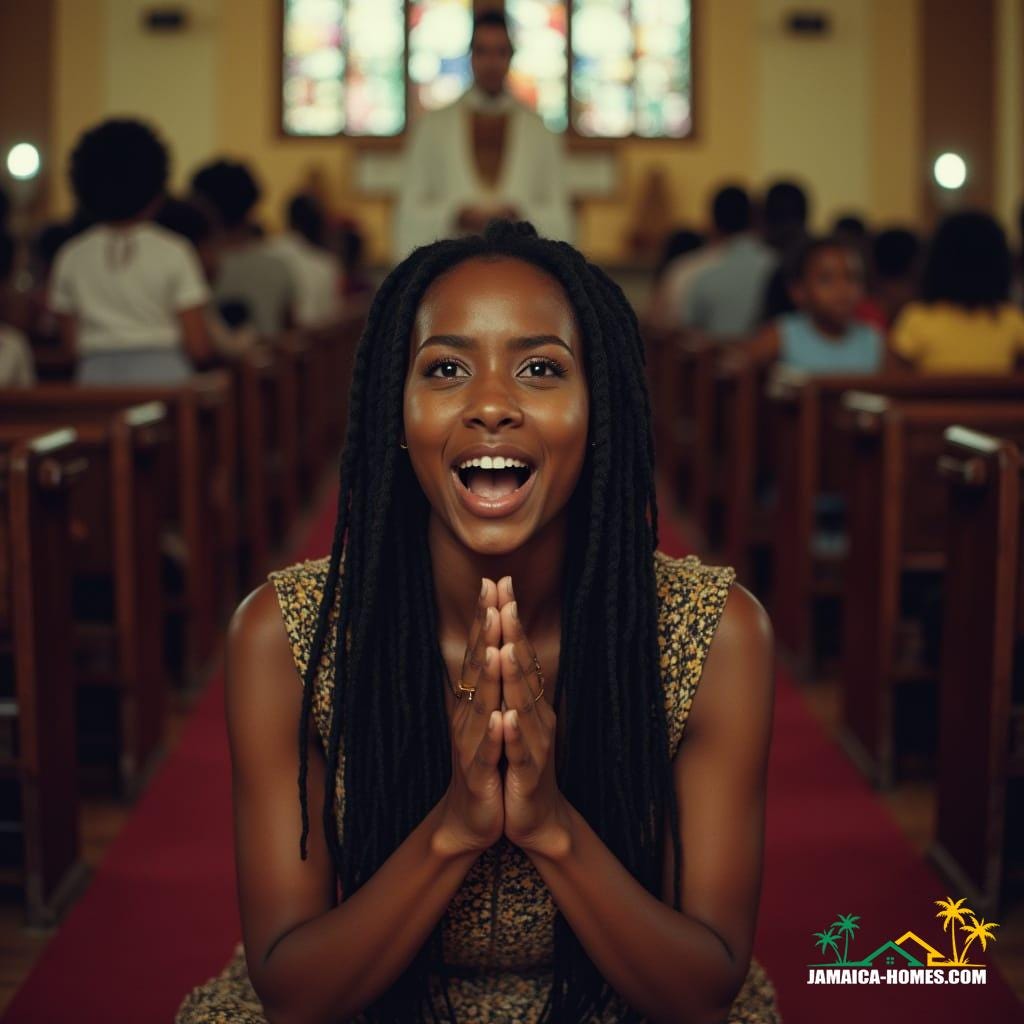
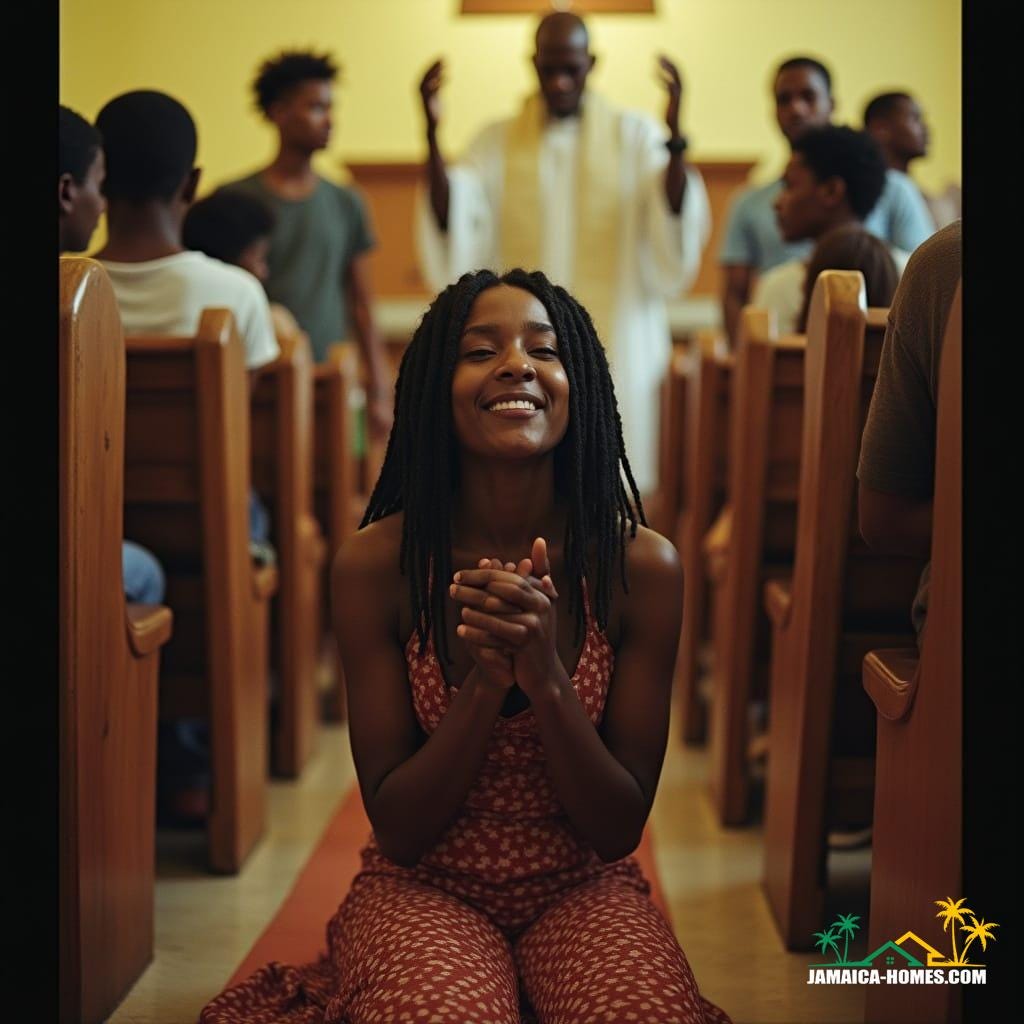
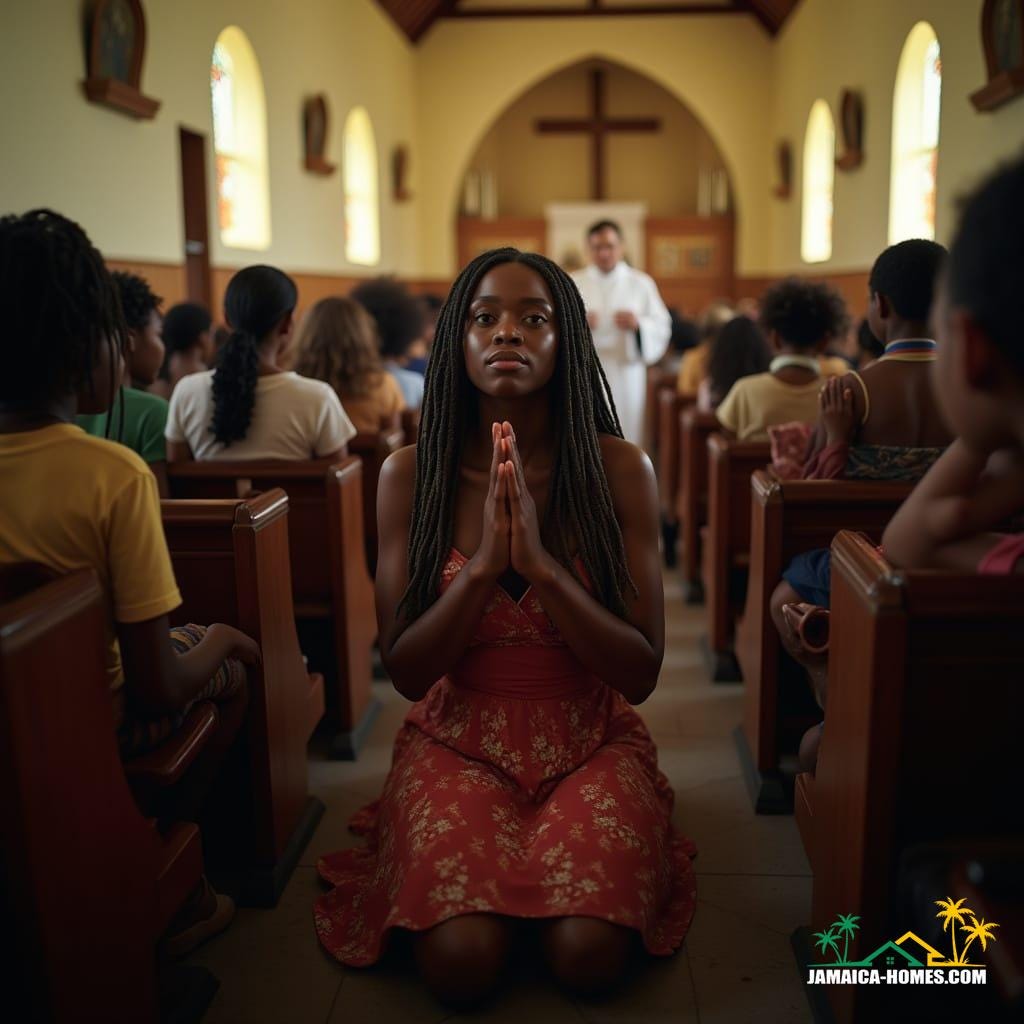
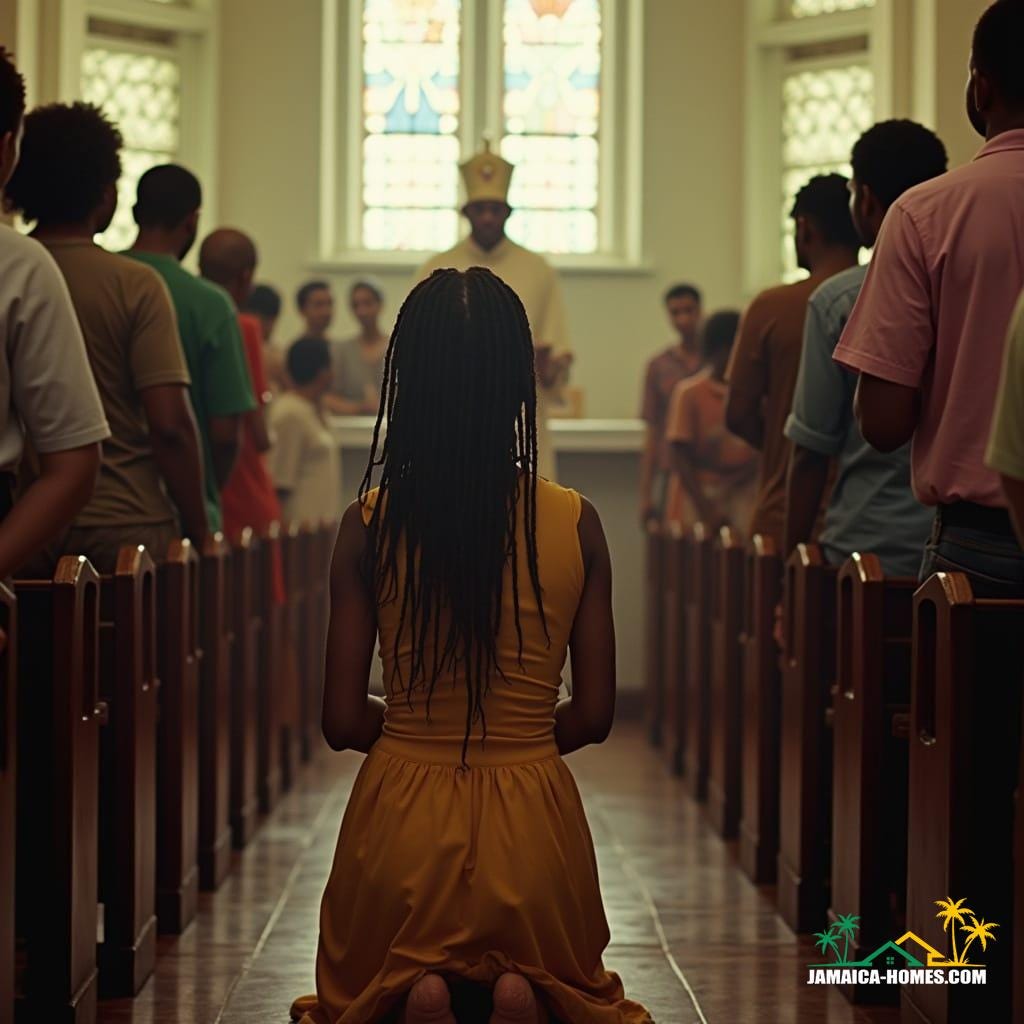
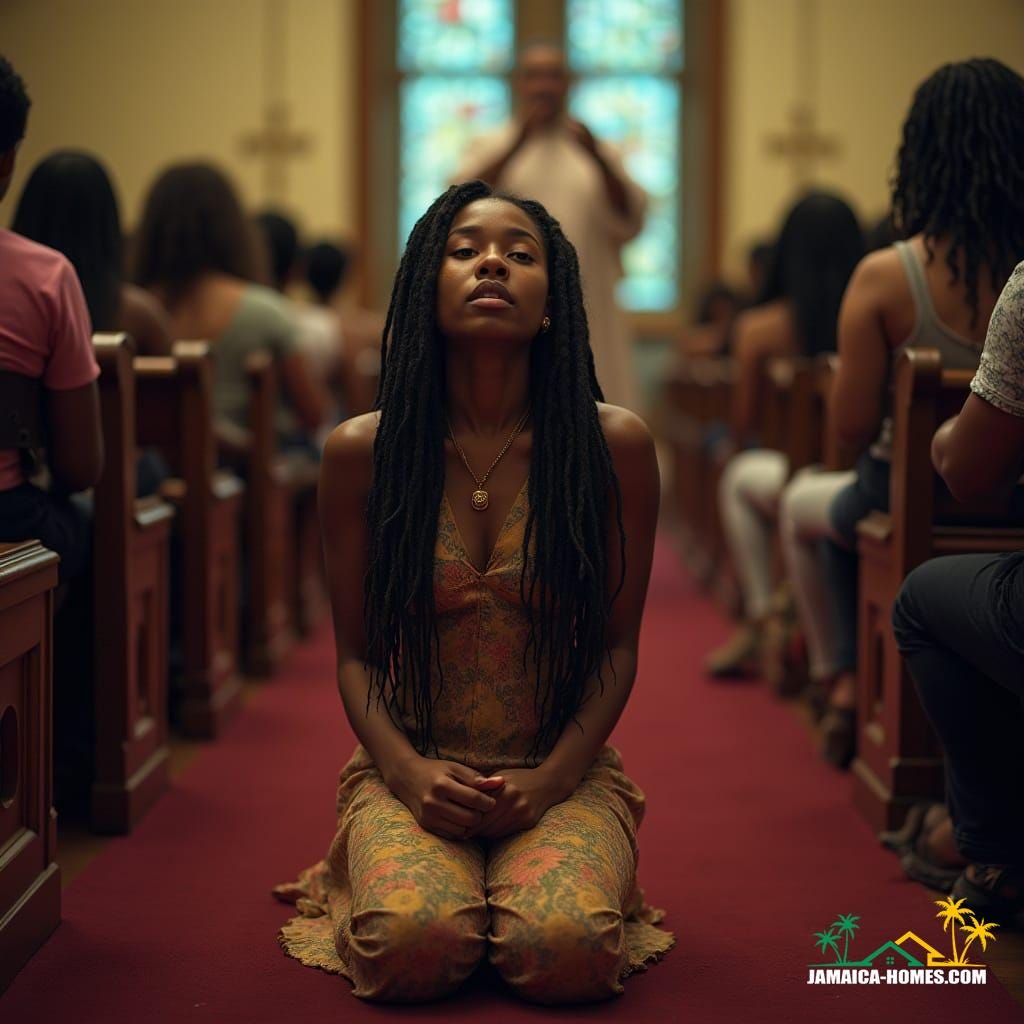
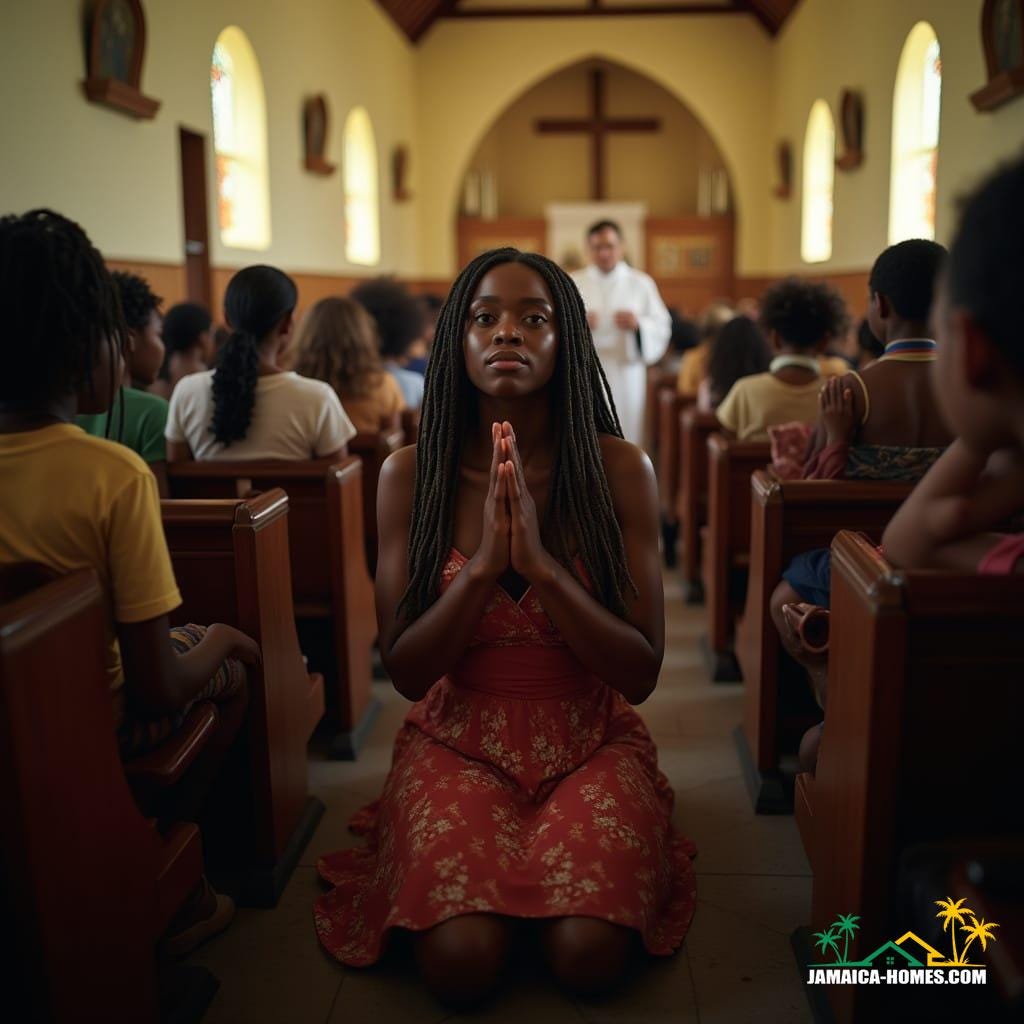
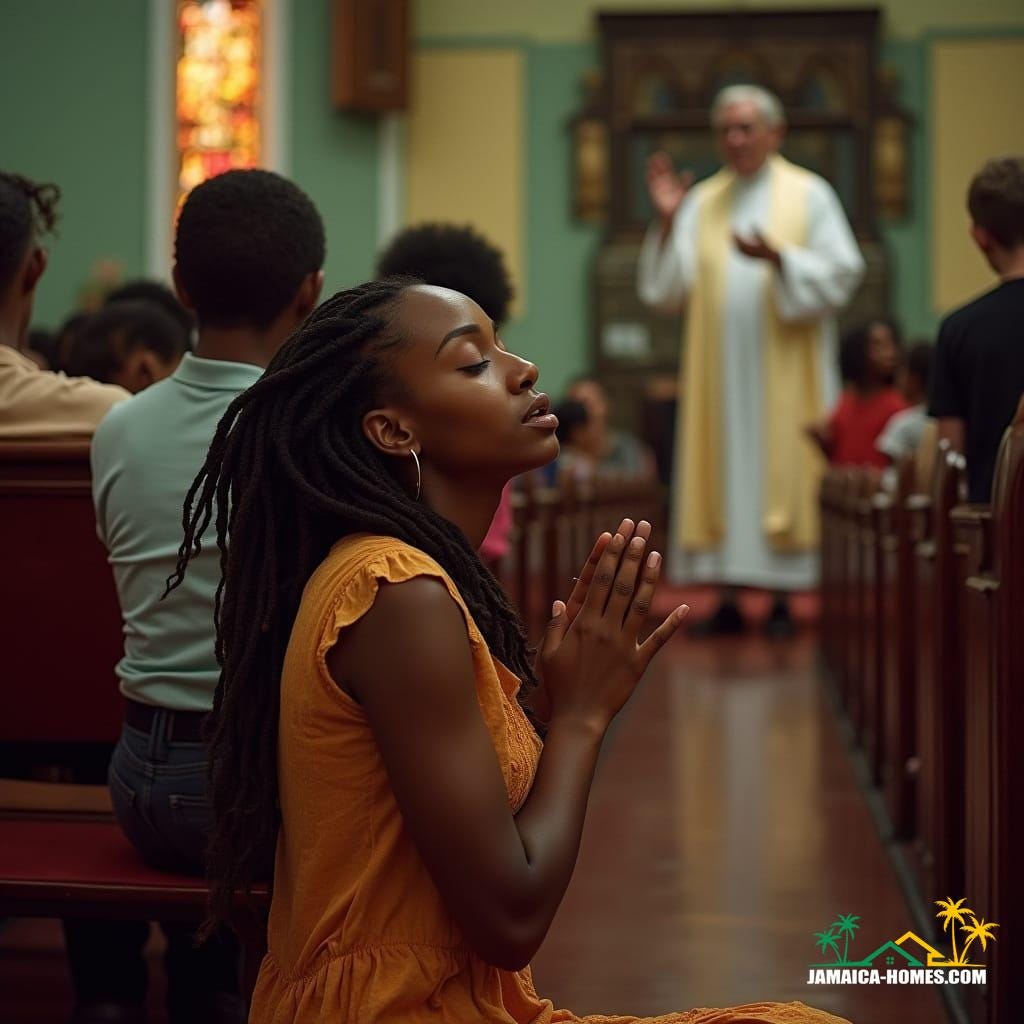
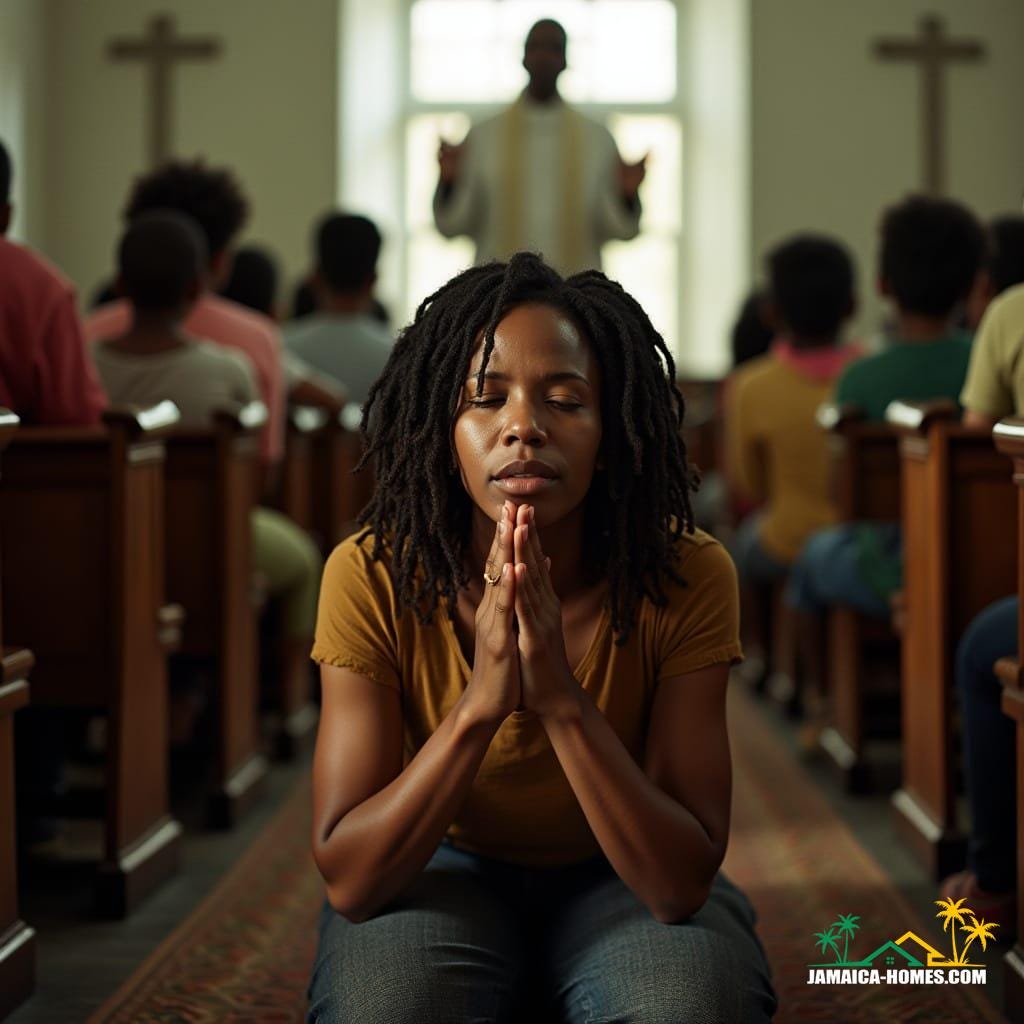
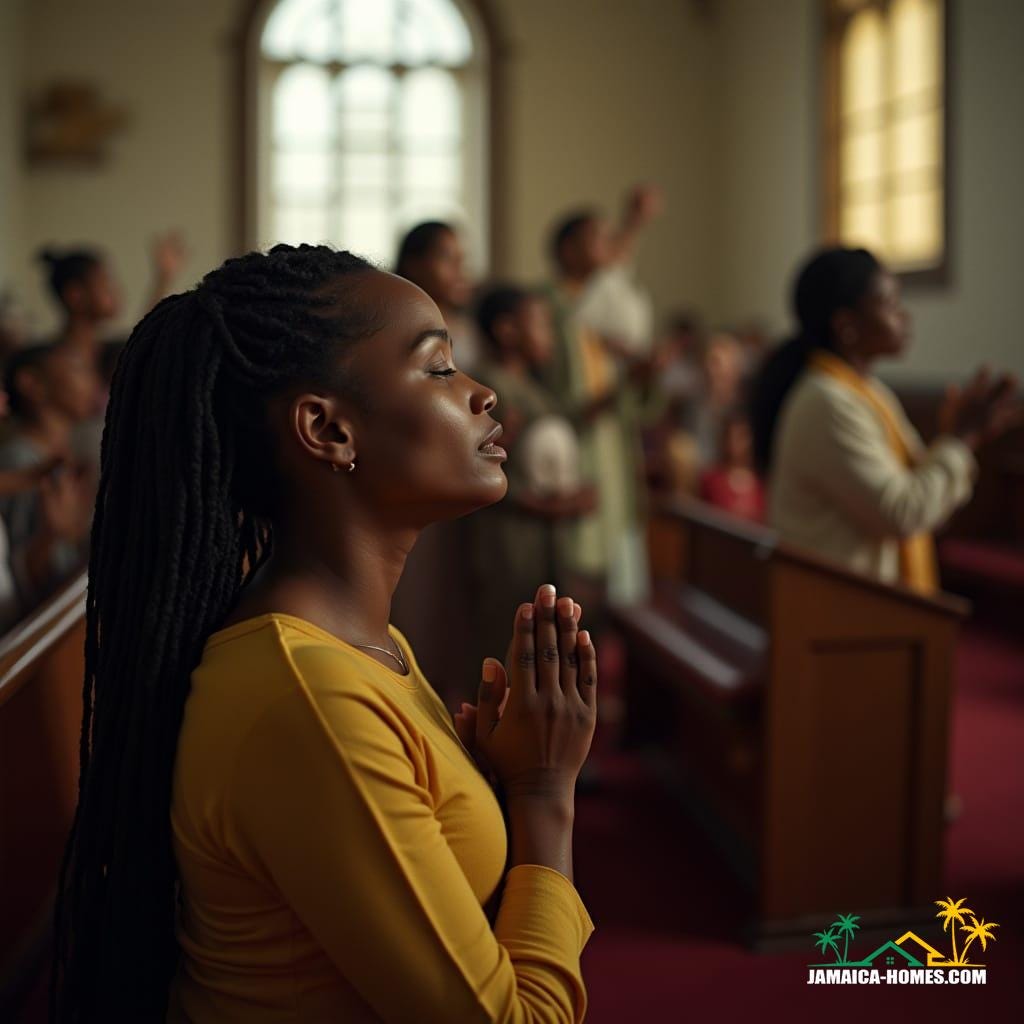
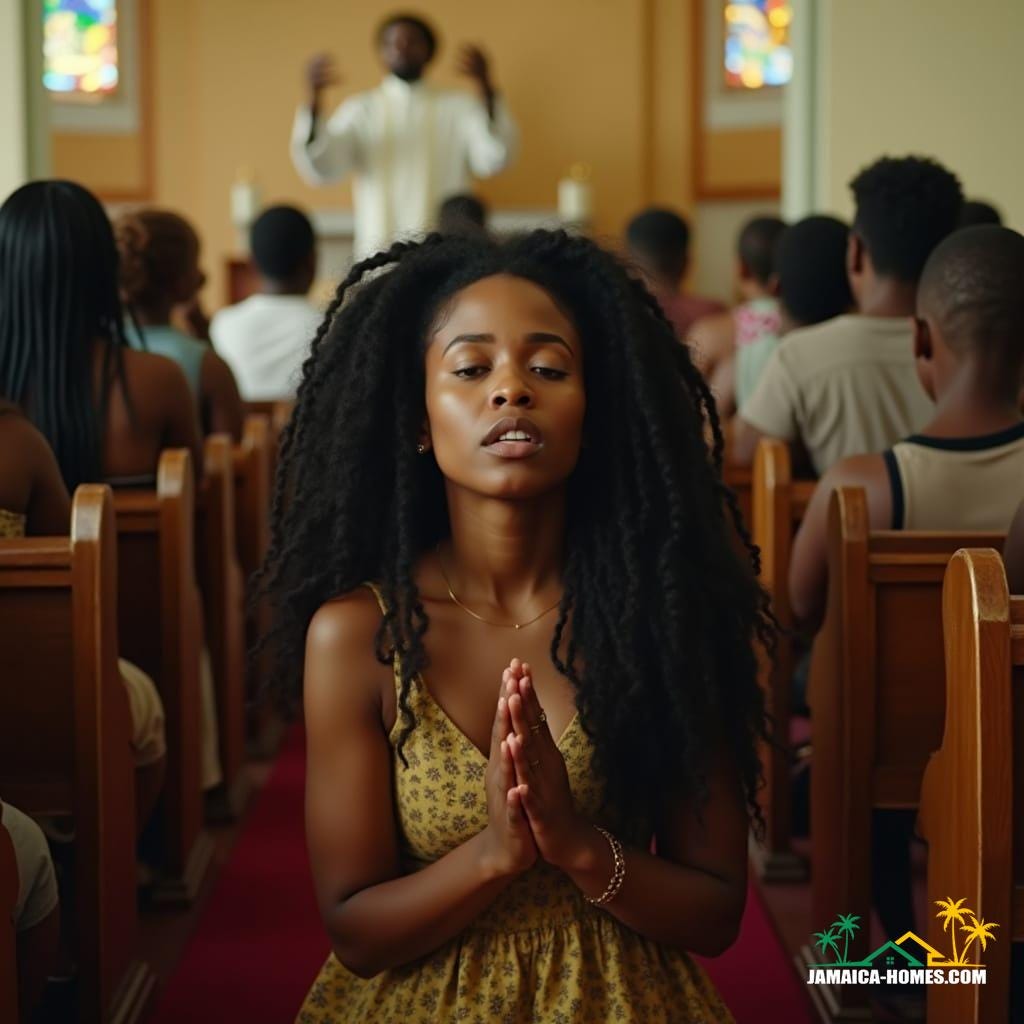
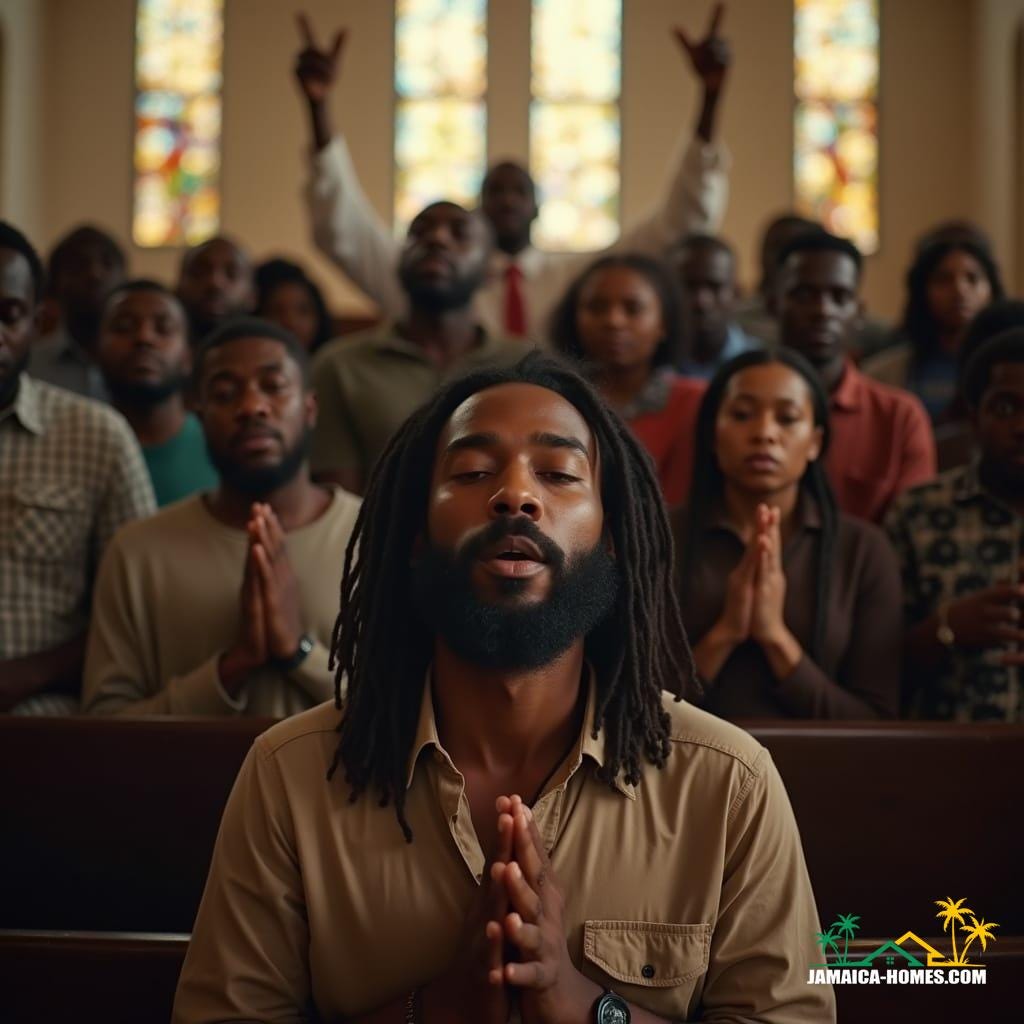
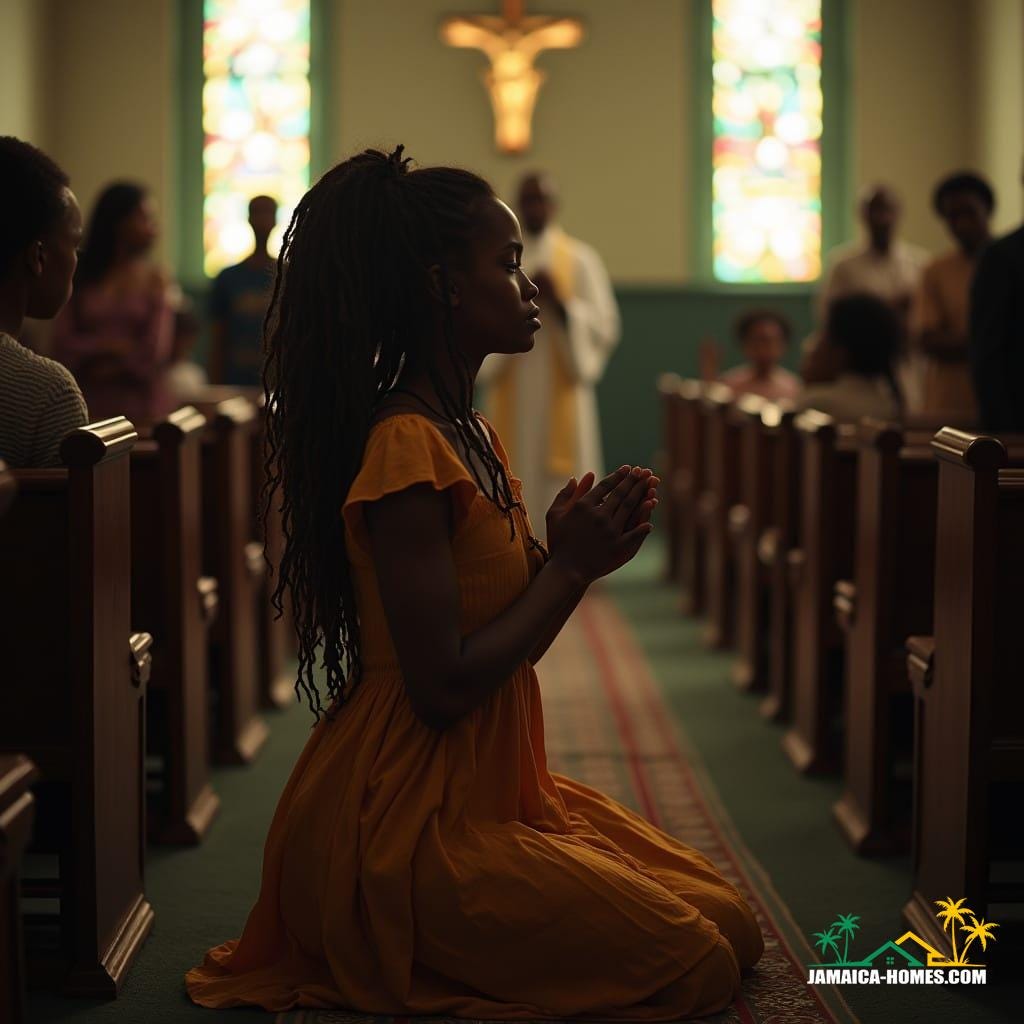
Some places whisper their stories through stone and song. Jamaica sings them loudly. Drive across this island and you’ll see steeples punctuating emerald hillsides and coastlines—a visual chorus that earned Jamaica the Guinness World Record for the most churches per square mile. These buildings aren’t just architecture; they are memory, identity, and community stitched into the land itself.
Colonial Beginnings: Land, Power, and Prayer
The Spanish arrived in 1509, carving Sevilla Nueva out of Taíno lands and planting Catholic churches as both spiritual centers and symbols of possession. When the English seized Jamaica in 1655, Anglicans rebuilt and renamed, their Georgian spires rising over sugar estates. To dedicate land for a church was to declare permanence: here, in a world of shifting fortunes, stood a house of worship and a claim to the soil beneath it.
Baptists and the Free Villages: A New Landscape
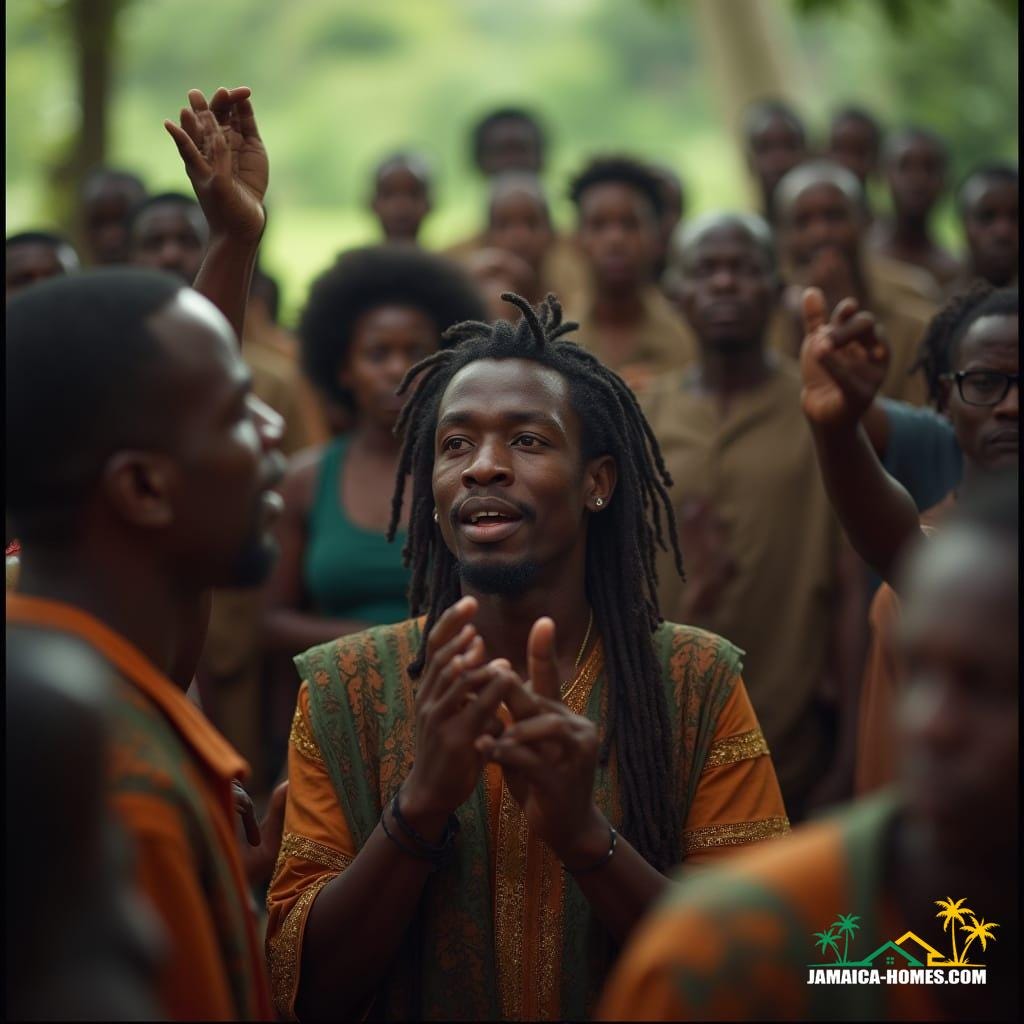
In 1783, the formerly enslaved preacher George Liele brought the Baptist tradition to Kingston. Under trees or in humble chapels, his congregations found hope and dignity. After emancipation in 1838, Baptist missionaries helped freed Jamaicans buy small plots, creating “free villages” like Sligoville. Every chapel on a hill became a landmark of self-determination—a quiet echo of a people crying out from the ends of the earth for a place to stand, and finding a rock that felt higher than themselves.
Moravians, Methodists, and Education
Moravians (1754) and Methodists (1789) saw literacy and schooling as keys to freedom. They bought land, built classrooms, and seeded towns like Mandeville. Faith here was practical: to teach a child to read was to change their future, and to plant a school beside a church was to transform a community’s real estate map.
Adventists and Modern Growth
Seventh-day Adventists arrived in 1893 and rapidly expanded—acquiring land for Northern Caribbean University in Mandeville and Andrews Memorial Hospital in Kingston. Their campuses and clinics reshaped districts, proving that faith could drive development as surely as commerce. Today, many Jamaican neighborhoods still cluster around Adventist churches, their presence stabilizing property values and anchoring communities.
Pentecostals, Revivalists, and Grassroots Spaces
From Portmore’s housing schemes to St. Elizabeth’s villages, Pentecostal and Revivalist congregations have turned donated yards and roadside plots into sanctuaries. Even the smallest corrugated chapel carries weight: a reminder that, when hearts are overwhelmed, Jamaicans build their own towers of refuge, however humble the materials.
Rastafari and Alternative Land Visions
The Rastafarian movement, born in the 1930s, challenged colonial norms of religion and property. Communal yards and villages—like the Rastafari Indigenous Village in Montego Bay—reimagined land as shared heritage. Here, spirituality, music, and sustainable living meet on sacred ground, offering an alternative to Babylon’s concrete grids.
Diverse Faiths, Shared Ground
Kingston’s Shaare Shalom Synagogue, Hindu temples, Islamic mosques, and even Taoist shrines are proof of Jamaica’s pluralism. Each community has shaped the land it occupies, layering new stories onto an island that proudly lives its motto: Out of many, one people.
Architecture as Story and Signal
Spanish ruins, Georgian Anglican cathedrals, Baptist wooden chapels, and modern concrete megachurches all tell of Jamaica’s evolving faith and property landscape. Developers still value the presence of a nearby church—its steeple a promise of stability, community, and belonging.
The Rain and the Rock
To walk Jamaica’s church-dotted roads after a tropical downpour is to feel a quiet metaphor. The latter rain soaks fields and towns, just as faith has soaked this island’s history—refreshing parched hopes, growing free villages, and softening hard ground for new beginnings. In the struggles of emancipation and the victories over oppression, Jamaicans have known what it means to stand sheltered by something greater than themselves.
Out of Many, One Story
Jamaica’s churches are more than records in a book or dots on a map. They are rocks higher than us all—landmarks of endurance, joy, and belonging. Each spire on the skyline is a whisper of victory, a declaration that even in storms, there is shelter and strength.
And as we honor this vibrant landscape of faith and real estate, we pay tribute to the artists who give it voice—like Carlene Davis, whose gospel reggae anthems capture the heartbeat of Jamaican spirituality. Her music reminds the world that faith here is living, singing, and still raining down blessing on the island she calls home.
Disclaimer: This article is intended for informational and cultural purposes only. While every effort has been made to ensure the accuracy of historical and religious content, some details may vary based on sources. The opinions expressed herein do not constitute professional, legal, or real estate advice. Readers are encouraged to verify facts independently, especially regarding property, religious practices, and denominational history. References to music or artists are for tribute and illustrative purposes only, and copyright remains with the respective creators.