


Welcome to Jamaica Homes.
Here, truth is not dressed up for company. We speak from the gut, we write from lived experience, and we do not hide behind polite words.
This post — part of the “From London to Jamaica” series — comes from a returnee who is neither bitter nor naive, simply honest. It’s written for anyone dreaming of returning home, or buying property here, or investing in Jamaica’s soil believing it will hold them gently.
Let me tell you this: Jamaica is as beautiful as the postcards suggest — but the postcards don’t tell you everything.
The Dream of Coming Home
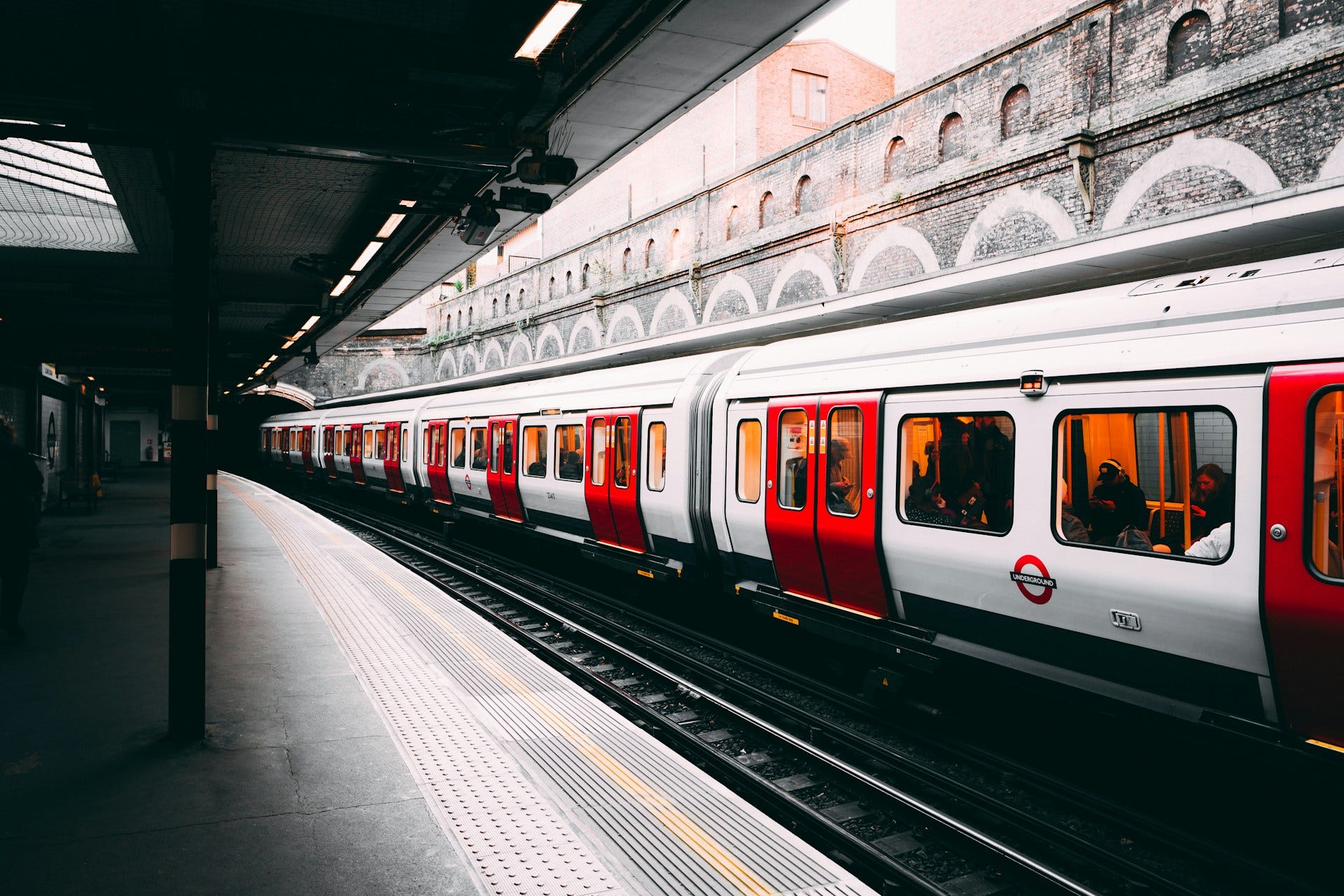
Many Jamaicans abroad — especially those from the Windrush generation — have carried in their hearts the dream of homecoming. For decades, they looked out through the rain-streaked windows of London buses and imagined the sunlit hills of St. Ann. They worked double shifts, sent barrels and bank drafts back home, and told their children about the smell of ackee trees and the warmth of real laughter.
They built lives in a place that rarely welcomed them. England in the 1950s and 60s didn’t see them as saviours of a post-war economy. It saw them as intruders — too dark, too loud, too foreign.
Yet they endured. They scrubbed, lifted, drove, and educated themselves out of the corner Britain tried to put them in. And even then, their hearts never fully settled there.
They would say things like, “One day, mi going back home.”
But for many, that dream of return — that image of a peaceful veranda, the sea whispering nearby — was a fantasy forged in longing. The Jamaica they left behind evolved, adapted, hardened. It is no longer the same Jamaica they remembered.
A Paradise That Tests You
Step off the plane at Sangster or Norman Manley, and the warmth hits you like an embrace. The sky feels impossibly wide. The people are animated, friendly, loud. You think to yourself, Yes, this is it. I’m home.
But beneath the laughter and greetings, there’s an invisible current — one that every returnee eventually feels.
It’s not that Jamaicans are unkind. Far from it. Many are generous beyond measure. But generosity here coexists with suspicion, envy, and the quiet calculus of survival.
The Jamaica on the postcard is paradise. The Jamaica you live in? That’s an education.
And if you’re building a home or buying property, that education will cost you — in time, in money, in trust.
The Windrush Illusion: Streets of Gold
Part of the problem, if we’re honest, began with us — with our own people abroad.
When the first generation left Jamaica, they suffered in silence. They faced cold homes and colder hearts. But when they came back for Christmas, or funerals, or a quick trip “home,” they didn’t tell that story.
They came back wearing their Sunday best. They brought chocolates, perfumes, fine clothes. They played the part.
They told stories of England — the land of order, progress, and opportunity — where the streets were, if not paved with gold, at least smoother than the dusty lanes they’d left.
They didn’t speak of the damp rooms, the slurs at the bus stop, the second-hand jobs. They didn’t tell their cousins how many tears it took to buy that ticket.
So what happened? The myth was born.
The myth that “foreign life easy.”
That everyone who left must be rich. That everyone with a British passport has an open wallet.
And so, decades later, when their children — the returnees — come back to Jamaica, they inherit not only land and memory, but that same myth.
The Culture of ‘You Have It Already’
Let’s be real.
When many Jamaicans see someone from “foreign,” they assume two things:
You have money.
You have access to more money.
It’s not personal — it’s cultural. It’s baked into the way people perceive opportunity.
So when you’re building a house and the contractor says, “Boss, material raise up,” it might not be true. But he believes you can handle it. You can “tek the pressure.”
If you say, “I only have five pounds left,” they’ll take it anyway. Because in their mind, that’s not your last five pounds — that’s just what you have on you.
They assume you can go back, work again, and come back richer.
It’s an assumption built on survival logic: You’re alright. You can manage.
It’s not evil. But it’s dangerous.
The Real Estate Reality Check
If you’re thinking of buying property in Jamaica — be careful.
Not paranoid. Not fearful. Just wise.
Because not everyone who smiles with you, shakes your hand, or calls you “family,” means you well.
I’ve seen it happen too many times. Returnees come back with savings they worked thirty years for. They find an agent, a contractor, a developer — someone who seems right. The talk sweet, the paperwork looks professional, the pictures online are glossy.
Then the cracks begin. The prices change. The construction slows. The “friendship” fades.
Maybe the development never finishes. Maybe the land title was never legitimate. Maybe the friend who helped you buy it quietly transferred it to someone else.
You’ll stand there in disbelief, wondering how it went wrong — and they’ll be smiling, telling you “Don’t worry man, it soon sort out.”
It never does.
“It’s Not Personal, It’s Business”
In Jamaica, betrayal is often disguised as business.
It’s not uncommon for someone to steal from you and still greet you in church on Sunday morning. To them, it’s not wickedness — it’s opportunity. They’ll pray and say, “God understands.”
And maybe He does. Because poverty warps morality.
When survival becomes the goal, ethics become elastic.
So when a contractor steals your cement, or a partner cuts you out of a deal, understand — it’s not necessarily personal. It’s systemic. It’s how the game has been played for too long.
Still, that doesn’t mean you should play along.
A Warning on Trust
You’ll meet good people — make no mistake about that. Jamaica has some of the kindest, most resilient people on earth.
But you’ll also meet opportunists. People who smile wide and dig deep into your pockets.
One man said to me recently, “When people see you, dem nuh see struggle. Dem see opportunity.”
He’s right.
People don’t see your sacrifice — they see your car.
They don’t see your long nights of saving — they see your skin tone and accent.
They don’t see the risks you’ve taken — they see privilege.
And if you’re not careful, they’ll take advantage of it, all while calling it a blessing.
Faith, Jealousy, and the Jamaican Mindset
Jamaica is a land of contradictions. We’re fiercely religious, yet deeply cynical. We’re proud of our independence, yet dependent on remittances.
And jealousy — that quiet, corrosive emotion — seeps into many corners of life.
When someone sees you building a house, driving a certain car, or buying land, the admiration often comes mixed with resentment. Why him and not me?
It’s a cultural reflex born of centuries of inequality. The colonial legacy still lingers in the social DNA — mistrust of power, resentment of success, suspicion of wealth.
So when a returnee comes home with resources, some locals don’t see them as one of their own — they see them as part of the same system that has kept them struggling.
It’s complicated, and it’s painful. But it’s real.
A System That Needs Fixing
Jamaica’s systems — legal, political, economic — are not built to protect the vulnerable or the trusting.
Buying land can feel like navigating a maze with blindfolds on. Paper trails vanish. Promises dissolve. Agencies shrug. And when things go wrong, justice is slow and often unaffordable.
That’s why honesty is rare currency here. It’s also why you need it.
The irony is, Jamaica’s property market is booming. New developments rise across Montego Bay, Kingston, and the North Coast. Diasporic money flows in, but so do scams.
The market looks golden, but behind the glint are stories of heartbreak — of people who lost everything chasing the dream of home.
The Lesson from the Gentleman on the Road
The other day, I met a man by the roadside.
“How’s business?” he asked.
I said, “Could be better.”
He looked at me and said quietly, “Be careful, you know. When people look at you, dem not thinking good for you. They see you have it already. They think you’re fine. You can share it, and dem can keep the rest.”
That stayed with me. Because it summed up a truth I’ve seen over and over — in real estate, in business, in friendship.
Not everyone who greets you warmly wants your good fortune to continue. Some just want a piece of it.
The Emotional Toll of Returning Home
No one tells you how lonely it can be — coming home.
You expect to feel rooted, reconnected. Instead, you sometimes feel like a visitor in the very place your ancestors built.
The Jamaica you love — the one in your heart — doesn’t always match the Jamaica that meets you. And that dissonance hurts.
But don’t lose faith. Don’t let bitterness win. Because under all the noise and tension, this island still has heart. You just have to find your rhythm in it.
The Real Work: Building Trust, Brick by Brick
If you’re coming home to buy land, to build, to live — take your time.
Do your due diligence. Check the title. Hire a lawyer who answers questions without avoiding them. Don’t hand over cash without receipts. Don’t rush.
And most of all, don’t assume shared nationality means shared integrity.
You’ll meet genuine people — protect those relationships like gold. But you’ll also meet many who see your kindness as weakness.
This isn’t to make you fearful. It’s to make you alert.
Jamaica is worth the effort — but only if you play smart.
The Windrush Legacy and Modern Reality
We often celebrate the Windrush generation for their resilience. But we must also understand what they endured. They paid a heavy price so we could stand taller.
Now, as many of their children return, the question is — will Jamaica embrace them, or exploit them?
If we’re serious about nation-building, we need to fix more than roads. We need to repair trust.
Because a nation that eats its own will never flourish, no matter how many high-rises we build.
Final Reflections: The True Cost of Home
Coming home to Jamaica isn’t just a physical journey — it’s a spiritual one.
It will strip you down to truth. It will test your patience, your principles, your love. You will learn that paradise is not a place — it’s a discipline.
So, to every returnee dreaming of buying land, building a house, or starting again — come, but come with your eyes open.
Because Jamaica is not an easy love. It’s a love that demands wisdom, humility, and resilience.
And if you can give it that, it will reward you — not with perfection, but with authenticity.
This isn’t a warning against returning home.
It’s a warning against returning blind.
Welcome home — but tread wisely.