

From Wales to the West Indies: Tracing the Welsh Legacy in Jamaican Land and Real Estate

Wales and Jamaica—on the surface, they seem worlds apart. One, a misty Celtic land of song and slate; the other, a tropical isle of reggae rhythms and sun-soaked coastlines. But history is a strange cartographer, often drawing hidden lines between unlikely places. One such line stretches across the Atlantic, from the rugged valleys of Cymru to the sugar plantations and estates of colonial Jamaica. And buried within this connection is a legacy that touches, even if faintly, on Jamaica’s modern real estate terrain.
1. Welsh Involvement in Colonial Jamaica
During the 17th and 18th centuries, after England’s conquest of Jamaica in 1655, many British citizens—including a number from Wales—migrated to Jamaica to profit from the booming sugar industry. Though the English and Scots were more numerous, Welsh settlers and absentee landlords did leave a mark.
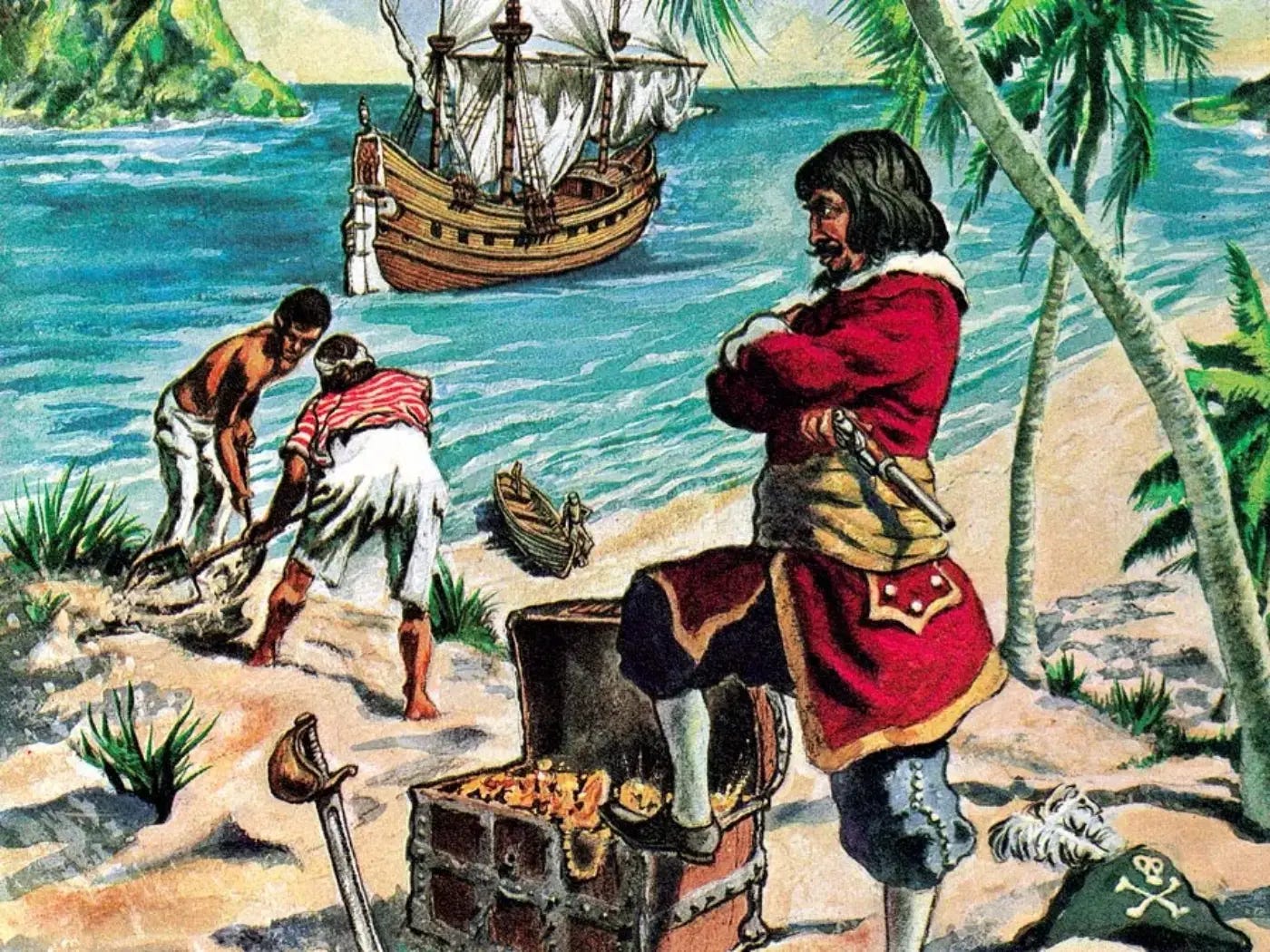
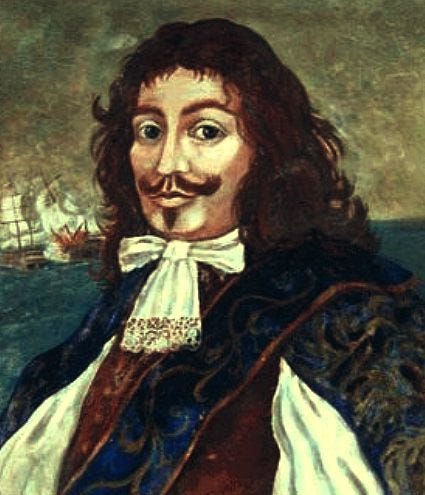
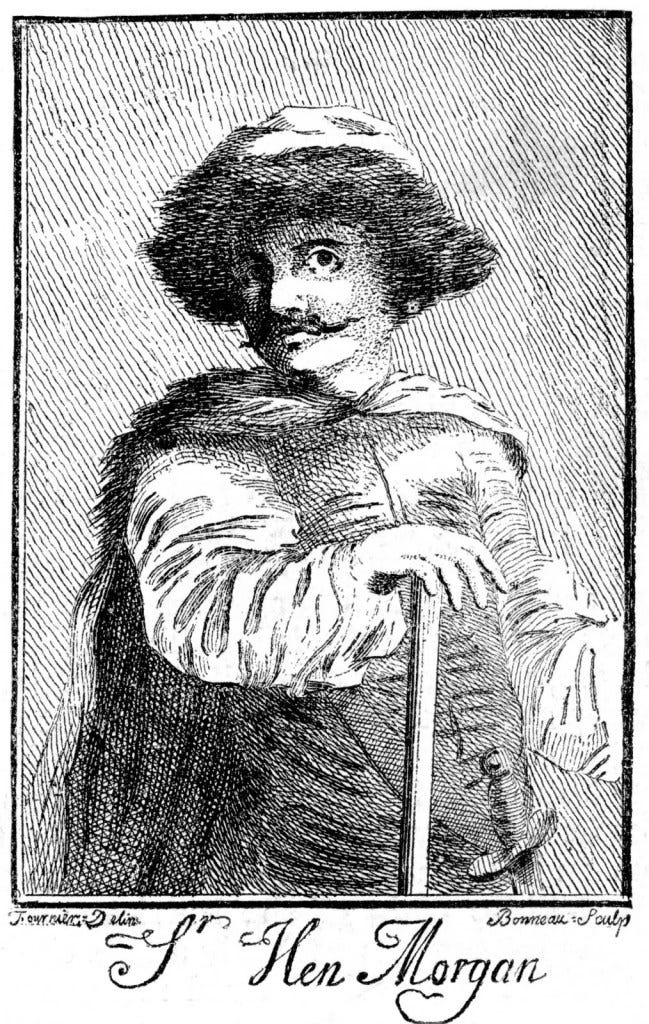
Some of the most prominent Welsh-connected figures included Sir Henry Morgan, the famed buccaneer and colonial administrator born in Wales, who later became Lieutenant Governor of Jamaica. His legacy includes vast estates and landholdings, setting a precedent for Welsh involvement in Jamaican land ownership.
Records in the British Colonial Office archives and the Legacies of British Slave-ownership database at University College London (UCL) reveal a number of Welsh surnames linked to Jamaican plantations—such as Davies, Griffiths, and Vaughan. Some were absentee landlords who owned land and slaves, receiving compensation after abolition in 1833. Their holdings contributed to the colonial real estate framework—dividing lands for agriculture, infrastructure, and estate housing.
2. The “Plantocracy” and Land Ownership
These Welsh landowners were part of the broader British plantocracy—a class of wealthy elites who controlled the majority of Jamaica’s arable land. This class-based land system shaped how property was valued, controlled, and transferred—patterns that persist in Jamaica’s real estate environment today.
For instance, many modern estate names, subdivisions, and Great Houses in parishes like St. Mary, St. Elizabeth, and Trelawny still reflect their colonial past, including those that once belonged to Welsh-descended owners. These lands were often broken up and sold or inherited after Emancipation, forming the basis of Jamaica’s modern rural property landscape.
3. Welsh Missionaries and Freedman Settlements
Not all Welsh contributions to Jamaican land history were exploitative. During the 19th century, Welsh missionaries played a role in post-Emancipation settlement development. Some helped establish Free Villages—communities where formerly enslaved people could purchase land and live independently. These villages helped lay the groundwork for smallholder property ownership, particularly in inland parishes.
The Welsh Baptist Missionary movement was part of this shift. They encouraged education, self-reliance, and property ownership among freed people—values that would underpin Jamaica’s grassroots real estate growth through the 20th century.
4. Migration, Return, and Reconnection
The 20th century brought a new chapter. As many Jamaicans moved to the UK (including Wales) during the Windrush era, a few connections reversed. Jamaican families settled in Cardiff, Newport, and Swansea, bringing with them culture, music, and a transatlantic identity.
Today, some descendants of Welsh-Jamaican unions or repatriating families return to Jamaica, looking to reclaim land, develop ancestral property, or invest in the country’s growing real estate market. These stories of return—though not widely documented—represent a quiet continuation of the historical land link between the two regions.
5. Modern Echoes in Real Estate
So, how does this all relate to today’s real estate market in Jamaica?
Heritage Estates: Some of the properties once owned by Welsh families have become heritage sites, tourist attractions, or luxury real estate. Examples include former Great Houses that are now used for weddings, bed-and-breakfasts, or villa rentals.
Land Subdivision: The estate division models from the post-slavery period influenced how communities were shaped—small parcels, often family-held, passed through generations. This still defines much of rural Jamaican landholding today.
Foreign Investment Models: The legacy of absentee ownership has created a complex debate around foreign land ownership in Jamaica—still relevant today as overseas investors buy up beachfront property. The echoes of the colonial land grab are not lost on current policymakers and social activists.
6. Closing Reflections: A Legacy Worth Remembering
While the Welsh presence in Jamaica was smaller than the English or Scottish, it was significant enough to leave real estate and cultural fingerprints that still faintly persist. Whether in the form of estate names, land divisions, missionary-built villages, or silent surnames buried in land titles, the connection exists.
In today’s Jamaica, where real estate is booming and the diaspora is reconnecting, understanding these forgotten histories helps us see the land not just as property—but as memory. Every parcel has a story. Some stretch back across oceans and centuries.
Quote by Dean Jones, founder of Jamaica Homes:
“When you invest in Jamaican land, you’re not just buying earth—you’re stepping into a story that spans empires, ancestors, and oceans. The past is written in the soil.”
Disclaimer:
This article is for informational and educational purposes only and does not serve as legal or investment advice. Historical references are based on available records and interpretations, and are intended to inspire deeper understanding of Jamaica’s rich and complex heritage.