

“Good Yard, Good Vibes: Landscaping Choices That Keep Peace Between Jamaican Neighbours”

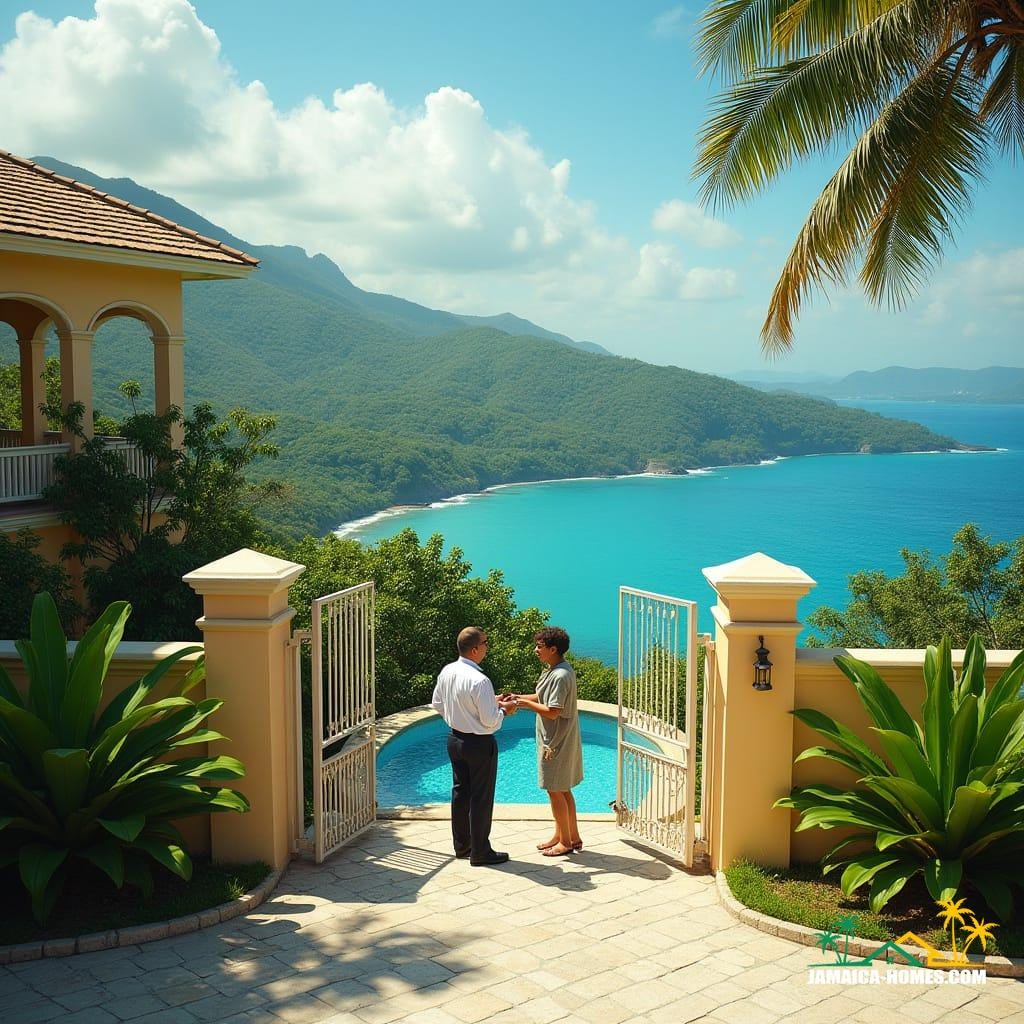
In Jamaica, a yard is more than land around a house. It is where families lime in the evening breeze, where children kick a ball after school, where mango trees shade Sunday conversations, and where neighbours lean over the fence for a quick chat.
Because of that, landscaping is not simply about aesthetics. It is about community, respect, and shared living space. A well-kept yard can lift the spirit of an entire street. On the other hand, certain landscaping choices—sometimes made with the best intentions—can unintentionally create friction between neighbours.
In the United States, real estate professionals often point to features like fire pits, bright security lights, or bulky yard structures as common sources of neighbourly tension. But Jamaica is different. Our climate, culture, property layouts, and social dynamics shape how outdoor spaces are used.
Here, many homes sit closer together, particularly in urban areas like Kingston, Montego Bay, or Spanish Town. Breezes carry sound and smoke more easily. Drainage matters more during heavy rainfall. And outdoor living is not seasonal—it happens every day of the year.
So when homeowners think about landscaping improvements, it is worth considering not only beauty and convenience, but also how those choices affect the people living nearby.
As Dean Jones, founder of Jamaica Homes, often reminds property owners:
“A beautiful home does not end at your fence line. The moment your choices affect the people next door, your landscaping becomes part of the community landscape.”
— Dean Jones
Below are several landscaping features that can sometimes irritate neighbours if they are poorly planned or maintained—and how Jamaican homeowners can approach them in smarter, more neighbour-friendly ways.
Backyard Fires and Outdoor Cooking Areas
Across Jamaica, outdoor cooking is a cherished tradition. Coal stoves, jerk pans, and backyard barbecues are part of the rhythm of everyday life. Some homeowners have begun installing permanent fire pits or outdoor cooking areas as a way to entertain guests.
When done thoughtfully, these features can be wonderful. They create gathering spaces where families laugh, share food, and unwind.
But problems arise when smoke travels directly into neighbouring homes. In many Jamaican communities, people rely heavily on natural ventilation. Windows remain open to catch the breeze. When smoke drifts into a bedroom or living room repeatedly, it can quickly become a point of tension.
The issue is rarely the fire pit itself—it is how it is positioned and used.
If a cooking area sits too close to a boundary wall, smoke may move straight into a neighbour’s yard. Burning unsuitable materials, such as treated wood or rubbish, can also create unpleasant fumes.
A thoughtful solution often lies in simple adjustments: placing fire features further from property lines, considering the direction of prevailing winds, and keeping the space clean and properly maintained.
And of course, there is always room for humour in these situations. In Jamaica, one neighbour’s jerk smoke drifting across the fence may smell heavenly—right up until it’s three nights in a row and no plate of food has arrived next door.
Security Lighting That Turns Night Into Day
Security lighting is extremely common in Jamaica, and for good reason. Homeowners want their property well-lit at night for safety and visibility.
Motion-activated lights are especially popular. However, when these lights are too bright or poorly aimed, they can shine directly into neighbouring homes.
Imagine trying to sleep while a floodlight beams through your bedroom window every time a cat walks past the sensor.
The problem is not security—it is excessive glare and poorly adjusted sensors.
Homeowners can reduce these frustrations by adjusting light angles so they illuminate their own yard rather than neighbouring properties. Lower-intensity bulbs and shielded fixtures can also help maintain safety without flooding the entire street with light.
Good lighting protects property. Thoughtful lighting protects neighbourly relationships.
Decorative Ponds and Water Features
Water features have become increasingly fashionable in residential landscaping. Small ponds, fountains, and decorative pools can create a peaceful atmosphere in a yard.
Yet in Jamaica’s warm climate, an unattended water feature can quickly become a breeding ground for mosquitoes. Algae buildup, stagnant water, and debris may also create unpleasant odours.
Neighbours may become concerned not only about appearance, but also about health and sanitation.
A water feature that is regularly cleaned and maintained can be a beautiful asset. But one that is neglected may quickly become the opposite.
Sometimes the best solution is redesign rather than removal. A pond that has fallen out of use can be transformed into a rock garden or drainage feature, helping water flow more effectively across the property.
In areas where rainfall can be heavy, good drainage design is not simply aesthetic—it is practical.
Oversized Yard Structures
Many Jamaican homes accumulate structures over time: sheds, chicken coops, gazebos, old play sets, clotheslines, or improvised storage buildings.
Individually, these items serve useful purposes. But when too many are added without careful planning, the yard can start to feel cluttered.
From a neighbour’s perspective, an overbuilt yard may create visual clutter, block airflow, or even cast unwanted shadows across nearby properties.
Large structures placed directly against a boundary wall can feel intrusive, particularly in closely spaced housing developments.
Homeowners sometimes underestimate how visible these additions are from surrounding yards.
The key is intentional design. If a structure is no longer in use, removing it may improve both the appearance and functionality of the property. Where new structures are necessary, placing them thoughtfully and maintaining them properly can make all the difference.
A clean, organized yard often enhances the entire street.
Above-Ground Pools
Swimming pools are less common in Jamaica than in some countries, but they do appear in certain residential areas. Above-ground pools, in particular, are sometimes installed as a more affordable alternative to in-ground pools.
For families with children, they can provide hours of enjoyment.
But they also introduce several challenges.
When poorly maintained, they may collect algae or debris. When heavily used, they can create noise that travels easily across property lines. And visually, large plastic structures in the middle of a yard may not blend naturally with surrounding landscaping.
Safety is another concern. Pools that are left uncovered or unfenced may present risks, especially in neighbourhoods with young children.
Homeowners who choose above-ground pools can minimize potential issues by integrating them into the landscape. Surrounding the pool with decking, plants, or fencing can soften its appearance while improving safety.
As Dean Jones reflects:
“Your yard should feel like an extension of your home’s character. When landscaping choices clash with the surrounding environment, they rarely age well.”
— Dean Jones
Excessive Concrete and Paved Surfaces
Concrete driveways and paved yards are common across Jamaica. They are durable, low-maintenance, and practical for parking vehicles.
However, some properties become almost entirely paved, leaving little room for grass or vegetation.
From a distance, the front yard can start to resemble a small car park rather than a residential garden.
Beyond appearance, excessive paving can also affect drainage. During heavy rainfall, water may flow directly onto neighbouring properties if the surface has not been properly graded.
In Jamaica’s tropical climate, natural ground surfaces often absorb rainfall more effectively than solid pavement.
Replacing portions of concrete with grass, gravel, or landscaping beds can improve drainage and soften the overall look of a property.
It also helps restore a sense of balance between built space and natural greenery.
Invasive Plants Along Property Lines
Plants are usually welcome additions to any yard. Trees, hedges, and shrubs bring shade, beauty, and privacy.
But some plants can become invasive if placed too close to property boundaries.
Bamboo is a classic example. It grows quickly and spreads aggressively underground. Once established, it can be extremely difficult to control.
Roots may push into neighbouring yards, interfere with drainage systems, or damage paved surfaces.
Even certain trees, if planted directly on a boundary line, can create disputes when branches extend across fences or roots interfere with nearby structures.
Choosing appropriate plants and placing them carefully is one of the simplest ways to maintain good relationships between neighbours.
Hedges and ornamental shrubs often provide privacy without the same long-term risks.
Landscaping and the Jamaican Spirit of Community
Landscaping decisions may seem small at first glance. But in communities where neighbours interact frequently, those choices can shape the tone of everyday life.
A yard that is thoughtfully maintained sends a message of care—not only for the property itself, but for the people living nearby.
Dean Jones captures this idea well:
“Property ownership is not only about what you build. It is about how your choices contribute to the dignity of the neighbourhood around you.”
— Dean Jones
That philosophy resonates deeply in Jamaica, where communities often function like extended families. People watch out for one another. They share tools, fruit from backyard trees, and sometimes even Sunday dinner.
Landscaping should support that spirit rather than disrupt it.
Simple considerations—like placing structures carefully, maintaining outdoor features, and respecting shared space—can go a long way toward preserving harmony.
The Bigger Picture: Property Value and Neighbourhood Pride
There is also a practical dimension to neighbour-friendly landscaping.
Properties rarely exist in isolation. The value of a home is influenced by the overall appearance and condition of the surrounding neighbourhood.
When yards are clean, organized, and thoughtfully designed, the entire area becomes more attractive to future buyers and investors.
Conversely, poorly maintained landscaping can gradually erode the appeal of a community.
This is why many experienced real estate professionals encourage homeowners to think beyond their own property line. Landscaping is not just about personal taste—it is about collective stewardship of place.
A well-kept yard contributes to neighbourhood pride. It encourages others to take similar care of their spaces.
And over time, that shared effort creates communities where people genuinely enjoy living.
A Final Thought
In Jamaica, the yard has always been a place of life, laughter, and connection. Landscaping choices should enhance that tradition rather than disrupt it.
When homeowners approach outdoor improvements with thoughtfulness and consideration, they do more than beautify their property—they strengthen the bonds of community.
Because in the end, the most valuable feature any home can have is not a pond, a gazebo, or a paved driveway.
It is good neighbours.