


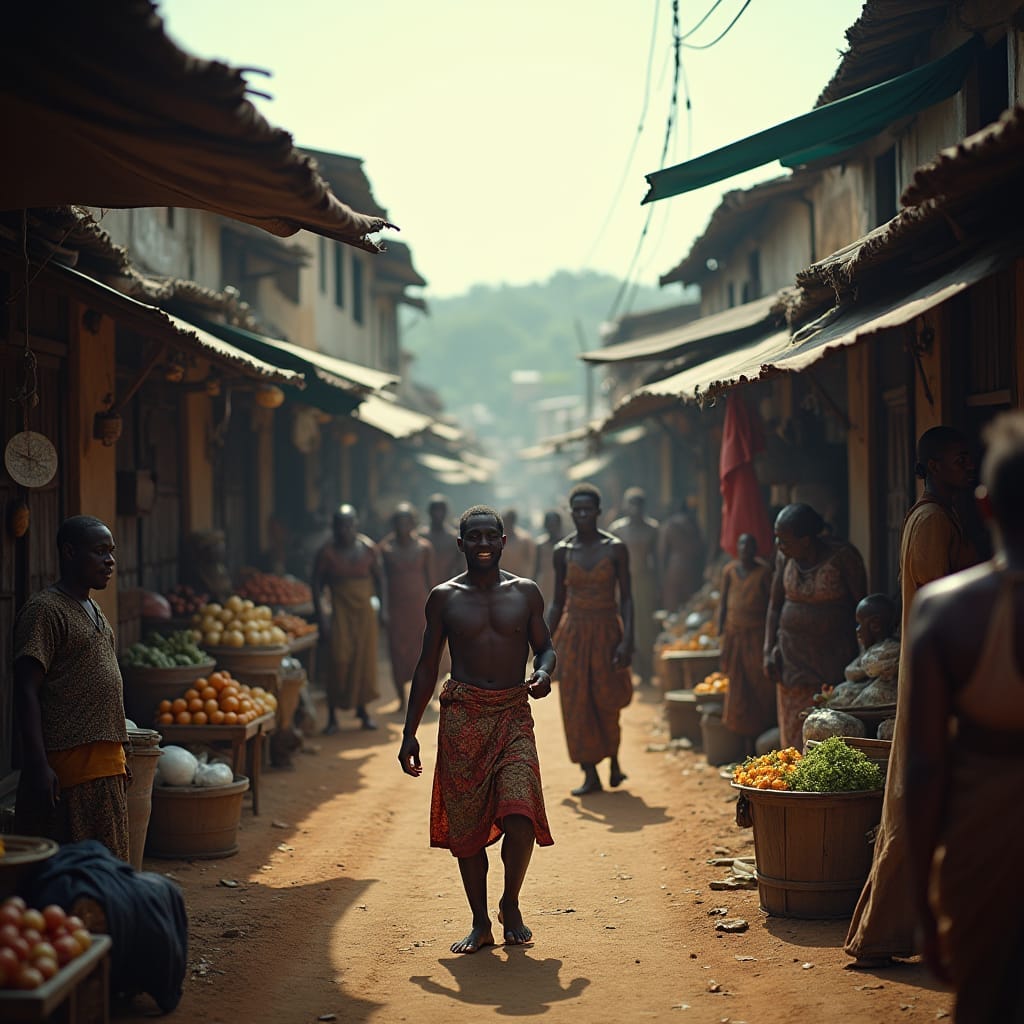
Pre-1900s – Informal Market Traditions: Before the official celebration of Grand Market Night, Jamaica’s markets had long been places of commerce and social gatherings. In rural and urban areas alike, markets were held regularly where locals could buy food, clothing, and household goods. The Christmas season, particularly on Christmas Eve, was a time when these markets became even more vibrant. It was common for people to travel from villages to towns to buy special items for the holiday season, such as food for the Christmas feast and gifts for family members.
Early 1900s – Growing Festive Activity: By the early 20th century, the tradition of gathering on Christmas Eve to shop and celebrate began to formalize, especially in larger towns like Kingston, Montego Bay, and Spanish Town. These festive markets saw an increase in vendors and shoppers, creating a special energy that tied into the holiday spirit. These gatherings were less organized events but were still a highlight for the Jamaican community, marked by street performances, local food, and the exchanging of gifts.
1930s – Emergence of a Recognized Tradition: During the 1930s, the Grand Market tradition began to take on a more structured form. As Jamaica’s population grew and cities expanded, urban markets became central locations for people to prepare for Christmas. While there were no formal advertisements or official events, the markets were known to offer special deals and festivities during Christmas Eve. The rise of motor vehicles also made it easier for people from rural areas to travel to the larger towns, which contributed to the growing popularity of these markets.
1940s-1950s – A National Festivity: By the 1940s and 1950s, Grand Market Night began to develop into the massive event it is known as today. People from all walks of life would converge on the capital city, Kingston, and other major towns. Markets were filled with a wide range of goods, including special holiday items like Christmas cake, sorrel, and the iconic Jamaican ginger beer. The event became more than just a shopping experience—it turned into a night of celebrations, music, dancing, and socializing. It was a time for communities to come together, celebrate the holiday season, and express their joy.
1960s-1970s – Institutionalization of Grand Market Night: During this period, Grand Market Night took on an official status, with vendors organizing themselves and local governments supporting the event through permits and regulations. The tradition became widely recognized across Jamaica, and the event began to be advertised more, drawing larger crowds each year. By now, it had grown beyond Kingston, with major towns like Montego Bay, Mandeville, and Ocho Rios also hosting their own Grand Market Nights. These events became focal points for commerce, tourism, and culture, as visitors from around the Caribbean and further afield joined locals in the festivities.
1980s-1990s – Increased Commercialization and Media Coverage: By the 1980s and 1990s, Grand Market Night evolved further as it became a key event in Jamaica’s Christmas calendar. Local television and radio stations began broadcasting live from major Grand Market locations, bringing the excitement of the night into homes across the country. More businesses began to see the potential for Grand Market to generate significant sales, and the event became highly commercialized. The celebration of Grand Market Night began to include performances from well-known Jamaican artists, adding music and entertainment to the vibrant market atmosphere.
2000s-Present – A Cultural and Economic Highlight: Today, Grand Market Night is one of the most anticipated events in Jamaica, with celebrations taking place across the island. It is not only a time for Jamaicans to do last-minute holiday shopping, but it also serves as a massive tourism draw, with visitors from all over the world coming to experience the festive Jamaican culture. Major cities like Kingston, Montego Bay, and Ocho Rios host some of the largest Grand Market Nights, with street vendors selling everything from traditional holiday foods to crafts and souvenirs. The market is often accompanied by live performances, parades, and other community events that celebrate Jamaican music, dance, and culture.
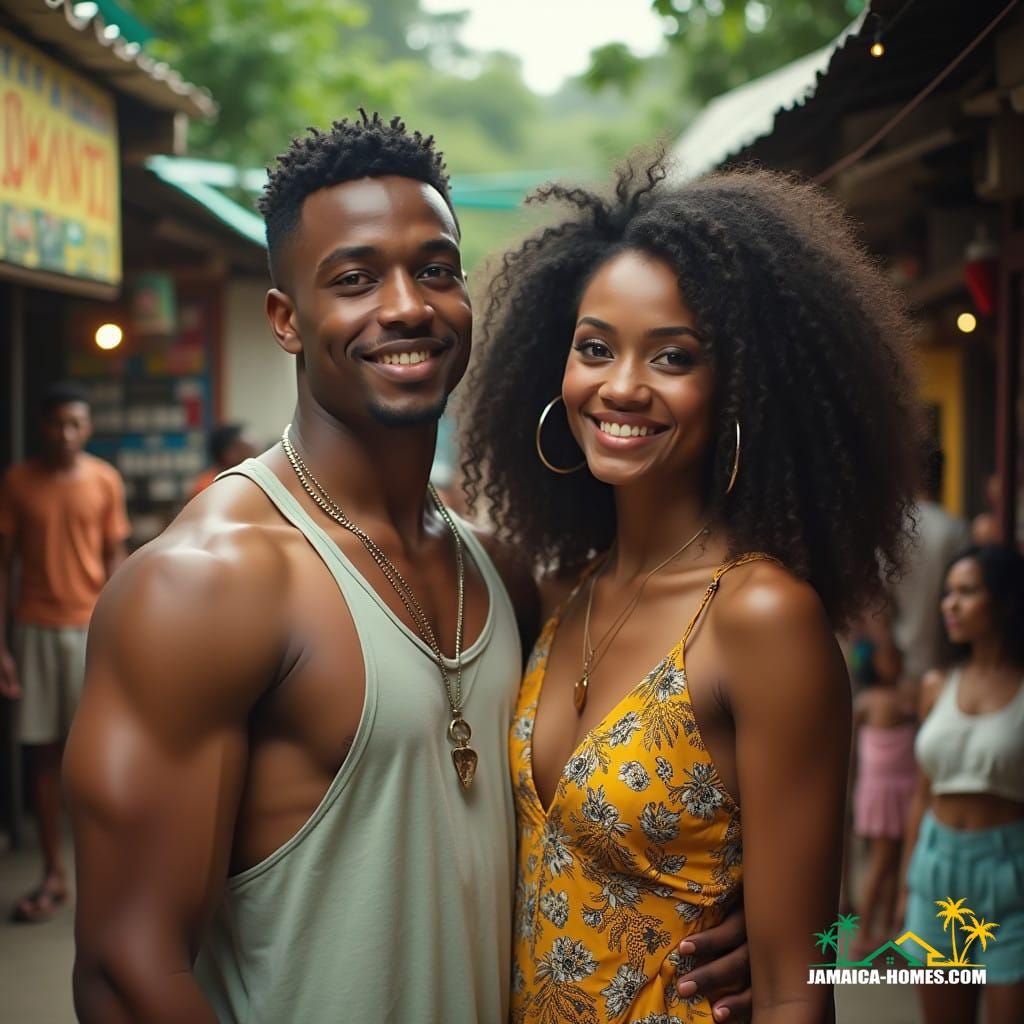
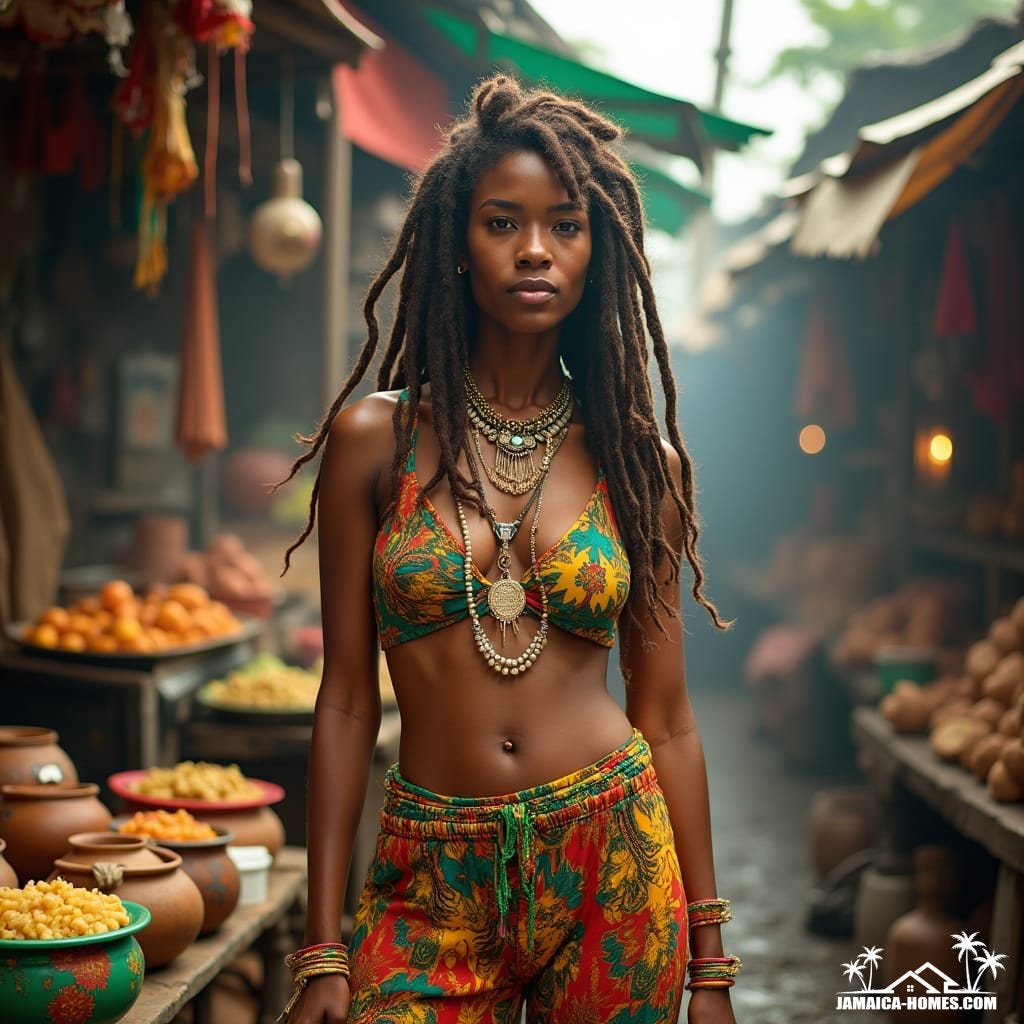
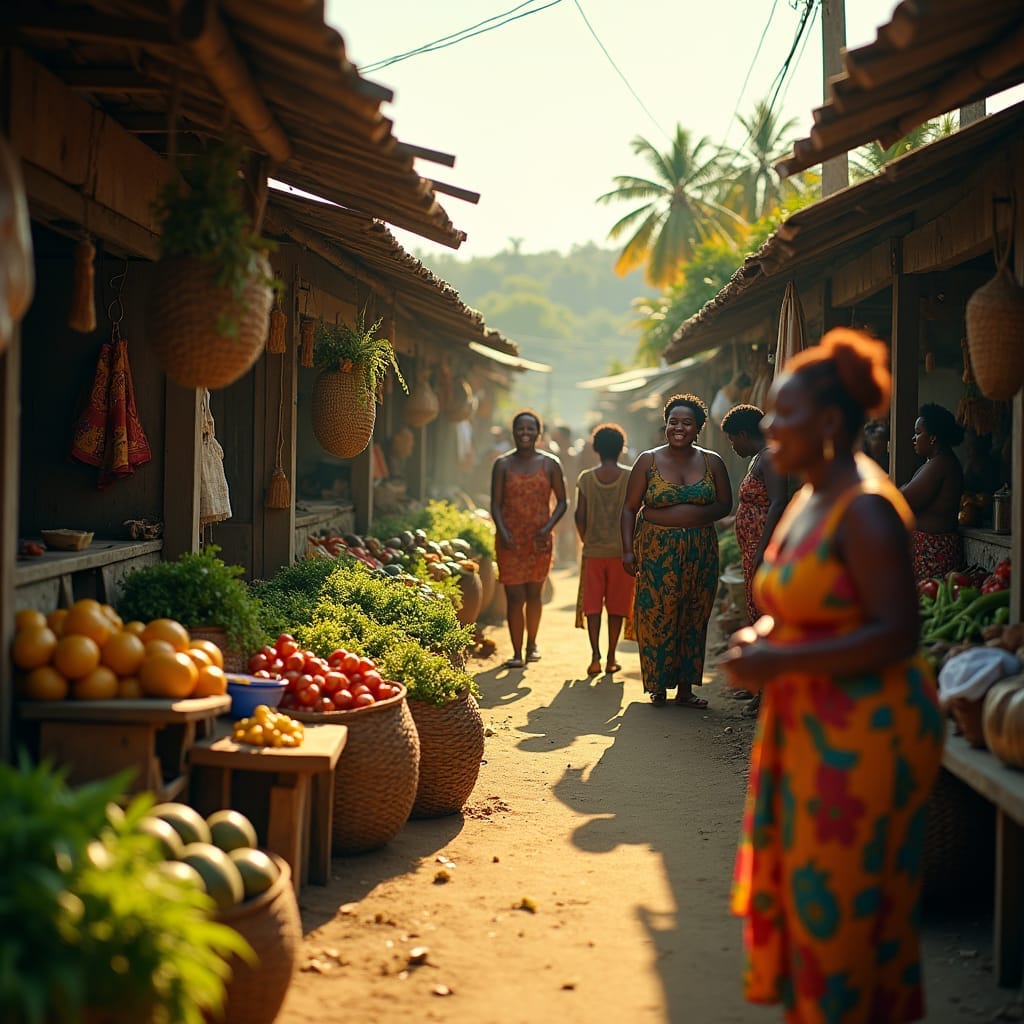
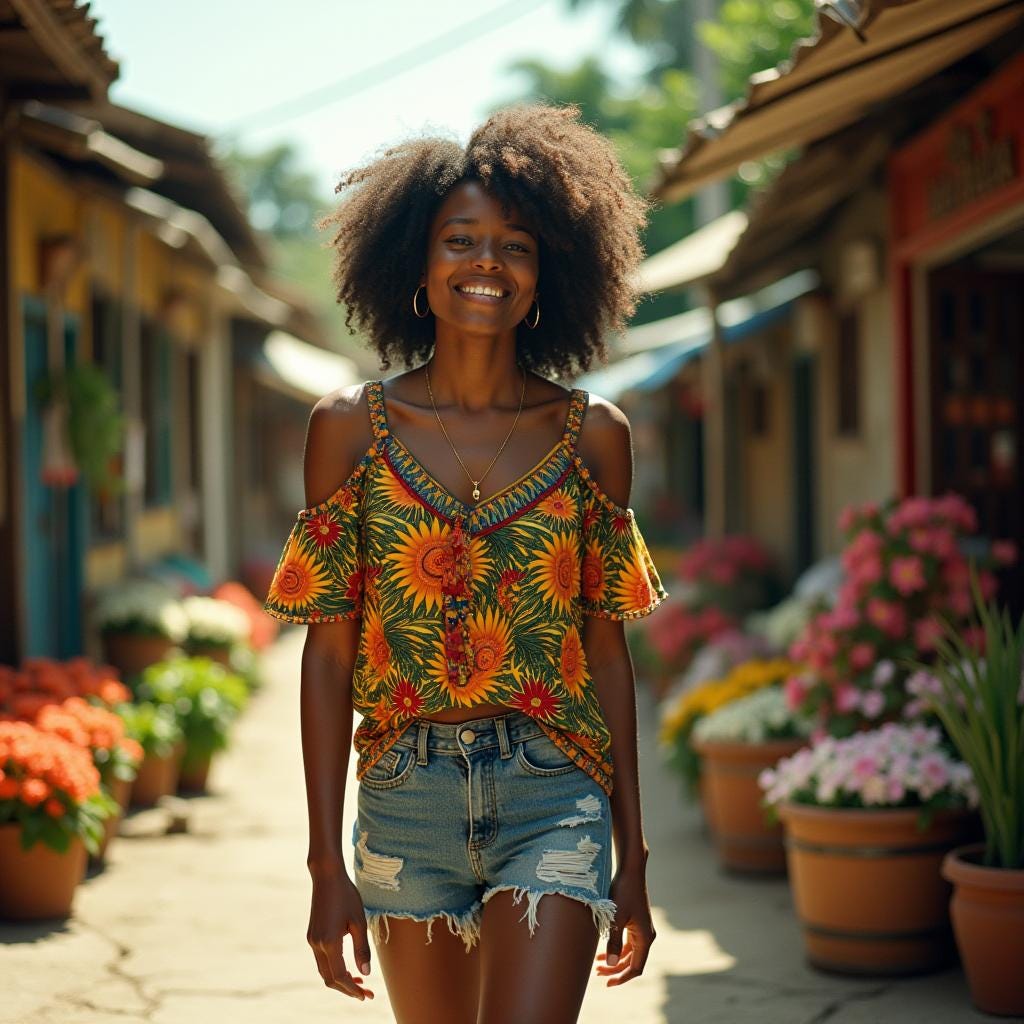
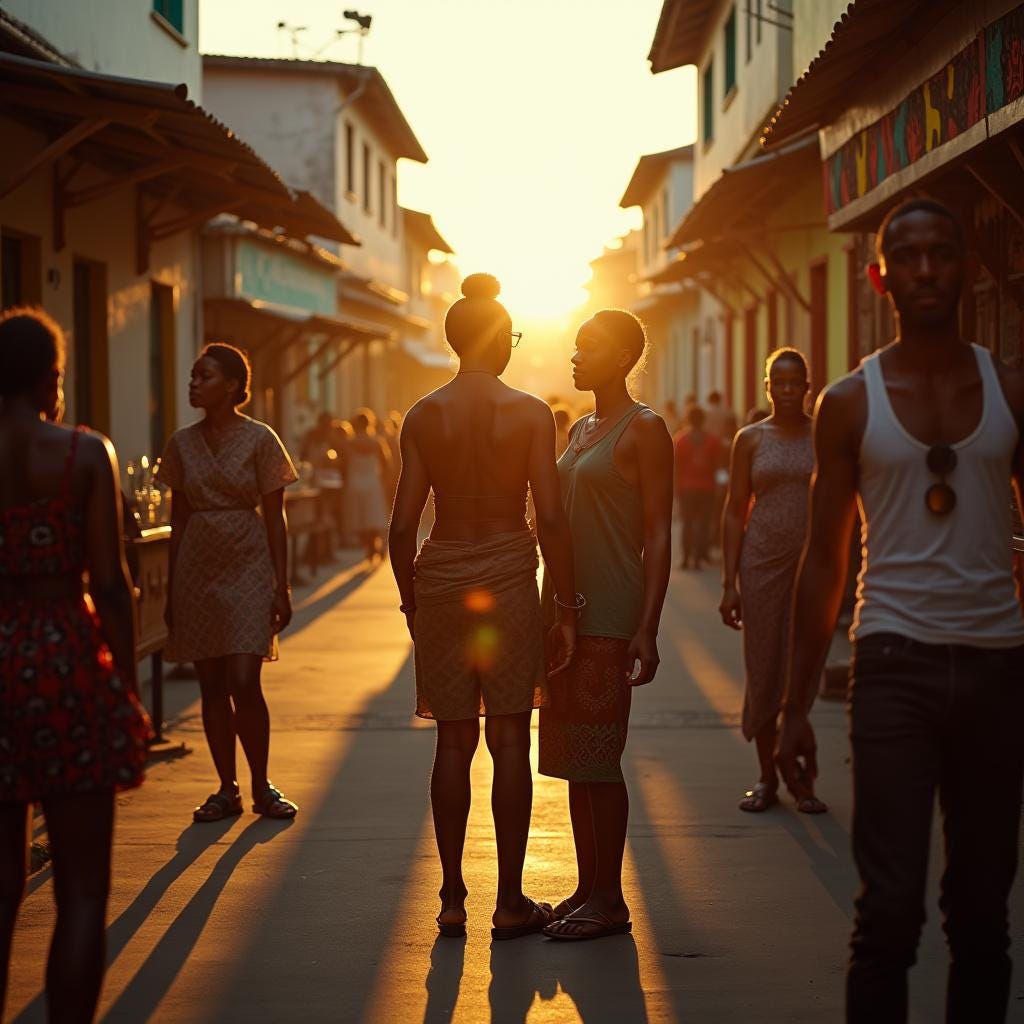
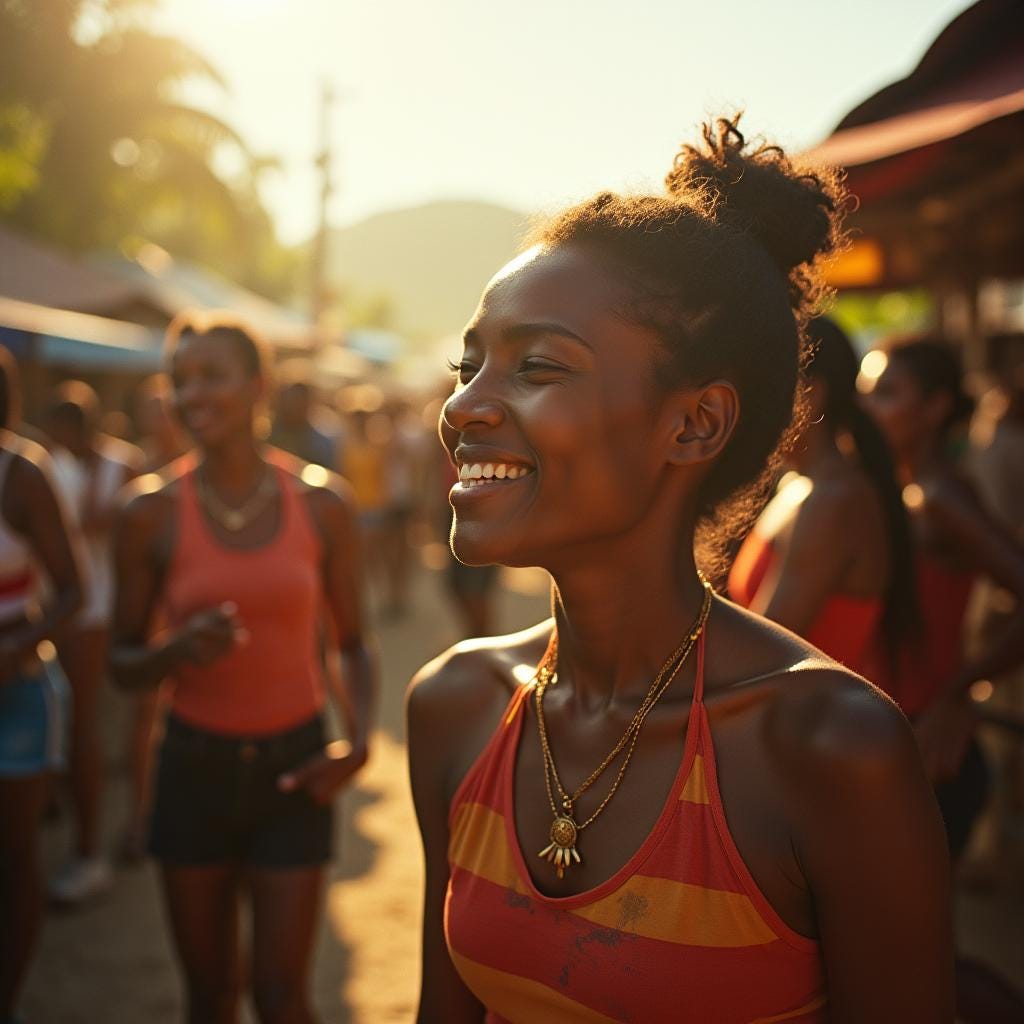
The significance of Grand Market Night continues to grow as a symbol of the country’s rich traditions and resilience, providing a space for communities to come together, celebrate the Christmas season, and partake in the joyous atmosphere of the island. For both locals and visitors, it remains an essential part of the holiday experience, showcasing the best of Jamaican culture and hospitality.
In recent years, the event has also been supported by local governments and organizations to improve safety and ensure that the festivities are accessible to everyone. As Jamaica embraces its digital transformation, the promotion of Grand Market Night has expanded to online platforms, allowing more people to plan their visits and engage with the event before it even begins.