


Jamaica is a paradox. It’s where people wine and dine on the beach at sunset, yet hustle through power cuts and price hikes by morning. From the outside, it’s often seen as either paradise or pandemonium—but for those who live here, survival is far more layered.
So how do Jamaicans actually make it work? The answer depends on where you fall on the socioeconomic ladder, what you’re willing to sacrifice, and how creatively you can adapt.

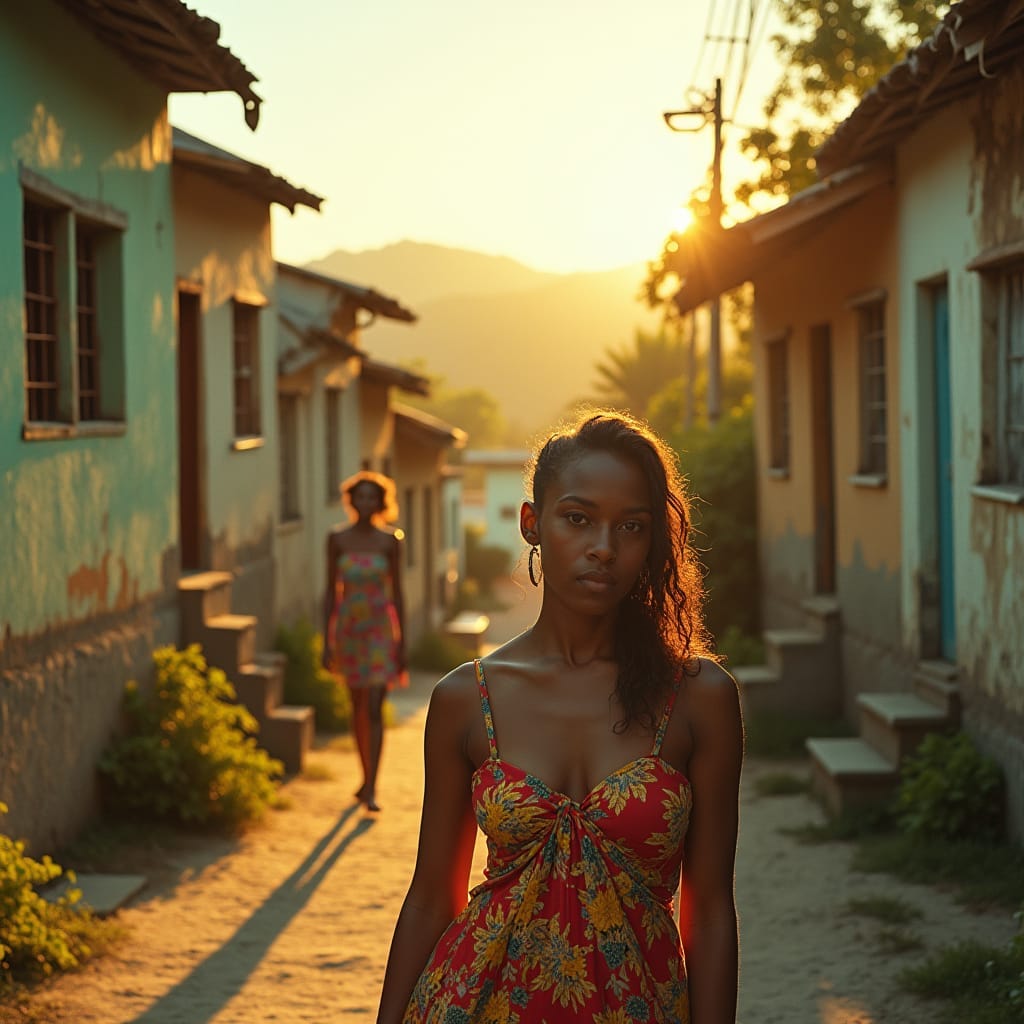
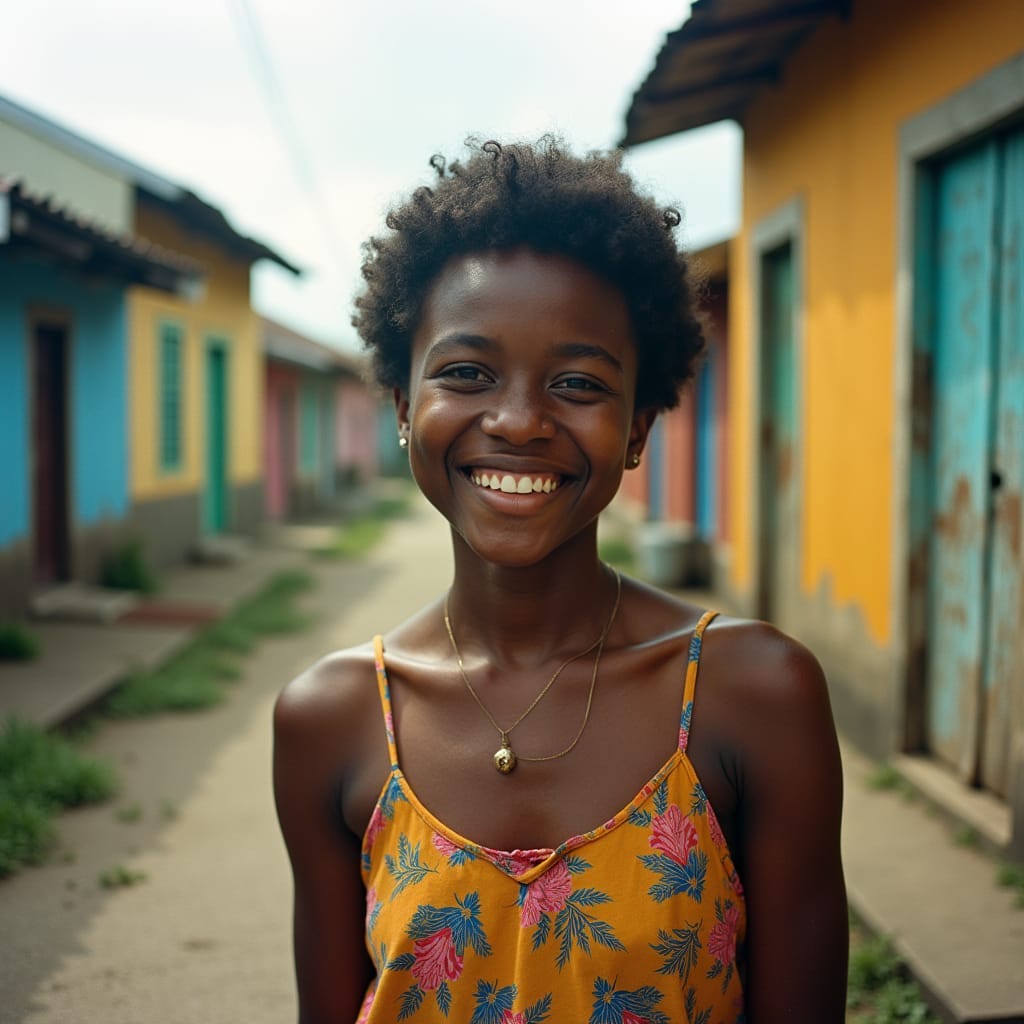
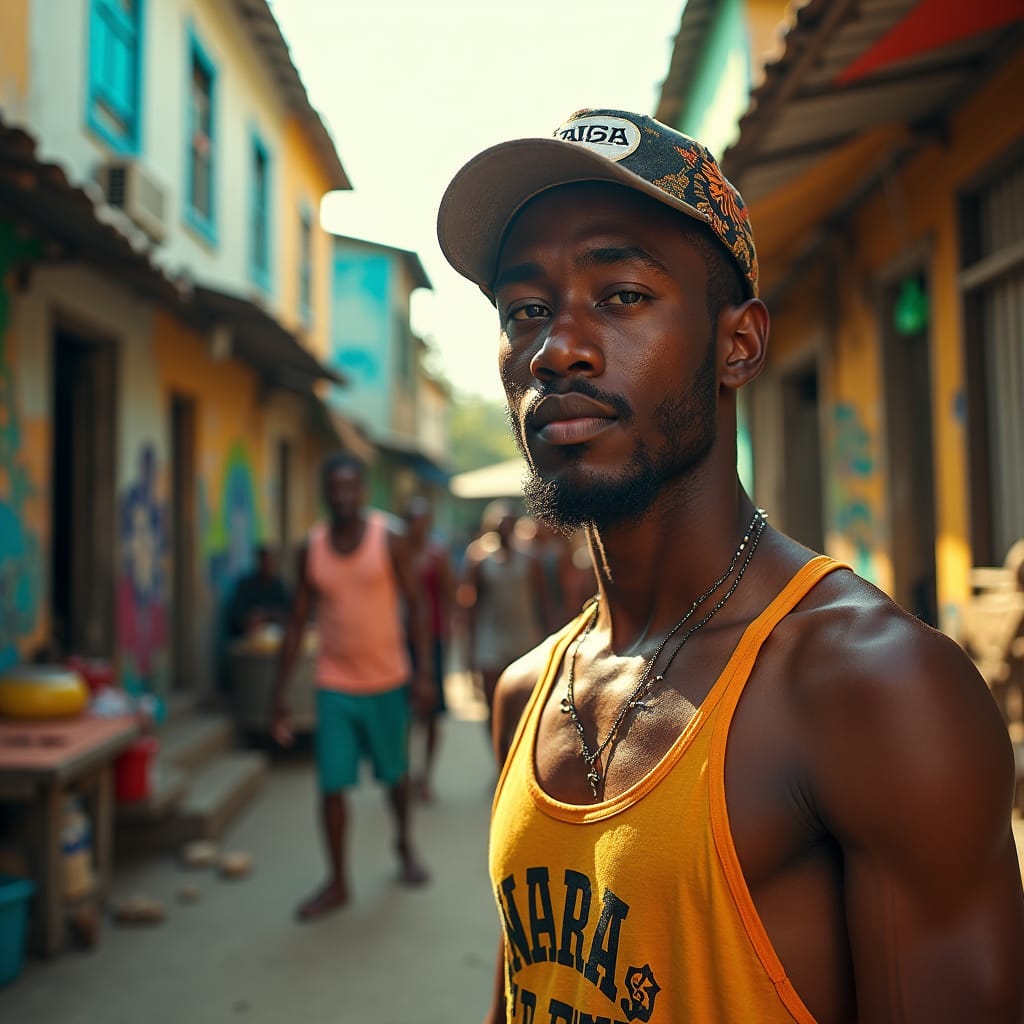
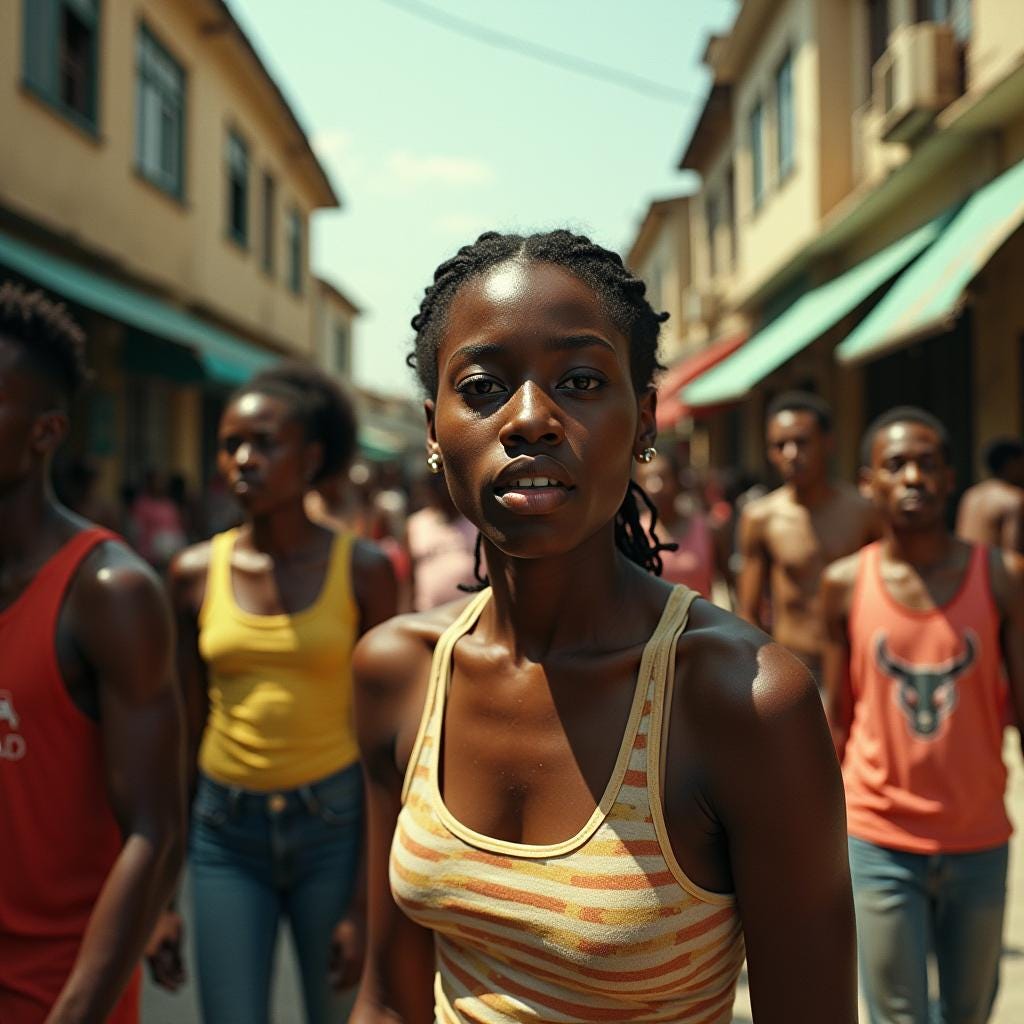
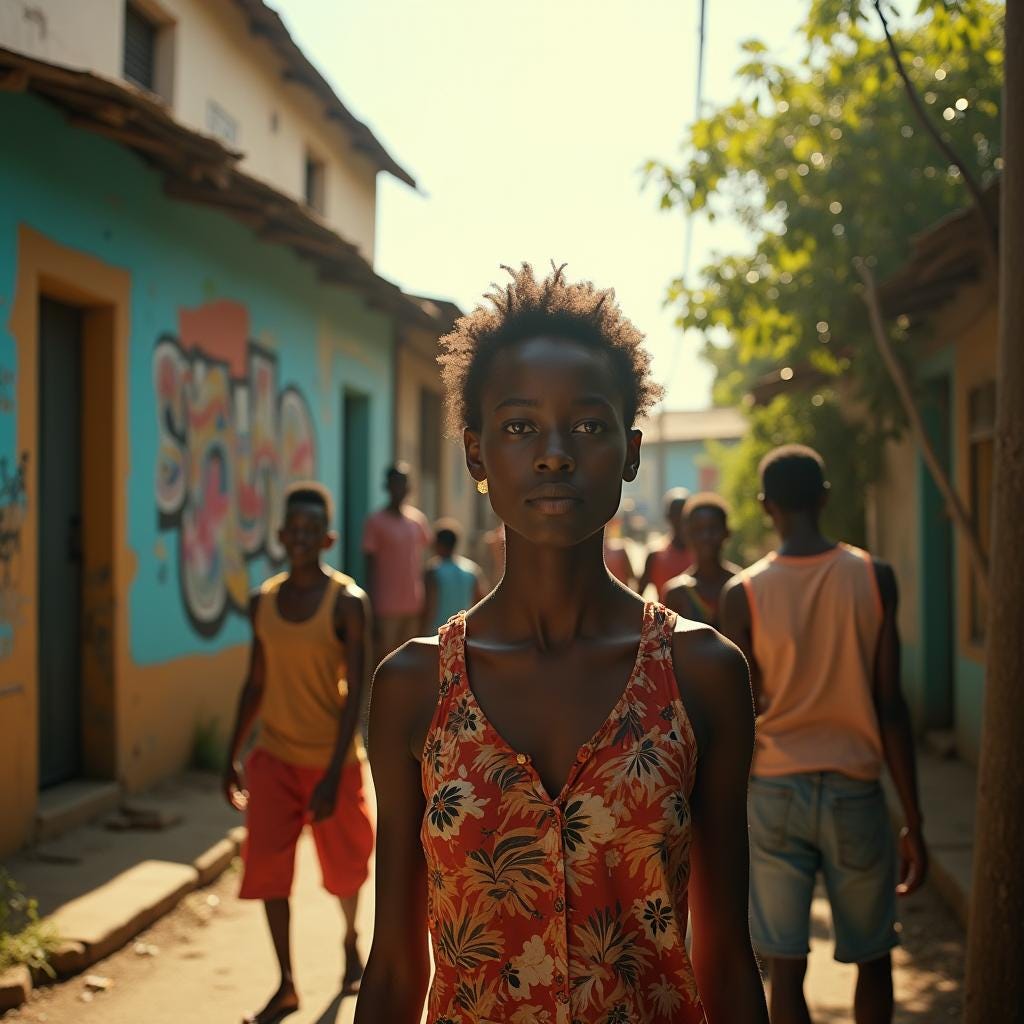
Making It Work: The Resilient Majority
For many Jamaicans, survival is a delicate balance of planning, persistence, and side hustles. A single 9–5 often isn’t enough—especially in urban centers like Kingston, Montego Bay, and Portmore—so people juggle multiple jobs, freelance gigs, and informal businesses just to stay afloat.
“It’s all about the side hustles,” one resident noted. “You need at least two income streams. And if you don’t, you better know how to stretch what little you have.”
Grocery bills are high, rent in safe areas can rival mortgage payments in North America, and utility costs—especially electricity—can feel brutal for the average earner. Yet somehow, people figure it out. They share housing, carpool, cook at home, shop wholesale, and tap into family support systems when needed.
The Financial Divide
Jamaica’s economic split is stark. For the financially stable—those in tech, medicine, law, or who run successful businesses—life is not just survivable, it’s enjoyable.
“I’m not rich, but I live comfortably,” shared one Kingston resident. “I go to Starbucks, I travel, I’m planning a family. I’m not going anywhere.”
That kind of lifestyle isn’t available to everyone, though. And that’s where the love/hate relationship with the island often emerges. Many express deep pride in their culture, roots, and environment—but they also recognize that unless you’re financially equipped, the daily grind can be unforgiving.
“If you’re not part of the upper middle class or uptown crowd, life is a struggle. You feel the pressure of every price increase, every lost opportunity,” said another.
Cost of Living: Reality Check
Rents in central or “safe” areas of Kingston can easily top $100,000 JMD per month (US$650+). Add bills, groceries, transport, and childcare, and the cost of living quickly becomes a heavy burden. Some manage by living in scheme areas, sharing apartments, or returning to family homes. Others simply leave.
Many Jamaicans in the diaspora didn’t migrate out of dislike for their homeland—they did so out of economic necessity. For those who stay, there’s a common sentiment: “I love Jamaica—but I wish it loved me back.”
Survival Is a Strategy
So how do people do it? The ones who make it work often follow a few core strategies:
Multiple income streams. A main job, plus something on the side—freelancing, online work, sales, content creation, tutoring, farming, you name it.
Reasonable housing. That dream apartment in New Kingston may be out of reach, but 2-bedrooms for $50–60k do exist—you just have to hunt.
Frugal living. Cooking at home, bulk shopping, budgeting apps, and support from friends or family all stretch the dollar.
Upskilling. Many are investing in certifications, trades, or online education to break into better-paying fields or remote work.
Community. Whether it’s a church group, neighborhood WhatsApp chat, or just good neighbors—knowing someone who has your back matters.
Jamaica Isn’t Hopeless—Just Unequal
Despite it all, many still see Jamaica as home—and wouldn’t trade it for anywhere else.
“Yeah, there’s crime. But there’s also love. There’s community, culture, a vibe you can’t replicate anywhere else,” said one young professional. “The issue isn’t Jamaica—it’s that we haven’t fully invested in fixing it.”
And therein lies the contradiction: people survive here not because it’s easy, but because it’s worth it. Because for every power cut and pothole, there’s a beach day, a belly laugh, or a blessing that makes it all feel manageable—sometimes even magical.
Final Thoughts
How do people survive in Jamaica?
With creativity. With community. With grit.
Not everyone has the same experience, and not everyone stays. But for those who do, survival isn’t just about scraping by—it’s about carving out a life in a place they love, even if that means dodging some bullets, both metaphorical and literal, along the way.
And sometimes, survival here doesn’t just mean staying alive—it means learning how to truly live.