

How Jamaica’s Real Estate Story Mirrors the Nation’s Journey
From Blessing the Land to Building Wealth


KINGSTON, Jamaica — In 1980, Jamaica’s economy was worth approximately US$2.6 billion. Most families did not discuss property portfolios, return on investment, or short-term rental yields. A piece of land was something simpler and, in many ways, far more profound.
It was security. It was independence. It was proof that a family had planted roots.
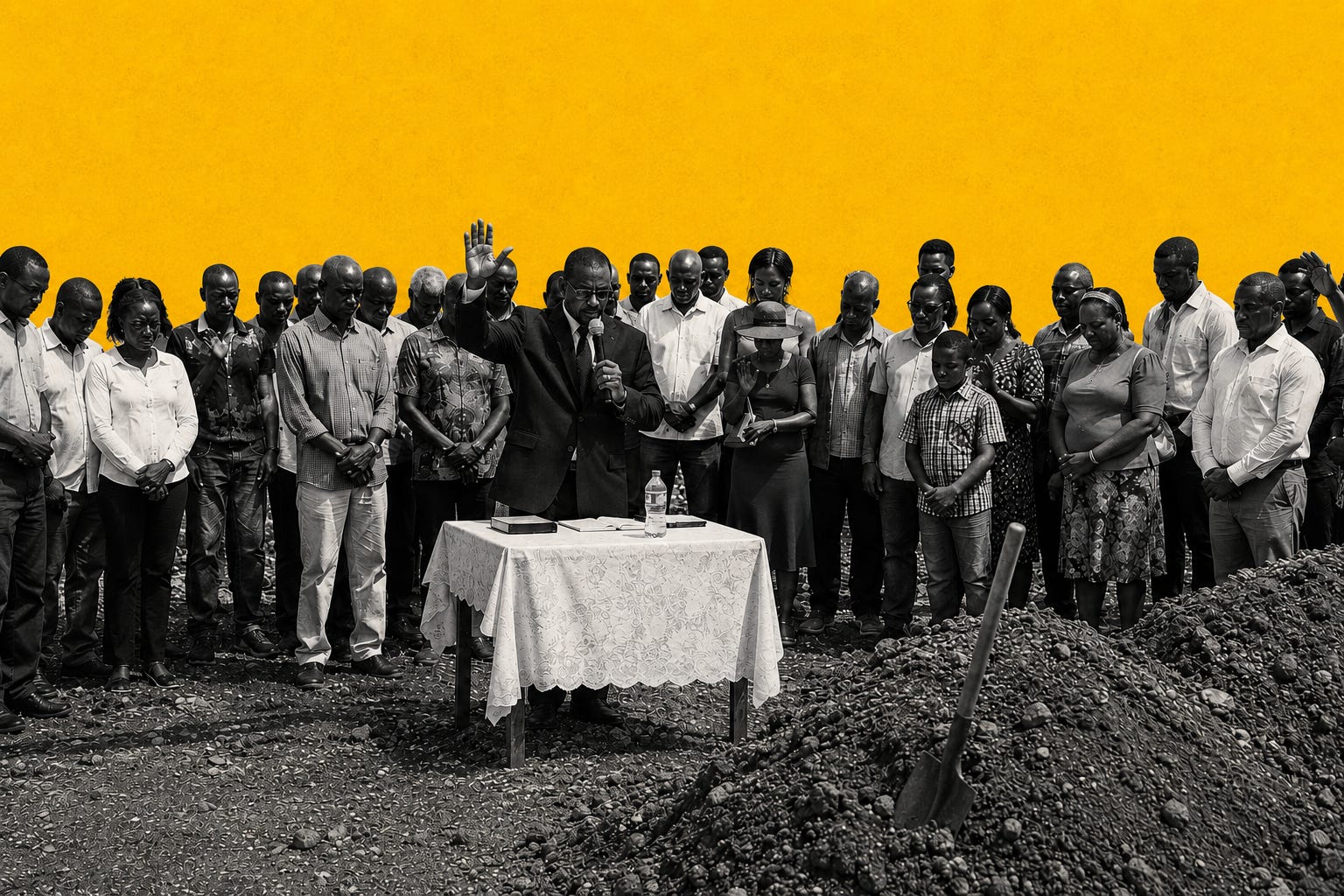
Across rural districts and urban communities alike, ownership often carried both economic and spiritual significance. A pastor might be invited to pray over a newly acquired lot. A family gathering could mark the first concrete being poured for a home. The language of property was intertwined with faith. Land was not merely bought; it was blessed.
Nearly half a century later, Jamaica’s economy has expanded to roughly US$22 billion, and the country’s property market has evolved into one of the most dynamic sectors in the Caribbean. Yet beneath the mortgage approvals, valuation reports, gated communities and investment seminars lies a surprisingly familiar story.
The numbers have changed dramatically. The aspirations have not.
The First Generation: Land as Freedom
To understand Jamaica’s real estate market today, it is necessary to understand what land represented to earlier generations.
For many Jamaicans born in the decades following Emancipation, land ownership symbolized freedom itself. Owning even a small plot offered protection against uncertainty and a chance to build something that could be passed down through generations.
By the time Jamaica entered the 1980s, the country was facing economic challenges, political tensions and periods of significant migration. Yet the dream of owning a piece of Jamaica remained remarkably resilient.
The economy in 1980 was worth around US$2.6 billion. Formal real estate transactions were relatively limited compared with today, and the wider property market is estimated to have generated less than US$500 million annually.
Most transactions occurred through family networks, local connections and traditional conveyancing processes. Properties were often held for decades. Selling was not always the objective.
Ownership itself was the prize.
The Second Generation: Building Through Adversity
By 1990, Jamaica’s economy had grown to approximately US$4.7 billion.
The country was navigating structural adjustment programmes, high inflation and economic reform. Yet housing construction continued across both urban and rural communities.
This was the generation that often built incrementally.
A foundation one year.
A ground floor the next.
An upper floor several years later.
The phrase “I’m building my house” could describe a project that lasted a decade or more.
During this period, Jamaica’s property market is estimated to have expanded to between US$1 billion and US$2 billion annually.
Many homes were funded not by institutional finance but through family sacrifice, overseas remittances and years of personal labour.
The blessing of the land remained an important ritual in many communities, but the process itself was increasingly influenced by economics. Rising construction costs and urban migration were beginning to reshape how Jamaicans thought about property.
The Third Generation: Property Becomes an Investment
By 2000, Jamaica’s economy had reached approximately US$9.1 billion.
Tourism was expanding. The financial sector was recovering from the turbulence of the 1990s. Overseas Jamaicans were becoming increasingly active participants in the housing market.
For many families, property was no longer viewed solely as a place to live.
It was becoming an asset.
Apartments and townhouses gained popularity. Gated communities emerged across several parishes. Developers began introducing projects aimed at both local purchasers and overseas investors.
The estimated value of annual real estate activity grew to between US$3 billion and US$5 billion.
This period marked an important transition.
Previous generations often asked, “Where will my family live?”
A growing number of buyers now asked, “What will this property be worth in ten years?”
The language of ownership was beginning to change.
The Fourth Generation: Globalization Arrives
By 2010, Jamaica’s economy had grown to approximately US$13.2 billion.
The country was dealing with the aftereffects of the global financial crisis and significant public debt challenges. Yet real estate continued to expand.
Annual property market activity is estimated to have reached between US$8 billion and US$12 billion.
Developments became larger, more sophisticated and increasingly international in outlook.
Kingston’s skyline began to evolve.
Tourism-driven investment accelerated along the North Coast.
Diaspora buyers became an increasingly important force.
The internet also transformed the market.
Properties could now be viewed online from London, Toronto, New York or Miami. A buyer could explore Jamaican listings without setting foot on the island.
For the first time, Jamaica’s real estate market was operating within a truly global environment.
The Pandemic and the Unexpected Boom
In 2020, Jamaica’s economy stood at approximately US$13.9 billion.
COVID-19 devastated global tourism and disrupted virtually every sector of the economy. Yet the years that followed produced one of the most remarkable periods in the history of Jamaican real estate.
Remote work, international migration patterns, returning residents and renewed investor interest created fresh demand.
Property became a focal point for wealth preservation.
Land became increasingly scarce in major urban centres.
Tourism-related developments continued to attract attention.
The market’s growth accelerated.
Estimates suggest total annual property activity, including formal and informal transactions, reached between US$25 billion and US$40 billion by 2020.
Then came another transformation.
Jamaica’s Property Market Nears the US$100 Billion Mark
Today, Jamaica’s economy is approximately US$22 billion in size.
Recent industry figures indicate that Multiple Listing Service activity alone generated nearly J$99.3 billion in property sales during 2025, despite economic disruptions and broader uncertainty.
Yet MLS transactions represent only part of the picture.
A significant volume of Jamaican property transactions occurs outside the MLS system through private sales, family transfers, direct developer sales, informal arrangements and other channels.
When these are considered, many industry observers believe the wider market now generates somewhere between US$90 billion and US$120 billion in annual activity.
The scale of the transformation is extraordinary.
The economy has expanded roughly eightfold since 1980.
The property market has likely grown more than one hundredfold.
Today, conversations that once focused on acreage and inheritance frequently include rental yields, short-term accommodation platforms, development opportunities and investment returns.
Yet there remains a striking continuity.
Many buyers are still pursuing exactly what their grandparents pursued.
Security.
Legacy.
Ownership.
What Happened to Religion?
It would be easy to conclude that faith has faded from the real estate equation.
After all, today’s buyers are more likely to discuss mortgage rates, valuation reports and construction costs than church blessings.
Yet that conclusion may overlook something important.
The language has changed.
The values often have not.
A generation ago, a homeowner might have said:
“God blessed us with this land.”
Today, the same sentiment may be expressed differently:
“I want something to leave for my children.”
The emphasis on stewardship, family responsibility and generational transfer remains deeply embedded in Jamaican society.
Pastors are still invited to dedicate homes.
Families still gather to pray before moving into newly completed properties.
Many developments still host blessing ceremonies before opening.
Religion may no longer drive market behaviour in the way it once did, but it continues to shape the cultural meaning of ownership.
Looking Toward 2030
The next chapter may be even more significant.
If current trends continue, Jamaica’s economy could reach between US$28 billion and US$35 billion by 2030, with a central projection of approximately US$29 billion to US$31 billion.
The property market could expand to between US$140 billion and US$200 billion annually.
Several forces are expected to shape that future:
Diaspora investment.
Tourism-related development.
Urban regeneration.
Infrastructure expansion.
Digital property platforms.
Increased foreign direct investment.
The challenge will be balancing growth with affordability.
The same market that creates wealth can also place homeownership beyond the reach of many first-time buyers.
The question facing Jamaica is not whether its property market will continue to grow.
The evidence suggests it will.
The more important question is whether the next generation will still be able to participate in the dream that has defined Jamaican land ownership for nearly two centuries.
Because while the market now speaks the language of valuations, investment returns and billion-dollar developments, the deeper story remains surprisingly familiar.
It is still about families seeking permanence in an uncertain world.
It is still about creating something that lasts.
And in countless communities across Jamaica, it is still about finding a piece of land to call home - and, for many, quietly asking for God’s blessing before the first stone is laid.
Follow Jamaica Homes on X and Facebook @JamaicaHomes, and on Instagram @jamaica_homes. Send us a message via email us at onlinefeedback@jamaica-homes.com or editor@jamaica-homes.com.