


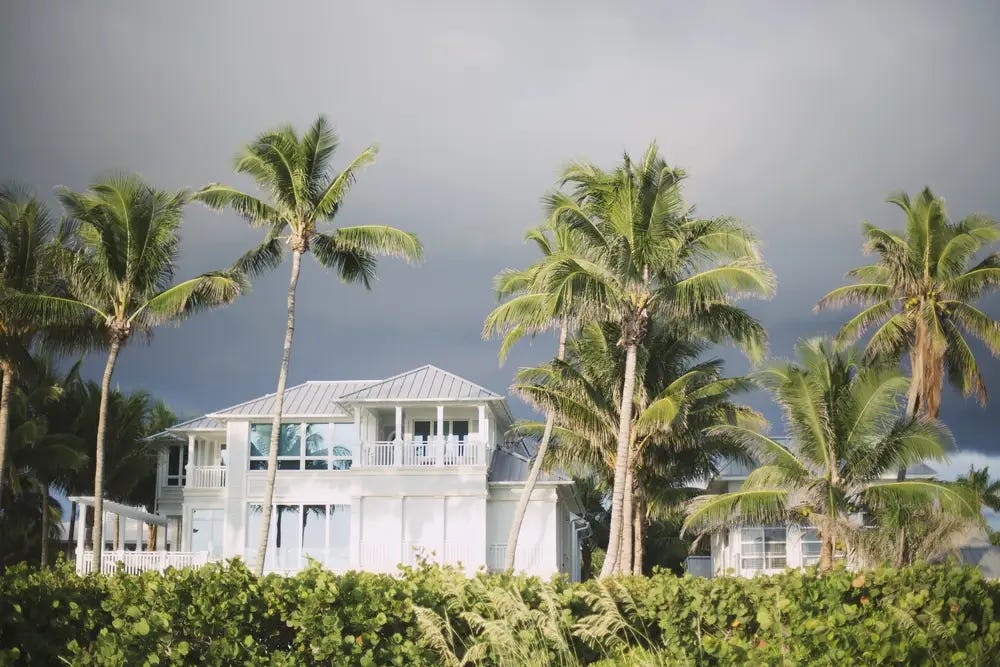
Living in Jamaica means enjoying its beautiful landscapes and vibrant culture, but it also requires being prepared for hurricane season. With the threat of hurricanes like the impending Hurricane Beryl, it’s essential to take proactive measures to protect your home and ensure the safety of your family. This guide, tailored specifically for residents of Jamaica, provides comprehensive steps to prepare for, survive, and recover from hurricanes.
1. Understanding Hurricane Alerts
Understanding the different types of alerts can help you react appropriately:
Hurricane Watch: Issued when hurricane conditions are possible within 48 hours. Begin preparations and stay informed.
Hurricane Warning: Issued when hurricane conditions are expected within 36 hours. Complete storm preparations and follow evacuation orders if given.
Stay updated with reliable sources like local news, the National Weather Service, and emergency management offices.
2. Create a Hurricane Preparedness Plan
A well-developed plan can significantly enhance safety and resilience:
Emergency Contacts: Keep a list of contacts, including local authorities, family, and neighbors.
Evacuation Routes: Know your local evacuation routes and shelter locations.
Communication Plan: Ensure all family members know how to stay in touch and where to meet if separated.
3. Secure Your Home’s Exterior
Protecting your home’s exterior from high winds and debris is crucial:
Shutter All Openings: Install hurricane shutters or use plywood to cover windows and doors.
Reinforce Garage Doors: Strengthen garage doors with bracing systems to prevent them from being blown in.
Secure Outdoor Items: Bring in or secure outdoor furniture, tools, and decorations.
4. Ensure Roof and Structural Integrity
Your roof and home structure must withstand high winds:
Secure Roof Shingles: Check and secure loose shingles with roofing cement.
Strengthen Soffits: Secure soffit material with screws or caulk.
Seal Openings: Seal holes and cracks around windows, doors, and pipes to prevent water intrusion.
5. Prepare for Power Outages
Power outages are common during hurricanes. Be prepared with:
Backup Power: Invest in a generator and ensure you have enough fuel.
Battery-Powered Devices: Use battery-powered lanterns and flashlights instead of candles.
Refrigeration: Keep refrigerators and freezers closed to maintain cold temperatures.
6. Stockpile Emergency Supplies
Having essential supplies can make a significant difference:
Emergency Kit: Include water, non-perishable food, medications, flashlights, batteries, a first-aid kit, and important documents.
Sanitation Supplies: Stock items like soap, hand sanitizer, bleach, and toilet paper.
Tools: Have basic tools like a wrench, pliers, and a manual can opener.
7. Flood Protection
Flooding is a major concern during hurricanes. Protect your home:
Foundation Drainage: Ensure your basement or crawl space has proper drainage systems.
Elevate Utilities: Raise the furnace, water heater, and electrical panels above potential flood levels.
Waterproofing: Install sump pumps with battery backup and check valves in sewer lines.
8. Review and Update Insurance Coverage
Ensure your insurance policy covers hurricane damage:
Flood Insurance: Standard policies often don’t cover flood damage. Consider purchasing flood insurance.
Document Valuables: Take photos or videos of your home and valuable items for insurance purposes.
9. During the Hurricane
When a hurricane is imminent, prioritize safety:
Stay Indoors: Take refuge in an interior room on the lowest level.
Avoid Windows and Doors: Stay away from windows and glass doors to avoid injury from shattered glass.
Follow Authorities: Follow evacuation orders and instructions from local officials.
10. Post-Hurricane Safety and Recovery
After the hurricane, ensure safety first:
Avoid Flood Waters: Do not walk or drive through flooded areas.
Inspect Your Home: Check for structural damage, gas leaks, and downed power lines.
Wear Protective Gear: Use gloves, safety glasses, and sturdy boots during cleanup.
Food Safety: Discard food that was not kept at proper temperatures or exposed to floodwaters.
11. Community Support and Resources
Leverage community resources for recovery:
Local Shelters: Know the locations of emergency shelters.
Community Alerts: Sign up for emergency alerts and notifications.
FEMA and Red Cross: Utilize resources from FEMA and the Red Cross for additional support.
Conclusion
Preparation is key to safely navigating hurricane season in Jamaica. By following these guidelines, you can protect your home, ensure your family’s safety, and minimize the impact of hurricanes. Remember, effective hurricane preparedness involves planning ahead, staying informed, and taking proactive measures.
At Jamaica Homes, we are dedicated to supporting our community through every hurricane season. For more tips and information on home safety, visit our website or contact us directly. Stay safe and prepared!
Disclaimer:
The information provided in this post is for general informational purposes only and is not intended as professional advice. While we strive to provide accurate and up-to-date information, we make no representations or warranties of any kind, express or implied, about the completeness, accuracy, reliability, suitability, or availability with respect to the information contained in this post. Any reliance you place on such information is therefore strictly at your own risk.
Jamaica Homes and its affiliates are not responsible for any actions taken based on the information provided in this post. It is crucial to consult with relevant local authorities and professionals for specific advice tailored to your circumstances. Always follow official guidance and instructions from local government and emergency services during a hurricane or any other emergency situation.