

IShowSpeed and the Rise of the New Celebrity Class
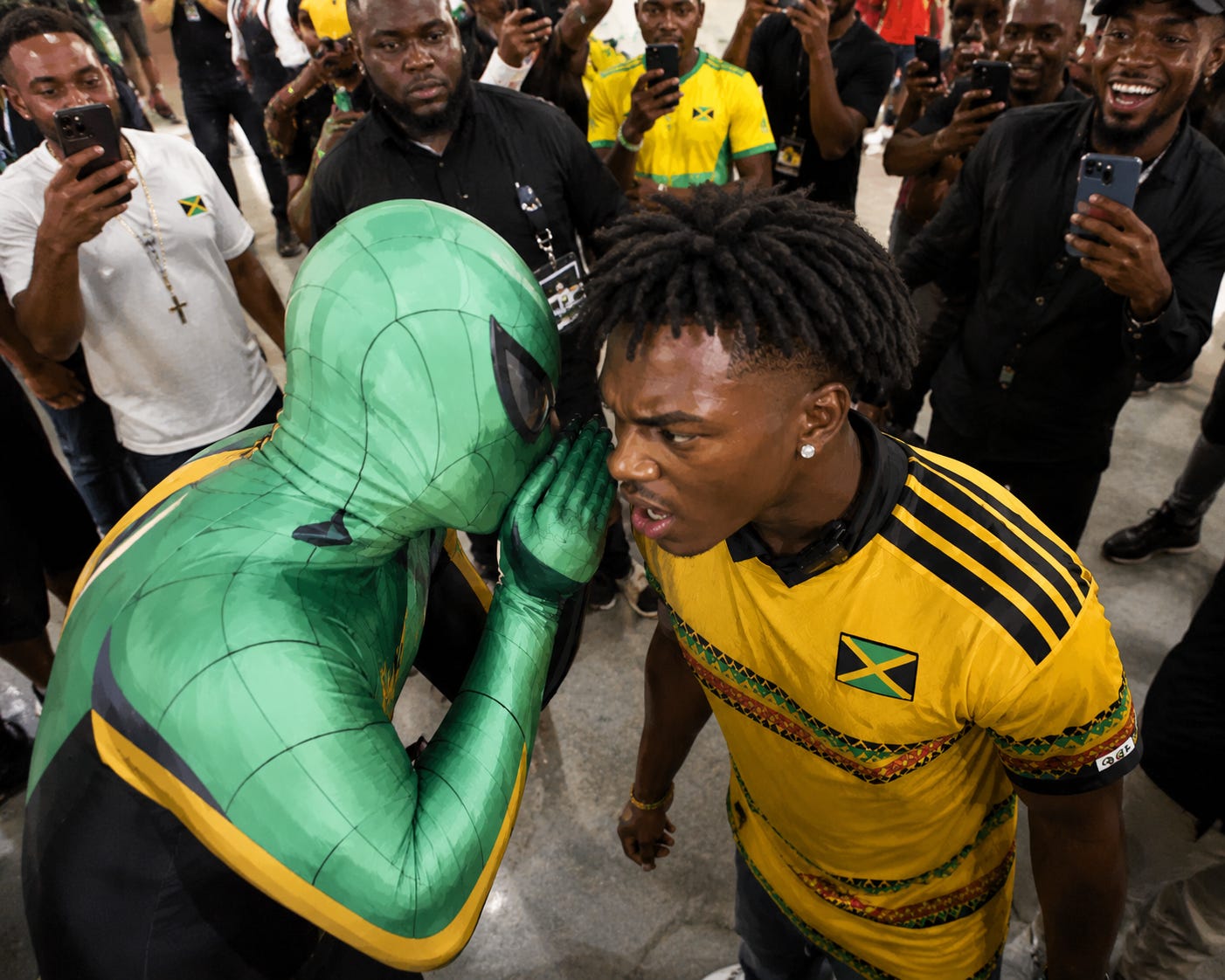
An unforgettable face-to-face encounter captured the humour, creativity, and vibrant energy that made the streamer's visit to Jamaica a global sensation.

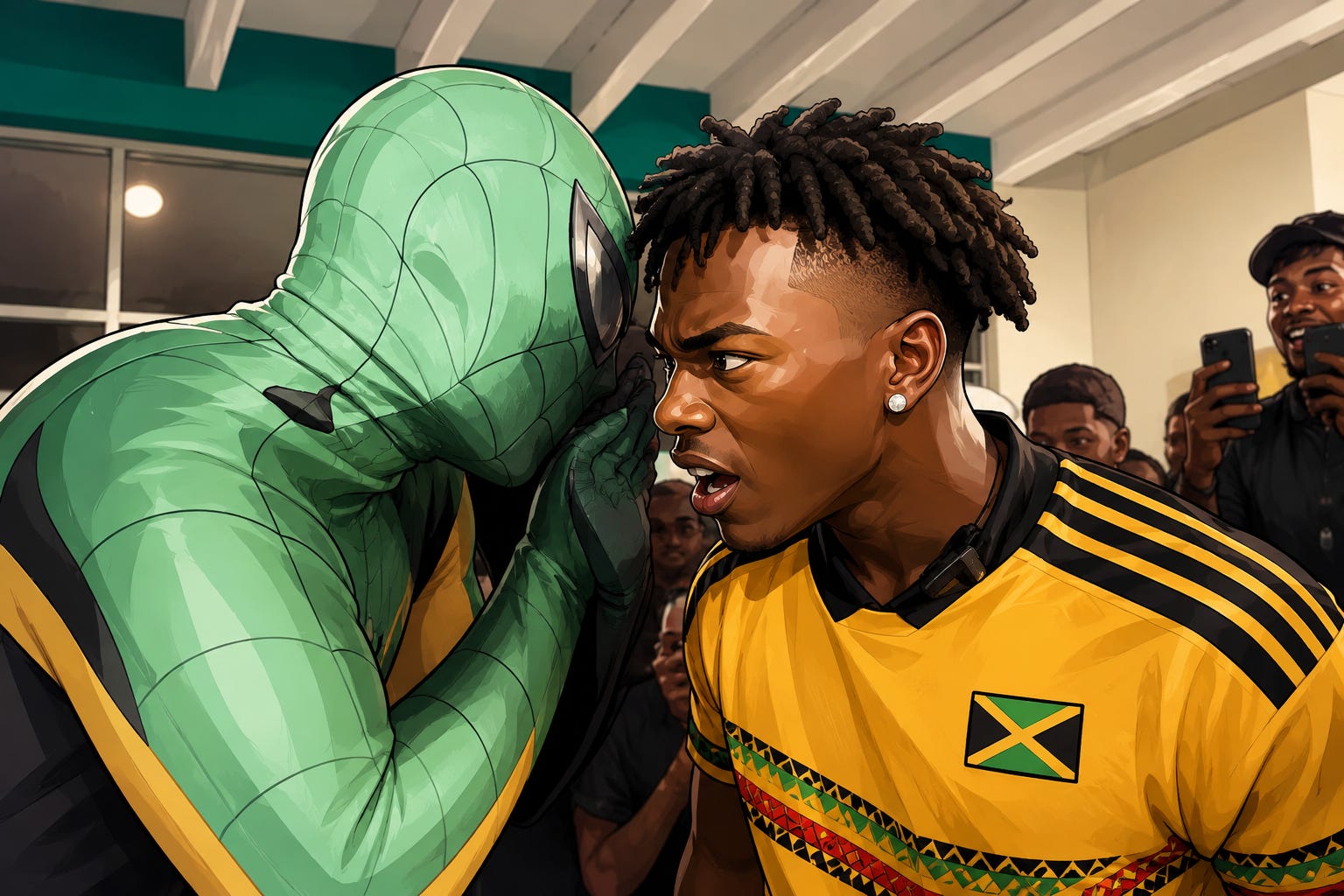
When Darren Watkins Jr., better known online as IShowSpeed, arrived in Jamaica in May, many older Jamaicans were still asking the same question: Who is he?
By the time he left, the answer was harder to ignore.
He was not a visiting head of state, an Olympic champion or a chart-topping reggae veteran returning home to a hero’s welcome. He was a 21-year-old American livestreamer whose fame was built not through record labels, television studios or newspaper profiles, but through the restless machinery of the internet.
And yet, across Jamaica, the reception often looked like something once reserved for royalty.
Crowds gathered. Students screamed from school compounds. Fans chased vehicles. Clips ricocheted across TikTok, Instagram, YouTube and WhatsApp. For several days, Jamaica was not merely being visited; it was being broadcast in real time to a global audience of millions.
IShowSpeed’s Caribbean tour, backed by Expedia, had already turned several islands into stages for a new kind of tourism spectacle. By the time Jamaica became one of the defining stops, the pattern was clear: this was not traditional destination marketing. It was live, unpredictable, chaotic, funny, sometimes uncomfortable and often magnetic.
That is precisely why it worked.
Speed’s Jamaica visit offered viewers a version of the country that no polished tourism commercial could fully manufacture. He moved through Kingston, visited cultural landmarks, met entertainers, tasted local food, interacted with residents and drew enormous public attention wherever he went. There were appearances with figures from Jamaican music and entertainment, encounters with local personalities, and moments that felt less like a press tour than a national happening.
For Jamaica, the exposure was significant. But the deeper story is not simply that a famous streamer came to the island. It is what his visit says about power, fame, media and money in the digital age.
A generation ago, celebrity was largely controlled by institutions. Television executives decided who appeared on screens. Record labels decided which singers reached the radio. Editors decided whose stories made the front page. Fame could be sudden, but it usually passed through gates.
Those gates have not disappeared entirely, but they no longer control the road.
Today, a teenager with a phone, stamina, instinct and an understanding of internet culture can build an audience larger than many national broadcasters. He can turn attention into income, income into influence and influence into global mobility. He can arrive in a Caribbean country and command the kind of public reaction once associated with presidents, princes and pop stars.
That shift is unsettling for many people, particularly those raised in a world where work, wealth and recognition were expected to move slowly.
A man may spend 40 years making doors, windows or furniture, building a respectable life through skill and sacrifice. Yet a young creator, still barely into adulthood, can earn in a few years what earlier generations could not accumulate across a lifetime. That reality can feel unfair, even absurd. But it is now part of the modern economy.
The creator economy has redrawn the map of ambition.
Its winners are not always the most polished or traditionally credentialed. They are often the most watchable. They understand rhythm, reaction, controversy, humour, vulnerability and spectacle. They know how to hold attention in a world drowning in distraction.
And attention has become one of the most valuable commodities on earth.
That is why Jamaica should take IShowSpeed’s visit seriously. Not because every influencer deserves official welcome or national celebration, but because global attention now moves through people like him. Tourism, investment, culture and national branding are increasingly shaped by what appears on a phone screen before it ever appears in a travel magazine or government campaign.
For younger travellers, especially Gen Z and millennials, discovery is increasingly social. They do not simply read brochures. They watch streams. They follow creators. They search clips. They ask artificial intelligence tools to build itineraries. They compare restaurants, excursions, villas, beaches and neighbourhoods through the digital traces left behind by others.
In that environment, Jamaica’s greatest advantage is authenticity.
The island has long possessed what marketers spend fortunes trying to imitate: rhythm, language, humour, music, food, beauty, attitude and cultural confidence. Jamaica does not need to invent an identity. It needs to ensure that when the world comes looking, its businesses, communities and attractions are visible, bookable and ready.
That is where the opportunity now lies.
A viral livestream can create desire. But desire must be converted into economic value. A viewer in Toronto, London, Lagos or New York may watch Speed eating Jamaican food or moving through Kingston and immediately begin searching for flights, hotels, tours and experiences. If local businesses are not online, not searchable, not well reviewed and not connected to booking platforms, much of that attention will leak elsewhere.
The lesson is not that Jamaica should chase every internet trend. It is that the country must understand the infrastructure behind modern visibility.
Tourism is no longer only about beaches, brochures and billboards. It is about digital readiness. Restaurants need strong online profiles. Tour guides need booking links. Attractions need video-friendly storytelling. Small operators need websites, payment systems and credible reviews. Communities that appear in viral content need pathways to benefit from the attention they help create.
This matters even more in a period of global uncertainty. Wars, inflation, oil price shocks, political instability and shifting travel habits all affect where people spend their money. In such a climate, countries cannot afford invisibility. Jamaica’s cultural power gives it an edge, but cultural power must be matched by digital strategy.
IShowSpeed did not create Jamaica’s appeal. He revealed it to an audience that may not have been reachable through traditional advertising.
That distinction matters.
The island was not impressive because a streamer arrived. The streamer’s visit was impressive because Jamaica gave him so much to show. The crowds, the music, the food, the humour, the spontaneous street theatre and the sheer energy of the people became the content.
In the end, IShowSpeed’s visit was more than a celebrity stopover. It was a signpost.
It showed that fame has changed. Media has changed. Tourism has changed. Wealth creation has changed. A new generation is not waiting for permission from old institutions before deciding who matters.
For some, that world is frightening. For others, it is liberating.
For Jamaica, it is an opportunity.
The question now is not whether IShowSpeed mattered. The question is whether Jamaica can turn moments like this into lasting value — for tourism, for small businesses, for cultural workers, for communities and for the wider economy.
The cameras have moved on.
The attention, if properly understood, does not have to.