


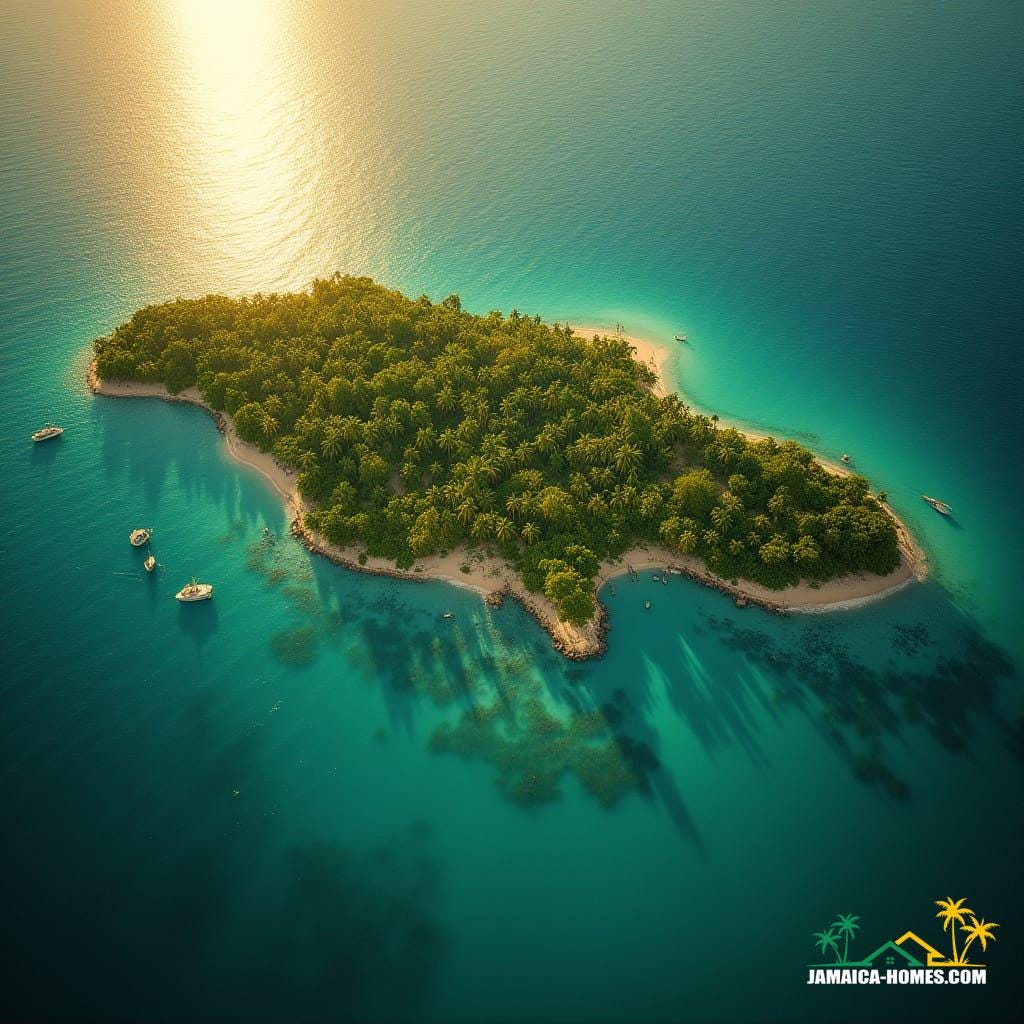
Jamaica is the third-largest island in the Caribbean, covering 10,990 sq km. It lies south of Cuba and west of Hispaniola. Originally inhabited by the Taíno, it was colonized by Spain in 1494 before being taken by the British in 1655. The island became a major sugar exporter using African slave labor until emancipation in 1838. Chinese and Indian indentured workers arrived later. Jamaica gained independence from the UK on August 6, 1962.
Demographics & Culture
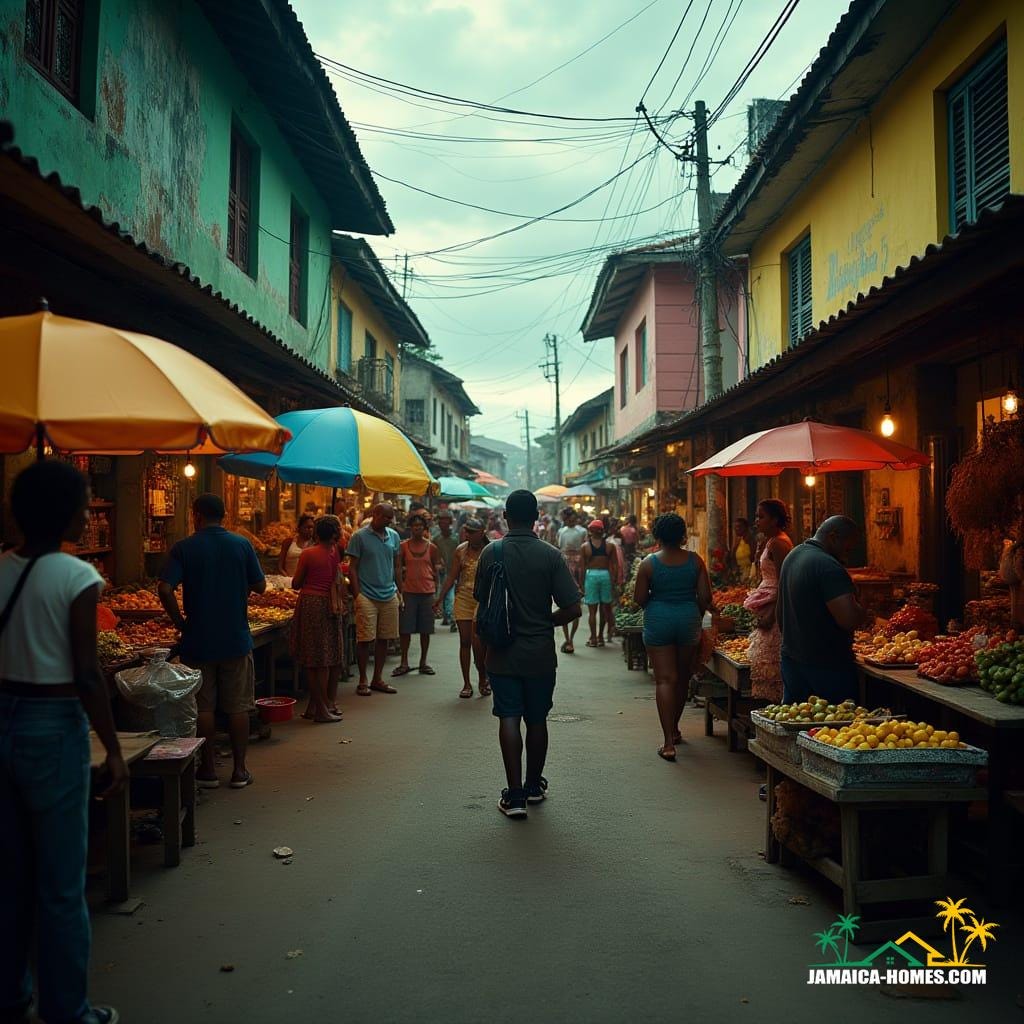
With around 2.8 million people, Jamaica is the third most populous English-speaking country in the Americas. Its culture, particularly reggae and Rastafari, has had a global influence. Many Jamaicans have emigrated to the UK, USA, and Canada.
Economy & Governance
Jamaica’s economy relies heavily on tourism, with around 4.3 million annual visitors. It is a parliamentary constitutional monarchy with a bicameral Parliament. The Prime Minister is Andrew Holness, and the country is a Commonwealth realm with King Charles III as head of state.
History Highlights
Pre-Colonial & Spanish Rule (1494–1655): The Taíno inhabited the island before Spanish colonization. Due to disease and forced labor, their numbers declined, leading to the importation of African slaves.
British Rule (1655–1962): The British established a plantation economy. Maroons, escaped slaves, formed independent communities and resisted colonial rule. Major uprisings, such as Tacky’s War (1760) and the Baptist War (1831), pushed for emancipation.
Post-Emancipation & Independence: Slavery was abolished in 1834, with full freedom in 1838. Social unrest led to the Morant Bay Rebellion (1865). The 20th century saw figures like Marcus Garvey and the labor movement shaping modern Jamaica. After a brief stint in the West Indies Federation, Jamaica became independent in 1962.
Geography & Climate
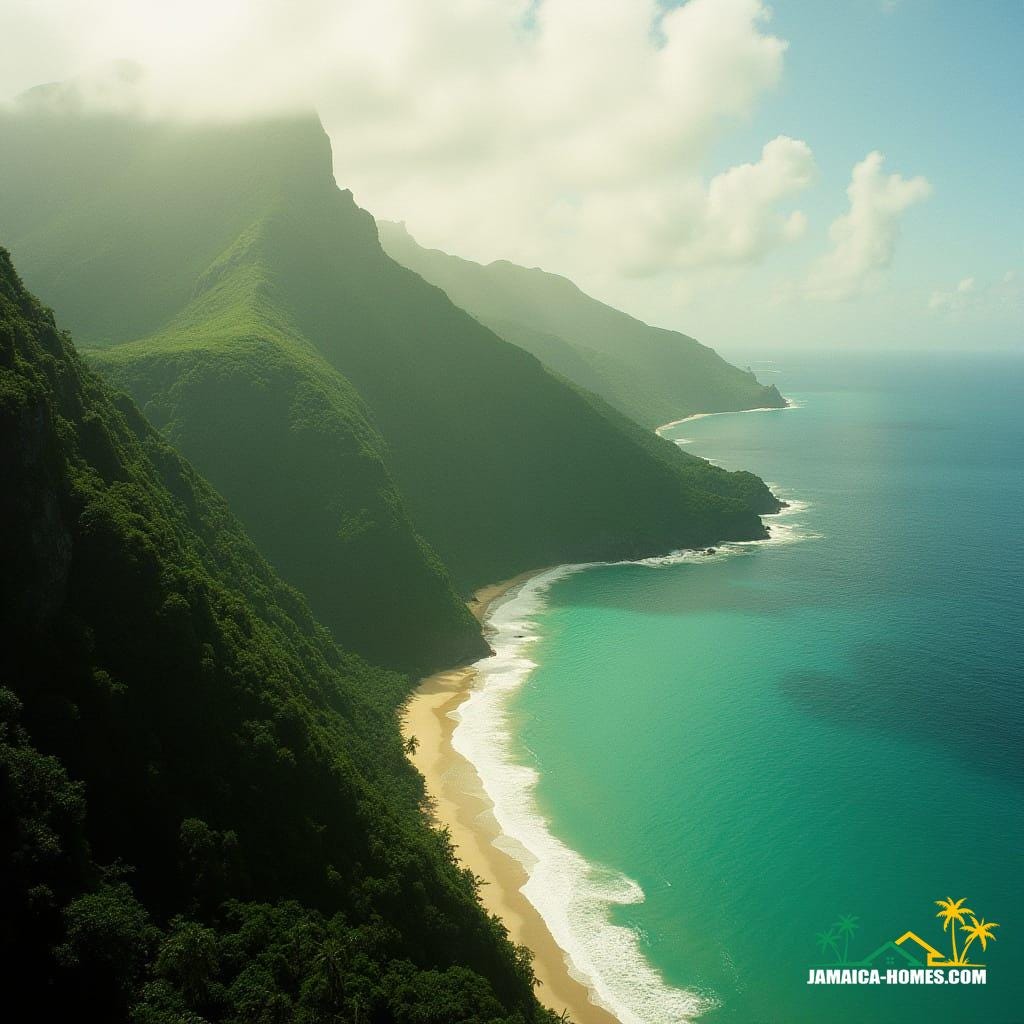
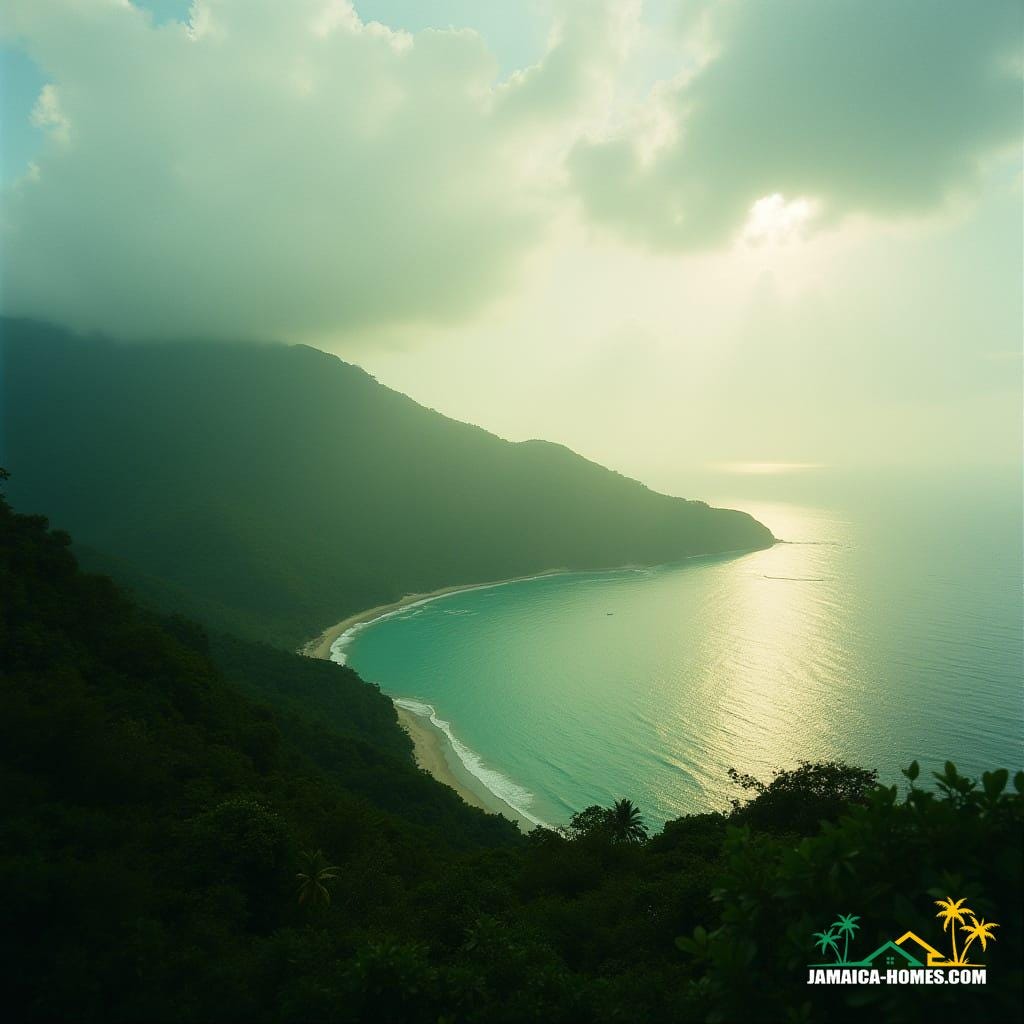
Jamaica is mountainous, with the Blue Mountains reaching about 2,256m. It has a tropical climate, with a history of hurricanes, including Gilbert (1988) and Ivan (2004). Tourist attractions include Dunn’s River Falls, Blue Mountains, and Doctor’s Cave Beach.
Biodiversity & Environment
Jamaica has rich ecosystems, including rainforests, coral reefs, and endemic species. Conservation efforts protect areas such as the Blue and John Crow Mountains National Park.
Jamaica_ A Comprehensive Overview (1)Download
Disclaimer: The content of this post is for informational purposes only. The images used are representative and may not depict actual locations, people, or events. Any resemblance to real persons, living or dead, or real events is purely coincidental. We strive for accuracy, but information may be subject to change over time. Readers are encouraged to verify details from official sources before making any decisions based on this content.