
The provided text explores the historical and structural relationship between religious institutions and land ownership in Jamaica. Beginning with the indigenous Taíno people and moving through the eras of Spanish and British colonisation, the source illustrates how churches transitioned from instruments of imperial control to pillars of local community. A significant focus is placed on the post-emancipation era, during which nonconformist denominations facilitated the establishment of Free Villages, enabling formerly enslaved people to acquire property. Today, this legacy persists as churches continue to influence urban planning, social stability, and the management of family land. Ultimately, the narrative highlights how the concepts of spiritual belonging and physical territory have jointly defined the Jamaican identity.
Disclaimer
This podcast is produced for general informational and educational purposes only. The content reflects commentary and discussion based on publicly available information and authored opinion, including perspectives attributed to Dean Jones. It does not constitute professional advice in relation to construction, engineering, architecture, housing policy, planning approval, or legal matters.
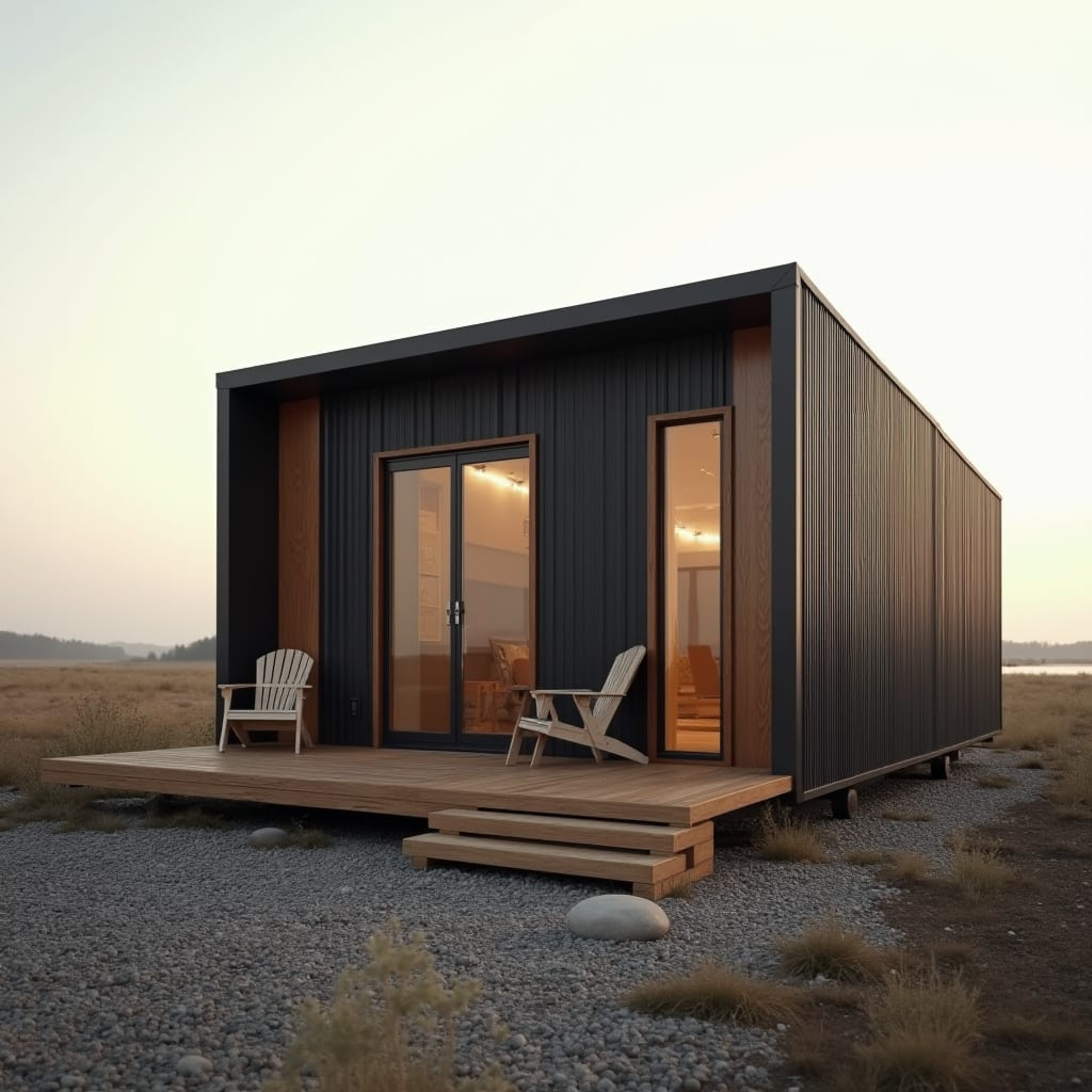
Any references to housing solutions, including the use of shipping containers as residential structures in Jamaica, are intended to contribute to public discussion and should not be relied upon as a substitute for independent professional advice. Housing outcomes depend on site conditions, design, materials, workmanship, regulatory approval, and ongoing maintenance.
Jamaica Homes accepts no responsibility for decisions made or actions taken based on the information discussed in this podcast. Listeners are encouraged to consult appropriately qualified professionals and relevant authorities before undertaking any housing, construction, or investment activity.