Not just the building itself, but what it says about the island that built it.
Because behind the concrete walls, the grilled balconies, the rooftop water tanks, and the steady rise of apartment blocks stretching across Kingston, Montego Bay, and Ocho Rios, lies a much deeper story about modern Jamaica. A story about land, aspiration, migration, fear, survival, status, and the difficult mathematics of island living.
The Jamaican flat is not simply architecture. It is adaptation.
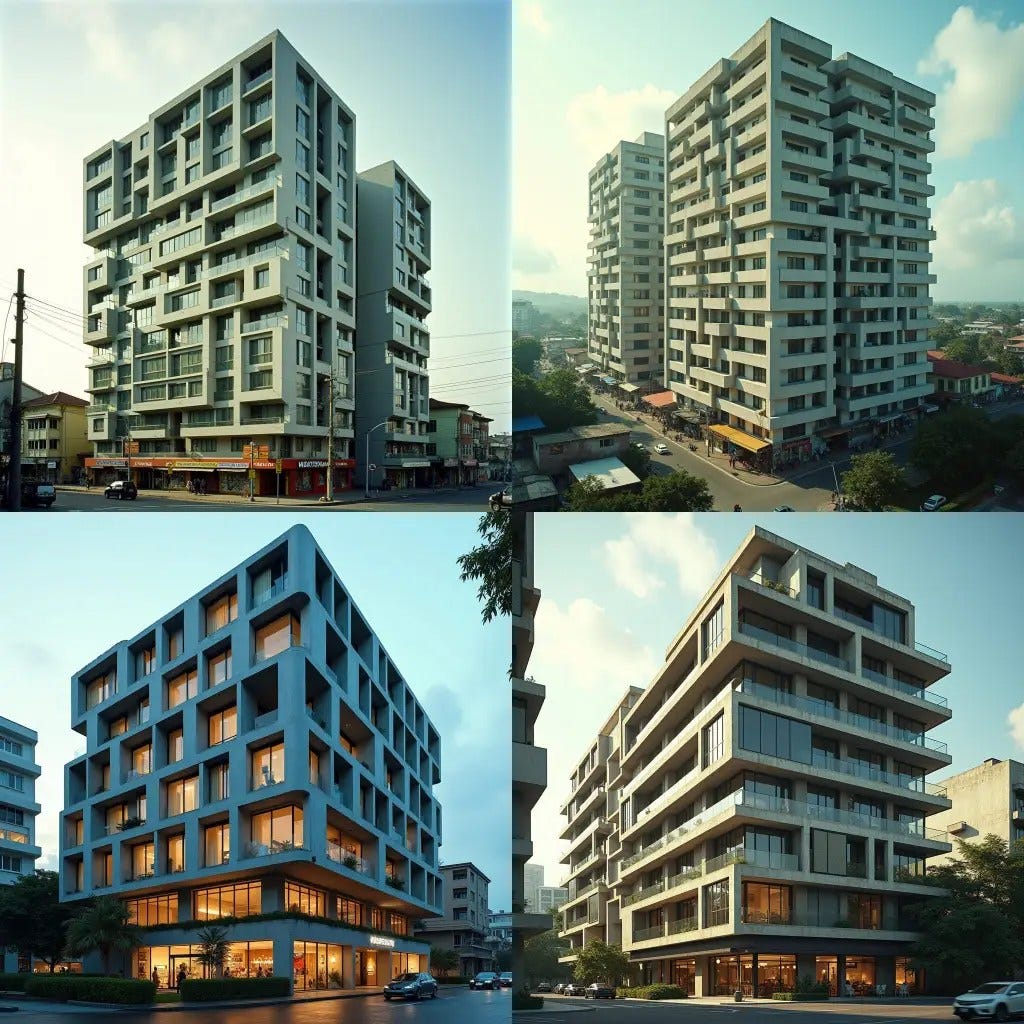
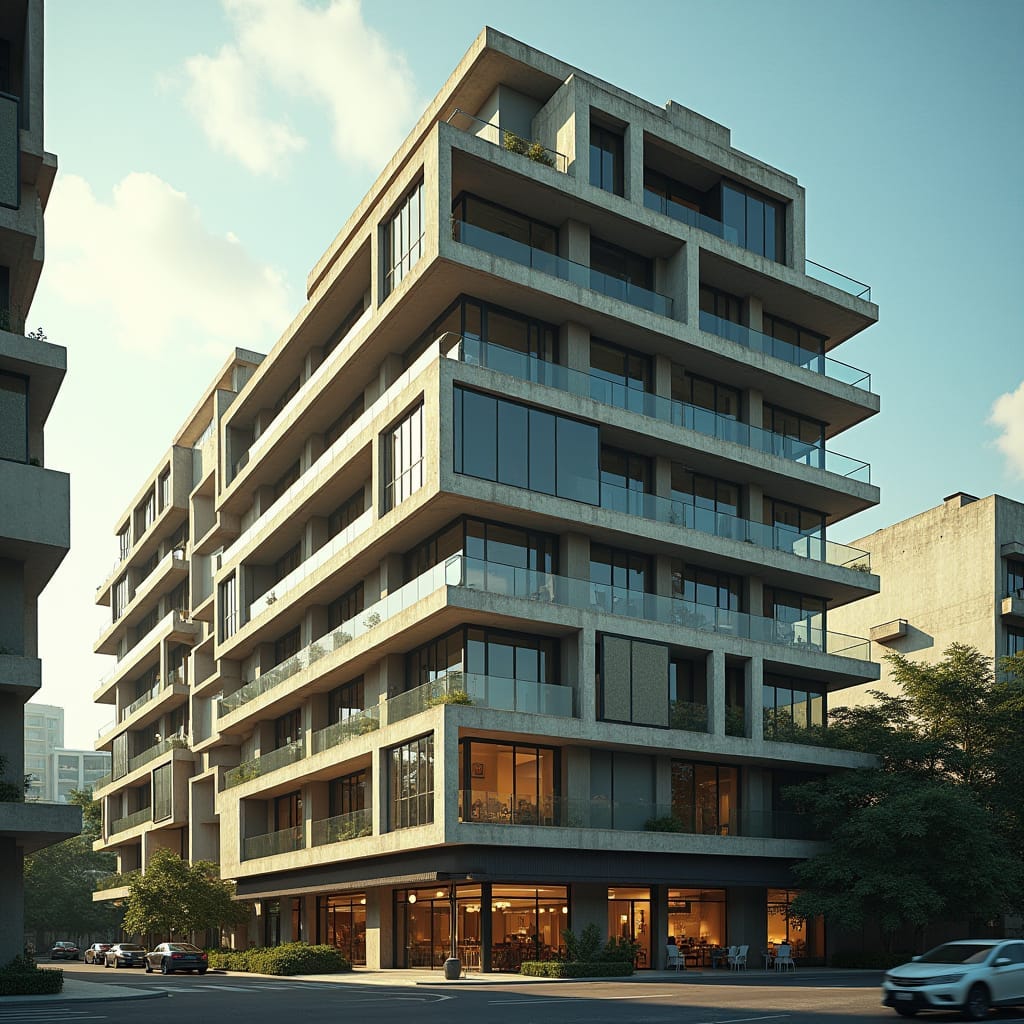
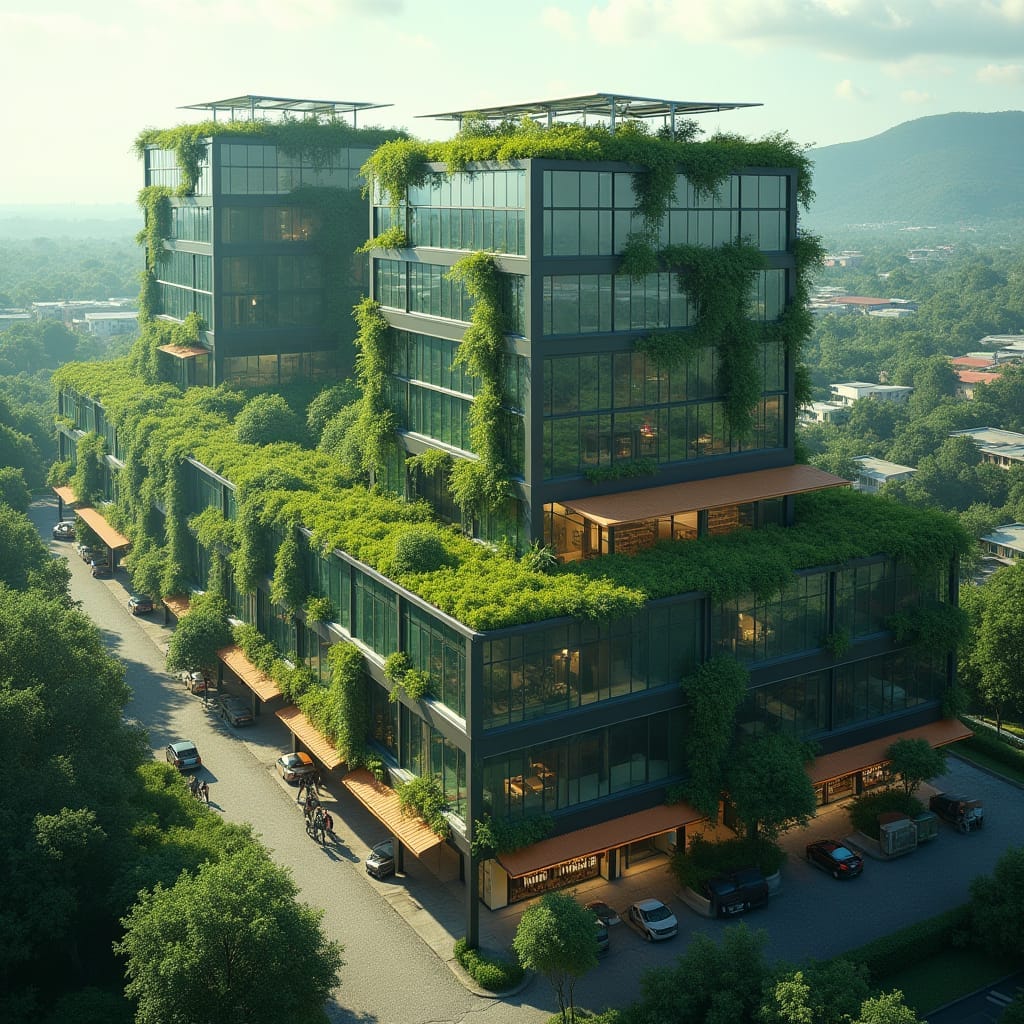
And perhaps nowhere is that more visible than in Kingston, where the skyline has quietly transformed over the past two decades. Streets once dominated by detached homes sitting behind hedges and mango trees are now increasingly lined with vertical living. Cranes hang over neighbourhoods that, not long ago, felt almost suburban in scale. Old family houses disappear behind zinc fences and demolition sheets, only to return months later as six-storey apartment blocks with coded entry gates, rooftop terraces, and names that sound somewhere between Miami and Mayfair.
Yet the roots of Jamaica’s flat culture go much further back than modern luxury developments.
Long before gated apartment complexes became symbols of professional success, urban Jamaicans were already learning how to live closely together. After emancipation, Kingston grew rapidly as people left rural estates searching for work, trade, and opportunity. But the city was not prepared. Housing shortages became severe. Entire communities formed around shared yards, barracks, and cramped tenement spaces where multiple families occupied small sections of subdivided properties.
In many ways, those early yards became the island’s first real flats.
Not in appearance, certainly. There were no polished lobbies or underground parking garages. But the principle was the same: multiple households compressed into limited urban land, learning how to coexist through necessity rather than design.
The legacy of those spaces still lingers in Jamaican culture today. Some of the island’s most influential music, language, humour, and social identity emerged from these dense urban communities. The famous “yard” was not simply a housing arrangement. It was a social organism. Doors remained open. Children drifted between households. Arguments travelled through walls. So did music.
Then came the earthquake of 1907, which devastated Kingston and forced the city to reconsider how it built. Timber structures gradually gave way to concrete. Density increased. Multi-family living became more common, though still heavily shaped by class.
By the mid twentieth century, Jamaica was changing rapidly. Independence approached. Rural migration intensified. Kingston expanded outward and upward. The state began experimenting with planned housing schemes, while private developers slowly introduced apartment-style living for the middle classes.
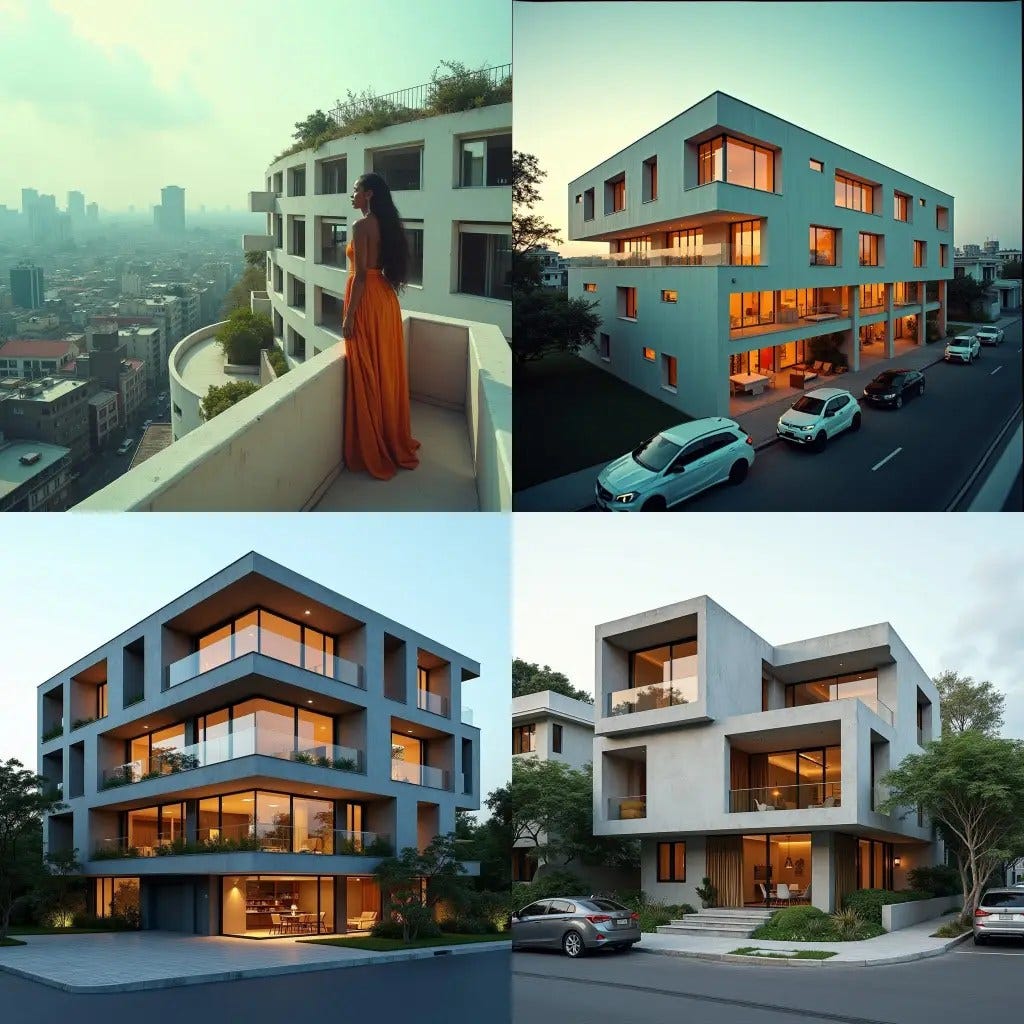
At first, flats carried a certain modernist optimism. Flat roofs, clean lines, reinforced concrete, geometric balconies. The architecture reflected a young nation trying to imagine itself as contemporary, international, and forward-looking. Buildings in places like Mona and New Kingston borrowed heavily from global postwar design trends while adapting to Caribbean heat and light.
But Jamaica’s flats also evolved because the island itself imposed limits.
Land, especially in Kingston and St. Andrew, became increasingly scarce and expensive. Mountains constrained expansion. Infrastructure struggled to keep pace with growth. Families became smaller. Security concerns increased. Traffic worsened. The detached suburban dream, while still desirable, slowly became harder to sustain for many residents.
The flat emerged as the compromise between aspiration and practicality.
And over time, it became something else entirely.
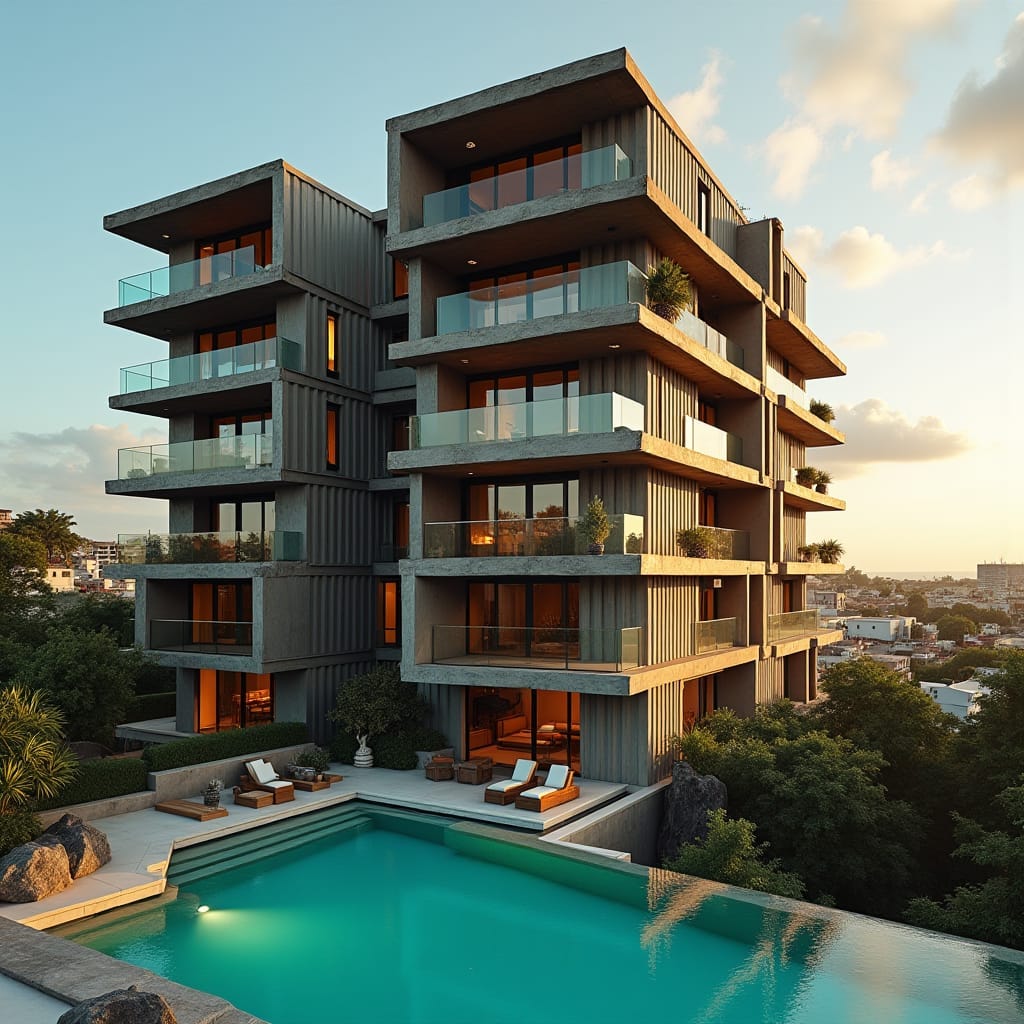
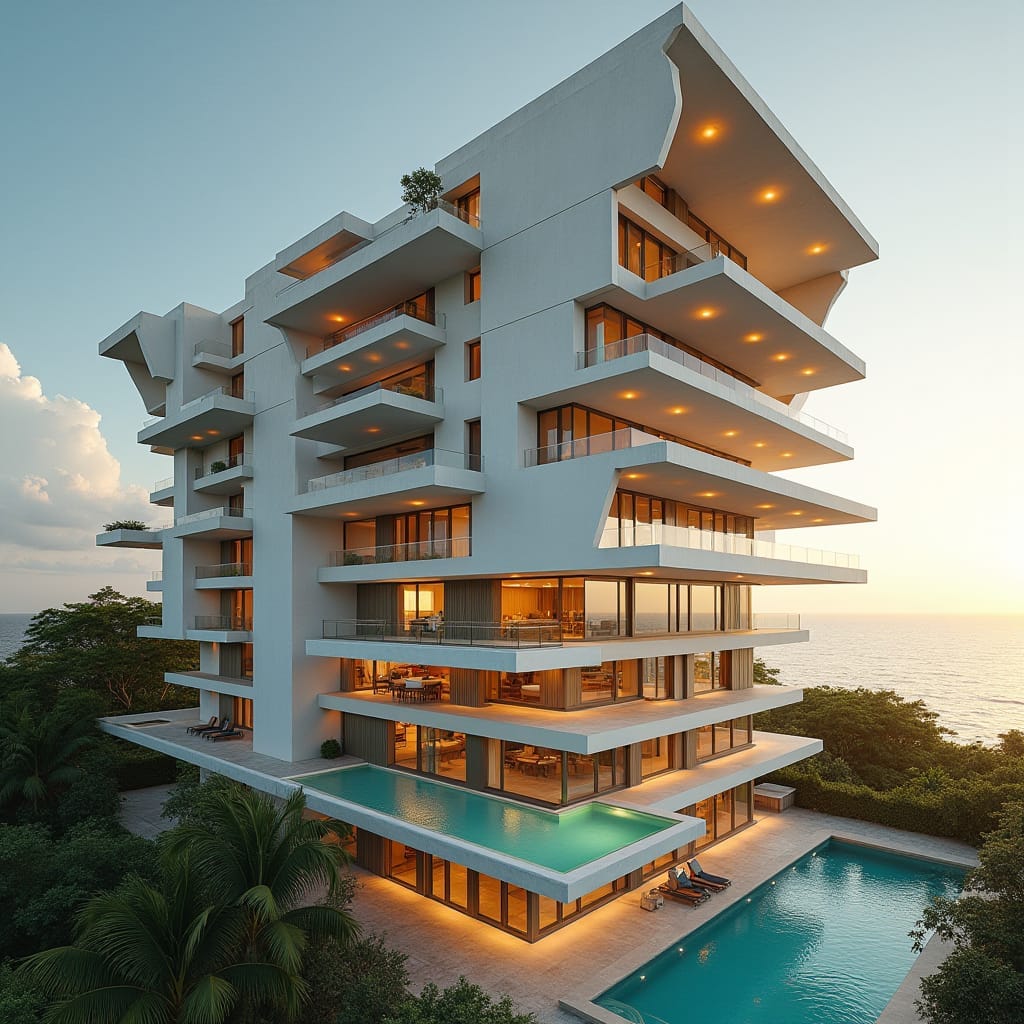
Today, the Jamaican flat sits at the intersection of several competing realities. In one part of Kingston, a luxury penthouse markets itself through imported Italian kitchens, infinity pools, and panoramic city views aimed at diaspora investors and returning residents. A few miles away, older apartment blocks quietly age beneath layers of added grills, improvised plumbing, and decades of tropical weather. Elsewhere, families subdivide traditional homes into informal rental flats simply to survive rising costs.
All of them belong to the same housing story.
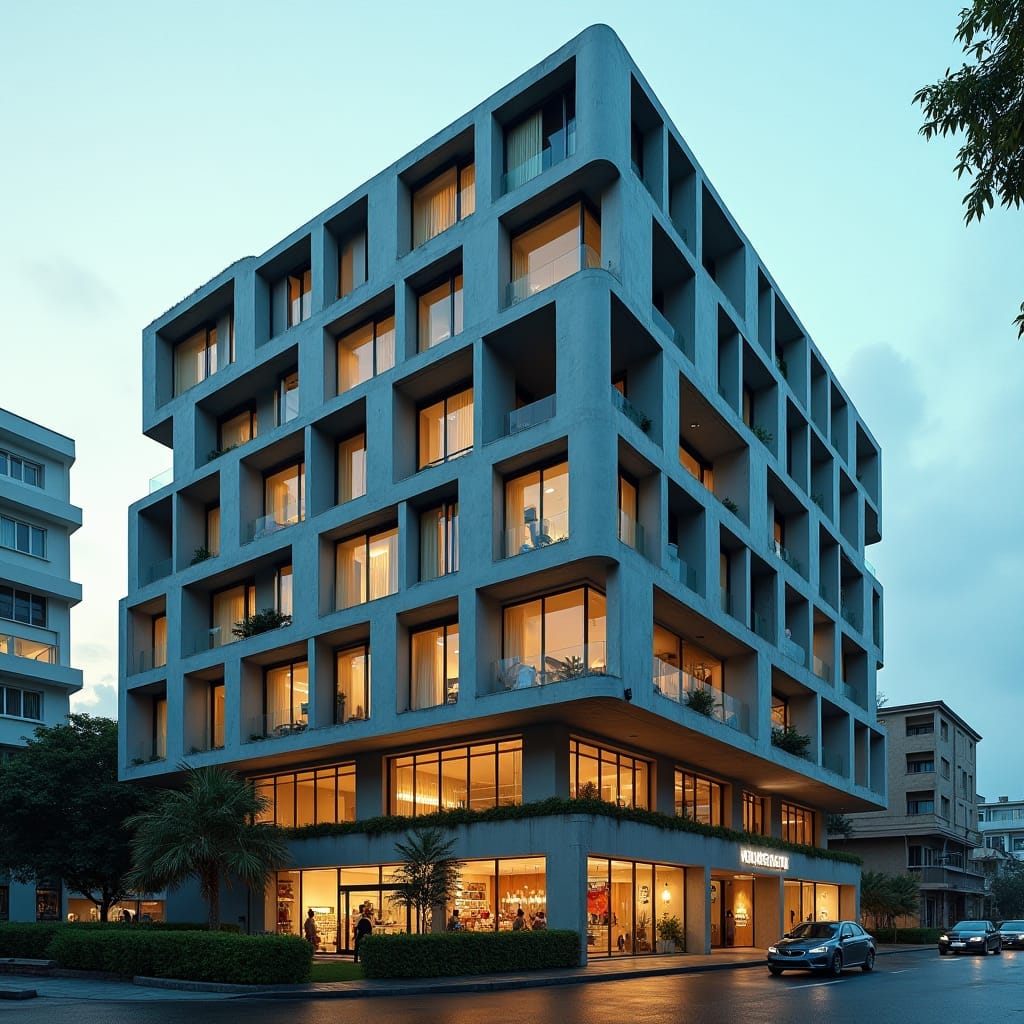
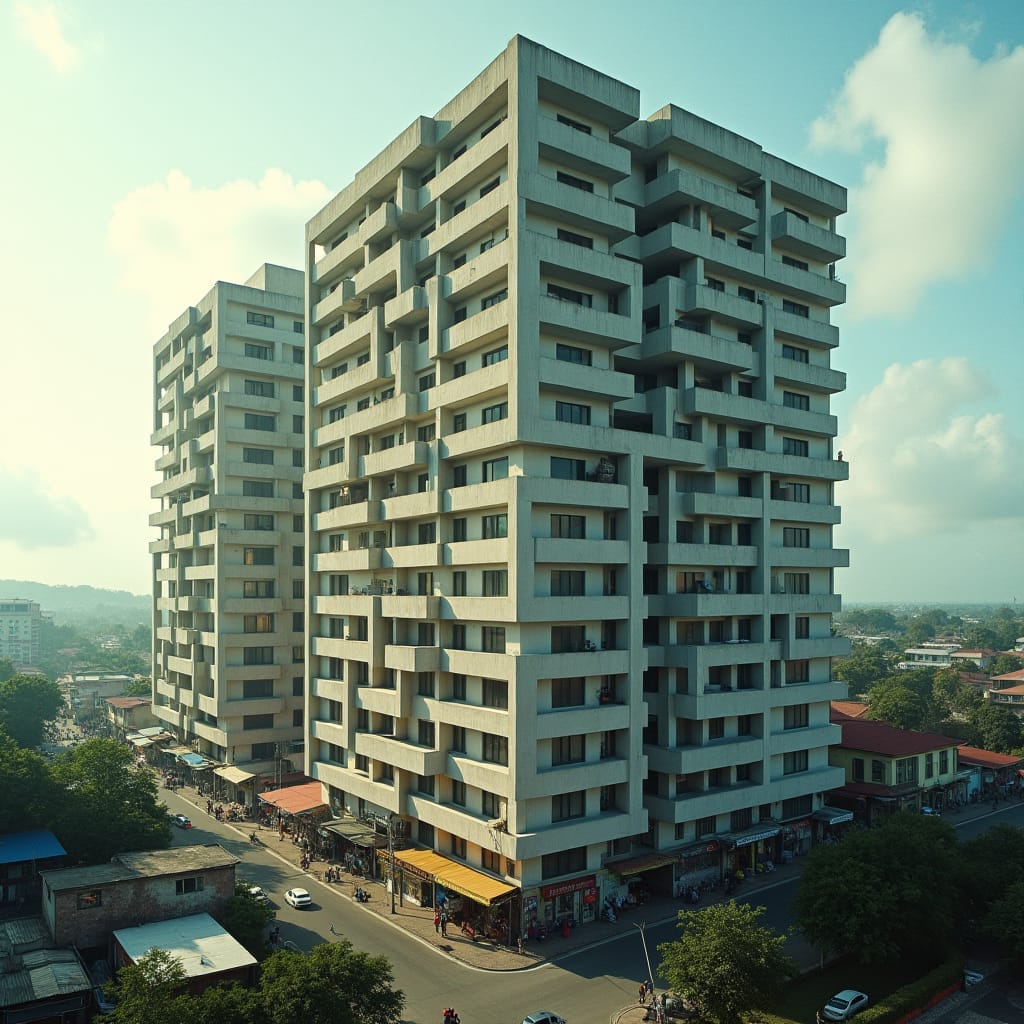
What makes Jamaica’s apartment culture particularly fascinating is how distinctly Jamaican it remains despite international influence. The island never fully embraced anonymous high-rise urbanism in the way some global cities did. Even modern apartment developments often retain traces of Jamaican domestic life. Verandas remain important. Outdoor spaces matter. Cross ventilation still competes with air conditioning. Residents personalise balconies with plants, laundry, flags, and furniture. Buildings that begin with clean architectural uniformity slowly acquire the fingerprints of the people living inside them.
In that sense, Jamaican flats rarely stay pristine for long. They become inhabited in the fullest possible way.
And then there is Portmore.
Perhaps no place better captures Jamaica’s relationship with flats and density than this vast municipality rising from reclaimed land outside Kingston. Once dismissed by some as little more than a dormitory town, Portmore became one of the island’s most important housing experiments. It normalised attached living for ordinary Jamaicans at scale.
Entire generations grew up there understanding community through shared walls, cul-de-sacs, apartment blocks, and tightly planned schemes. What began as affordable expansion eventually matured into a city with its own rhythms, identity, and economic gravity.
Yet even as apartment living expands, tensions remain.
Affordability is now one of the defining issues within Jamaica’s housing market. Many new flats target upper-income buyers or overseas investors rather than average local earners. Construction costs remain high. Imported materials fluctuate with foreign exchange pressures. Insurance costs rise. Mortgage access remains difficult for many younger Jamaicans.
And still the buildings continue climbing.
Because the forces driving apartment development are unlikely to disappear anytime soon.
Urbanisation continues. Land prices continue rising. Security concerns continue shaping buyer preferences. Younger professionals increasingly prioritise convenience and location over land ownership. Older homeowners quietly sell large family properties that no longer suit modern lifestyles. Developers look upward because horizontally, there is often nowhere left to go.
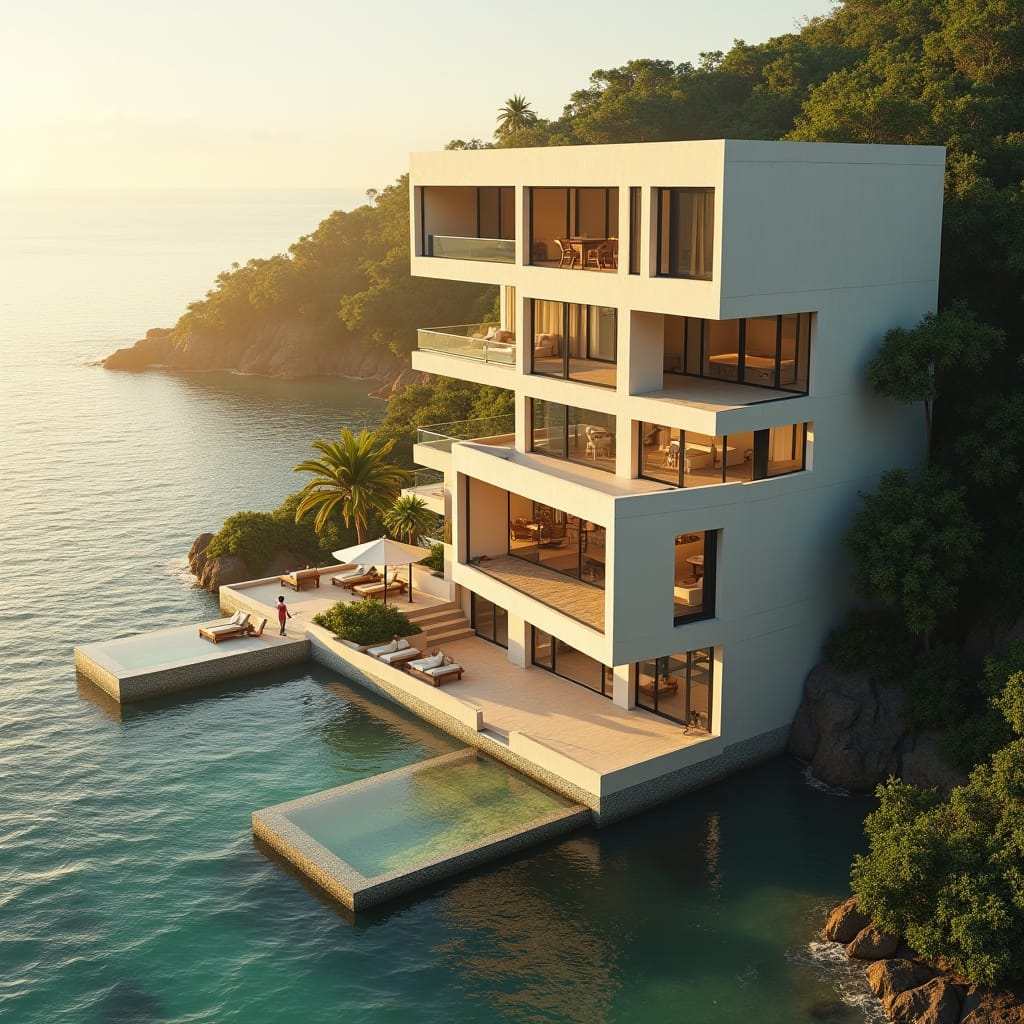
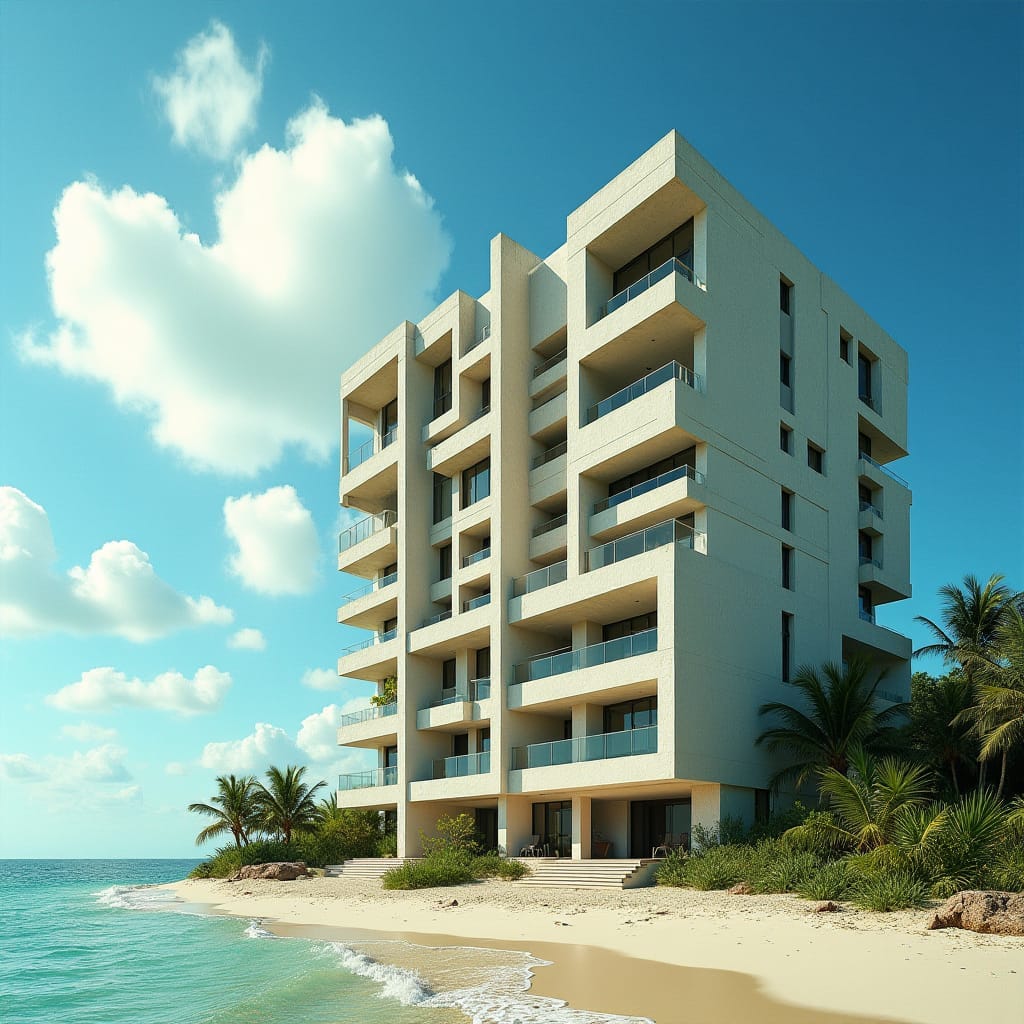
In coastal towns such as Montego Bay and Ocho Rios, another layer emerges entirely. Here, flats are tied not only to housing but to tourism, global capital, and short-term rental economies. Apartment developments increasingly blur the line between home and hotel. Some units function less as permanent residences and more as investment assets rotating through vacation platforms.
The result is an island where the meaning of home itself is subtly changing.
And perhaps that is the most important thing the Jamaican flat reveals.
Not merely how Jamaicans live, but how Jamaica is evolving.
Because every apartment block tells a story about pressure. Economic pressure. Spatial pressure. Social pressure. Sometimes even emotional pressure. The pressure of children wanting independence. Of returning residents seeking security. Of young professionals trying to enter an increasingly expensive market. Of families balancing aspiration against affordability.
The Jamaican flat exists because the island, in all its beauty and limitation, demands negotiation.
Negotiation between land and population.
Between privacy and community.
Between modernity and tradition.
Between investment and belonging.
And yet despite all the change, something deeply human remains inside these buildings. At dusk, lights begin flickering on across balconies and windows. Someone waters plants on a veranda. Someone argues through thin walls. A television echoes through a corridor. Food drifts into shared spaces. Somewhere above the city, behind concrete and steel, ordinary life continues arranging itself into small pockets of intimacy stacked one atop another.
Which is perhaps why the Jamaican flat feels so compelling.
It is not simply architecture.
It is the island learning, generation by generation, how to live closer together.