


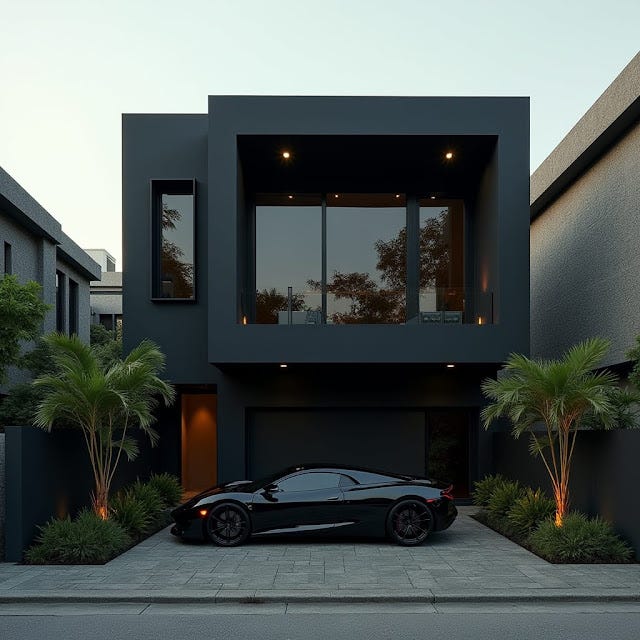
Jamaica Mansions, 2025
Behind the gates and ocean views, a quiet question lingers: who are these homes really for?
KINGSTON, Jamaica, January 2025 — On the hills above Kingston and along the island’s northern coastline, a certain kind of house has come to define aspiration. Large, gated, often perched with commanding views of the Caribbean Sea, Jamaica’s mansions are no longer just private residences. They are signals. Of wealth, of global capital, and increasingly, of a country negotiating its identity through land.
In 2025, the market for luxury real estate in Jamaica sits in a curious place. Listings for high end homes regularly stretch into the millions of U.S. dollars, with average luxury prices hovering around $1.5 million and reaching as high as $50 million for the most exclusive estates. These properties cluster in familiar enclaves such as St. Andrew, Montego Bay, and St. Ann, where sea views, security, and proximity to tourism infrastructure shape demand.
What has changed is not simply the price, but the audience. Jamaica places few restrictions on foreign ownership, a policy that has long attracted overseas buyers seeking second homes or investment properties. By 2025, that openness has helped turn mansions into global assets, traded and marketed far beyond the island itself. Real estate agencies now position Jamaican estates alongside properties in Europe and North America, part of a broader portfolio rather than a purely local market.
Yet the story of Jamaican mansions did not begin here. The island’s relationship with large homes is rooted in its colonial past, when plantation great houses dominated both the landscape and the economy. Those structures, often built on elevated land for visibility and control, were symbols of hierarchy. Today’s mansions, with their infinity pools and private gyms, echo that geography, if not always the same social order. The hills remain desirable. The views remain powerful. The meaning has shifted, but not entirely.
Modern examples illustrate the shift in tone. High profile residences, such as the multi level hilltop home of cricketer Chris Gayle in Kingston, have turned private mansions into cultural statements. His property, with entertainment spaces, panoramic terraces, and luxury amenities, reflects a new narrative of success rooted in global sport and personal branding rather than inherited land.
At the same time, the rise of luxury villas tied to tourism has blurred the line between home and hotel. Across Montego Bay, Ocho Rios, and lesser known areas like Bluefields Bay, large estates are increasingly designed for short term rental, complete with staff, chefs, and curated experiences. In effect, the Jamaican mansion has become a hybrid asset, part residence, part business, part lifestyle product.
But beneath the polished surfaces, tension is building. Tourism driven development, often linked to high end housing and resort style estates, has drawn criticism for its environmental and social impact. Large projects have encroached on protected areas, raising concerns about sustainability and long term planning. (Reuters) The same coastline that attracts luxury investment is also ecologically fragile, and the balance between growth and preservation is increasingly contested.
There is also the question of access. While mansions multiply in value, the broader housing market tells a different story. Ordinary homes in Kingston can still list for under $200,000, a fraction of the luxury segment, highlighting a widening gap between high end development and everyday affordability. The contrast is visible, sometimes within the same parish. A hillside estate overlooking the city, and below it, communities still navigating basic infrastructure challenges.
This divide is not unique to Jamaica, but it carries particular weight on an island where land has always been central to identity, ownership, and power. Mansions today may be marketed as investments or retreats, but they sit within a deeper narrative. One that stretches from plantation estates to modern gated communities, from colonial wealth to global capital.
In 2025, Jamaica’s mansions stand as both achievement and question. They showcase the island’s appeal, its natural beauty, and its ability to attract the world’s attention. At the same time, they force a quieter reflection on who benefits from that attention, and how the value of land is shared.
The gates are higher now. The views are still the same. What lies behind them continues to evolve.