


They promise growth, jobs, and modern housing, but the question is harder to ignore: development for whom?
KINGSTON, Jamaica, January 2025 — Across Jamaica, cranes and concrete have become as much a part of the landscape as beaches and hills. From gated housing schemes in St. Catherine to resort anchored developments along the north coast, real estate developers are reshaping the island at a pace that reflects both opportunity and unease.
By 2025, the role of the Jamaican real estate developer has expanded well beyond building homes. Developers are now central players in economic policy, tourism strategy, and infrastructure planning. Government backed housing programmes, including those led by the National Housing Trust, continue to push for increased supply, with tens of thousands of housing solutions delivered over the past decade. At the same time, private developers have accelerated projects aimed at middle and upper income buyers, as well as overseas investors seeking a foothold in the Caribbean.
The demand is real. Jamaica’s housing deficit has long been estimated in the range of 15,000 to 20,000 units annually, a gap driven by population growth, urban migration, and the rising aspirations of a younger, more mobile workforce. Developers, in theory, are responding to that need. New schemes promise affordability, security, and modern amenities. Yet in practice, many of the most visible projects sit at price points far beyond what the average Jamaican can comfortably afford.
This tension has defined the industry’s modern phase. On one side, developers argue that rising construction costs, imported materials, and financing constraints make truly low cost housing difficult to deliver at scale. Inflation and global supply chain disruptions in the early 2020s pushed building costs upward, with cement, steel, and logistics all contributing to higher final prices. On the other side, critics point to a steady pipeline of high end developments, townhouses, and gated communities, suggesting that profit margins are shaping priorities more than national need.
History offers context. The Jamaican developer did not emerge in a vacuum. Post independence housing efforts in the 1960s and 1970s saw significant state involvement, with planned communities and public sector intervention aimed at expanding access to land ownership. Over time, as economic policies shifted and private capital took a stronger role, the developer became both builder and gatekeeper. Land assembly, financing, and planning approval now sit largely in private hands, even as the state continues to influence through regulation and incentives.
The approval process itself remains a defining feature of the developer’s experience. Agencies such as the National Environment and Planning Agency oversee planning permissions, environmental assessments, and land use controls. For developers, delays in approvals have often been cited as a bottleneck, adding cost and uncertainty to projects. For communities, however, these same processes are viewed as essential safeguards against overdevelopment, environmental degradation, and poorly planned expansion.
Tourism has added another layer of complexity. In areas like Montego Bay, Trelawny, and St. Ann, large scale developments often blend residential housing with resort style amenities. These projects attract foreign direct investment and promise employment, but they also reshape local economies. Land values rise, traditional communities shift, and access to coastal areas can become restricted. Developers operate at the intersection of these forces, balancing investor expectations with local realities.
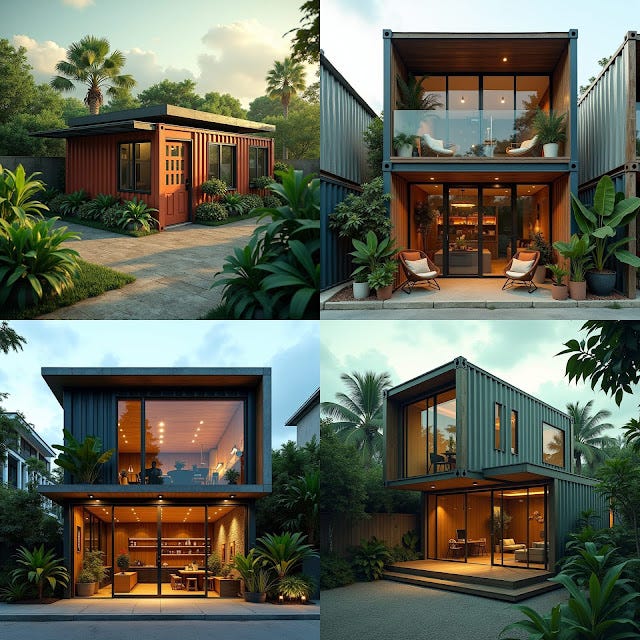
Some have embraced innovation. Modular construction, mixed use developments, and smart home technologies are gradually entering the Jamaican market, driven by both necessity and competition. There is also a growing conversation around climate resilience. Hurricanes, flooding, and coastal erosion have forced developers to reconsider design standards, drainage, and site selection. Building in Jamaica is no longer just about location and price. It is about durability in a changing environment.
Yet for all the progress, a central contradiction remains. Jamaica needs housing at scale, particularly for low and middle income earners. Developers have the capacity to deliver, but the market incentives often pull in a different direction. The result is a landscape where cranes rise, homes are built, and demand persists.
In 2025, the Jamaican real estate developer stands as both problem solver and participant in the problem itself. They bring capital, expertise, and momentum to an island in need of growth. At the same time, their decisions shape who gets access to land, to housing, and ultimately, to opportunity.
The plans are drawn. The permits are issued. The foundations are poured. What is being built is not just housing, but the future balance of Jamaica’s social and economic life.