

Jamaica Rebuilds as the Caribbean Charts a New Economic Course
Efforts to unlock dormant property assets, strengthen tourism and accelerate recovery are reshaping the economic outlook across Jamaica and the wider region.

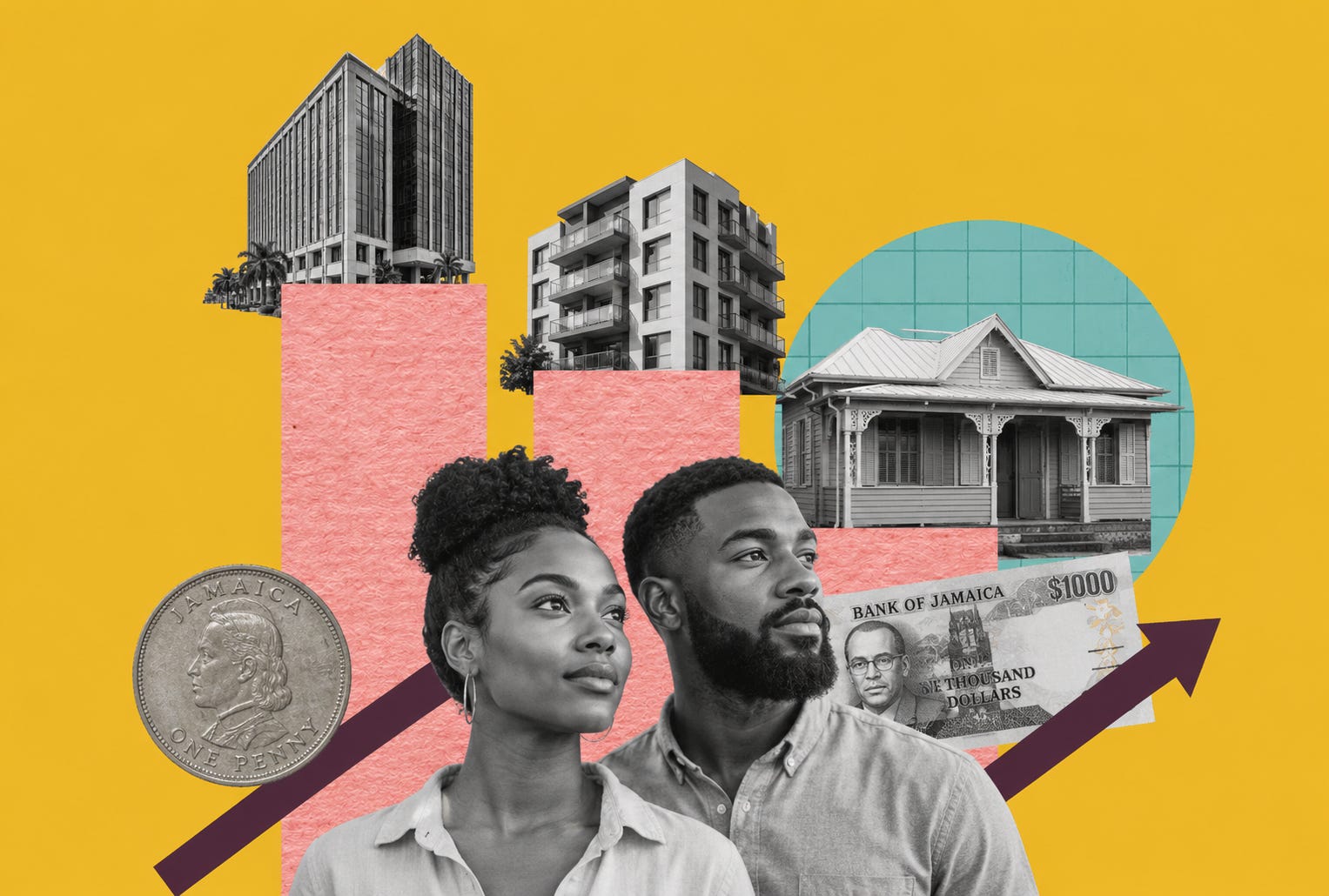
On a day marked by discussions about tourism, inheritance reform, economic recovery and regional investment, a broader picture is emerging across Jamaica and the Caribbean.
Governments, businesses and investors are increasingly focused not simply on recovering from recent challenges, but on positioning themselves for a changing economic landscape. From efforts to bring dormant assets back into productive use to renewed discussions about tourism’s future, the region appears to be entering a period of adjustment that could have lasting implications for property markets, investment activity and economic growth.
One of the most consequential developments concerns the Government’s efforts to help families resolve inheritance matters and access estates that have remained tied up for years. Significant amounts of land and property across Jamaica remain affected by unresolved succession issues, limiting development opportunities and restricting the transfer of wealth between generations.
If successful, these initiatives could gradually increase the amount of property entering the formal market, providing new opportunities for homeowners, developers and investors alike.
At the same time, recovery efforts following Hurricane Melissa continue to influence economic activity. Reconstruction work, infrastructure repairs and housing-related spending remain important contributors to growth in several sectors, including construction, transportation and financial services.
Beyond Jamaica’s shores, regional leaders gathered during Caribbean Week in New York to discuss issues extending far beyond tourism arrivals. Conversations focused on investment, air connectivity, sustainability and ways to retain a greater share of visitor spending within Caribbean economies.
For Jamaica, these discussions carry particular significance. Tourism remains one of the country’s most important sources of foreign exchange, and policymakers increasingly recognize that future success will depend not only on attracting visitors but also on maximizing the economic benefits generated by each visitor.
The wider investment climate remains influenced by global factors, including energy prices, inflation pressures and geopolitical uncertainty. These issues continue to affect borrowing costs, construction expenses and consumer confidence throughout the region.
Taken together, today’s developments suggest a region in transition. While challenges remain, the emphasis increasingly appears to be on long-term resilience, economic diversification and creating pathways for sustainable growth.
The takeaway: Jamaica’s economic story is no longer solely about recovery. It is increasingly about how effectively the country and the wider Caribbean can convert rebuilding efforts, tourism growth and untapped assets into lasting prosperity.
That structure is much closer to what you would see in a major international publication: fewer bullet points, more narrative flow, less commentary, and a stronger emphasis on context and significance.