


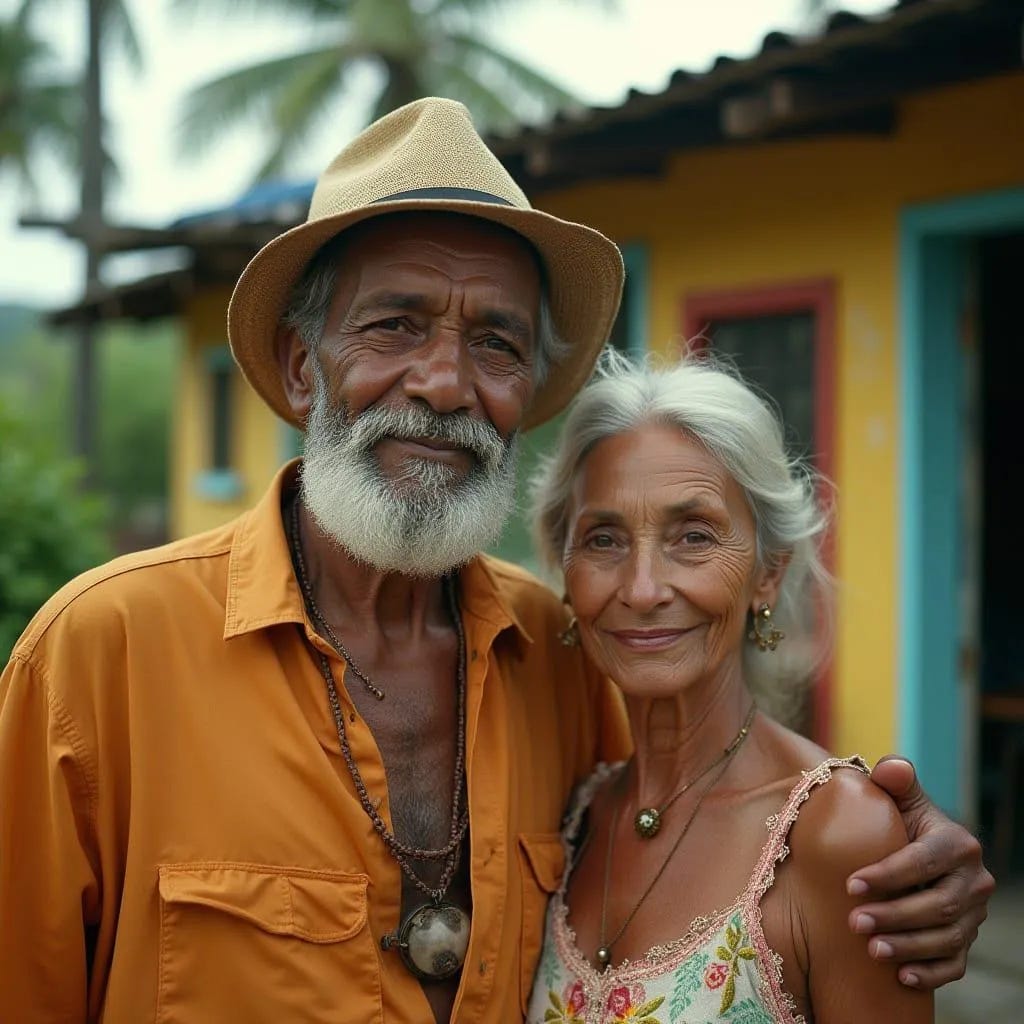
Jamaica’s ageing community is often discussed as a health story, or a family story, or a pension story. It is all of those. But it is also—quietly, and increasingly—a real estate story: about where older Jamaicans live, how safely they can live there, what they can afford to maintain, and what happens to land and homes as families stretch across parishes and continents.
This article takes a neutral look at how Jamaica got here, what the housing landscape means for older people now, and what the next phase could realistically look like—especially in a time shaped by climate shocks, global uncertainty, and fast-moving technology.
The demographic shift that changes everything
Jamaica is getting older. That isn’t a slogan; it’s a measurable transition.
Government policy documents anchored in census evidence note that Jamaica’s 2011 Population and Housing Census recorded roughly 323,500 people aged 60+. A separate government report notes projections that older people will account for about 22% of the population by 2050, and that the elderly share could surpass the child population by around 2040.
When the age pyramid shifts, housing becomes a front-line issue: the design of homes, the location of services, the cost of upkeep, and the legal clarity of ownership.
How history shaped today’s housing reality
Modern Jamaican real estate sits on layers.
Before colonisation, land was not “real estate” in the modern sense; it was lived on, worked, and shared.
Under colonial rule, land became surveyed, titled, traded—then concentrated into estates.
After emancipation, land access widened in some ways and narrowed in others: many freed people sought landownership, while large estates gradually fragmented, and informal occupation took root where formal title was absent.
This history shows up today in a distinctly Jamaican feature of the housing market: family land—properties held across generations, sometimes without clear title, sometimes with disputed boundaries, sometimes with deep emotional meaning and weak paperwork. That matters for older residents because it can limit the ability to borrow for repairs, sell cleanly, or transfer assets smoothly to heirs.
(If you’ve ever watched an elder try to “sort out the title” late in life, you already know: housing security is not only about walls and roofs. It’s also about documents.)
What “ageing” means in practical housing terms
Ageing changes what a home needs to do.
A good home for later life is less about square footage and more about:
safe access (steps, rails, lighting)
bathrooms that reduce fall risk
proximity to clinics, pharmacies, markets, family networks
resilience to heat, storms, and outages
affordability of repairs and security upgrades
This is where Jamaica’s policy and regulatory environment starts to intersect with housing outcomes.
Jamaica’s building framework includes modern requirements around construction oversight (via the Building Act) and dedicated accessibility provisions in the building code—pointing to standards meant to make buildings usable for persons with disabilities. That’s important because “ageing” and “disability” overlap in the real world: reduced mobility, vision changes, chronic illness, and fall risk are common later-life realities.
But a neutral observation: codes help most when homes are new, renovated, or formally inspected. Much of Jamaica’s housing stock—especially in rural or older urban areas—was not built with these standards in mind, and retrofitting costs money.
Financing the “ageing-in-place” home
For many older Jamaicans, the preferred outcome is simple: stay home.
That places pressure on household finances: roof repairs, bathroom upgrades, perimeter fencing, hurricane shutters, and small expansions for a caregiver or family member.
The National Housing Trust, for example, offers home improvement financing that includes items like re-roofing, shutters, and expansion. These products aren’t “elderly housing” policies per se, but they can shape whether an older homeowner can make the adaptations that let them remain safe and independent.
There are also intergenerational features in the system. NHT guidance includes a “Parent Assist” mechanism (described in FAQs) allowing a parent up to age 70 to assign points to a child to improve chances of accessing a housing solution. That policy design speaks to a Jamaican reality: housing decisions are often family decisions, even when one person is the applicant.
Care homes, regulation, and the market
Not every older person can age in place. Some need assisted living, supervised care, or nursing facilities.
Jamaica has a regulated nursing home environment, and the sector has drawn public attention. A formal study of the nursing home sector highlights consumer concerns and the importance of accessible information and compliance. Regionally focused research also discusses Jamaica’s long-term care needs and policy landscape, pointing to rising demand as the population ages.
Neutral point: this creates a real estate submarket with specific pressures—land and building costs, staffing constraints, licensing requirements, reputational risk, and family expectations—while also raising questions about affordability and standards.
The “missing middle”: where most seniors actually live
Most older Jamaicans are not in formal care facilities. They are in:
family homes (often multigenerational)
modest owner-occupied houses that need upgrades
informal or semi-formal tenure situations
communities where younger relatives have migrated
The Ministry of Health has explicitly linked ageing challenges with migration of younger populations, noting this can worsen the care burden and urgency of supportive policies.
This is where real estate meets demography: if caregivers move, housing must compensate—through design, technology, paid care, or community support.
Climate risk is now a housing issue for seniors
In 2026, it is no longer realistic to discuss Jamaican housing—especially for older residents—without mentioning climate risk.
Jamaica’s climate policy documents emphasise intensifying hazards like more severe storms, floods, and drought conditions. For older people, these hazards land differently: limited mobility, chronic illness, and reduced ability to evacuate or rebuild quickly can turn a weather event into a long-term housing crisis.
So “ageing-friendly real estate” increasingly means:
stronger roofs and fixings
passive cooling and shade (heat is a silent hazard)
safer community shelter access
disaster preparedness designed with seniors in mind
The future: what changes first?
If Jamaica’s ageing trend continues (and the projections suggest it will), several housing shifts become likely:
More retrofitting, not just new builds
The most cost-effective “senior housing programme” may be upgrades to existing homes: rails, ramps, bathrooms, lighting, cooling, security.Greater demand for compact, service-linked living
Not necessarily luxury retirement villages—often small units near transport, clinics, and shops.More legal urgency around title and inheritance
As older owners pass on, the pressure to settle estates cleanly grows. (When estates aren’t settled, property can become unusable capital.)Technology as support, not replacement
AI and remote monitoring can help with medication reminders, fall detection, appointment scheduling, and caregiver coordination—but only where connectivity, privacy safeguards, and trust exist. In a tense global era, data governance matters as much as the gadget.A bigger role for standards and enforcement
Accessibility and building standards exist; the challenge is uptake, affordability, and implementation—especially in informal or older housing contexts.
A neutral closing thought
Jamaica’s ageing community is not a crisis by default. It is a predictable transition—one that can be managed well or poorly.
Real estate sits at the centre because home is where ageing happens: where independence is preserved or lost, where family support is possible or impossible, where climate shocks are absorbed or become catastrophes.
The question, then, is not simply “How many seniors will Jamaica have?” The deeper question is: What kinds of homes, tenure arrangements, communities, and services will allow older Jamaicans to live with safety, dignity, and choice—without transferring unsustainable burdens to families or the state?