

Jamaica’s Cheap Property Illusion
Why Bargain Real Estate Is Not Always the Blessing It Appears to Be in a Country Still Rebuilding, Rethinking, and Rebalancing

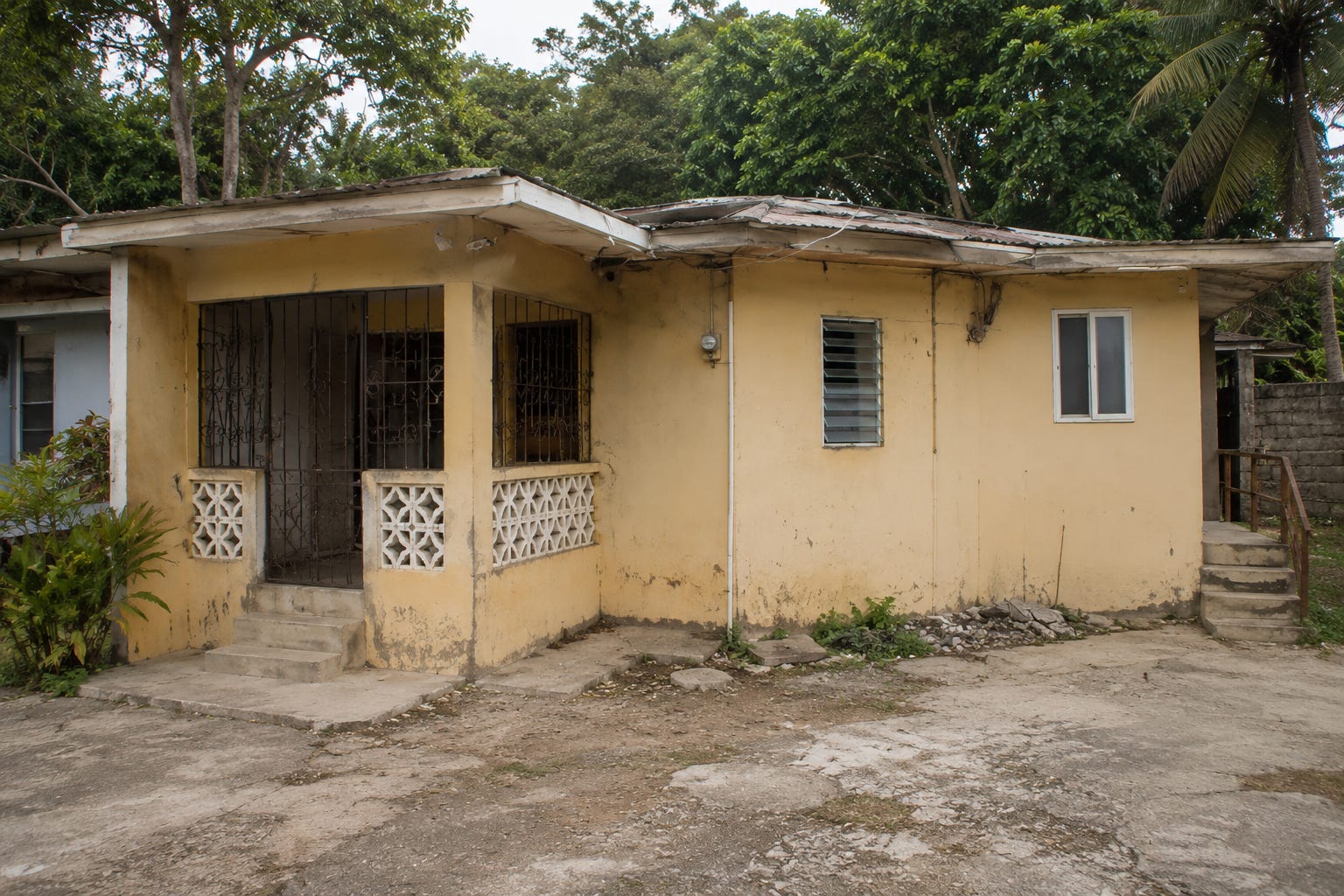
There is something deeply seductive about the idea of cheap property.
A small house tucked away in the hills. An abandoned seaside structure offered at a fraction of what people expect to pay elsewhere. A forgotten district where land prices seem frozen in time while the rest of the world becomes more expensive by the day.
Around the world, bargain real estate has become a kind of fantasy industry. Entire YouTube channels, investment seminars, and glossy social media pages are built around the dream of escaping expensive cities and buying “hidden gems” before everyone else catches on.
But Jamaica is not Italy. Jamaica is not Spain. And Jamaica’s property market cannot simply be analysed through the lens of overseas trends without understanding the realities shaping this island right now.
In Jamaica, property is emotional. It is cultural. It is survival. It is inheritance. It is status. It is retirement. It is migration. It is often the only major asset an ordinary family may ever own.
That changes the conversation entirely.
While some international commentators argue that cheap property in struggling areas can become a clever investment opportunity, the Jamaican reality requires a much more careful, grounded, and sensitive discussion. Especially at a time when many communities are still trying to recover financially, emotionally, and structurally from recent hardships, uncertainty, and rebuilding pressures.
A cheap property in Jamaica is not always cheap for the reasons people think.
Sometimes it reflects economic neglect. Sometimes poor infrastructure. Sometimes migration out of rural communities. Sometimes inheritance complications. Sometimes insurance risks. Sometimes title issues. Sometimes the hidden cost of repairing buildings exposed to years of weather damage.
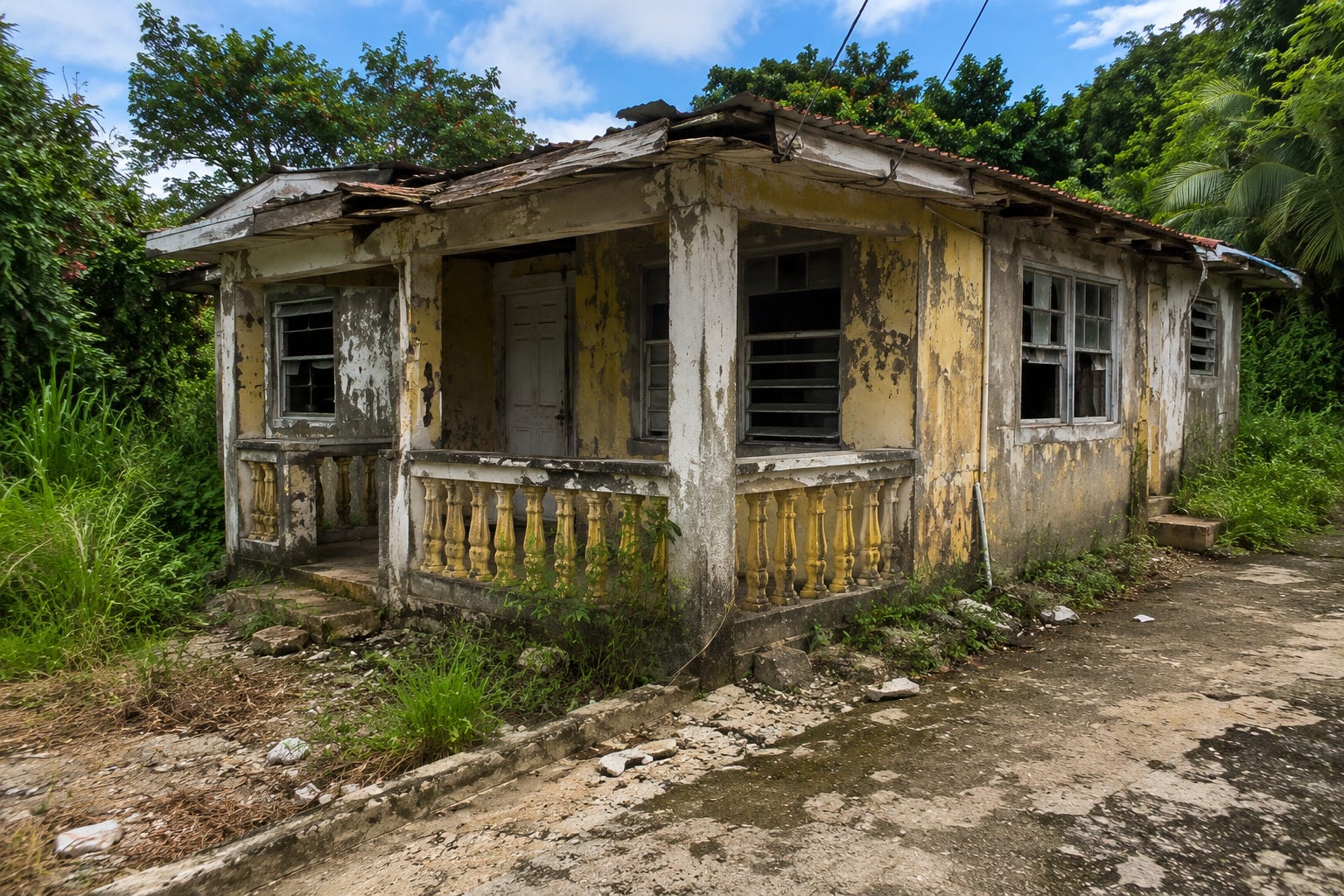
And sometimes, the low price is simply the beginning of a very expensive story.
As Dean Jones, founder of Jamaica Homes, puts it:
“In Jamaica, people often buy property with their eyes and emotions first, then discover later they should have inspected the land, the structure, the drainage, the title, and sometimes even the family politics attached to it.”
That may sound humorous at first, but there is a serious truth underneath it.
In many countries, cheap real estate discussions revolve around profits and lifestyle fantasies. In Jamaica, they often revolve around resilience, practicality, and whether a property can genuinely support a stable future.
The Global Fantasy Versus the Jamaican Reality
Part of the reason international bargain property stories attract attention is because they sell romance.
A stone cottage in southern Europe. A village home in the countryside. A forgotten town waiting to be rediscovered.
But Jamaica’s market behaves differently.
The island’s geography alone changes the equation. Coastal exposure, hillside erosion, infrastructure limitations, utility access, transportation routes, and weather resilience all play major roles in determining whether a property is genuinely valuable long term.
A cheap property located in an area with poor road access, unstable retaining structures, unreliable utilities, or limited economic activity may remain cheap for decades.
And unlike larger economies, Jamaica’s smaller population and concentrated development patterns mean that not every district experiences sustained appreciation.
Kingston and St Andrew continue attracting the bulk of commercial activity, professional employment, and high density development. Montego Bay maintains tourism driven growth. Certain resort and returning resident corridors remain active.
But other areas face more complicated realities.
This does not mean rural Jamaica lacks opportunity. Far from it.
Some rural communities are seeing renewed interest because of lifestyle changes, remote work, tourism diversification, agriculture, wellness projects, and diaspora investment. But investors must understand the difference between long term vision and wishful thinking.
A mango tree and a nice sunset alone cannot carry an investment portfolio.
The Real Cost of “Cheap”
One of the biggest misconceptions in real estate is that purchase price equals total cost.
In Jamaica, the opposite is often true.
A cheaper property may come with higher renovation costs, higher transportation costs, greater exposure to weather risks, insurance complications, or major legal uncertainties.
A buyer may save money upfront only to discover structural defects, poor drainage systems, retaining wall failures, termite damage, roofing problems, or incomplete approvals.
Then there are title issues.
Jamaica still has many properties where ownership histories are complicated by generations of informal transfers, family occupation arrangements, missing documents, probate delays, or unresolved disputes.
Some buyers unknowingly purchase stress alongside square footage.
There is also the emotional dimension that overseas investment articles rarely discuss properly.
In Jamaica, land and property are deeply tied to identity and family history. A seemingly straightforward sale can become complicated once relatives, inheritance expectations, old promises, or migration tensions enter the conversation.
Many real estate professionals quietly admit that some of the most difficult transactions involve family land.
Not because families are bad, but because property often carries memories, sacrifices, and emotional weight stretching back generations.
As Dean Jones notes:
“A property valuation can measure square footage and market value, but it cannot easily calculate grief, pride, migration, resentment, or the emotional attachment families place on land in Jamaica.”
That emotional layer matters more than many investors realise.
The Rental Illusion
International property discussions frequently focus on rental income and passive earnings.
But Jamaica’s rental market is more nuanced than many outsiders assume.
Certain areas produce strong demand and relatively stable rental activity. Others remain inconsistent, seasonal, or highly sensitive to economic pressures.
Maintenance costs also matter.
Insurance matters.
Utilities matter.
Property management matters.
Security matters.
Infrastructure matters.
And importantly, Jamaica’s market does not always reward speculative pricing the way social media investment culture suggests.
Many people now list properties based on aspirational values rather than realistic affordability.
At the same time, ordinary Jamaicans continue navigating rising living costs, financing pressures, and economic uncertainty.
This creates a disconnect between asking prices and what the market can sustainably absorb.
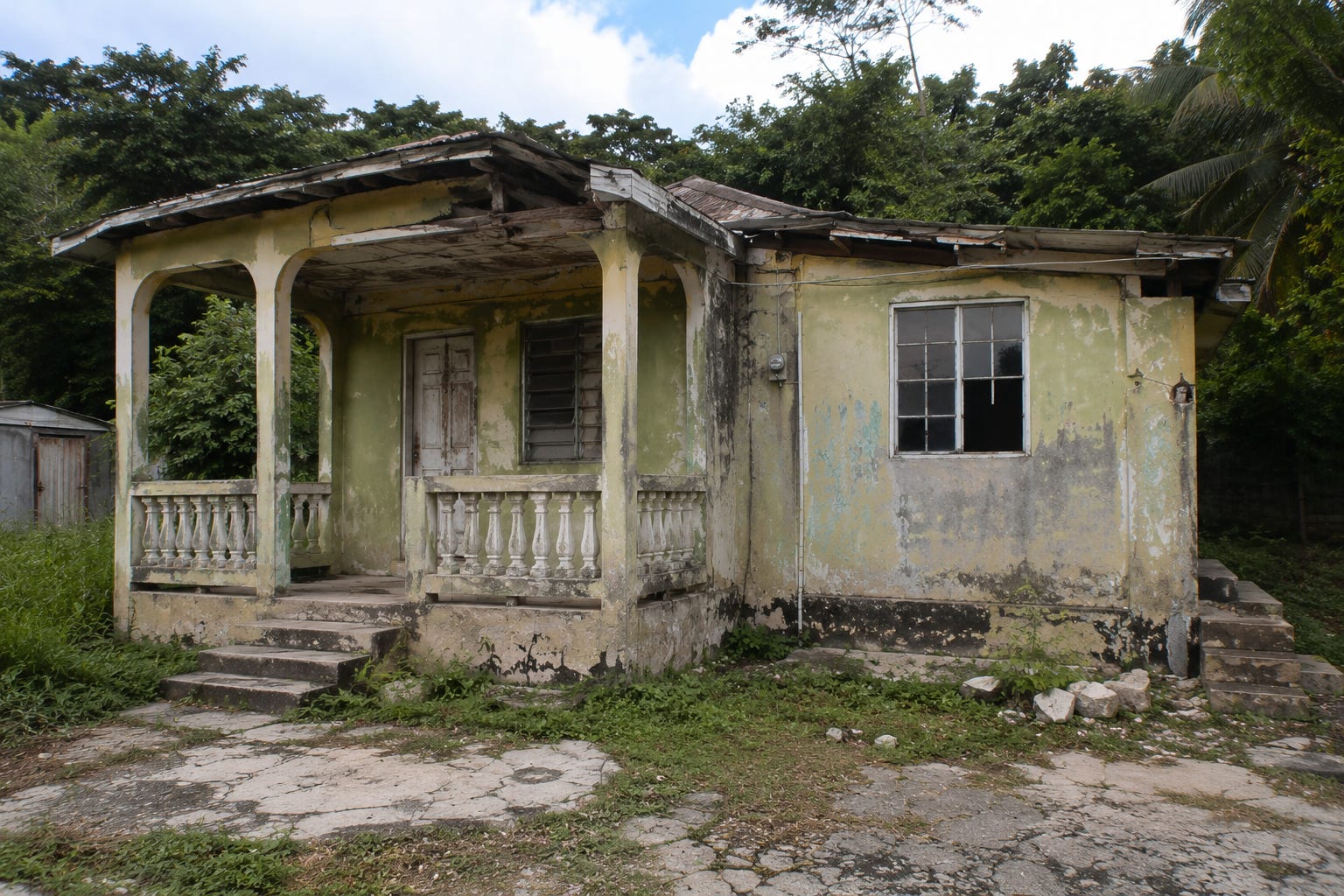
Ironically, some people now spend more time photoshopping luxury renderings than fixing leaking roofs. The Caribbean sun is powerful, but apparently not powerful enough to dry ambition.
Still, despite the humour, the underlying reality remains serious.
Jamaica’s property market is increasingly divided between aspiration and accessibility.
That tension is shaping the future of housing across the island.
Growth Must Be Understood Carefully
One mistake often made in overseas investment discussions is assuming all growth works the same way everywhere.
It does not.
Jamaica’s growth patterns are influenced by tourism, migration, remittances, infrastructure development, crime perceptions, climate exposure, foreign exchange realities, and international economic shifts.
An area can appear attractive on paper while still struggling with fundamental economic challenges underneath.
Likewise, a district ignored for years can suddenly experience renewed attention due to road upgrades, tourism projects, diaspora interest, or changing lifestyle trends.
This means buyers must think beyond hype cycles.
Some investors chase “the next big thing” without understanding whether genuine long term demand exists.
Others dismiss entire regions without recognising future potential.
Balanced thinking matters.
Jamaica is neither collapsing nor magically booming in every direction at once.
It is evolving unevenly, like many developing nations navigating global uncertainty while trying to modernise and preserve identity at the same time.
That requires careful reading of the market rather than emotional reactions to headlines or trends.
The Insurance and Resilience Conversation
Perhaps one of the most important realities shaping Jamaica’s housing future is resilience.
The conversation around property can no longer focus only on aesthetics, square footage, or location prestige.
Questions about drainage, construction quality, insurance coverage, retaining walls, roofing systems, water flow, and environmental exposure are becoming far more important.
This is especially true in vulnerable island environments where weather patterns are increasingly unpredictable and rebuilding costs continue rising globally.
A cheap property that requires constant repairs may not be cheap at all.
Likewise, a slightly more expensive property built properly, insured appropriately, and located strategically may ultimately prove far more affordable over time.
This shift in thinking is already quietly influencing buyers across Jamaica.
People are asking harder questions now.
Can this structure withstand severe weather?
Is the retaining wall reinforced properly?
What happens if roads become inaccessible?
How expensive would rebuilding actually be?
Can the average family realistically sustain this property long term?
Those are not pessimistic questions.
They are responsible ones.
As Dean Jones explains:
“The future of Jamaican real estate may belong less to the flashiest properties and more to the most resilient ones. Beauty matters, but durability is becoming its own form of luxury.”
That observation reflects a growing reality across the island.
The Diaspora Factor
No conversation about Jamaican real estate is complete without acknowledging the diaspora.
Returning residents and overseas Jamaicans continue playing a major role in shaping demand, pricing, and development patterns.
For many diaspora buyers, property represents more than investment.
It represents reconnection.
Security.
Retirement planning.
Family legacy.
Identity.
But diaspora buyers also face unique challenges.
Some purchase emotionally during visits without fully understanding local market conditions. Others rely heavily on relatives or informal arrangements that later create disputes or confusion.
There are also cases where overseas buyers unintentionally overpay because sellers assume foreign based purchasers have unlimited financial resources.
At the same time, diaspora investment continues supporting construction, employment, tourism linked development, and local economic activity.
The relationship is complex.
What matters most is informed decision making.
Not every cheap property is a hidden gem.
Not every expensive property is overpriced.
And not every overseas trend translates neatly into the Jamaican environment.
Jamaica’s Housing Future Requires Balance
The bigger issue underneath all of this is that Jamaica’s housing conversation is changing.
Affordability concerns are rising globally.
Construction costs remain volatile.
Insurance pressures continue increasing.
Land scarcity affects urban areas.
Young people are increasingly anxious about ownership opportunities.
At the same time, luxury development continues expanding in certain sectors.
This creates understandable frustration.
Many ordinary Jamaicans now feel caught between rising property prices and uncertain income growth.
That frustration should not be ignored.
But neither should the resilience and adaptability that have always defined Jamaican communities.
Across the island, families continue building incrementally, improving homes room by room, supporting relatives abroad and locally, and finding creative ways to navigate economic pressure.
That spirit still matters.
Jamaica’s housing future will likely require a mix of smarter planning, stronger infrastructure, realistic pricing, better financing access, resilient construction methods, and more honest conversations about affordability.
It will also require resisting simplistic narratives imported from abroad.
Because Jamaica’s property market is not simply a smaller version of America, Europe, or anywhere else.
It operates within its own cultural, economic, and emotional realities.
And understanding those realities may ultimately matter far more than chasing the illusion of cheap property itself.