


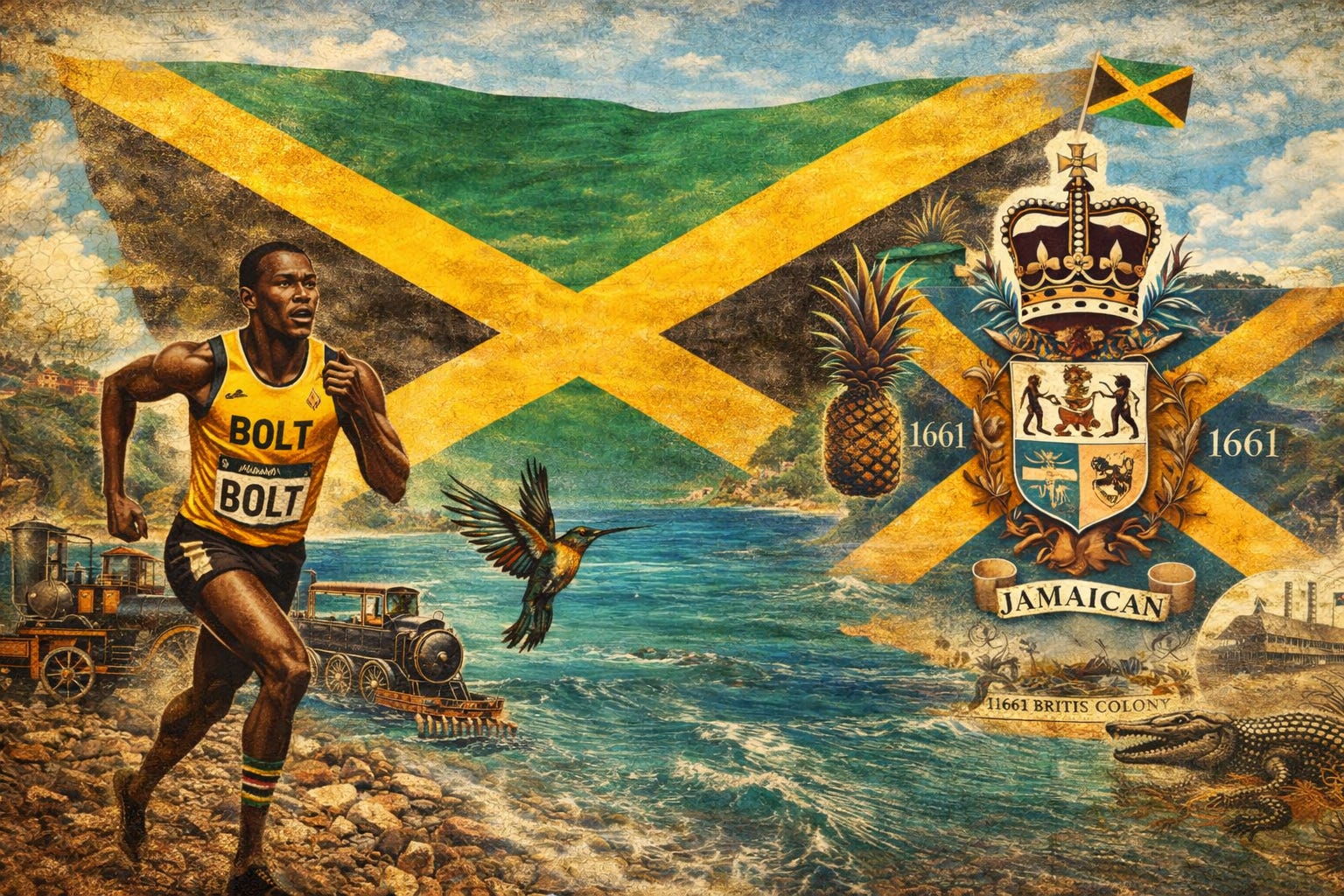
Jamaica’s relationship with land has always been about more than real estate. It is about belonging, identity, and the quiet determination of generations who believed that one day they would have a place to call their own.
From the communal lands of the Taíno people, to the plantation estates of colonial rule, to the small lots purchased by Jamaicans working overseas, property ownership has been one of the most powerful expressions of independence in Jamaican life.
Today, that story continues. As the island grows, rebuilds, and welcomes its diaspora home, land and housing once again sit at the centre of national conversation. The government’s message encouraging Jamaicans abroad to return, invest, and reconnect with their roots reflects a deeper truth: Jamaica’s future will be built not only by those who never left, but also by those who always intended to come back.
As Dean Jones, founder of Jamaica Homes and Realtor Associate, puts it:
“Land in Jamaica has never been just about property lines. It’s about people finding their way home, even if the journey takes decades.”
Understanding today’s housing market means understanding the long story that shaped it.
Land Before Ownership
Long before property titles, valuation numbers, and land registries existed, Jamaica was home to the Taíno people. Their relationship with land was communal. Land was shared within villages and used collectively for farming, fishing, and survival.
There were no boundary fences or real estate transactions. Land was not an asset to accumulate but a resource to sustain life.
The arrival of Europeans in the late fifteenth century dramatically altered this relationship. With Spanish colonisation came the first concept of land grants issued by the Crown. These grants introduced the idea that land could be allocated, owned, and transferred.
But the Spanish never fully developed Jamaica as a major agricultural colony. That transformation came after the British captured the island in 1655.
The Plantation Economy and Land Concentration
Under British rule, Jamaica became one of the most profitable plantation economies in the Caribbean. Vast estates producing sugar, coffee, and rum dominated the landscape.
Land ownership during this period was heavily concentrated among wealthy planters and absentee landlords in Britain. For the majority of people living on the island—particularly enslaved Africans who worked the plantations—ownership of land was impossible.
The plantation system shaped Jamaica’s physical and economic geography. Roads, ports, and trading centres developed to support export agriculture. Kingston grew rapidly as a commercial hub following the destruction of Port Royal in the earthquake of 1692.
But beneath the economic success of the colony was a deep imbalance: those who worked the land had no claim to it.
That imbalance would begin to change after emancipation.
Freedom and the Desire for Land
When slavery was abolished in 1834 and full freedom came in 1838, land became the symbol of independence for newly freed Jamaicans.
Owning land meant escaping the control of plantation estates and building communities based on family and self-sufficiency. Yet access to land remained difficult because plantation owners were reluctant to sell property to former slaves.
The Free Village movement emerged as a solution. Missionaries and abolitionists purchased land and subdivided it into small lots that freed people could buy.
One of the earliest examples was Sligoville in St. Catherine, established in 1835.
These villages allowed families to build homes, farm small plots, and establish communities of their own. The dream of land ownership became firmly rooted in Jamaican culture.
During this period another unique feature of Jamaican land tenure emerged: family land. Property often passed informally from one generation to another without formal wills or legal documentation.
While this system reinforced family ties, it also created legal complexities that continue to influence property transactions today.
The Windrush Generation and the Home-Building Dream
Few chapters illustrate Jamaica’s connection between migration and real estate more powerfully than the story of the Windrush generation.
Beginning in 1948, thousands of Jamaicans travelled to Britain to help rebuild the country after World War II. They worked in transportation, manufacturing, healthcare, and other sectors.
But many never intended to remain abroad permanently.
Their long-term plan was often simple: work hard, save money, and eventually return to Jamaica. And when they returned, they wanted something tangible to show for their years of sacrifice.
That something was usually land or a home.
Across the island today, many houses stand as quiet monuments to that dream. Built slowly over time with money sent home from abroad, they represent decades of dedication.
Dean Jones reflects on this powerful connection between migration and property:
“The Windrush generation didn’t just send barrels and remittances. They sent hope home—often brick by brick, block by block.”
The phrase “build a likkle house back a yard” became part of Jamaican diaspora culture.
Independence and Housing Growth
After Jamaica gained independence in 1962, housing became a national priority.
Urban populations grew rapidly as people moved to Kingston and other towns seeking work. Housing demand increased significantly, prompting the development of planned residential communities.
Government housing initiatives expanded access to homeownership, while land reform programmes aimed to provide opportunities for small farmers.
Over time, property ownership became increasingly achievable for ordinary Jamaicans. Homes began appearing across suburban communities, rural districts, and newly developed neighbourhoods.
Real estate was no longer something only elites could access. It became a realistic goal for many families.
Jamaica’s Modern Property Market
Today, Jamaica’s real estate market reflects a complex mix of history, investment, and migration patterns.
Residential housing developments continue to expand in areas such as Kingston, St. Catherine, and Montego Bay. Tourism has also driven major property development along the island’s north and west coasts.
At the same time, many Jamaicans living abroad remain active participants in the property market, purchasing homes for retirement, investment, or family use.
The creation of the National Land Agency in 2001 modernised the country’s land administration system, bringing together land registration, surveying, valuation, and mapping services under one organisation.
Technology is gradually improving access to land records and streamlining property transactions.
But even with modern systems, Jamaica’s property market still reflects its historical roots—particularly the importance of family land and diaspora investment.
Why Timing Still Matters in Jamaica’s Property Market
While Jamaica’s housing market differs from larger markets such as the United States, one truth remains consistent: timing can make a difference when buying property.
Many buyers naturally focus on the spring and summer months when property listings often increase. But waiting for those periods can sometimes mean facing greater competition.
Buying earlier in the year can offer advantages that are often overlooked.
One reason is that waiting for lower mortgage rates may not always pay off. Interest rates tend to move gradually, and buyers sometimes delay their decisions expecting dramatic changes that never materialise. In Jamaica, where financing conditions depend heavily on banking policies and global economic factors, small changes in rates rarely transform the market overnight.
Another factor is competition. As more buyers enter the market during peak periods, the pressure to move quickly increases. Properties can attract multiple interested parties, creating a sense of urgency that may not exist earlier in the year.
Buying when fewer people are actively searching can provide buyers with more time to explore their options and make thoughtful decisions.
Price behaviour is also influenced by demand. When more buyers compete for the same properties, prices can rise accordingly. Entering the market earlier can sometimes allow buyers to secure better value before competition intensifies.
Of course, every buyer’s situation is different. But understanding market timing can help people approach the process more strategically rather than rushing into decisions.
As Dean Jones explains:
“In real estate, patience matters—but timing matters too. The smartest buyers don’t just ask what to buy. They ask when.”
The Return Home Movement
In recent years, Jamaica has increasingly encouraged members of the diaspora to return, invest, and reconnect with the island.
Government messaging has highlighted the importance of bringing skills, capital, and experience back home. For many Jamaicans living abroad, the call resonates deeply.
Real estate often becomes the first step in that return journey.
Owning property provides a sense of permanence and reconnection with family roots. It allows people who spent years abroad to rebuild their relationship with the island.
Across Jamaica today, returning residents are buying homes, renovating family properties, and investing in new developments.
Some are retirees fulfilling long-held dreams. Others are entrepreneurs bringing international experience back to local communities.
A Nation That Builds Forward
Jamaica’s real estate story has always been shaped by resilience.
Generations have built homes in difficult circumstances, saved money across oceans, and invested in property even when the path was uncertain.
The island’s relationship with land reflects that determination.
There is a Jamaican saying that people may travel the world, but their roots always know the way home. In real estate terms, that often means that sooner or later, many Jamaicans start thinking about land again.
Sometimes that thought begins with a simple question: What if I bought something back home?
Dean Jones captures this sentiment in a way that resonates with buyers both locally and abroad:
“Every home built in Jamaica is a small act of faith in the future. And faith, as history has shown us, is something Jamaicans never run short of.”
The Story Continues
The history of Jamaican real estate is still unfolding.
Every returning Jamaican who purchases a home adds another chapter. Every young family buying their first property continues a legacy that stretches back generations.
Land in Jamaica has always meant more than soil or square footage.
It represents connection—to family, to history, and to a future that continues to be built one home at a time.