


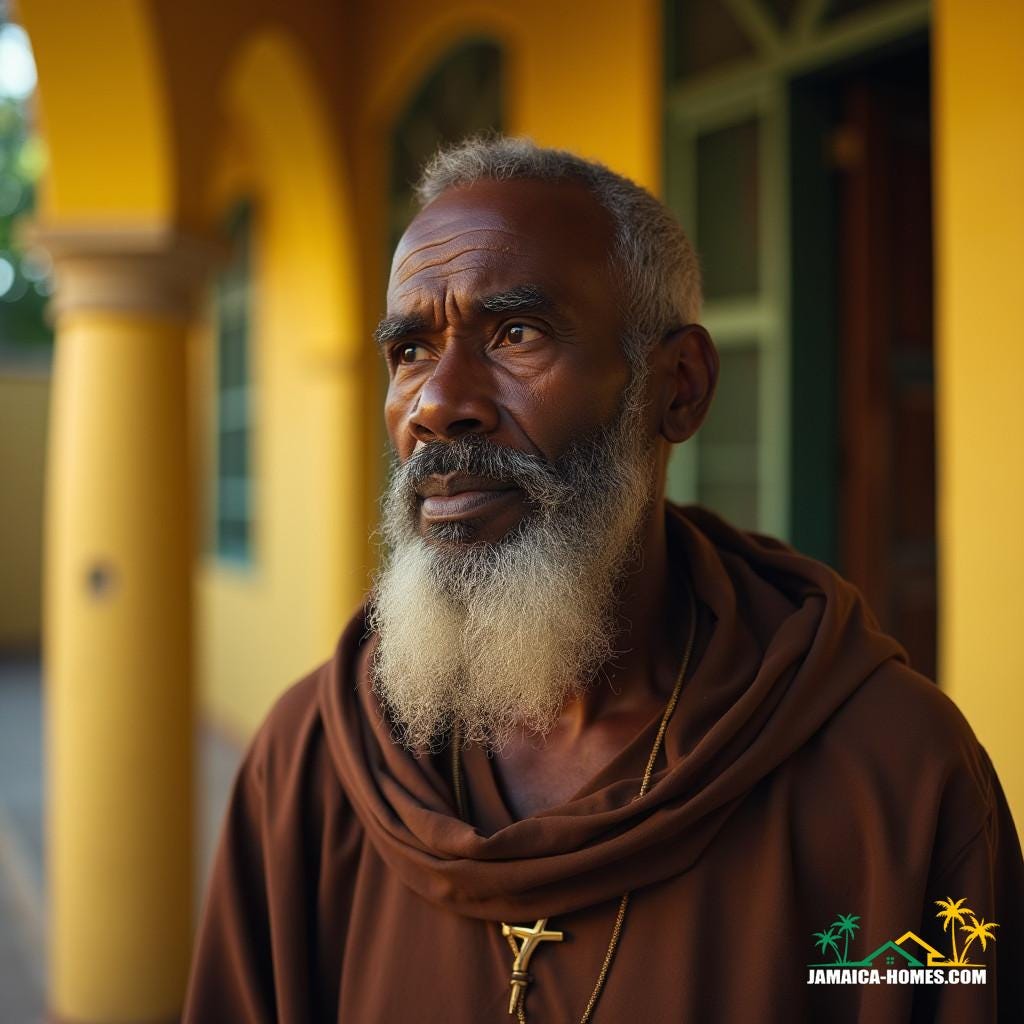
In Jamaica, churches are more than just places of worship—they are landmarks, community centers, schools, and sometimes even hospitals. With over 1,600 churches scattered across the island, it’s no surprise that religion plays a central role in Jamaican life. But beyond their spiritual influence, many of these religious organizations also control significant amounts of real estate, shaping not just hearts and minds, but the very landscape of the nation. So, which church owns the most land in Jamaica? And how do the major denominations compare when it comes to property and infrastructure? Let’s take a closer look at the religious institutions whose footprints extend well beyond the sanctuary walls.
1. Seventh-day Adventist Church
Most likely the largest church landowner in Jamaica.
Northern Caribbean University (NCU) – Located in Mandeville, it sits on hundreds of acres of land and includes dormitories, farms, media studios, and research centers.
Over 700 churches across all 14 parishes.
Operates a wide network of primary and secondary schools, clinics, and health facilities.
Owns campsites, such as the Camp Verley in Spring Garden, St. Catherine.
Their landholdings often include agricultural plots and church-operated businesses.
2. Roman Catholic Church
One of the oldest landowning religious institutions in Jamaica.
Many historic churches and cathedrals built during colonial times, like:
Holy Trinity Cathedral (downtown Kingston)
St. Paul of the Cross in Mandeville
Owns Catholic schools, convents, retreat centers, and orphanages.
Land often includes cemeteries and monasteries, such as Our Lady of the Angels Monastery in Mandeville.
3. Anglican Church (Church of England)
Former state church during British colonial rule.
Owns some of the oldest church properties, such as:
St. Peter’s Anglican Church in Port Royal
St. James Parish Church in Montego Bay
Holds property associated with parish schools and church rectories.
Also owns cemeteries and burial lands dating back to the 17th century.
4. Baptist Churches (primarily Jamaica Baptist Union)
Historically significant in Jamaican independence and Black liberation.
Owns many church buildings and educational institutions, including:
Calabar High School, Kingston
St. Hilda’s Diocesan High School, St. Ann
Known for local-level land ownership, especially in towns and urban centers.
5. Pentecostal and New Testament Churches
Rapid growth and urban land ownership.
Denominations like the New Testament Church of God and Church of God of Prophecy own:
Numerous urban and suburban church buildings
Bible colleges and community outreach centers
Often hold real estate in densely populated urban areas rather than rural acreage.
Honorable Mention: Rastafarian Communities
Not a church per se, but Rastafari mansions like Bobo Ashanti and Nyabinghi often have communal lands.
Known sites: Bobo Hill in Bull Bay, Scott’s Pass, and Pinnacle in St. Catherine (Marcus Garvey’s legacy site).
While not vast, their lands are culturally and historically significant.
While the Seventh-day Adventist Church stands out as the likely leader in land ownership—thanks to its wide network of churches, schools, and medical facilities—other denominations like the Roman Catholic, Anglican, and Baptist Churches have left lasting marks on the island with their historic properties and educational institutions. From sprawling campuses like Northern Caribbean University to centuries-old cathedrals in Kingston and Montego Bay, these churches have helped build the physical and social fabric of Jamaica. Whether urban or rural, modern or historic, church-owned lands continue to play a vital role in Jamaican culture, development, and community life.
Disclaimer: This article is for informational purposes only and does not constitute legal or financial advice. Please note: Jamaica Homes is not authorized to offer financial advice. The information provided is not financial advice and should not be relied upon for financial decisions. Consult a regulated mortgage adviser for guidance.