


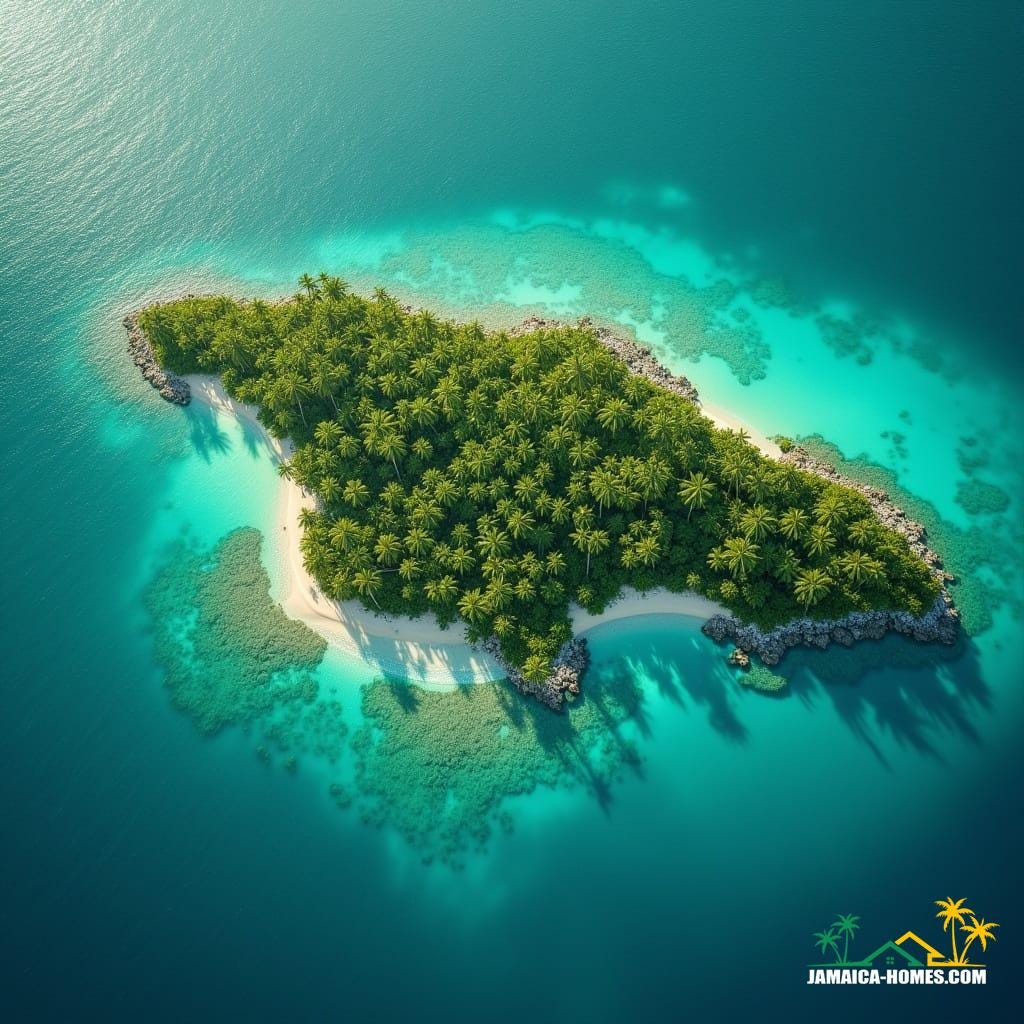
There’s something deeply symbolic about building a home. It’s never just walls and a roof; it’s about stability, belonging, and the promise of a future. For Jamaica, a country that has weathered the storms of history and emerged proud and independent, real estate is more than a business sector. It is a canvas on which the nation continues to sketch its identity and aspirations.
As Jamaica steps into a new political era with the recent election, there is a palpable sense that the nation stands at a crossroads. The question is not only about governance—it is about how we, as a people, transform this island into a place where opportunity, ownership, and innovation are open to all.
A Landscape of Possibility
When you drive through Kingston, Montego Bay, or along the North Coast, you can see how far the country has come. Modern building are now neighbours to colonial-era homes. Hotels climb the hillsides overlooking turquoise waters. Gated communities spread across former sugar lands. Each building tells a story—of ambition, of migration, of return.
Jamaica’s real estate market has been shaped by three powerful forces:
Tourism and global demand. Investors continue to see Jamaica as prime territory for hotels, villas, and resorts.
The diaspora. Returning residents and overseas Jamaicans are buying, building, and renovating homes at record levels.
Urban growth. With more Jamaicans seeking affordable housing in towns and cities, local developers are finding new ways to meet demand.
These forces are unlikely to slow. If anything, they will intensify in the coming years.
The Returnee and the Expat

Perhaps nowhere is Jamaica’s real estate story more emotionally charged than in the lives of returning residents. For decades, Jamaicans abroad have carried with them the dream of one day coming home. And for many, property ownership is the embodiment of that dream.
These individuals don’t just bring money; they bring experience, professional skills, and connections that enrich the island’s social and economic fabric. Yet their contributions are sometimes overlooked. Imagine a system where returnees are not just welcomed but celebrated, where their investments are facilitated, their expertise integrated, and their return made smoother by efficient, transparent processes.
Alongside them are expatriates who see Jamaica not only as a holiday escape but as a permanent base. Their presence adds to the demand for residential and commercial spaces, and their investment dollars circulate through the economy, creating jobs and supporting local enterprise.
Cutting Through the Red Tape
For all its promise, Jamaica’s property market is often hindered by bureaucracy. Old land titles, lengthy transfer processes, and inconsistent regulations can frustrate both locals and investors. These barriers slow down development and exclude too many Jamaicans from the chance of secure homeownership.
Modernization here is not a luxury; it is essential. A digital land registry, faster processing times, and clearer regulations would not only inspire confidence but also unlock vast amounts of dormant economic potential. Imagine young professionals buying their first homes without years of delay, or small developers building without being ensnared in red tape. That is the kind of systemic reform that would transform real estate from a privilege for the few into a true foundation for national independence.
Homeownership as Independence
When Jamaica gained independence, the dream was of self-determination. But true independence extends beyond flags and parades; it rests in the daily lives of citizens. And what greater symbol of independence exists than owning your own home?
For families, homeownership is a buffer against uncertainty. It’s equity that can be passed down to children, a stake in the nation’s future. For communities, it means stability, pride, and a sense of shared destiny. And for Jamaica as a whole, broad-based ownership is the surest way to reduce inequality and empower its people.
The challenge is clear: affordability. While luxury developments and foreign investments are vital, so too are affordable housing projects that give teachers, nurses, farmers, and small business owners a chance to own property. Bridging this gap will require creativity—from public-private partnerships to innovative financing models that make mortgages more accessible.
Jobs and Skills for the Future
Every building begins with labour. As real estate grows, so too does the demand for architects, engineers, masons, electricians, surveyors, and artisans. This is where the sector intersects directly with Jamaica’s social future.
By investing in training and education, the island can ensure that the jobs created by real estate remain in the hands of Jamaicans. Skilled labour not only raises the quality of construction but keeps wealth circulating locally. Imagine a future where young Jamaicans see construction not as a last resort but as a respected and rewarding career path, one where craftsmanship and innovation go hand in hand.
Looking Beyond Tourism
Tourism will always be part of Jamaica’s real estate landscape. Hotels, villas, and Airbnb properties are critical sources of revenue. But Jamaica’s future cannot depend solely on visitors. Commercial real estate—office spaces, retail hubs, logistics facilities—is equally vital.
As digital industries and creative sectors grow, Jamaica will need spaces that support innovation: co-working hubs, tech campuses, and design studios. Real estate can play a key role in diversifying the economy, ensuring the island is not overly dependent on any single sector.
Building a Nation, Brick by Brick
The story of Jamaica’s real estate is not just about bricks and mortar. It is about people: the farmer building a modest home on ancestral land, the family saving for a down payment, the diaspora investor returning after decades abroad. It is about community, dignity, and the shared belief that independence must be lived, not only celebrated.
Our forefathers fought for sovereignty. The next stage of that struggle is economic independence—where Jamaicans, whether at home or abroad, have the opportunity to own, to build, and to thrive. Real estate is not merely an economic sector; it is the bedrock on which this future rests.
If the systems are improved, if red tape is cut away, if returnees are embraced, and if affordability is prioritized, Jamaica can chart a course where property ownership is not the privilege of the few but the right of the many.
This is the promise of real estate in Jamaica: not just structures on land, but the architecture of a nation’s independence.
Disclaimer:
This article is intended for informational and analytical purposes only. It does not represent the views of any political party, government agency, or private entity. The perspectives expressed are general in nature and based on publicly available information and historical context. Readers are encouraged to conduct their own research and seek professional advice before making decisions related to real estate investment or financial planning in Jamaica.