


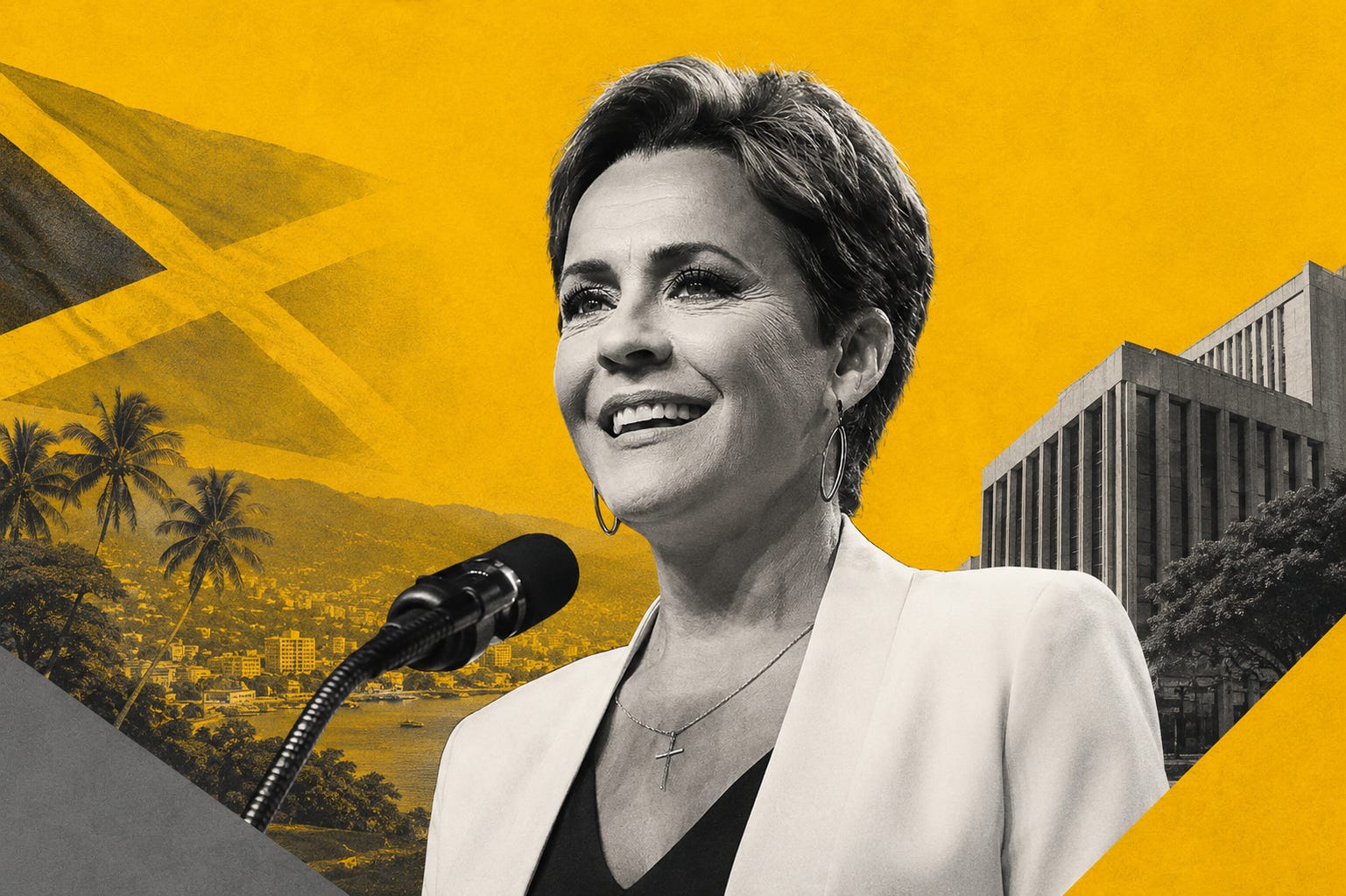
Jamaica has reacted positively to the decision by US President Donald Trump to nominate Kari Lake as the next American ambassador to the island, a move that could restore a key diplomatic post left vacant since early 2025.
The nomination, which still requires approval from the United States Senate, places Lake in line to become Washington’s chief representative in Kingston at a time when regional relationships between the Caribbean and the United States continue to carry significant economic and political weight.
Officials from Jamaica’s foreign affairs ministry have indicated that the country intends to continue strengthening cooperation with the United States across areas including trade, tourism, security, migration, and investment. The relationship between both nations has long been regarded as one of Jamaica’s most important international partnerships, particularly given the large Jamaican diaspora living in the US and the steady flow of remittances and visitors into the island.
Lake is widely known in American politics following high-profile campaigns in Arizona, where she ran for both governor and the US Senate. Prior to the nomination, she was associated with media and communications oversight linked to the US Agency for Global Media, which supervises international broadcasting services including Voice of America.
Her possible arrival in Kingston comes during a period when Jamaica is balancing major domestic discussions around governance, constitutional reform, economic resilience, and long-term development priorities. Diplomatic appointments at this level are often watched closely in the Caribbean because they can influence the broader tone of future cooperation on issues such as regional security, development funding, trade engagement, and migration policy.
For Jamaica’s economy, the United States remains deeply influential. Tourism arrivals from the American market continue to shape employment and business activity across the island, while US investment and remittance flows affect household stability, construction activity, and wider economic confidence.
Although ambassadors do not directly shape markets, diplomatic relationships frequently help determine how governments collaborate on investment, infrastructure, disaster preparedness, and regional stability. Those wider connections remain increasingly important for Caribbean nations facing rising development pressures, climate risks, and affordability challenges tied to housing and national growth.