



On May 23rd each year, the island of Jamaica resonates with the clang of hammers, the hum of paint rollers, and the laughter of children as neighbourhoods transform into worksites of unity. Labour Day in Jamaica is not just a public holiday—it is a deeply rooted observance born from struggle, transformed by political vision, and now held up by the steady hands of civic engagement and volunteerism. But behind the feel-good efforts of painting schools or fixing fences lies a rich tapestry of rebellion, reform, and the ongoing redefinition of nationhood.
Empire, Emancipation, and Evolving Identity
Before Labour Day became the symbol of Jamaican unity and contribution that it is today, May 23rd was not marked at all. In fact, it was May 24th—Empire Day—that was traditionally celebrated. Empire Day coincided with the birthday of Queen Victoria, the monarch often (albeit inaccurately) credited with the emancipation of enslaved Africans in Jamaica. That celebration honoured the British crown, not the Jamaican people, and was filled with colonial pride, flag-raising ceremonies, and patriotic anthems.
However, Jamaica’s growing desire for independence necessitated a new narrative. In 1961, Norman Manley, then Chief Minister, introduced legislation to abolish Empire Day. In its place, Labour Day was established, commemorating a far more homegrown and relevant struggle—the 1938 labour uprisings that reshaped Jamaica’s political and social landscape.
The Spark of 1938: Labour as Liberation
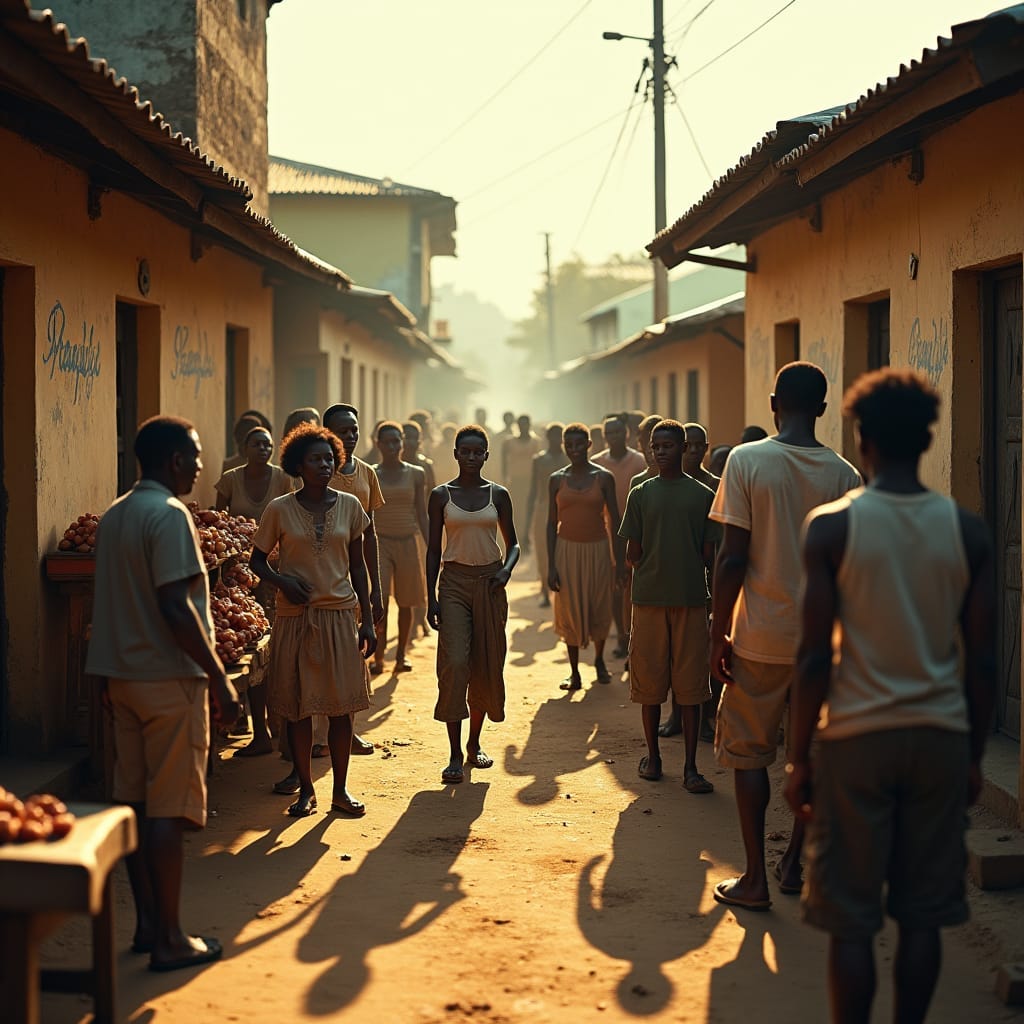
The year 1938 stands as a pivotal chapter in Jamaican history. It was during this period that thousands of Jamaican labourers, spurred by intolerable working conditions and oppressive wages, began a series of strikes and protests across the island. The most notable among these was the riot at the Frome Sugar Estate in Westmoreland, which served as a catalyst for broader unrest.
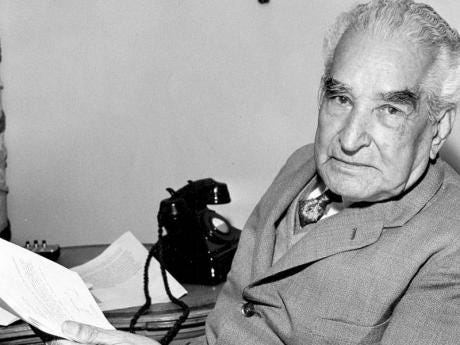
Prominent figures such as Alexander Bustamante and St. William Grant emerged from the turmoil. Grant, a Garveyite and labour leader, fiercely advocated for the rights of workers and paid a heavy price—he was arrested and later faded into obscurity and poverty. Yet his contributions were not forgotten: in 1977, Victoria Park in downtown Kingston was renamed St. William Grant Park in his honour, and he posthumously received the Order of Distinction.
These upheavals birthed the modern trade union movement in Jamaica and laid the foundation for political transformation. Labour Day, first formally celebrated in 1960 through legislative reform, became a date of political and social reckoning.
Manley’s Vision: From Protest to Participation
Although Labour Day was officially established in the early 1960s, it was the Most Honourable Michael Manley, Jamaica’s charismatic Prime Minister in the 1970s, who truly reimagined its purpose. In 1972, he declared Labour Day not only a holiday but a day of national service.

This initiative transformed Labour Day from a symbolic commemoration to a national call to action. Jamaicans of all backgrounds were encouraged to roll up their sleeves and engage in voluntary work—building, cleaning, and beautifying public spaces. Hospitals received help, schools were painted, and roads repaired. The first national project focused on the Palisadoes Road, now known as the Norman Manley Highway, which connects Kingston to the airport.
Labour Day became a canvas for the values of dignity in labour, community cohesion, and national development. As Manley himself once noted, “Labour is not a curse but a badge of dignity. Through it, we shape our destiny and build our future.”
Labour Day and Real Estate: An Overlooked Intersection
At first glance, it may seem far-fetched to connect the principles of Labour Day to Jamaica’s real estate sector. But on closer inspection, the link is both historical and contemporary.
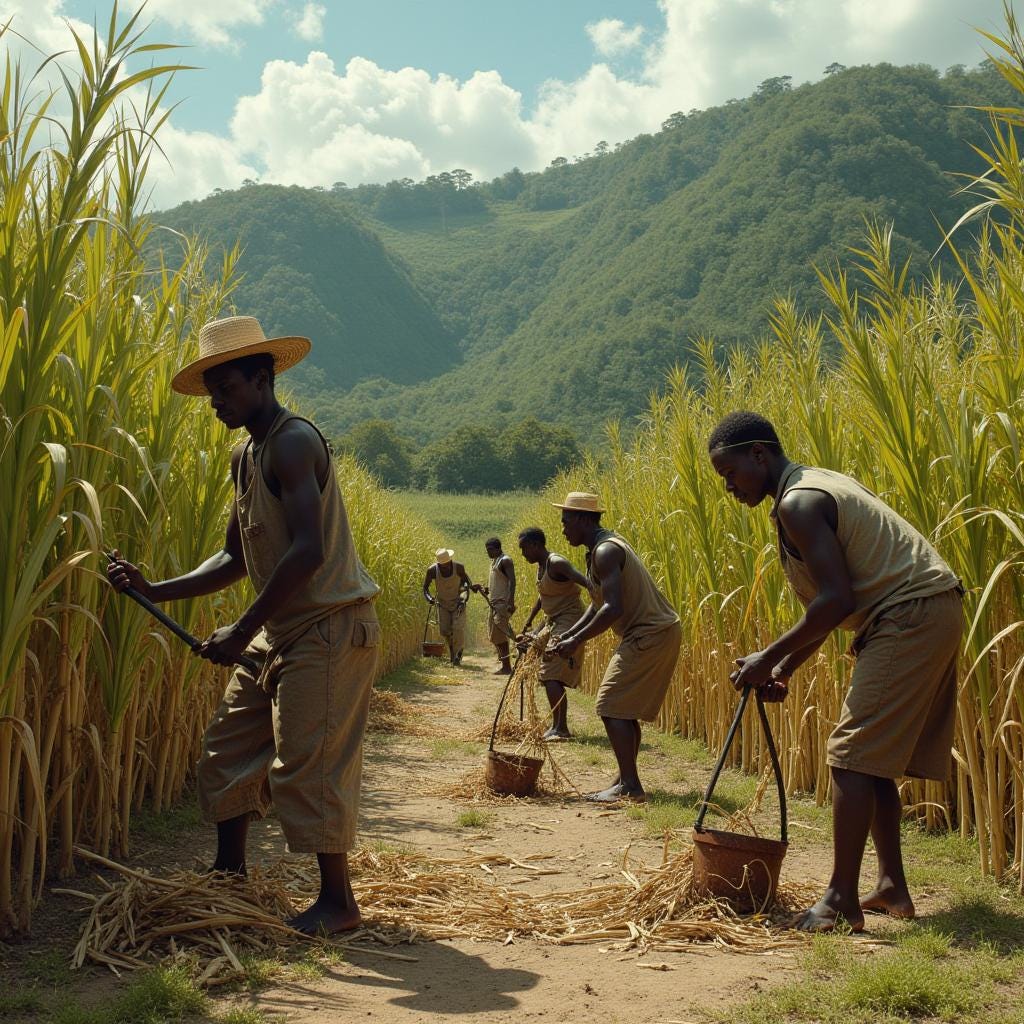
The labour movement itself was born from the discontent of plantation workers—individuals whose toil directly impacted the land and its usage. In this way, the origins of Labour Day are inherently tied to land and its exploitation. The demand for better wages and working conditions on sugar estates was a cry not just for fair compensation, but for recognition, security, and stability—factors deeply interwoven with housing and land ownership.
As the movement matured, and especially after independence, real estate development became one of the primary ways the Jamaican government and private sector sought to elevate the quality of life. Housing schemes, particularly during the 1970s, were considered not just construction projects but instruments of social justice. Access to land and housing was—and remains—a measure of equity and progress.
Today, Labour Day projects often include the repair or construction of homes, especially for the elderly and underprivileged. Such work underscores the idea that real estate, in its most human form, is not about profit but about place—about belonging.
As Dean Jones, Realtor Associate and Founder of Jamaica Homes, insightfully puts it:
“Labour Day reminds us that real estate is not just about properties; it’s about people. A coat of paint on a neighbour’s fence, or a roof fixed on a storm-battered home, reaffirms that the value of land lies in the community it shelters, not just the price it commands.”
Themes of Unity, Volunteerism, and Renewal
Three major themes run consistently through the evolution of Labour Day: dignity of labour, community development, and collective responsibility. These ideals intersect with housing in profound ways.
The dignity of labour is affirmed when communities come together to improve their surroundings. It is a nod to the working class, who—like the 1938 protesters—ask not for charity, but for the opportunity to build.
Community development is visible in every painted school wall, every cleaned park, and every rehabilitated home. These efforts create more than just aesthetic improvements; they foster pride, reduce crime, and increase property values over time—core concerns in real estate.
Lastly, collective responsibility—emphasized in Labour Day themes like “Jamaica Nice, Protect Wi Paradise”—is perhaps the most enduring legacy. It calls on each Jamaican to participate in nation-building, not through slogans, but through service.
The Children and the Future

Labour Day also carries symbolic meaning for the next generation. The sight of children joining their parents in simple acts of service—holding brushes, sweeping yards, planting trees—reminds us that nationhood is not inherited; it is nurtured.
These children may not yet know the names of St. William Grant or Michael Manley, but through participation, they absorb values that no textbook could teach. The pride they take in beautifying their schools or helping their neighbours lays the moral foundation for the next generation of builders—literal and metaphorical.
Modern Challenges and the Path Forward
Yet, questions persist: Does Labour Day still hold the same meaning in a digital age? Are today’s youth as engaged in civic volunteerism as previous generations? Or has the day become just another holiday?
There is certainly evidence that government agencies and NGOs still mobilize large projects each year. For example, the 2025 national project—establishing an Environmental and Research Park at Mason River in Clarendon—highlights the continued evolution of the holiday. Still, sustaining genuine grassroots participation remains a challenge in an era where community ties are weakening.
To ensure the survival of Labour Day’s core values, Jamaica must reimagine the day once more—possibly incorporating digital engagement, environmental consciousness, and youth-led projects into its framework.
Building the Nation, One Brushstroke at a Time
From its colonial antecedents in Empire Day to its revolutionary roots in 1938, Labour Day in Jamaica has evolved into a powerful emblem of service, solidarity, and transformation. It is a reminder that nationhood is not gifted—it is built, brick by brick, brushstroke by brushstroke, generation after generation.
In the words of Dean Jones, “Every home that rises from humble hands on Labour Day stands as a monument—not just to labour, but to love. Because when we build together, we rise together.”
Labour_Day_Jamaica_ArticleDownload
Disclaimer: This article is intended for informational and educational purposes only. While care has been taken to ensure accuracy, historical interpretations and views expressed are those of the author and may not reflect those of all readers. Jamaica Homes and its affiliates are not responsible for actions taken based on this content.
Image Disclaimer: Some images featured in this post were created or edited for illustrative purposes. While they are designed to represent the themes discussed, they may not depict actual events, persons, or locations. All creative content remains the intellectual property of Jamaica Homes and should not be reproduced without permission.