


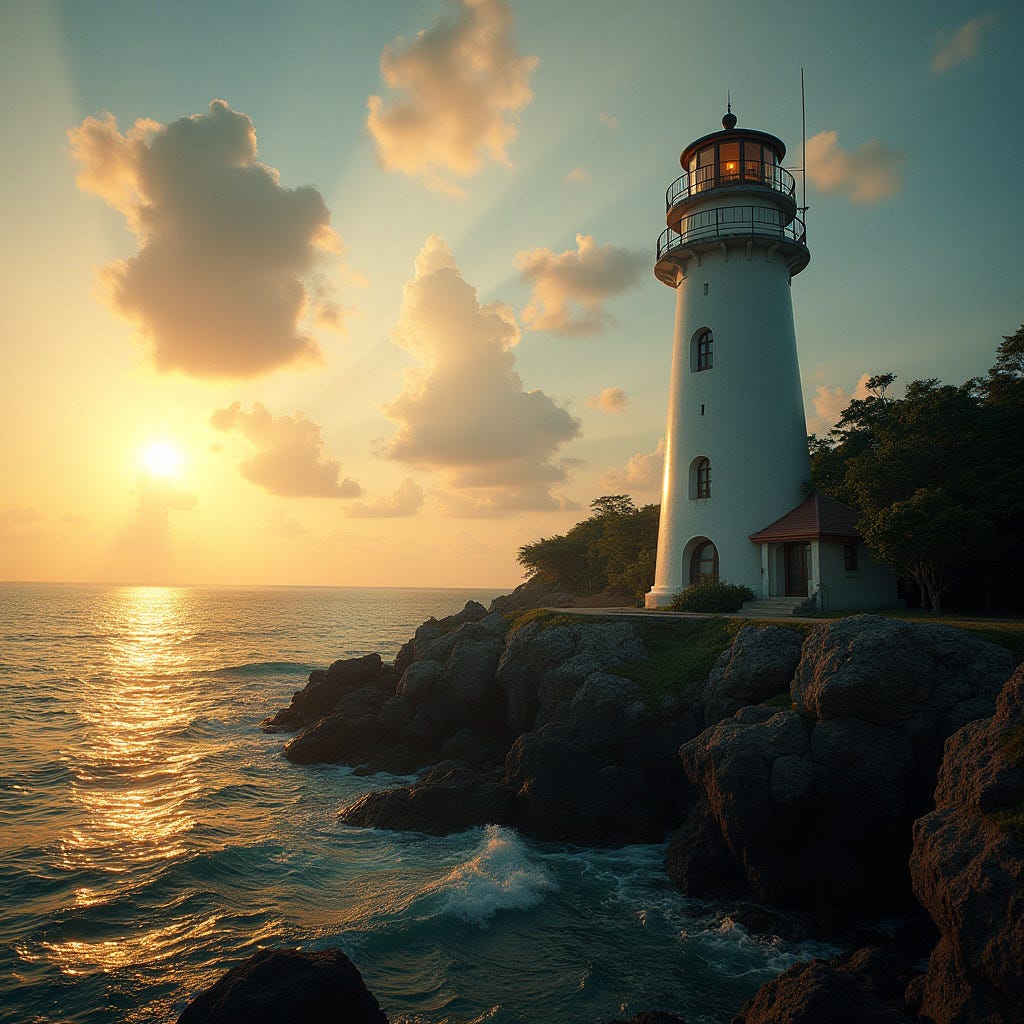
A lighthouse is a tower or structure equipped with a light, typically situated at the edge of coastlines, on islands, or at the entrance to harbors, designed to guide ships and vessels by marking dangerous coastlines, hazardous rocks, reefs, and safe entry points for maritime navigation. In Jamaica, lighthouses play a critical role in ensuring the safety of shipping routes that are vital for the island’s import and export economy, particularly as the Caribbean has long been a key maritime hub for international trade. These structures are not just functional but are also significant historical landmarks, often constructed during the colonial era and featuring unique architectural designs, from cast iron towers to masonry and concrete constructions. Lighthouses in Jamaica, such as the Morant Point Lighthouse, the oldest on the island, or the Lovers’ Leap Lighthouse, the most recent, symbolize both the resilience and the rich maritime history of the country. In real estate, the presence of a lighthouse often adds unique value to properties located nearby, especially in coastal areas, where they are sought-after for their aesthetic and historical value, as well as their potential as tourist attractions. Globally, lighthouses hold similar importance in guiding mariners across seas and oceans, serving as essential navigation aids, and marking the heritage of maritime communities. In many countries, lighthouses are integral to national identity and often preserved as monuments or tourist destinations, reflecting both technological advancements and cultural legacies. Their construction and maintenance, often associated with national port authorities or maritime safety organizations, continue to evolve with modern technology, although they retain an iconic presence on coastlines worldwide.