


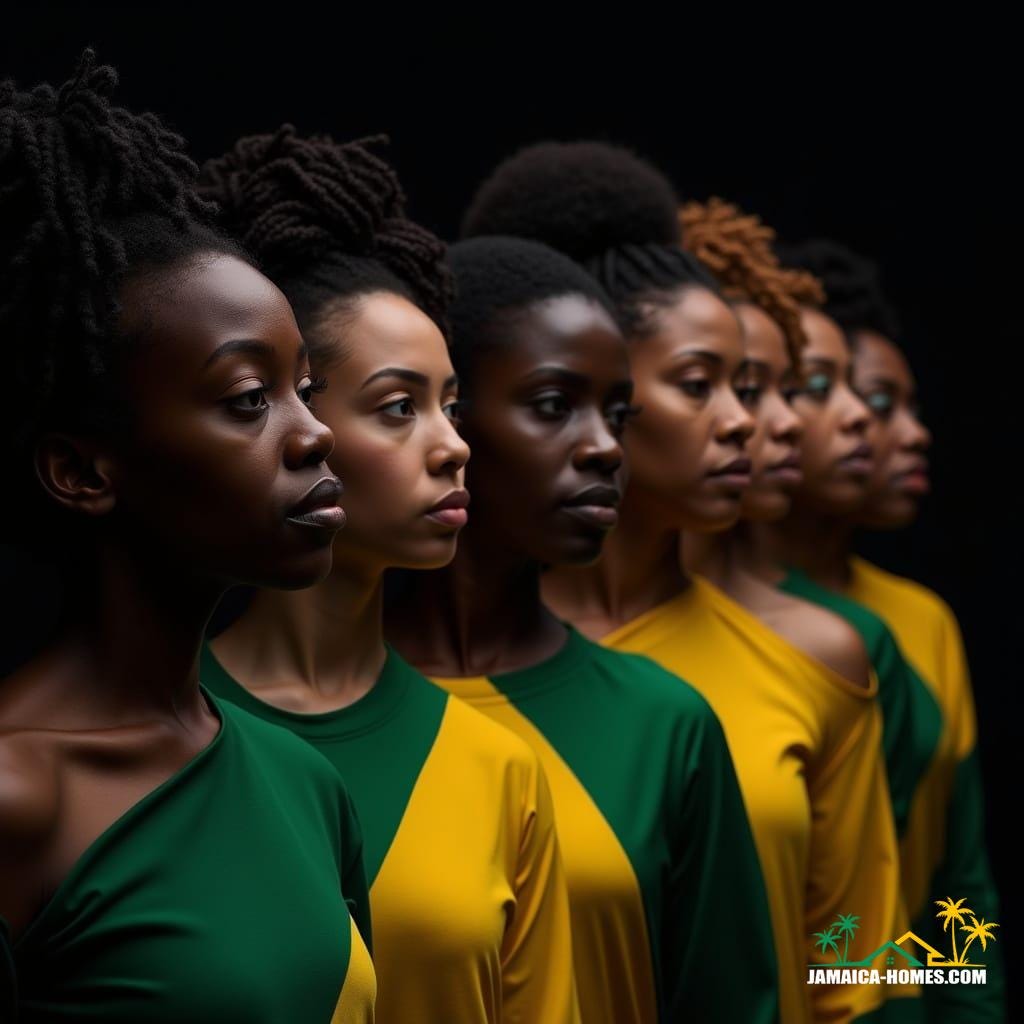
In Jamaica, the word “mama” carries a weight that is deeper than any dictionary definition. It is more than a term of endearment, more than the voice that calls you in for supper or tucks you into bed. Mama is survival, culture, land, language, leadership, and love — sometimes soft, sometimes fierce, always unshakable. To tell the history of Jamaica is to tell the history of its mamas, stretching from the island’s earliest peoples through slavery and Maroon resistance, through art, politics, migration, music, and even real estate. The story of Jamaican mothers is not a side note to national history. It is the history itself.
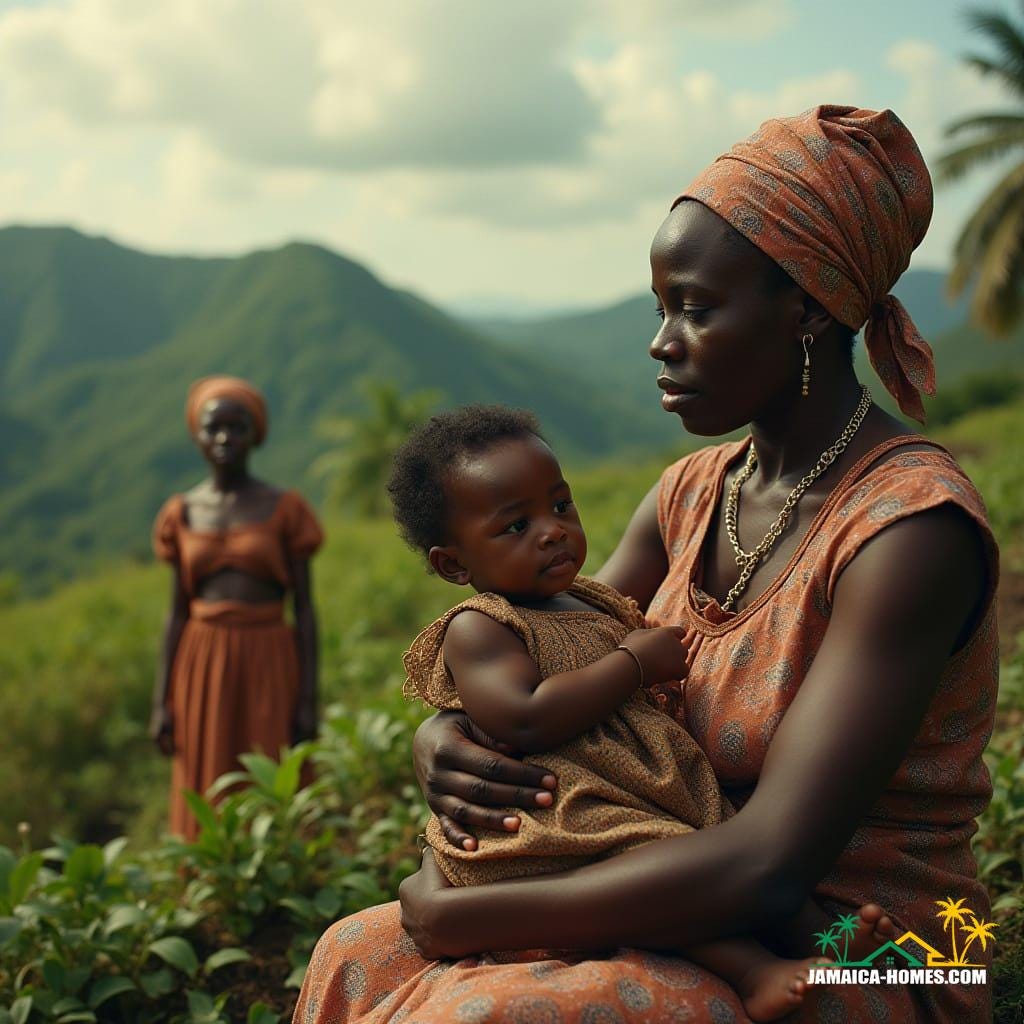
Long before Europeans arrived, the Taíno people who first lived in Jamaica placed women at the center of community life. Mothers farmed cassava, prepared food, created pottery, and passed down rituals that tied their children to land and ancestry. These women anchored the first Jamaican families, embodying the resilience and continuity that would be tested in centuries to come. When the Atlantic slave trade brought thousands of Africans to the island in chains, motherhood became an act of defiance. Enslaved women labored under brutal conditions, cutting cane and carrying loads that bent their backs, yet they were also midwives, herbalists, and teachers of folklore. They held together communities torn apart by violence, inventing kinship systems where none were permitted. “Mama” was not always biological; it was the elder who cared for other people’s children, the midwife who delivered babies in candlelit huts, the woman who healed wounds and spirits alike.
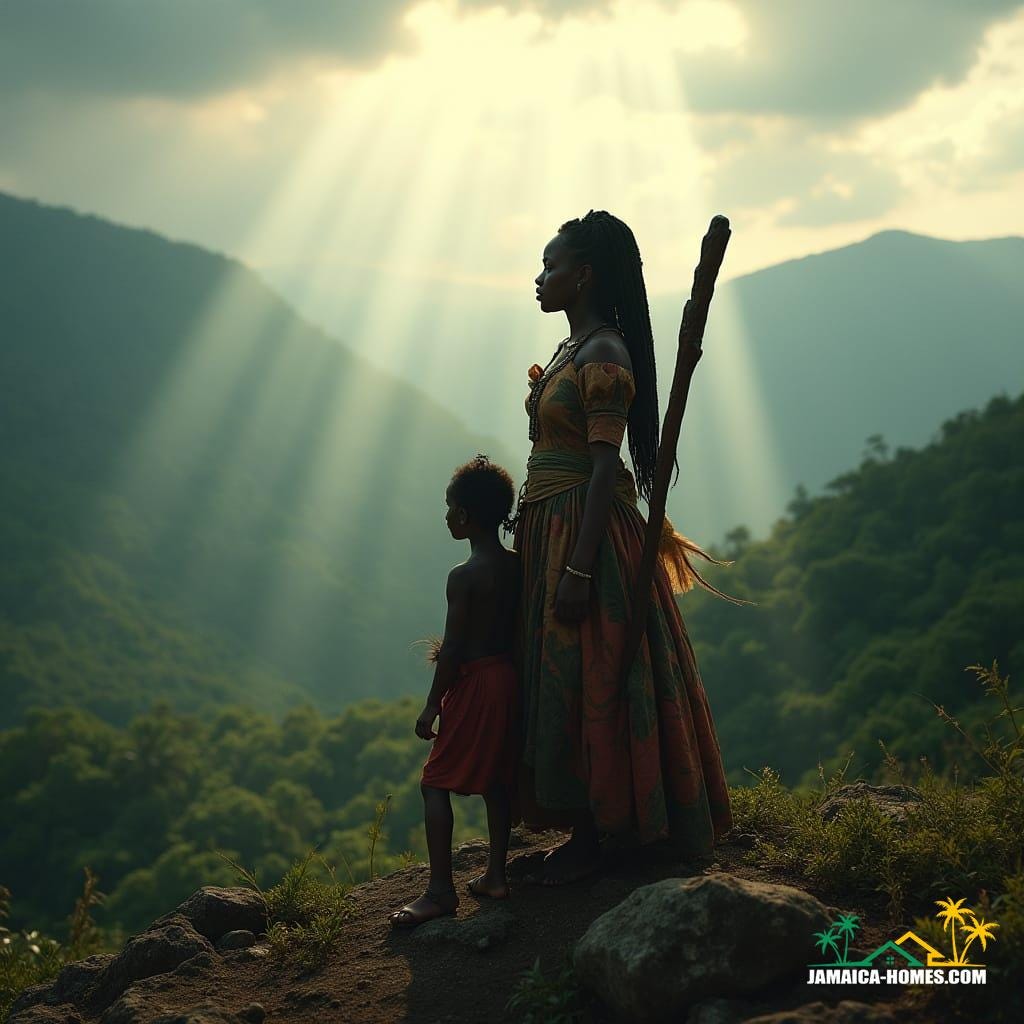
Nowhere is the figure of mama more powerfully remembered than in Nanny of the Maroons, the only woman among Jamaica’s official National Heroes. In the 1700s, Nanny led her people into the Blue Mountains and carved out a free community beyond the reach of British rule. She was strategist, warrior, spiritual guide, and mother to her people. Oral traditions say she used herbs and ritual to protect her fighters, led raids to rescue the enslaved, and ensured that children born in the Maroon camps would know freedom. She has been remembered not just as a leader but as the “mother of the Maroons,” proof that maternal love can also take the form of political defiance and military genius.
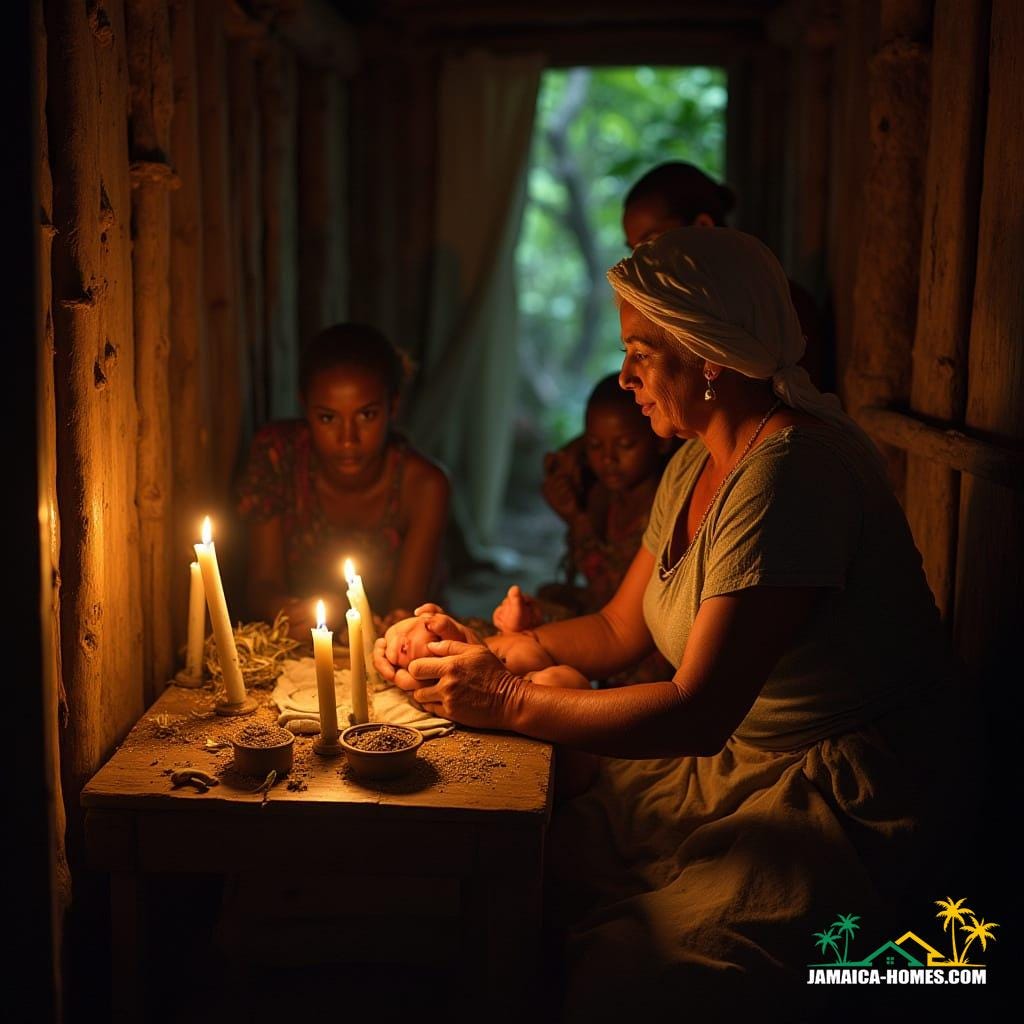
Even beyond the battlefield, mothers continued to shape Jamaican life. The granny-midwives of the 19th century became pillars of rural communities. They delivered babies, brewed herbal teas, and offered counsel to families navigating poverty. Their knowledge of plants and remedies, carried from West Africa and adapted to Caribbean soil, kept communities alive when official medicine was scarce or unaffordable. Colonial authorities sometimes distrusted these women, labeling them with suspicion because their knowledge was both powerful and independent. But to the people they served, they were the embodiment of mama: wise, steady, irreplaceable.
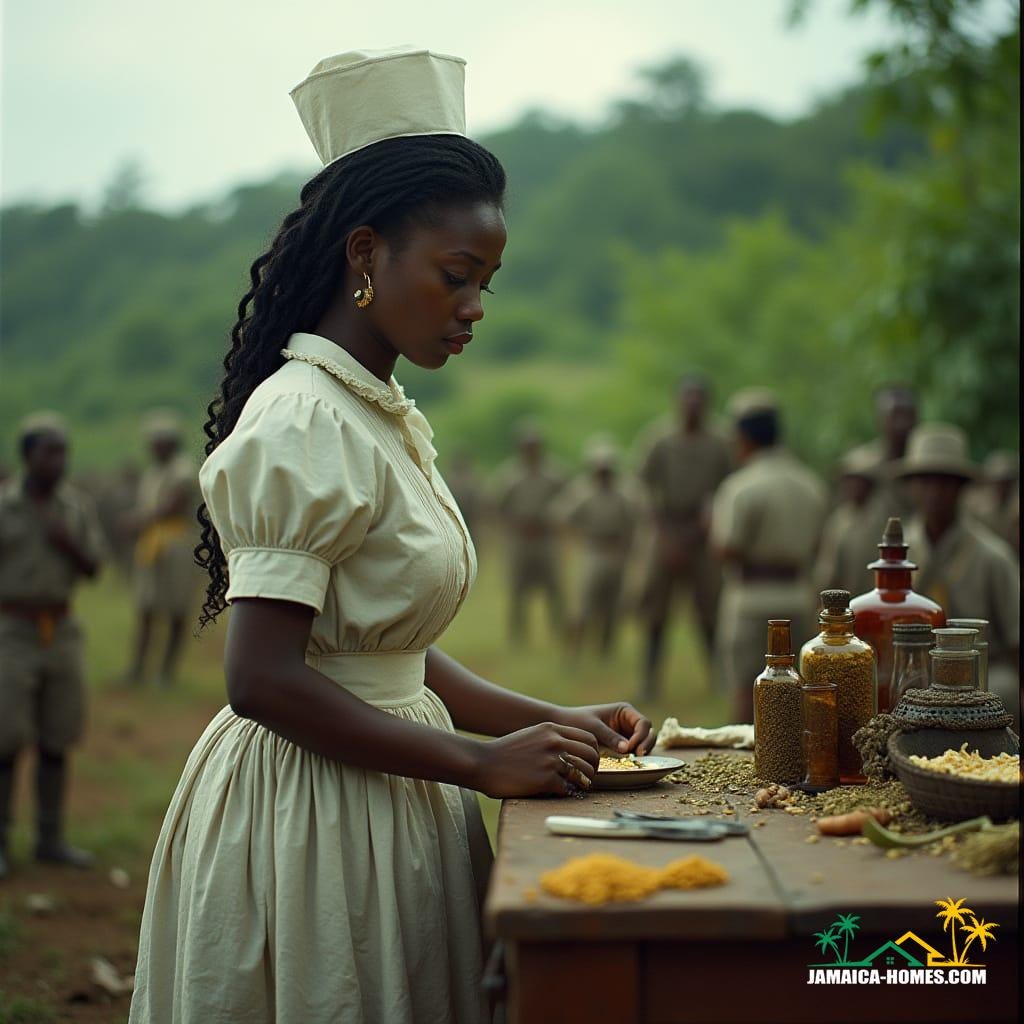
One of those midwives passed her craft to her daughter, Mary Seacole, who would carry Jamaican maternal knowledge onto the world stage. Born in Kingston in 1805, Seacole traveled to the battlefields of the Crimean War, setting up a “hotel” for soldiers where she nursed the sick and comforted the dying. Denied formal recognition by British authorities, she pressed on anyway, relying on the training she had inherited from her Jamaican mother. Soldiers called her “Mother Seacole,” and her memoir made her famous. Her life shows how Jamaican motherhood has always reached beyond the island’s shores, carrying healing, resilience, and love wherever it goes.
As the 20th century unfolded and Jamaica moved toward independence, a new generation of cultural mothers emerged. Louise Bennett-Coverley, known lovingly as Miss Lou, became the mother of Jamaican language. Through poetry, performance, and humor, she insisted that patois was not broken English but a beautiful mother tongue. Her songs and verses celebrated everyday life, teaching Jamaicans to love the sound of their own voices. Likewise, Edna Manley, the sculptor and cultural activist, is often called the mother of Jamaican art. She nurtured young artists, built institutions, and created work that placed ordinary Jamaicans — mothers, workers, children — at the center of national identity. These women mothered a culture into self-respect and maturity.
Politics too has had its share of maternal figures. Amy Jacques Garvey, journalist and activist, was as much a leader in the Garvey movement as her husband Marcus, using her pen and intellect to organize Black communities around the world. Her essays spoke with the moral authority of a mother demanding justice for her children. Decades later, Portia Simpson-Miller rose from humble beginnings to become Jamaica’s first female Prime Minister. Affectionately called “Mama P,” she embodied both political authority and maternal care, earning the love of working-class women who saw in her a reflection of their own struggles and hopes.
The maternal story of Jamaica is also one of land and shelter. After emancipation in 1838, freedwomen fought to acquire plots of land, understanding that owning soil meant safety and independence for their children. Many of the earliest purchases of “family land” were made by mothers who saved pennies from market sales to buy a piece of freedom. That tradition continues in the practice of passing down “family land” through generations, often informally, with the yard of the matriarch serving as the anchor for scattered relatives. Even when titles are missing, “mama yard” remains the heart of family identity.
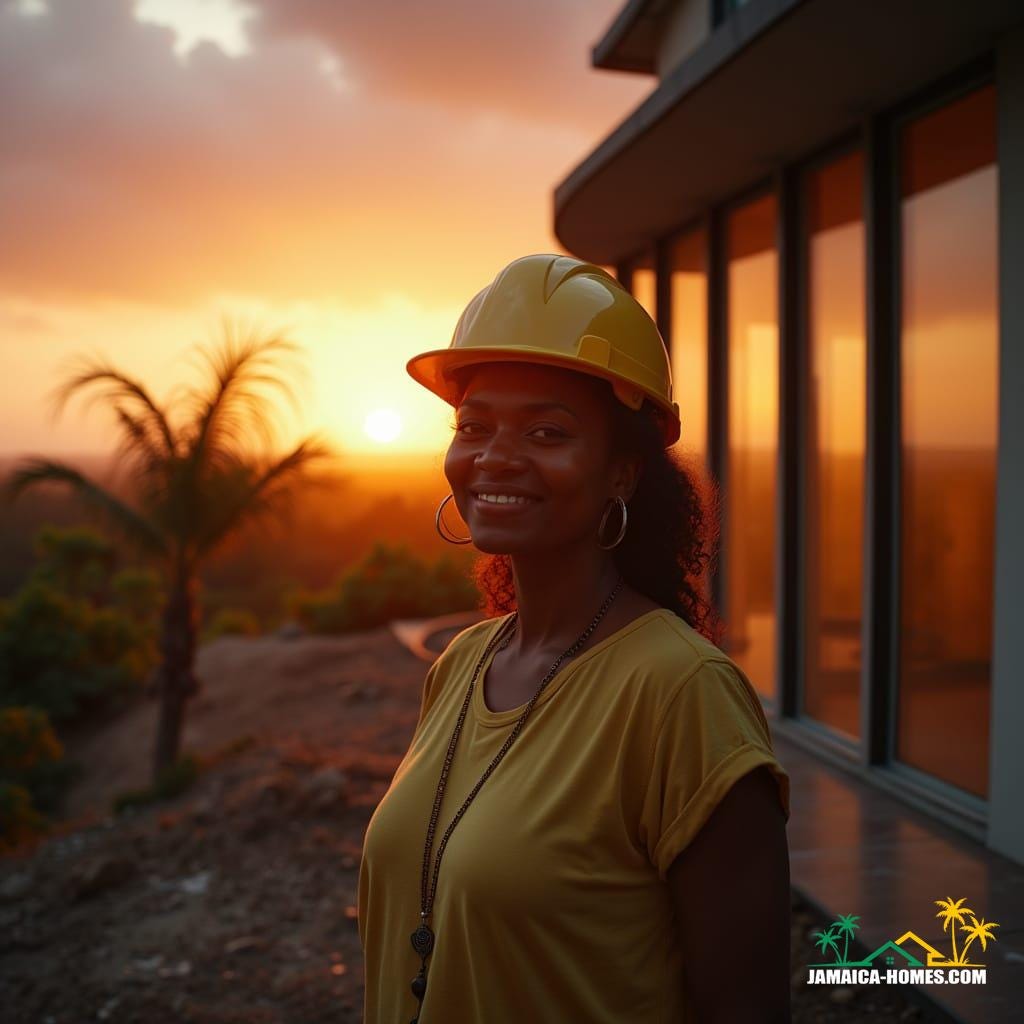
Migration expanded this role. Mothers abroad sent remittances to build houses in Jamaica, while those at home became custodians of the money, overseeing construction block by block. Walk through any community and you will see houses that are monuments to maternal sacrifice, financed by years of double shifts, market hustling, and endless patience. Today, mothers make up a significant share of mortgage holders and housing scheme applicants, determined to leave their children more than they inherited. Real estate in Jamaica is more than property. It is the physical manifestation of love, sacrifice, and the determination of mothers to ensure their families always have a place to belong.
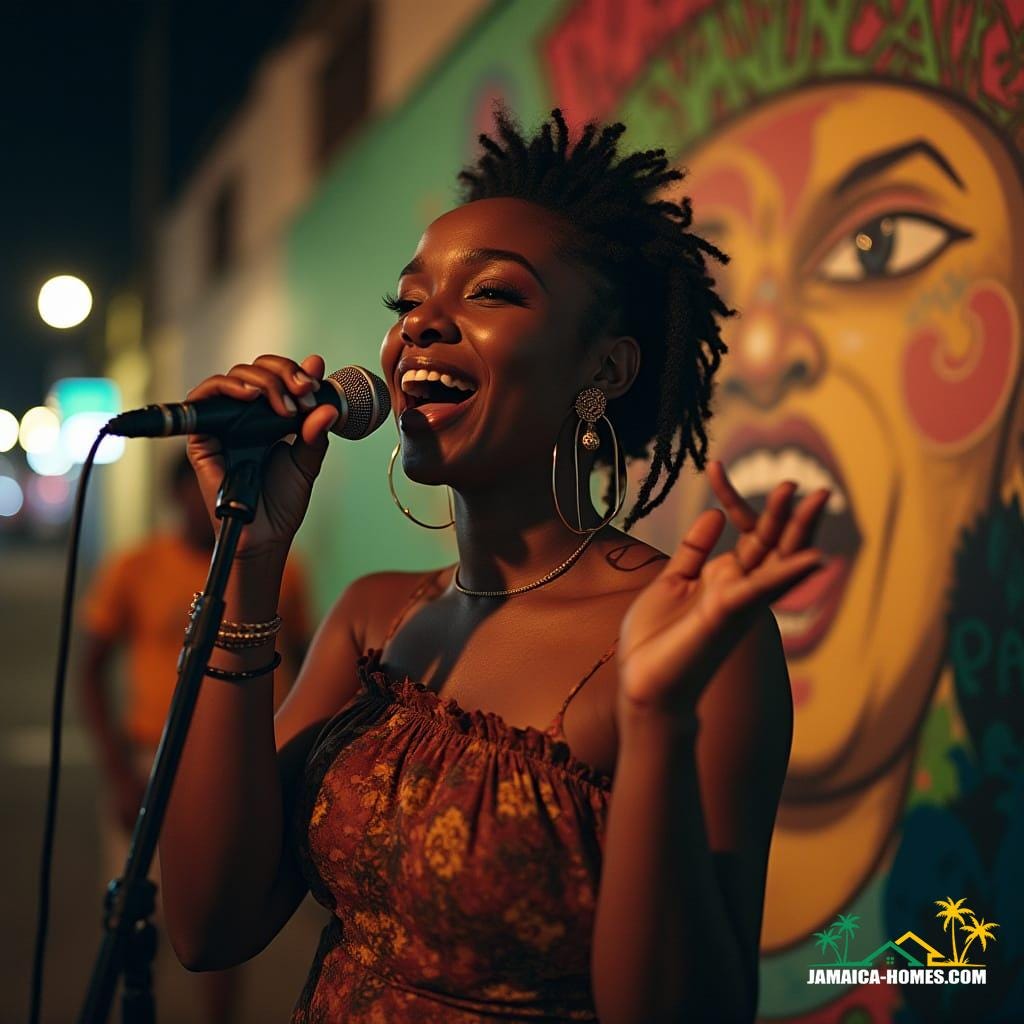
It is no surprise then that Jamaican music — the nation’s heartbeat — overflows with tributes to mothers. Reggae, lovers rock, and dancehall alike have lifted up the figure of mama in song. One of the most heartfelt anthems goes:
Fi mi mama, where would I be Lord, where would I be, where would I be without my mama.
Mummy mi love you there is nothing mi put above you, no house nor no girl, nor no car.
Stand firm in a mi life nothing no budge you, from mi born mi and you a spar.
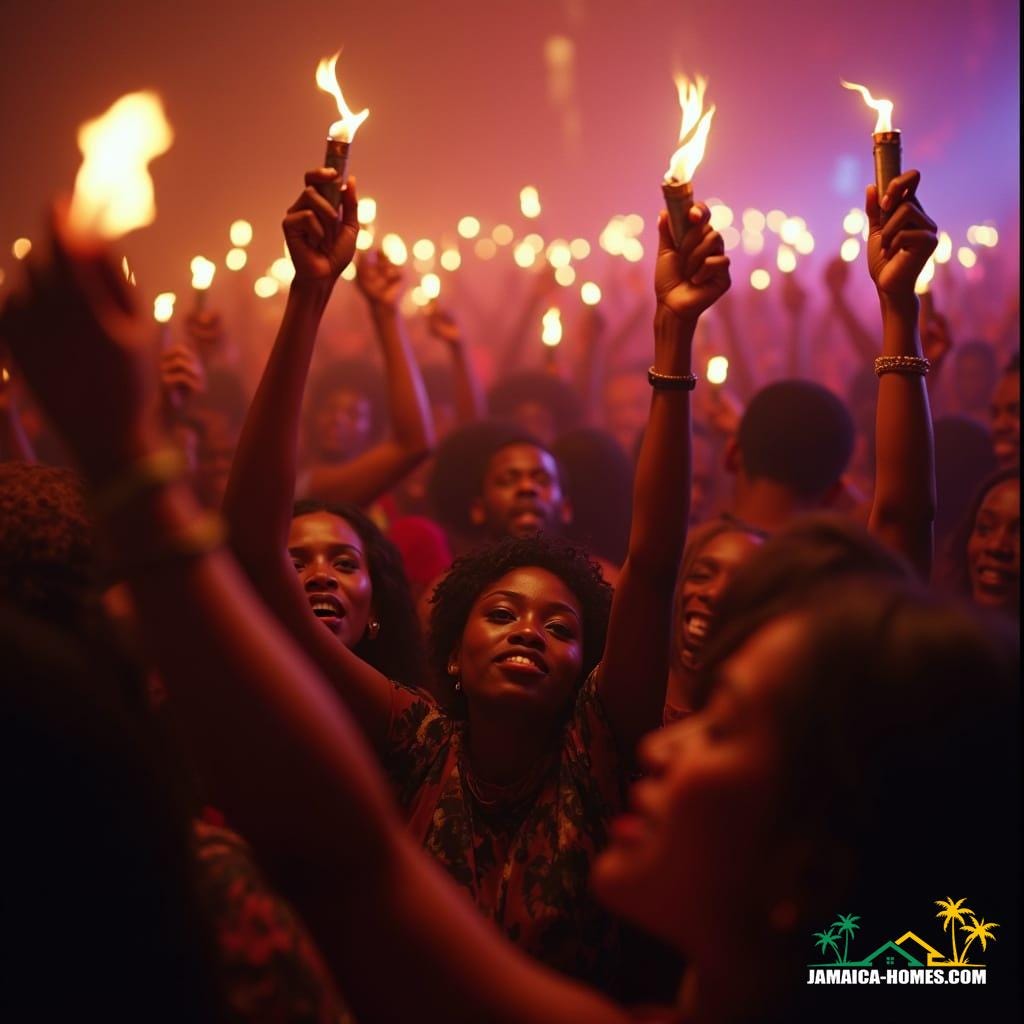
The lyrics capture what history has shown for centuries: without mama, there is nothing. The song continues with verses about hardship and survival — “Mama never had it easy at times, that is why sometimes she cry. Many days I don’t know how we survive. We held on ‘cause of mama’s teachings, and in the scripture she better believe in.” In dancehalls and street corners, crowds sing these lines with lighters raised, a collective act of gratitude to the women who carried them through struggle.
To treasure Jamaican mothers is to acknowledge their central role in the nation’s survival and success. Men often call their mothers their “first lady,” their “queen,” their “princess.” Some forget, but history reminds them: without mama, there would be no freedom fighters like Nanny, no healers like Seacole, no cultural icons like Miss Lou, no leaders like Mama P, no homes to return to in the hills or the cities. Mothers have built not just families but the nation itself.
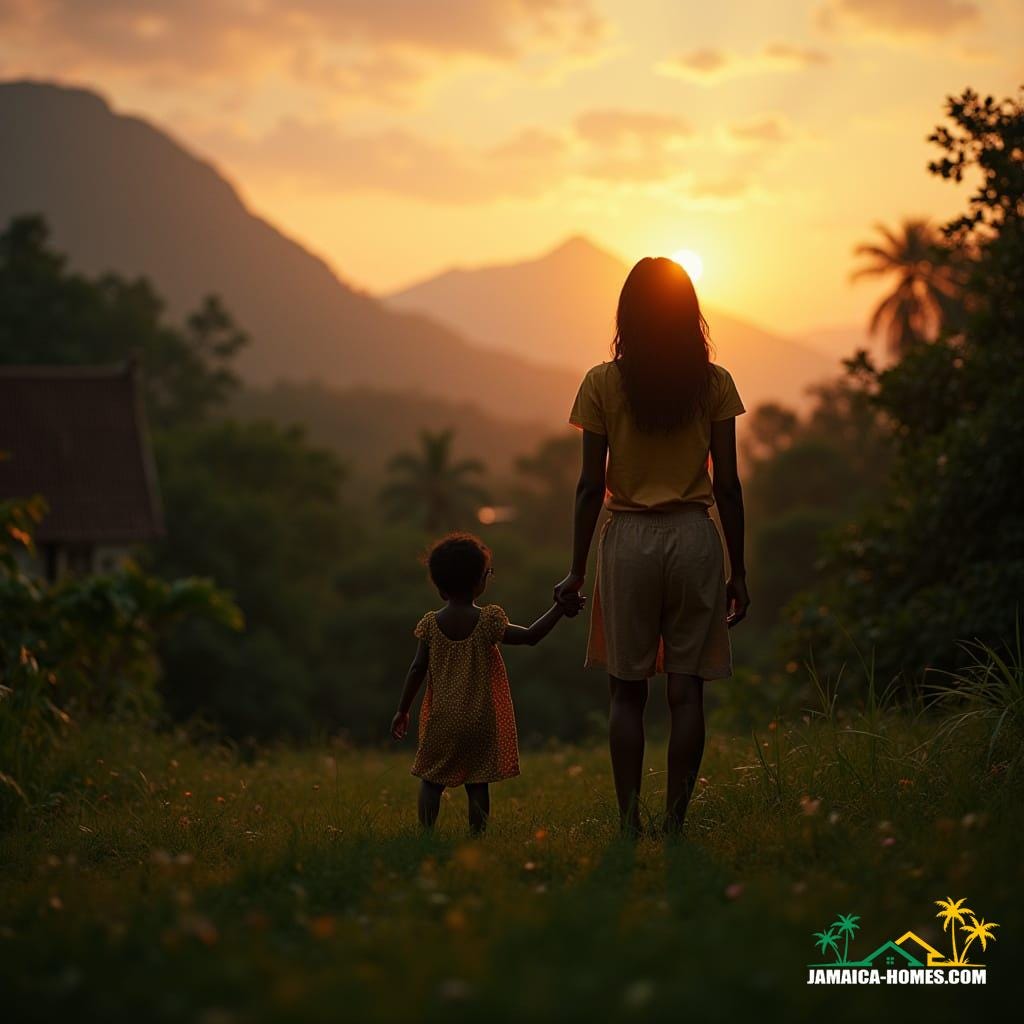
Today, Jamaican mothers still carry heavy burdens. Many are the sole heads of households, balancing jobs, childcare, and community obligations. They stretch remittances, pay school fees, and protect children from the challenges of crime and poverty. They also lead. They organize neighborhood watches, run small businesses, and fight for their communities’ needs. Every day, in ways grand and ordinary, they sustain Jamaica.
The story of Jamaican mothers is thus one of continuity and change. From the Taíno women in the island’s first villages to the Maroon warrior Nanny, from granny midwives to Mary Seacole, from Miss Lou and Edna Manley to Amy Jacques Garvey and Portia Simpson-Miller, from family land in rural parishes to houses built by remittances across the diaspora, from the chants of the dancehall to the prayers whispered in kitchens late at night — mamas are the heart of Jamaica.
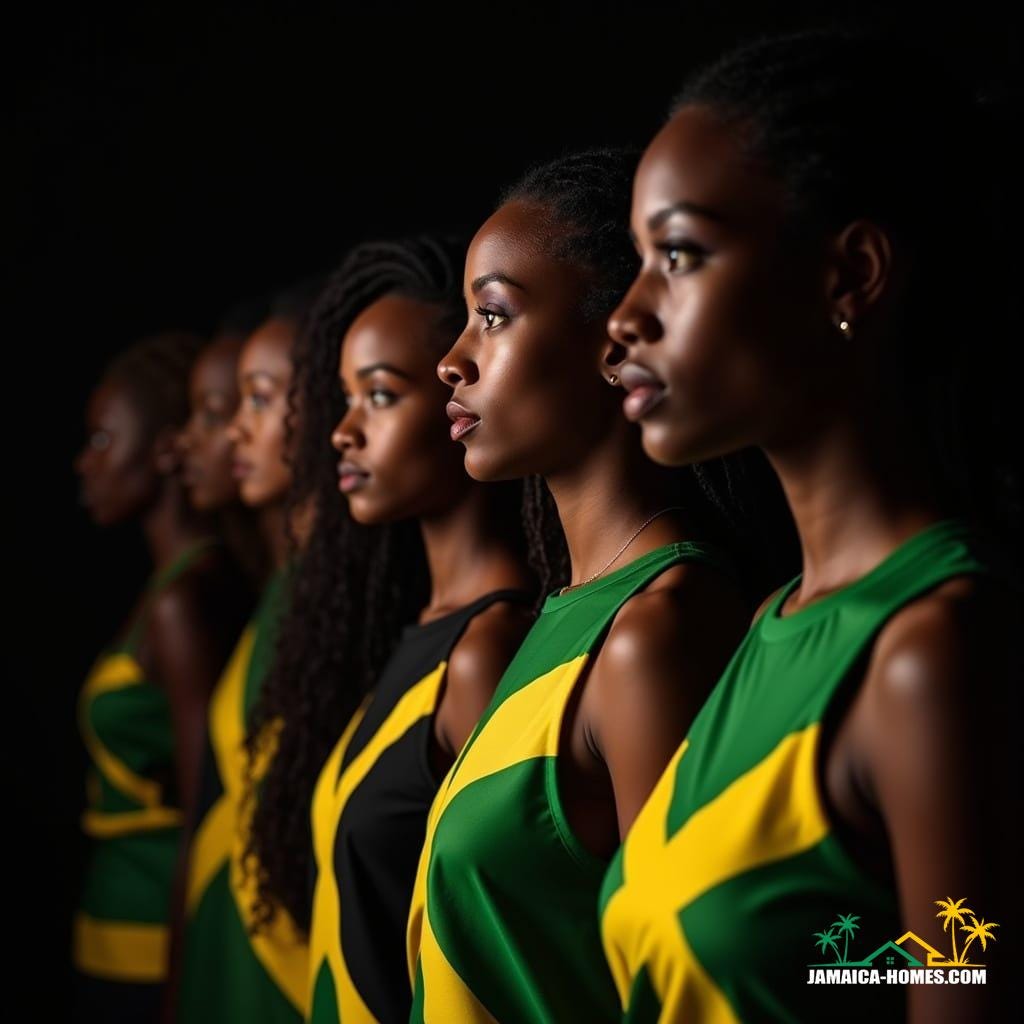
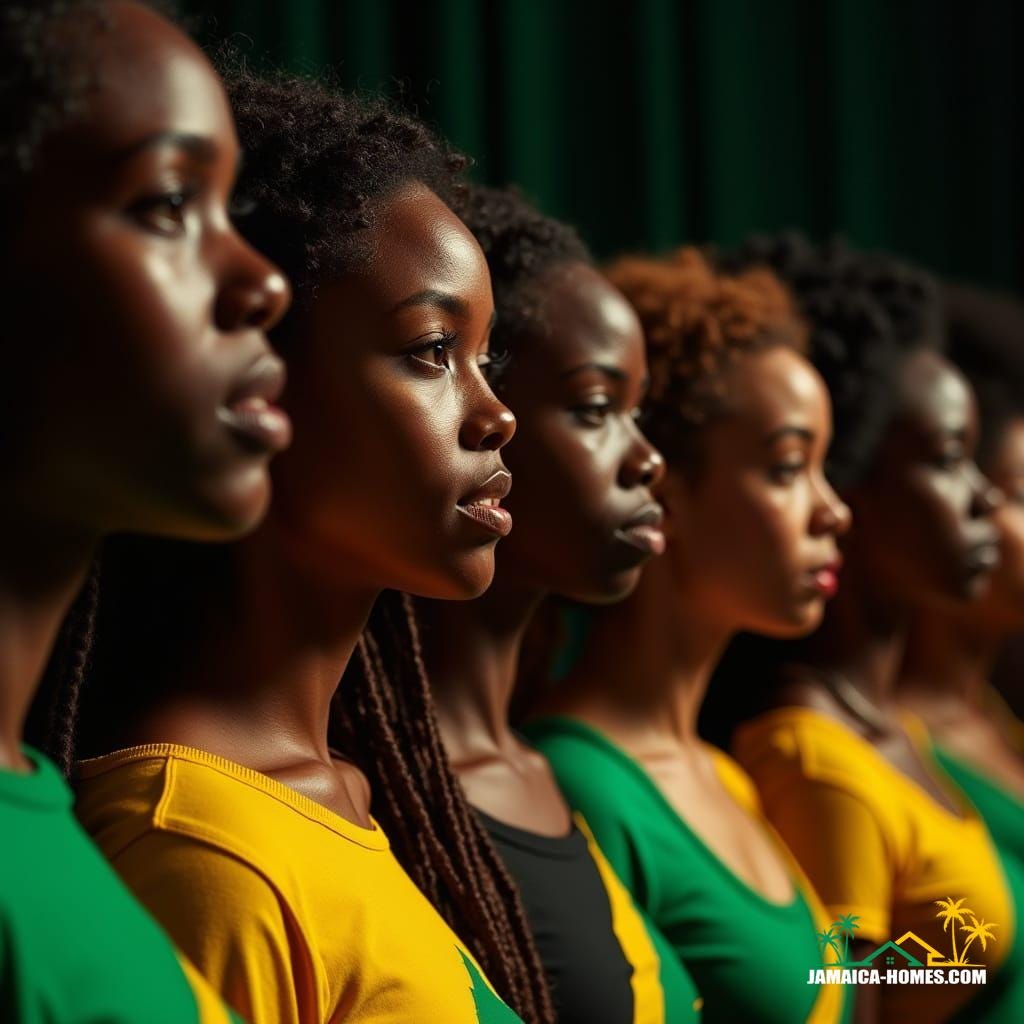
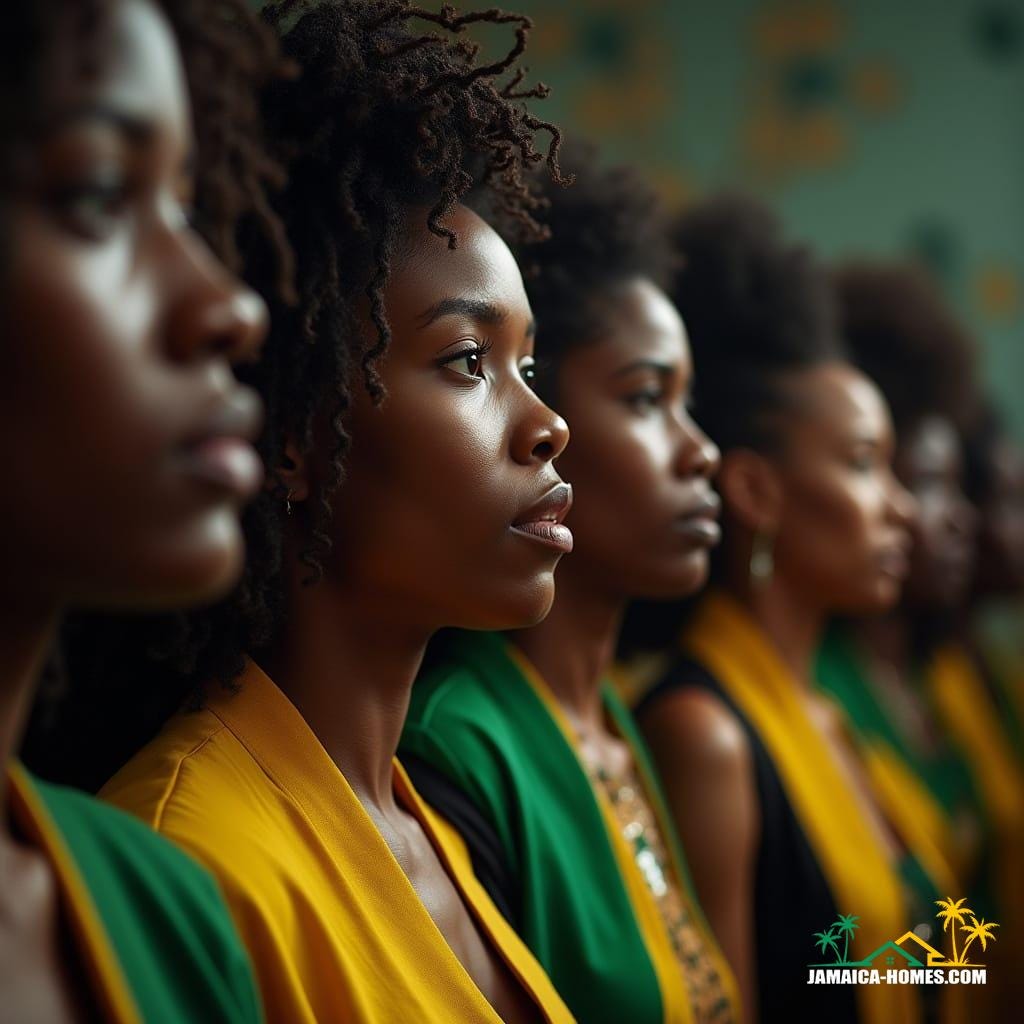
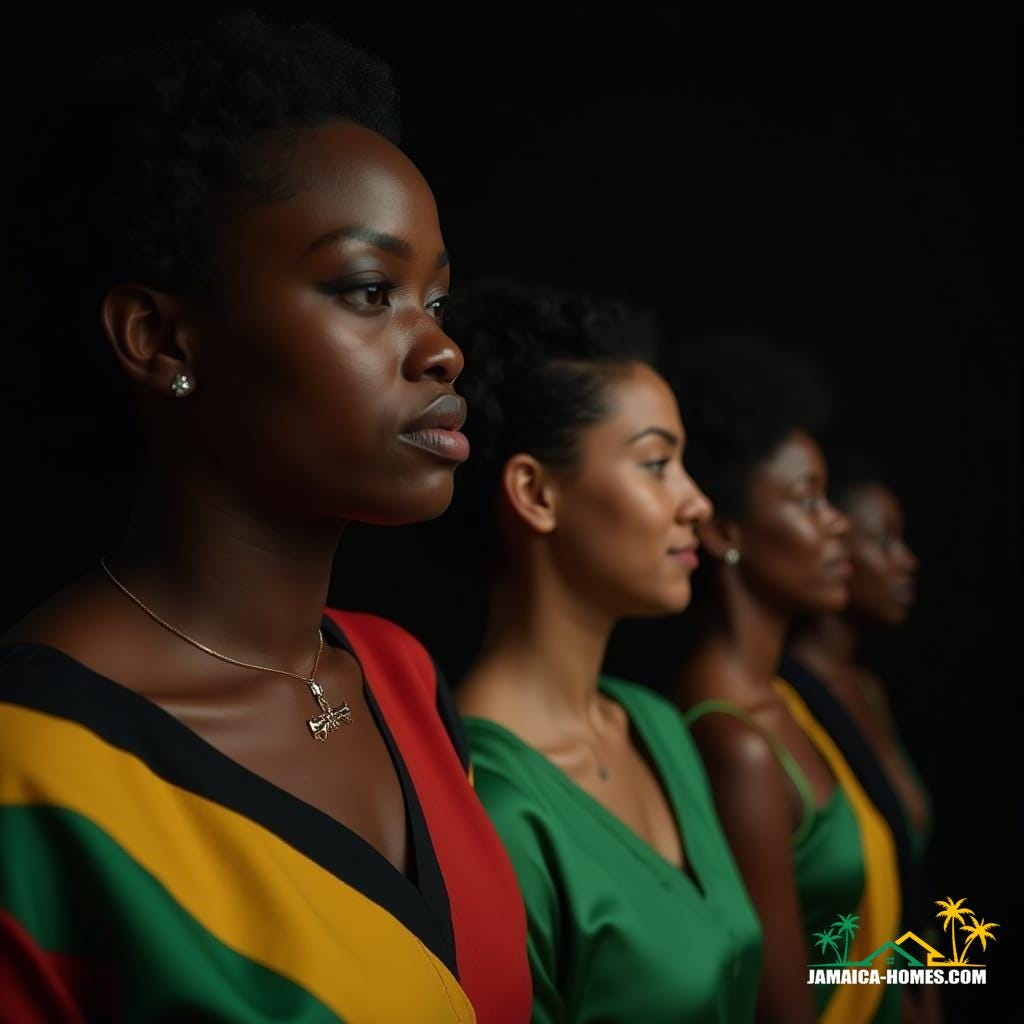
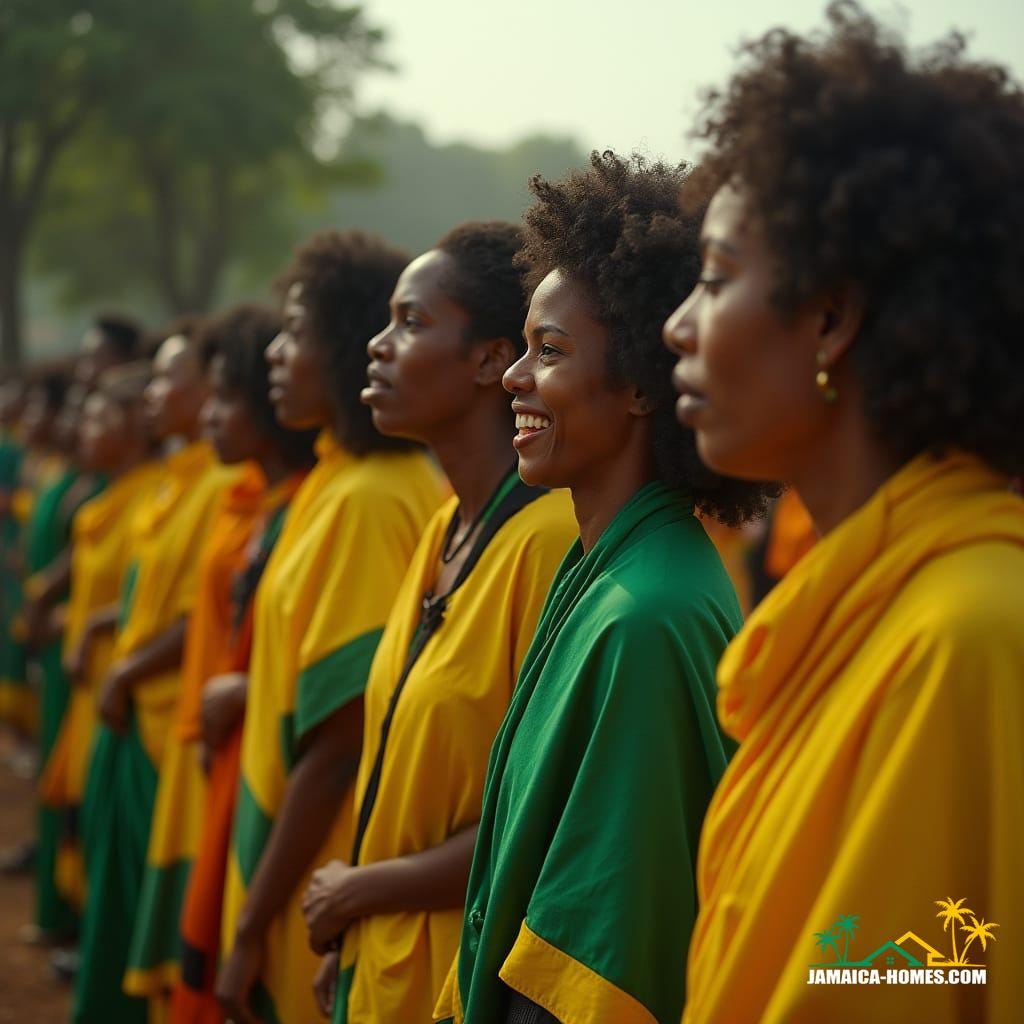
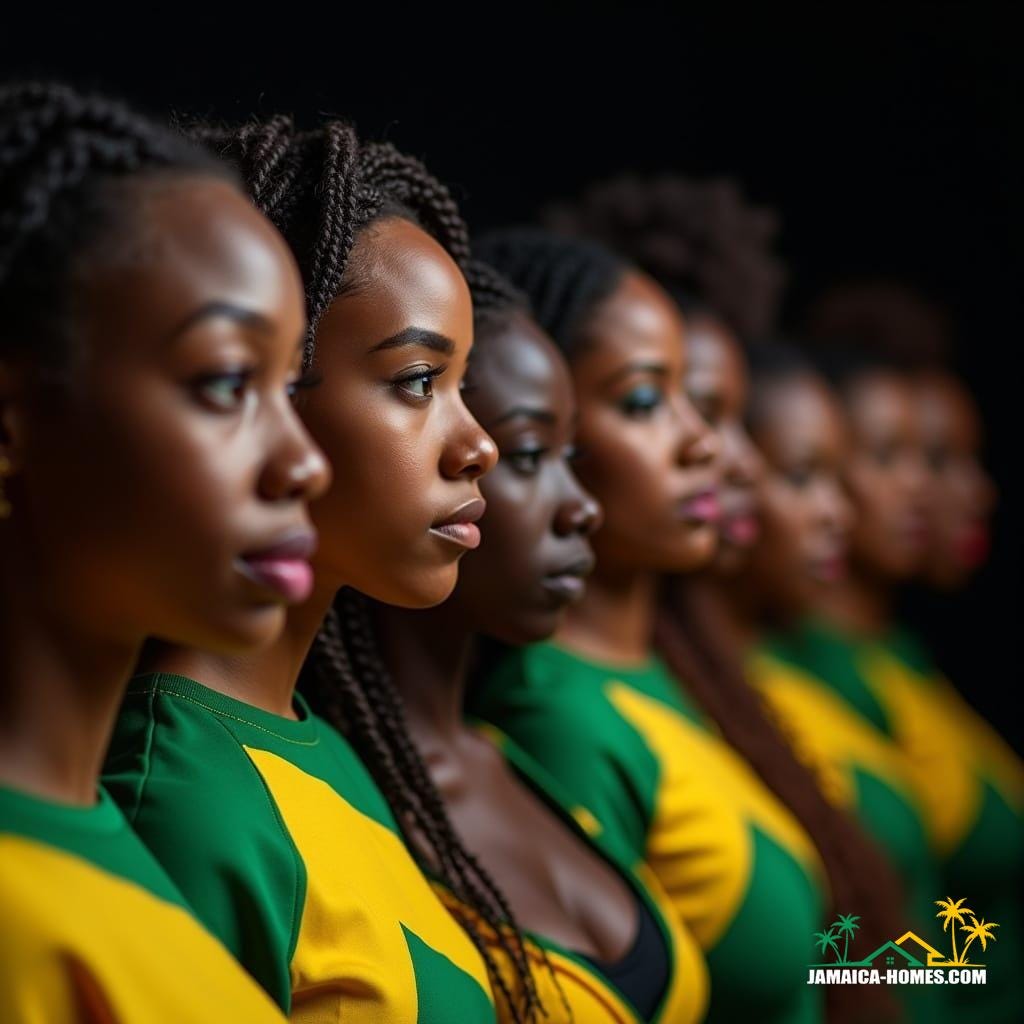
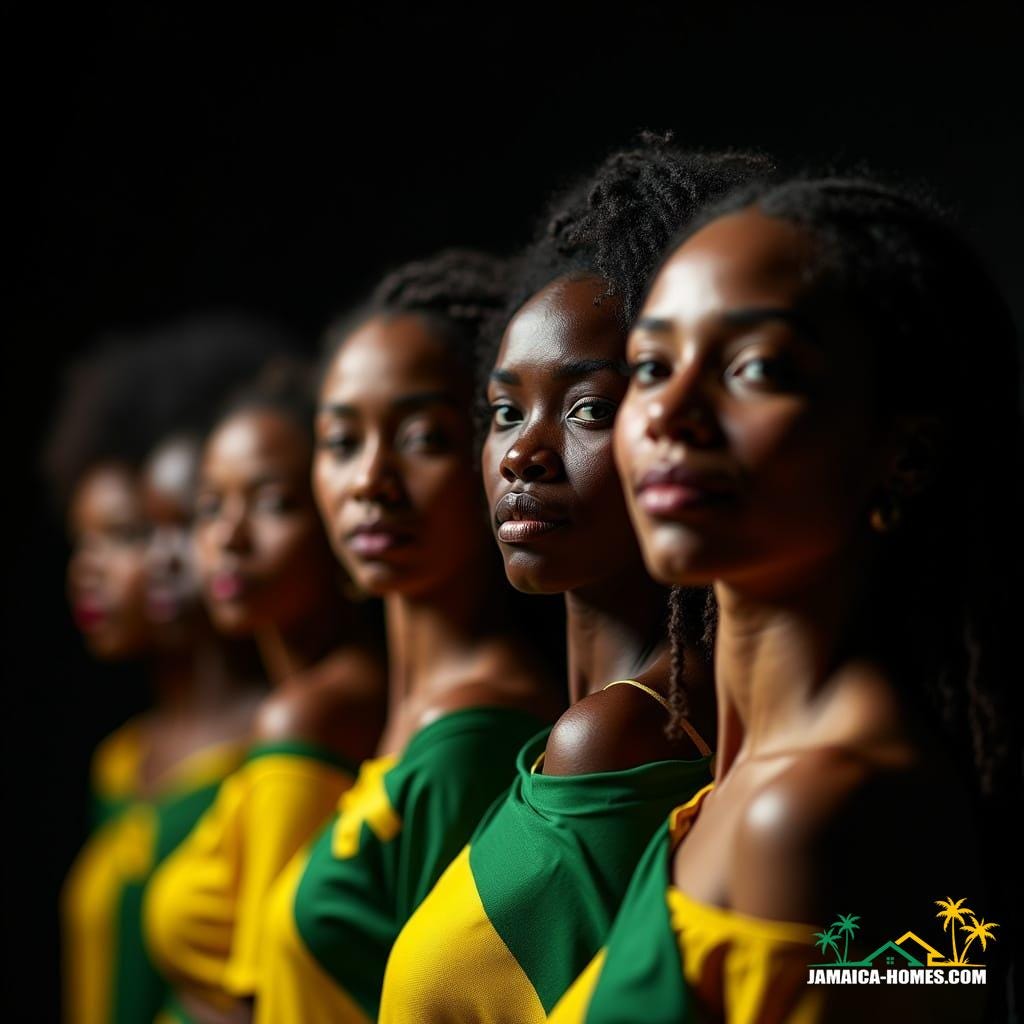
So when the song rings out, “There is no one like my mama, no,” it is not just a sentimental chorus. It is the truth of a nation. Jamaica exists because of its mamas, and the future will stand firm only if they are cherished, respected, and supported. Mama is love. Mama is resilience. Mama is Jamaica.
Credits: Lyrics excerpted from “Mama” by Cleveland Constantine Browne, Wayne Parkinson, and Wycliffe Johnson. Published by Royalty Network, Sony/ATV Music Publishing LLC. Source: LyricFind.
Disclaimer:
The information presented in this article is for educational and cultural purposes only. While care has been taken to ensure historical accuracy and factual correctness, some events and figures are interpreted through a narrative lens. Personal experiences, songs, and cultural references are included to illustrate themes and perspectives and may not represent the entirety of Jamaican history or every individual’s experience. Readers are encouraged to consult additional sources for academic research or professional advice regarding history, music rights, or real estate matters.