


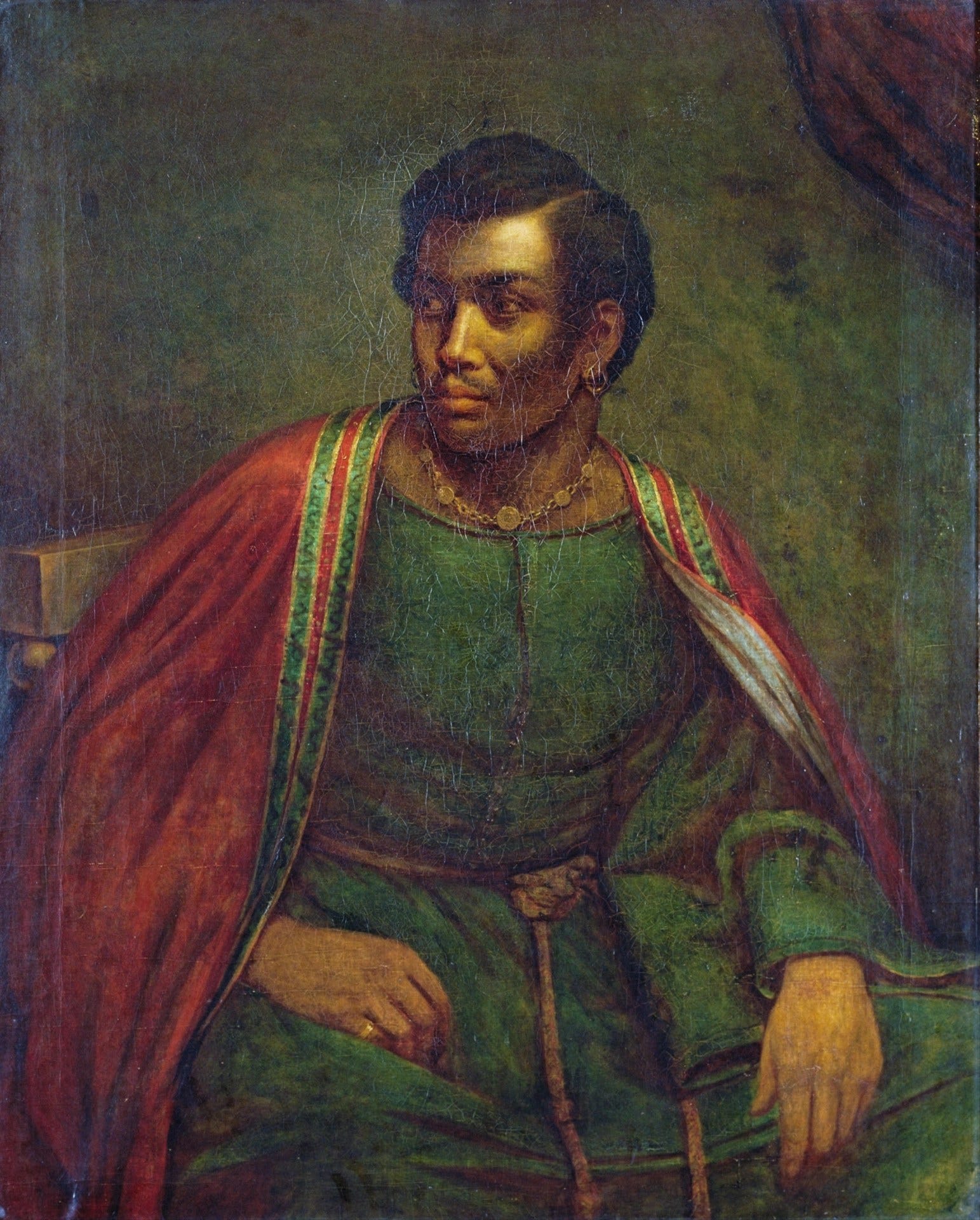
The Moors, originating from North Africa, brought African, Arabic, and Islamic scholarship to Spain, which would eventually influence Europe’s centers of learning, such as Oxford and Cambridge. Their roots in Africa, particularly through centers of knowledge like the University of Timbuktu in Mali, served as foundational links in a chain that spread knowledge far beyond the African continent. Timbuktu, known for its rich tradition of scholarship in areas like astronomy, mathematics, medicine, and Islamic jurisprudence, was emblematic of African intellectual achievements that would indirectly influence European thought through Moorish Spain. This interconnectedness made African scholarship accessible to European intellectuals, bridging continents and cultures.
When we consider Jamaica, the African diaspora links to this knowledge heritage are profound. Enslaved Africans brought to Jamaica and the wider Caribbean carried with them African traditions of knowledge and resilience, which were integral to the cultural fabric they helped shape. Through both cultural retention and adaptation, these African-descended Jamaicans preserved traditions of herbal medicine, agricultural knowledge, and spiritual practices, echoing the ancestral legacy of African intellectual traditions. The impact of Moorish learning on Europe can be seen as part of a broader legacy of African intellectual contributions that, despite colonial interruptions, continued to influence New World societies, including Jamaica.
The development of Rastafarianism in Jamaica in the 20th century further highlights the connection between African heritage and intellectual liberation. Inspired by Ethiopian culture and history—where African identity and pride were celebrated—the Rastafarian movement became a reclamation of African roots, resisting colonial structures much like how Moorish scholarship challenged European intellectual stagnation. The movement’s emphasis on African identity can be seen as part of the same heritage of knowledge and empowerment that the Moors exemplified through their advancements in Spain.
So, while the Moors’ contributions to education are primarily seen in the European context, their African heritage and the spread of African-descended intellectual traditions, even as far as Jamaica, underline the enduring global impact of African knowledge systems. These links show a remarkable continuum: from African scholars in Moorish Spain laying intellectual groundwork that would inspire European universities to the Caribbean’s cultural and intellectual resilience, reflecting a lineage of African-rooted knowledge and resistance.